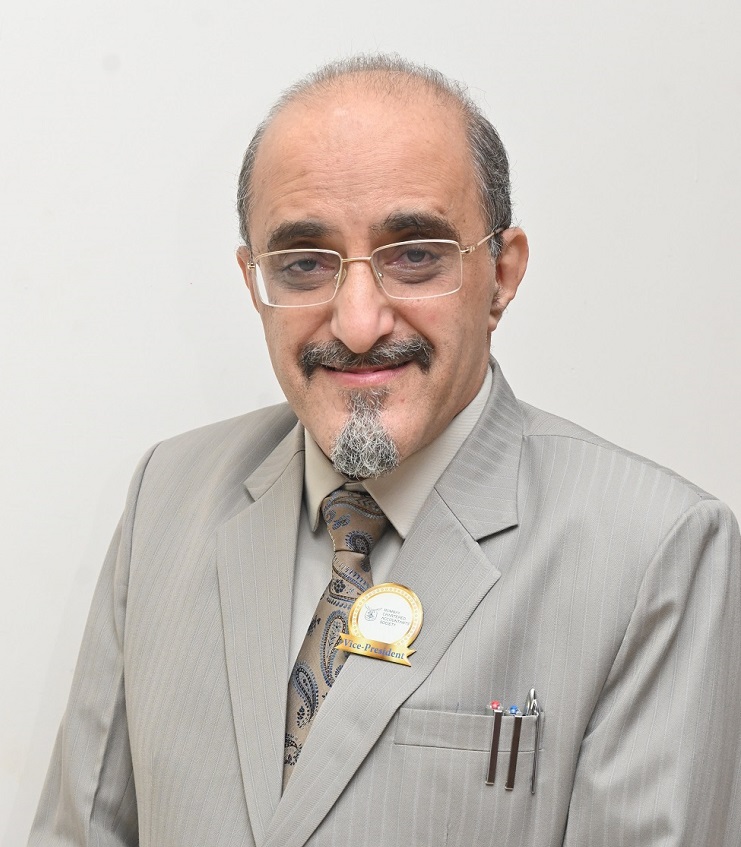
BCAS President CA Zubin Billimoria’s Message for the Month of January 2026
The new Labour Code 2019, representing one of the biggest labour reforms since independence, which consolidates 29 existing labour laws into 4 codes, Code on Wages, Industrial Relations Code, Code on Social Security and Occupational Safety, Health and Working Conditions Code, aims at simplifying compliance and enhancing worker and employee welfare and protection, and has been notified for implementation effective 21st November, 2025. This has prompted me to focus on the theme of wellness and work-life balance and their impact on professionals and institutions like us.
The terms wellness and work-life balance are often used interchangeably. Wellness is not just physical fitness but is much more holistic, encompassing mental, emotional, social and even financial well-being.
Impact on Professionals:
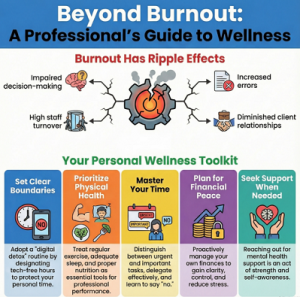
Our profession demands precision, rigour and stringent ethical standards, along with strong physical and mental health on an ongoing basis. Absence of the same could lead to chronic stress, burnout, diminished cognitive functioning, impaired decision-making, resulting in increased errors of judgement, thereby impacting the quality of our services to clients and other stakeholders. This has led to the adoption of sustainable practices in both our work and personal environments. A well-rested, mentally balanced professional is not only more productive, creative and collaborative, but also better equipped to navigate the complexities that define our professional role.
When professionals neglect their health and personal lives, the ripple effects touch families, teams and the broader organisational culture. When employees experience high burnout rates, the employers face increased attrition, diminished morale and reputational challenges—all of which impact service quality and client relationships.
As professionals, it is our individual as well as collective responsibility as employers to take mitigating steps to ensure that we promote wellness and work-life balance in the course of our professional duties and responsibilities.
Individual Responsibilities:
The journey toward wellness and work-life balance primarily requires personal commitment which entails taking the following steps, amongst others:
- Set clear boundaries: Technology has blurred the lines between office and home. The “post-pandemic” scenario of work from home has further blurred these lines. We must learn to adopt a digital detox routine by designating tech-free hours and ensuring quality personal time.
- Prioritise physical health: Regular exercise, adequate sleep and proper nutrition are not optional extras; they are professional tools that enhance performance. Even brief daily walks or stretching can make a measurable difference. The pandemic has also played a role in making us more health-conscious.
- Invest in relationships: The demands of our profession should not come at the cost of meaningful connections with family and friends. These relationships provide emotional sustenance and perspective that work alone cannot offer.
- Seek help when needed: Mental health struggles are not signs of weakness. Reaching out professionally to mitigate the same, whether through counselling, peer support, or therapy, should be regarded as an act of strength and self-awareness rather than shame and neglect.
- Meaningful time management: Not all tasks carry equal weight. We must learn to distinguish between urgent and important. We must learn to delegate effectively whilst maintaining control and resisting the temptation to micromanage. Efficiency is not about doing more; it is about doing what matters most. Another important mantra that I have always practised is to learn to say no. Practising these results in meaningful time management and makes for an effective leader without increasing your blood pressure!
- Financial Wellness- Planning for Peace of Mind: Ironically, as financial experts, we often spend more time managing clients’ wealth than our own. Financial wellness is not about having abundant wealth but having clarity, control, and confidence in one’s financial decisions. Whether it is retirement planning, risk management, budgeting, or investment discipline—peace of mind is a product of proactive planning. As professionals who are often the first responders in financial crises of others, we too must ensure that our financial foundations are sound and stress-free.
Collective Responsibility:
Wellness at workplaces is not just a personal goal but a shared responsibility. Firms, institutions, and professional bodies must lead by example by fostering respectful work cultures, discouraging toxic competitiveness and encouraging work-life balance. Leaders must set the tone at the top and support their teams. Policies framed must reflect compassion, not just compliance. Stakeholders are increasingly emphasising sustainable practices, which include wellness and work-life balance in their dealings. Finally, though the ICAI has also laid down guidelines regarding working hours for articled students since many small and medium sized firms rely on them, the ground realities reflect a different picture. It is our duty as responsible professionals to respect these guidelines both in letter and spirit to ensure healthy and balanced academic and professional growth for the younger generation who are our future.
BCAS’s Role:
As a responsible organisation, BCAS also resonates with what we as children have learnt in nursery rhymes that “All Work and No Play Makes Jack a Dull Boy”, by focusing on health and wellness apart from its focus on knowledge and education through various initiatives by the HR Committee. The recent CA THON and the forthcoming cricket tournament in early January 2026 are but a few of several such initiatives.
Sustainable Success vs. Being Busy:
To conclude, it would be appropriate to reflect on a profound quote by noted philosopher and author Henry David Thoreau in his book Life Without Principle where he emphasises about meaningful and sustainable work rather than being merely busy, both of which fit in with the philosophy of BCAS and its longevity and relevance over 77 years and many more to come!
“It is not enough to be busy; so are the ants. The question is: What are we busy about?”
I would like to end by wishing you all and your families a very happy and healthy 2026 and hope each one of you makes at least one “new-year resolution” of giving adequate attention to wellness and work-life balance in your daily lives!
A big thank you to one and all!