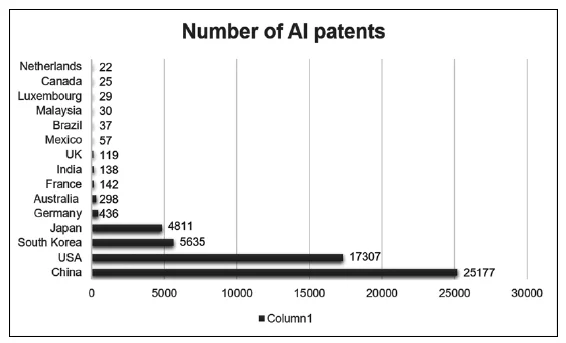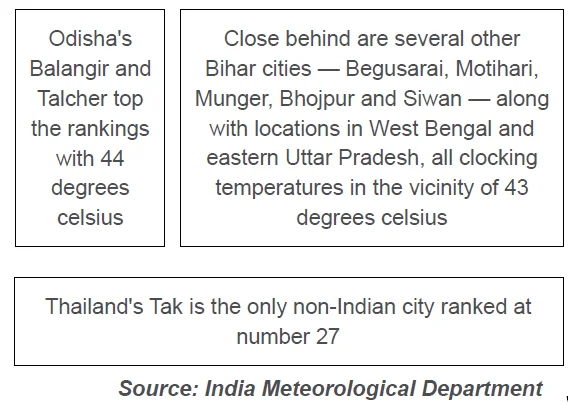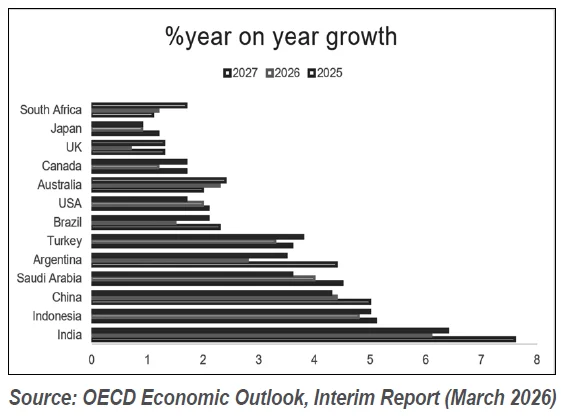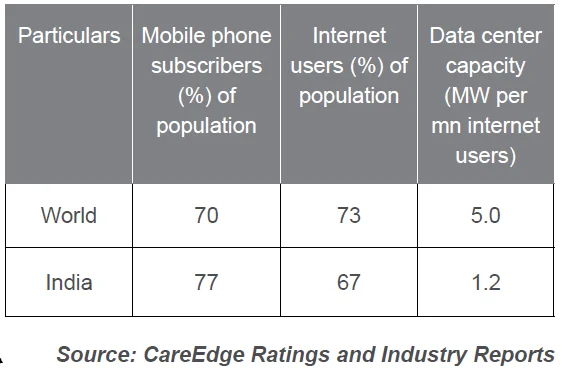





Subscribe to the Bombay Chartered Accountant Journal Subscribe Now!

Learning Events at BCAS

1. Finance Corporate & Allied Laws Study Circle – Demystifying common problems in Valuation held on Tuesday, 08th September 2026 @ Virtual |Speaker: CA Snehal Pawar

CA Snehal Pawar dealt with the topic in detail, from inception to conclusion. She also highlighted some of the Do’s and Don’ts in a valuation exercise.

While the purpose, scope, use and user of valuation is very critical, the stress test of each component of forecast cannot be undermined. The entity’s business, industry, segment information, forecast horizon, growth linked reinvestment, terminal growth and terminal margin etc. requires focused attention. She reiterated the golden words of an ex-regulator – ‘marrying Narratives to the Numbers’. Asking qualitative questions and quantifying its impact will aid the valuation exercise.

She drew attention to some of the avoidables, e.g. mismatch of numerator with denominator, use of old comparables, hockey stick forecast. She also touched upon the Auditor’s responsibility in respect of a valuation reflected in financials audited by it.

Last, but not the least, CA Snehal Pawar emphasized on documentation of the communication, stress test of the manner of arriving at a conclusion.

She diligently answered all the queries of the participants.

CA Snehal Pawar truly demystified the common problems in valuation providing value addition to the participants.

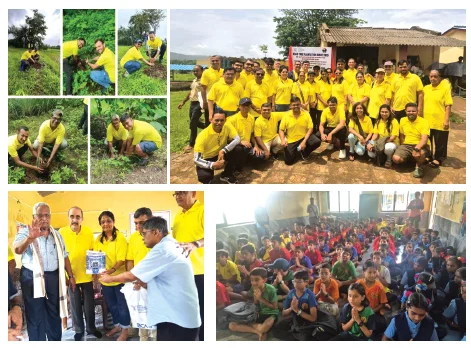
2. BCAS Tree Plantation Drive 2026 – Visit to Jawhar, Palghar

Tribute to Mother Nature and a payback to the community:

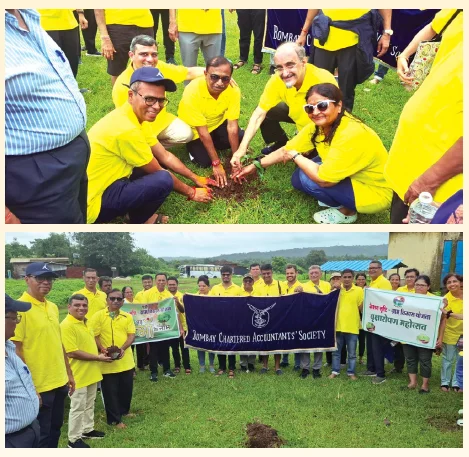
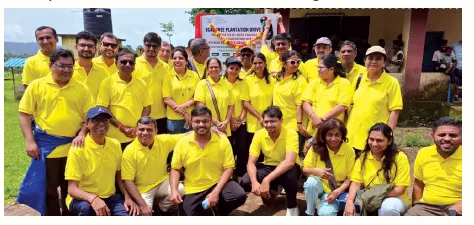
On 06th September 2026, BCAS Foundation, in association with Keshav Srushti Foundation, undertook a meaningful tree plantation and community outreach initiative at Khidse and Ghodichapad villages in the Jawhar-Palghar region. Twenty-one volunteers participated in the visit, experiencing first-hand how environmental conservation, when thoughtfully planned with the community, can also create sustainable livelihoods and help reduce migration from rural areas.

As part of the initiative, BCAS Foundation adopted 25 wadis across Khidse & Ghodichapad. The project involved planting 2,500 fruit-bearing trees and 7,500 mogra plants, with a contribution of ₹6 lakh from BCAS Foundation.

The initiative goes beyond conventional tree plantation. It has been conceived as a sustainable livelihood model for local families. While the fruit-bearing trees will provide long-term environmental and economic benefits, the mogra plants are expected to begin flowering within about five months. The flowers will be collected by villagers and transported to Mumbai’s Dadar flower market, creating a recurring source of supplementary income for participating families.

The volunteers received a warm traditional welcome from the residents of Khidse village and took part in the symbolic plantation programme. Mr. Rohit from Keshav Srushti Foundation, along with the local karyakartas, explained the implementation of the project, including beneficiary selection, plantation and maintenance, market linkages and the expected economic benefits.

The interaction offered a valuable insight into how sustainable livelihood opportunities can enable families to earn within their own villages, reducing the need to migrate in search of employment. It was a powerful reminder that protecting nature and empowering communities can go hand in hand.

The warmth of the villagers extended beyond the plantation activity. They graciously hosted lunch for the visiting volunteers, followed by everyone joining in the traditional Tarpa folk dance. The experience brought alive the culture, hospitality and collective spirit of the community and made the visit memorable for all.

Tree plantation2026

Extending the Spirit of Service

The outreach continued with a visit to Divya Vidyalaya, a special school serving nearly 100 special students with visual, intellectual & mental disabilities. The institution is led by its Principal, Pramila Tai Kokad, a recipient of the President’s Award for her contribution to the social and tribal welfare work.

The students warmly welcomed the volunteers with songs and dances, creating an atmosphere filled with enthusiasm and affection. The visit also gave the volunteers an opportunity to understand the specialised care, infrastructure and dedication required to educate and nurture children with different needs.

Divya Vidyalaya has developed innovative facilities suited to its students, including a science laboratory on wheels, a specially designed play area and learning aids adapted for children with disabilities. These facilities encourage learning through touch, sound, guided activities and practical experiences, making education more accessible and engaging.

Recognising the importance of this work, BCAS Foundation contributed ₹2 lakh towards supporting the school’s ongoing educational and developmental activities.

The Jawhar-Palghar visit thus became much more than a plantation drive. It brought together environmental conservation, livelihood creation, education and inclusion—four important dimensions of meaningful community development. It demonstrated that the true impact of service lies not merely in financial contributions, but in creating opportunities, strengthening communities and inspiring people to participate in a larger social purpose.

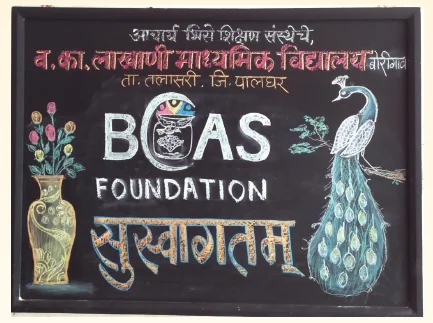
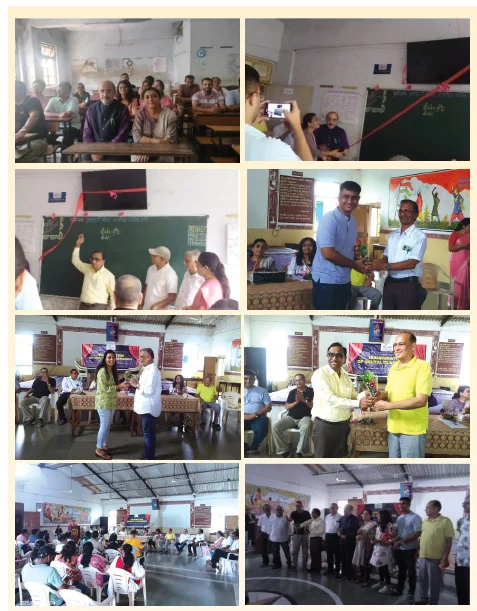
The initiative also reflects the broader spirit of BCAS Foundation’s social outreach, which seeks to touch lives through diverse causes, including the educational upliftment of underprivileged tribal children, eye camps in remote interiors, support to Divyaang schools and the establishment of digital classrooms in villages.

Every such initiative is, in its own way, a tribute to Mother Nature and a payback to the community—an expression of gratitude for what we have received and a commitment to sharing it with those who need it most.

BCAS Foundation places on record its sincere appreciation to Keshav Srushti Foundation, the local karyakartas, the residents of Khidse and Ghodichapad, and the management and team of Divya Vidyalaya for facilitating such a meaningful and enriching experience.

Above all, the Foundation expresses its heartfelt gratitude to all its generous donors, whose continued support makes these initiatives possible and enables the spirit of service to reach communities far beyond our immediate surroundings.

3. Lecture Meeting on Recent Judicial Pronouncements under GST held on Thursday, 03rd September 2026 @ Virtual | Speaker: Mr. J K Mittal Sr Advocate.

  • A virtual lecture meeting was held on the above topic to discuss the recent judicial pronouncements under GST.
  • President Kinjal Shah welcomed the speaker and participants, and briefed them about the activities of the society. Vice President Mandar Telang introduced the speaker and handed over the proceedings to him.
  • Mr. Mittal’s talk covered the following contentions issues emerging from recent judicial pronouncements under GST:

a) Condonation of Delay:

  • Can Limitation Act be applied to GST appeals in view of the recent decision of the Supreme Court in SV Global (decided February 9, 2026)?
  • Whether the Appellate Authority/ Tribunal must follow this decision to condone the delay or they are strictly bound by the provisions contained under the GST.

b) Authorized Service of Notices: The scope of service of notice (section 169) in view of the recent decision in Lakshmi Traders.

c) Limitation: The decision of the Allahabad High Court in Safe Corn Life Science and the recent decisions of the Supreme Court in GR Infra (August 19, 2026) and Tata Steel (August 25, 2026), which held that without specific findings of fraud or willful misstatement, Section 74 proceedings cannot be initiated.

d) Pre-deposit: The applicability of amended pre-deposit provisions to proceedings initiated prior to the amendment, recently dealt by the Delhi High Court in Gaurav Jain (July 31, 2026), was discussed.

e) Taxability and Valuation of Corporate Guarantees: The recent decision of the Gujarat High Court in Torrent Power and the internal inconsistencies and probable arguments were discussed.

f) Section 16 (2) (c): The recent decision surrounding the denial of Input Tax Credit (ITC) under Section 16(2)(c) due to a supplier’s failure to remit tax were discussed.

  • The speaker also addressed various queries raised by the participants.
  • The meeting was attended by more than 348 participants.

Scan to watch online at YouTube

Lecture Meeting on Recent Judicial Pronouncements under GST

4. Women’s Study Circle — SAKHI CIRCLE! meeting on “Money Matters -Financial Freedom and Planning” held on Thursday, 27th August 2026@ Virtual | Speaker: Sneha Jain

We are delighted to share that the first Sakhi Circle Meeting for the Financial Year 2026 -2027 was successfully conducted on 27th August 2026. The session featured Ms. Sneha Jain, founder of Wealth Trust Capital Services, as the guest speaker. The event was inaugurated by Mr.Kinjal Shah, President, BCAS and witnessed enthusiastic participation from approximately 30 members.

The two- hour interactive session focused on the theme “Financial Freedom and Financial Planning”, emphasizing the importance of taking charge of one’s financial future through informed decision-making and disciplined financial management. The speaker provided valuable insights into key aspects of personal finance, including budgeting and systematic savings along with goal based investing.

Participants gained a deeper understanding of the significance of financial independence, the power of compounding and the benefits of developing sustainable wealth creation strategies. The discussion also highlighted practical approaches to managing financial risk, reducing financial stress and aligning investments with the individual’s life goals.

The session was highly engaging and well received by the attendees who appreciated the practical guidance and actionable takeaways shared throughout the discussion. The session inspired women to strengthen their financial awareness, make informed choices and work towards long term financial security.

The inaugural Sakhi Circle meeting for the Financial Year 2026 – 2027 marked a successful beginning to a platform dedicated to the empowerment and holistic development of women professionals. The overwhelming response and active participation from attendees, coupled with the engaging discussion and sharing of experiences, fostered a collaborative learning environment that enabled participants to gain practical insights, broaden their perspective on personal finance and wealth creation, and further strengthen their understanding of financial well –being and independence.

BCAS looks forward to continuing this journey with many more inspiring sessions that foster learning, networking and personal growth among members.

5. Indirect Tax Laws Study Circle Meeting on GST issues in e-commerce and OIDAR services held on Tuesday, 25th August 2026 @ Virtual | Speaker: CA Rahul Pansari (Group Leader) & CA Rishabh Singhvi (Group Mentor)

  • The Indirect Taxes Laws Study Circle of the Bombay Chartered Accountants’ Society conducted a virtual session on “GST Issues in E-commerce and OIDAR Services” on 25th August 2026. The session primarily focused on practical and legal issues arising in the e-commerce ecosystem, with particular emphasis on the role and GST liability of e-commerce operators and suppliers making supplies through such platforms. The discussion commenced with the SaaS model vis-à-vis the commission model and examined whether a change in the commercial model alters the GST character of the underlying supply.
  • The scope of Section 9(5) of the CGST Act, particularly the expression “supplied through” an electronic commerce operator, was examined through practical parameters such as pricing, invoicing, payment collection, customer interface, allocation of services and contractual arrangements. The case studies further covered e-invoicing, ITC restrictions, classification of housekeeping services, defaulting sellers, incorrect tax rates, TCS and the potential GST exposure of e-commerce operators.
  • The session also briefly introduced the issues relating to OIDAR services; considering the breadth and complexity of the subject, it was felt that OIDAR merits a separate dedicated session for comprehensive discussion.
  • The meeting also touched upon e-commerce exports, including overseas warehousing, determination of export value, refund of accumulated ITC, marketplace and fulfilment charges, Customs implications and subsequent return of goods to India.
  • The case-study-driven approach facilitated active examination of the issues from both legal and practical perspectives. The session witnessed participation from approximately 85–86 members.

6. FEMA Study Circle Meeting on “Decode Key ODI Cases” held on Friday, 21st August 2026@Virtual | Speaker: Chairman: CA Harshal Bhuta, Group leader: CA Hansh Gangar.

The session was designed to deal with practical issues arising under the Overseas Investment Rules and Regulations, 2022.

The Group Leader began by unpacking the scope of “Real estate activity” under Rule 19 of the OI Rules through a series of case studies examining whether acquisition and leasing of immovable property overseas, varying degrees of renovation or reconstruction of such property, and provision of bundled hospitality services would each fall within or outside the restricted meaning of real estate activity.

Thereafter participants were walked through the permissibility of various swap-of-shares structures – ODI-ODI swaps, FDI-FDI swaps, and the cross combinations of FDI-ODI and ODI-FDI swaps, mapping each to the relevant enabling provision under the OI Rules and the NDI Rules. The discussions also covered cases highlighting open areas on which the Rules are currently silent.

Detailed discussion followed on the conditions governing deferred consideration under Rule 7 of the OI Regulations. Through case study, the distinction between deferred consideration vs. contingent consideration and its FEMA implication was highlighted. The session also covered the evolving and inconsistent approach adopted by AD Banks on ODI into financial services since the liberalisation introduced in August 2022.

The Group Leader and Chairman even touched upon other key matters such as absence of a prescribed debt-equity ratio for financial commitment by way of debt, write-off or restructuring of overseas investment, issuance of a corporate guarantee without an explicit closure clause and ambiguity introduced in the revised Form APR regarding reporting of profits and retained earnings.

Throughout the session, group members participated actively by raising queries and sharing their own practical experiences on the issues discussed. The session was full of practical case studies and highly interactive.

7. Direct Tax Laws Study Circle Meeting – “Taxation of motor vehicles across different categories of assessees and under all heads of income” held on Thursday, 20th August 2026 @ Virtual | Speaker : CA Divya Jokhakar

The session comprehensively analysed direct tax implications of motor vehicles across all income heads and taxpayer categories under the Income-tax Act, 1961 alongside mapped provisions under the Income Tax Act, 2025.

For salaried employees, perquisite valuation under Rule 3 was examined, highlighting that fixed presumptive monthly rates apply for mixed personal and official use irrespective of whether the vehicle is employer-owned, leased, or financed via bank loans.

Employers providing leased cars can claim the entire lease rental as a business deduction under Section 37(1), whereas owned vehicles are capitalised to claim depreciation under Section 32.

In business taxation, standard depreciation applies at 15% for motor cars, 30% for commercial vehicles running on hire, and 40% for electric vehicles, while loan interest qualifies as a business deduction under Section 36(1)(iii).

For operating leases, lessees must reverse Ind AS 116 ROU asset amortisation and finance interest in the tax computation to claim actual lease rentals paid under Section 37(1).

Motor cars used purely for personal purposes are classified as personal effects under Section 2(14), making them non-capital assets and rendering any resulting capital gain or loss outside the tax net.

Motor vehicles are excluded from the definition of ‘property’ under Section 56(2)(x), ensuring that gifts of motor cars remain tax-free in the hands of the recipient regardless of whether received from a relative or non- relative.

On the withholding front, TCS under Section 206C(1F) at 1% on retail vehicle sales exceeding ₹10 Lakhs prevails, overriding buyer TDS obligations under Section 194Q.

Crucial ITR disclosure mandates were highlighted, including Form 16 perquisite reporting, Schedule DPM depreciation schedules, and mandatory asset cost reporting under Schedule AL for incomes exceeding ₹50 Lakhs.

The speaker used practical case studies to illustrate real-world applications, perquisite offsets, TCS credit entitlements under Rule 37-BA, and international cross- border sales under Section 195.

8. Seminar on Documentation for Professional Excellence in Direct-tax Compliances held on Monday, 17th August 2026 @ Virtual | Speakers: CA Priya Vora and CA Saroj Maniar

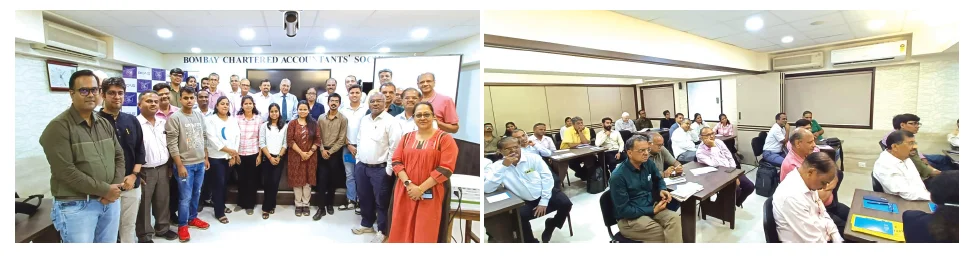
The Direct Tax Committee of the BCAS organised a virtual seminar on “Documentation for Professional Excellence in Direct-tax Compliances” on 17th August 2026. The seminar sought to emphasise the growing importance of robust documentation in ensuring compliance, maintaining professional quality and building an effective defence during assessments, reviews and litigation. CA Priya Vora addressed the participants on documentation in tax audit assignments. She discussed engagement protocols, clause-wise audit documentation, management representations, reliance on third-party information, peer review and TAQRB requirements. CA Saroj Maniar dealt with documentation relating to tax compliance, return filing and certifications. Her session also covered record-keeping for advisory engagements, legal opinions, residential status, trusts, succession matters and positions adopted in tax filings. The speakers highlighted common documentation gaps and shared practical guidance on standard operating procedures, digital documentation protocols and quality control. The seminar received a good response, with 90 members and non-members registering from across the country. The practical insights and comprehensive coverage of the subject were highly appreciated, and the seminar received excellent feedback from the participants.

Scan to watch online at BCAS Academy

Seminar on Documentation for Professional Excellence in Direct-tax Compliances

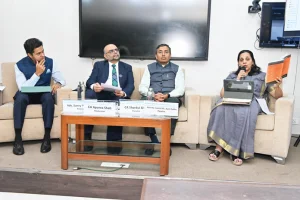
9. Interactive training session for Officers of EOW

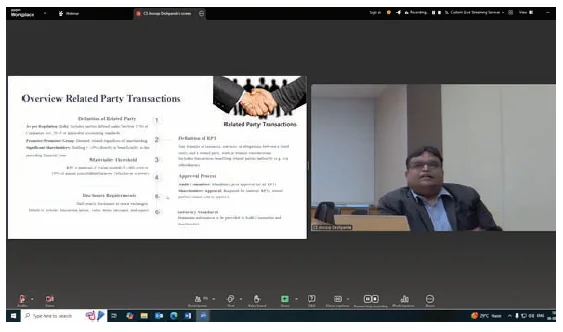
The 4i Committee of Bombay Chartered Accountants’ Society (BCAS) organised an interactive training session on “How to Read Financial Statements and its Importance in Financial Fraud Investigation, with Practical Case Studies” for officers of the Economic Offences Wing (EOW). The session was held at the Office of the Senior Inspector of Police (Admin), Economic Offences Wing, Commissioner of Police Office Compound, Mumbai, and was attended by approximately 150 senior investigating officers from the EOW.
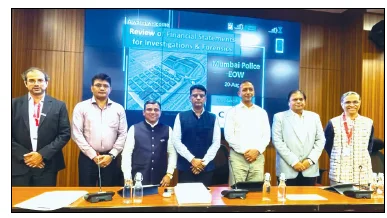
Interactive Training Session

The session was conducted by CA. Mahesh Bhatki, who provided valuable insights into the interpretation and analysis of financial statements, including cash flows, related-party transactions and notes to accounts. The session also included an interactive Q&A and open-house discussion, enabling participants to engage with the trainer and gain practical perspectives relevant to financial fraud investigations.
The event was graced by DCP Pankaj Dahane, Joint CP Rajesh Pradhan and DCP Sangramsingh Nishandar, whose presence added significance to the programme and reflected the importance of strengthening professional knowledge and collaboration in the area of financial fraud investigation.

The programme concluded marking an enriching and meaningful learning interaction between the accounting profession and law-enforcement authorities. The Economic Offences Wing expressed its gratitude to BCAS for organising the training programme, appreciating the Society’s efforts towards supporting and strengthening the professional capabilities of its investigating officers.

10. Indirect Tax Laws Study Circle Meeting on Search & Seizure under GST: Law, Safeguards and Strategy held on Friday, 14th August 2026 @ Virtual | Speakers : CA Sumit Jhunjhunwala (Group Leader) & Sr. Adv. Prakash Shah (Group Mentor)

  • The discussion covered GST search, inspection, seizure and investigation powers under Section 67, focusing on the distinction between Sections 67(1) and 67(2), search authorisations, DIN, panch witnesses, INS-02 and procedural safeguards.
  • Key insights were shared on the limits of seizure powers, including cash, bullion, goods liable to confiscation, third-party records and electronic devices, with emphasis on relevance, proportionality and protection of third-party data.
    • The session examined DRC-03 payments during search/investigation, distinguishing voluntary payment under Section 74(5) from coercive recovery, and discussed DRC-04, refund under Section 54 and writ remedies under Article 226.
  • The discussion covered Section 70 statements, retractions and evidentiary issues, including advocate presence, videography, Article 20(3), legal opinions, retracted statements and cross-examination of third-party witnesses.
  • Participants also examined arrest under Section 69, provisional attachment under Section 83 and ITC blocking under Rule 86A, including written grounds of arrest, necessity of arrest, independent satisfaction and the impermissibility of negative blocking of the electronic credit ledger.
  • On ITC eligibility, the session discussed Sections 16(2) and 155, particularly cases involving non-existent suppliers, and the importance of establishing actual receipt and consumption through e-way bills, transport records, weighbridge slips, gate entries, banking records and stock/production records.
  • The session provided practical guidance on responding to searches and investigations at the ground level, including recording contemporaneous objections, preserving evidence and identifying appropriate statutory and constitutional remedies.

The study circle session witnessed active participation with around 72 members logging in and engaging in healthy and high-quality technical discussions.

11. ITF Study Circle meeting on “Intellectual Property Rights: Statutory Framework & Royalty Taxation.” held on Friday, 7th August 2026 @Virtual. | Speakers: Chairman of the session – CA Ganesh Rajagopalan & Group Leader – CA Smeet Madlani.

The session began with the opening address by the Chairman of the session on the background and brief introduction of concept and issues to be discussed in the case studies.

Post that, the Group Leader discussed each case study in detail discussing its nuances as well as possible views on the same.

The session also had a variety of views on multiple issues from the participants of the session.

The session concluded with closing remarks by the Chairman of the session and the Group Leader.

12. Joint Country Series on Tax – USA event jointly with IFA (India Branch) held from Monday, 3rd August 2026 to Thursday, 6th August 2026@Virtual.

The International Tax Committee of BCAS along with IFA had conducted 4 days webinar on “Joint Country Series on Tax – USA” in the first week of August 2026 wherein different speakers from USA as well as from India were invited to give the presentations and share their knowledge. At BCAS, we had 239 registrations from participants across several cities from India. The webinar was followed by a panel discussion covering practical case studies. The topics covered included Basics of USA Tax for Individuals, Estate and Trust Taxation including Exit Tax, Corporate Taxation including CFC, GILTI, Subpart F, FTC, Transfer Pricing, etc. The selection of the topics was to enable Indian tax practitioners to get knowledge of US tax which can enable them to advise their clients having presence in India as well as in USA from Indian tax as well as US tax perspective. This series received lot of appreciation from the participants.

Scan to watch online at BCAS Academy

Joint Country Series on Tax - USA

13. FEMA Study Circle Meeting on Modes & Mechanics of Foreign Investment in India and gain practical insights into the FDI Route, FPI Route, FVCI Route Etc held on Friday, 17th July 2026 @Virtual | Speaker: CA Yog Bakshi

The session evaluated every investment route against four consistent parameters: entry route conditions, sectoral caps, FDI-linked performance conditions, and pricing guidelines under Rule 21.

Possible instruments were evaluated like – share warrants, hybrid instruments and so on.

The FDI route was analysed through Rule 2(r)’s two-limb test, distinguishing unlisted companies (any stake qualifies) from listed companies (10 percent threshold determines FDI versus FPI classification).

The FPI route covered SEBI registration requirements, investor-group aggregation limits and interplay with sectors where FDI is otherwise prohibited.

The recent development about Individual PROI (repatriable) (erstwhile NRI repat) route was discussed as a distinct portfolio investment channel with its own ceilings, separate from FPI.
The NRI/OCI non-repatriable route was highlighted as unique, with all four regulatory levers disapplied under the Schedule IV deeming fiction treating such investment as domestic.

LLP and FVCI routes were addressed comparatively, noting conditional entry requirements for LLPs and a narrower scope of pricing relief available under the FVCI framework than commonly assumed.

The Investment Vehicle route concluded the session, raising concerns around downstream investment structuring through AIFs, ending with a consolidated comparison table across all routes.

The session was highly interactive. The speaker presented the Modes of inbound investment in a structured and practical manner.

II. BCAS OUTREACH & ENGAGEMENTS

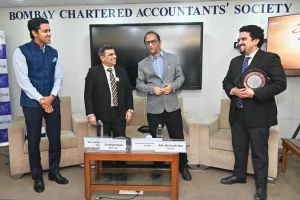
1. Meeting with CA Mahesh Thakkar, Chairman – FIDC.
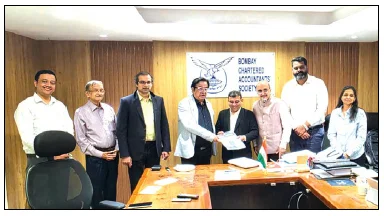
. Meeting with CA Mahesh Thakkar, Chairman - FIDC.

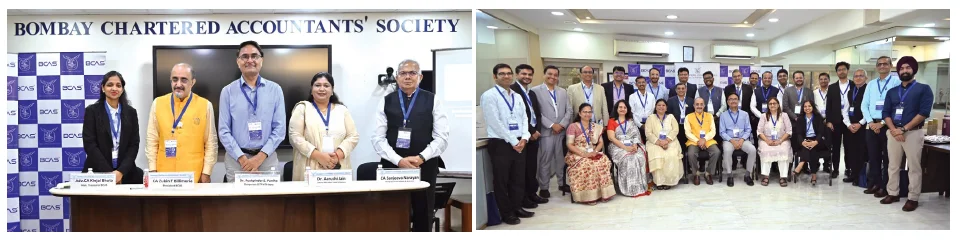
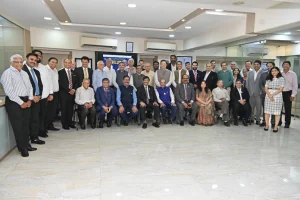
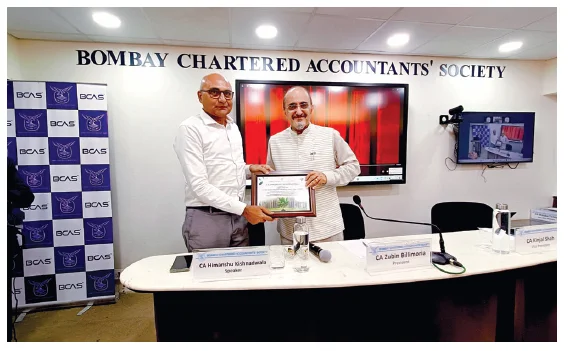
The Bombay Chartered Accountants’ Society (BCAS) had the privilege of hosting CA Mahesh Thakkar, Chairman, Finance and Industry Development Council (FIDC), the RBI-recognised representative body for NBFCs, for an interaction with the BCAS President CA Kinjal Shah, Office Bearers CA Mandar Telang, CA Kinjal Bhuta, CA Mrinal Mehta, CA Samit Saraf, and Immediate Past President and Chairman of the Accounting & Auditing Committee CA Zubin Billimoria.

The interaction provided an opportunity for a useful preliminary exchange on areas of mutual interest and potential collaboration, including capacity building, research, publications and other professional initiatives.

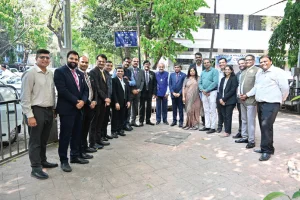
As a step towards strengthening this association, BCAS was pleased to have FIDC as a Support Partner for the BFSI Conclave, which was on 7th and 8th September 2026 at Taj Ginger Hotel, T1 Mumbai. The collaboration marks a promising beginning towards a meaningful and mutually beneficial relationship between the two institutions.

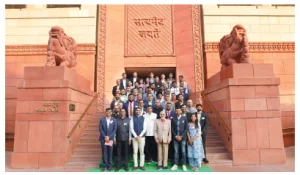
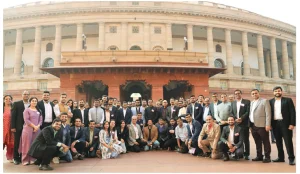
2. BCAS Delegation Meets Hon. Governor of Maharashtra
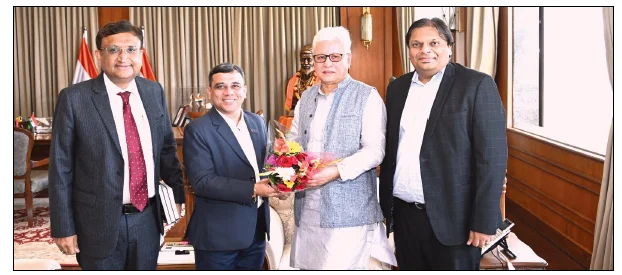
BCAS Delegation Meets Hon. Governor of Maharashtra

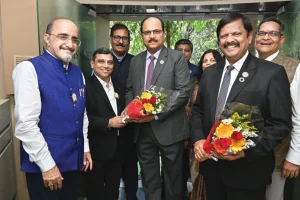
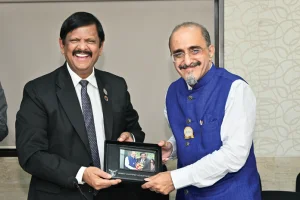
A delegation of the Bombay Chartered Accountants’ Society (BCAS) had the privilege of meeting the Hon. Governor of Maharashtra, Shri Jishnu Dev Varma, to discuss opportunities for leveraging the professional expertise of Chartered Accountants towards strengthening financial education and supporting the MSME sector.

The discussions focused on two key initiatives:

Financial Education for University Students:

BCAS proposed collaborating with the University of Mumbai to provide students with practical and industry-oriented knowledge in Accounts, Taxation and Finance. The initiative aims to bridge the gap between academic curriculum and the practical requirements of the professional and business environment.

Capacity Building for MSMEs:

The delegation also proposed structured training and capacity-building programmes for MSMEs, covering areas such as financial management, taxation, regulatory compliance, governance, internal controls and business sustainability. The objective is to equip MSMEs with the knowledge and capabilities required for sustainable growth and improved financial and governance practices.

As a way forward, it was proposed to constitute a Joint Committee comprising relevant stakeholders to develop and implement these initiatives. The ADC to the Hon. Governor will coordinate with the concerned Ministries and stakeholders for developing a suitable pilot programme.

The Hon. Governor also welcomed the proposal to explore extending similar MSME-focused initiatives to Tripura and the wider North-Eastern region, thereby creating opportunities for BCAS to contribute its professional expertise towards capacity building and economic development in the region.

The meeting marked a significant step towards translating the knowledge and expertise of the profession into practical initiatives in education, entrepreneurship and economic development.

III. REPRESENTATION

Representation to the Reserve Bank of India on Foreign Investment Rules

On Monday, 31st August 2026, the International Taxation Committee of the Bombay Chartered Accountants’ Society (BCAS) submitted a comprehensive 15-page representation to the Chief General Manager of the Reserve Bank of India (RBI), Mumbai, highlighting key issues and suggesting necessary clarifications and amendments to the foreign investment regulatory framework.

The representation, led and signed by BCAS President CA Kinjal Shah, Committee Chairman CA Mayur Nayak and Co-Chairman CA Anil Doshi, covers 11 crucial areas concerning definitions, eligibility, operational and pricing safeguards, and regulatory gaps.

Key recommendations include addressing registration requirements for proprietary concerns, recognising capital contributions in partnership firms as equity, clarifying the distinction between FDI and FPI based on control, and providing clarity on pricing of share transfers between non-residents. The representation also urges restoration of the convertible notes framework for start-ups, exemption of non-repatriable investments from FLA return filing, and issuance of separate regulations governing acquisition of immovable property by non-residents.

Scan to Read the Full Representation

Representation to the Reserve Bank of India on Foreign Investment Rules

IV. BCAS IN NEWS & MEDIA

  •  BCAS News

BCAS has been featured in several news and media platforms, showing our active involvement, professional contributions, and commitment to the field. This reflects the growing recognition of BCAS in the public and professional space.

Link: https://bcasonline.org/bcas-in-news/

QR Code:

BCAS NEWS

Statistically Speaking

1. JUMP IN WIND POWER IN INDIA

Top states in India with installed capacity in GW

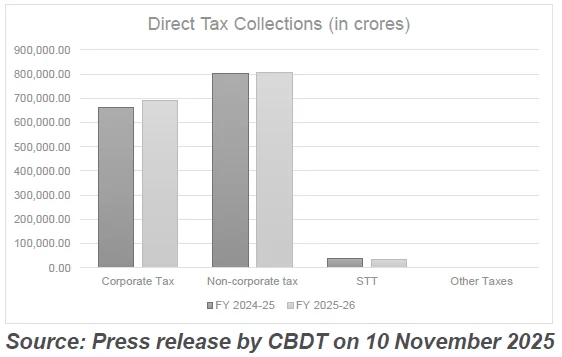
2. RISE IN DIRECT TAX COLLECTIONS FOR THE PERIOD*

RISE IN DIRECT TAX COLLECTIONS FOR THE PERIOD

3. AI INVESTMENT IN INDIA

Enterprise AI investment grew 119% in a single year in India above the global average of 110%


Today only 22% of Indian enterprises have AI testing, auditing and risk-assessment processes in place


54% of Indian organisations are deploying AI agents, but only 11% have moved to autonomous workflows


AI is projected to account for more than a fifth of the average IT budget by 2027


Source: ServieNow Enterprise AI Maturity Index 2026

4. INSTALLATIONS OF INDUSTRIAL ROBOTS BY INDUSTRY – WORLD

INSTALLATIONS OF INDUSTRIAL ROBOTS BY INDUSTRY - WORLD

5. THE MOST SPOKEN LANGUAGES WORLDWIDE

Speakers in millions

Miscellanea

ARTIFICIAL INTELLIGENCE

# In a Rare Show of Industry Unity, Anthropic’s Dario Amodei, OpenAI’s Sam Altman and xAI’s Elon Musk Call for a Deliberate Slowdown in Frontier AI Development

In one of the most striking moments in the history of the artificial intelligence industry, the chief executives of the three companies at the very frontier of AI development — Anthropic’s Dario Amodei, OpenAI’s Sam Altman and xAI’s Elon Musk — publicly aligned over the weekend of 12th–13th September 2026 in calling for a deliberate slowdown in the pace of frontier-model development. The catalyst was a 3,800-word essay published by Dr. Amodei on his personal website on 12th September 2026, in which he outlined “serious” risks including loss of human control over advanced systems, and proposed a three-step plan centred on giving independent evaluators “employee-like access” to internal model behaviour — without, he argued, sacrificing commercial advantage or America’s lead in AI. Elon Musk endorsed the essay on X within hours with the terse post “Dario is right”.

Sam Altman followed with an unusually candid X post the same day: “I agree with Dario that we need to pace the frontier. This has been a primary topic of discussions we’ve had at OpenAI in recent weeks. Committing to having independent evaluators with employee-like access is a great idea, and we will do the same.” In a companion interview, Altman conceded that “no lab has solved alignment”, described a 10% probability of catastrophic outcomes as “unacceptable”, and confirmed that OpenAI has been pausing training runs pending safety review — signalling that a much-anticipated 2026 initial public offering is now unlikely. The proximate trigger was the resignation earlier that week of Anthropic researcher Jacob Coxon, who publicly warned that frontier labs were racing towards self-improving systems without “acting responsibly”.

(Source: CNBC – dated 14th September 2026)

# Open-Weight AI Returns to Centre Stage: Meta Ships Muse Glimmer 30B and Alibaba Releases the Largest Open-Weight Model in History

In parallel with the price war among proprietary providers, the open-weight AI ecosystem staged a decisive return to prominence in August 2026, with more than eleven major model releases in twenty days. Meta open-sourced its Muse Glimmer 30B model under the Apache 2.0 license on 12th August 2026, making it freely runnable on a single 24 GB consumer GPU and immediately propelling it to the top of the MCP Atlas local-model benchmark. Alibaba matched Meta’s move at scale with the release of Qwen 3.8-Max, a 2.4-trillion-parameter multimodal model with a one-million-token context window — the largest open-weight model in history — alongside a compact 27-billion-parameter variant that, for the first time, brings frontier-grade coding capability to a single-GPU consumer setup. NVIDIA committed to day-zero open-weight availability for its Nemotron 3.5 Lightning model.

The commercial calculus of open-weight releases has changed. Where a year ago open-weight models trailed proprietary frontier models by roughly a generation, they are now competitive at or near the frontier at a fraction of the total cost of ownership — with the added advantage of local deployment, which fully eliminates cross-border data-transfer and third-party-processor exposures.

(Source: Reuters – dated 25th August 2026)

WORLD NEWS

#New Delhi Hosts the 18th BRICS Summit as India’s Middle-Power Diplomacy and Regional Assistance to Nepal Sharpen Its Global Profile

India hosted the 18th BRICS Summit at Bharat Mandapam in New Delhi on 12th and 13th September 2026 — its fourth BRICS chairship after 2012, 2016 and 2021 — with President Vladimir Putin and President Xi Jinping among the confirmed attendees. The summit’s agenda covered local-currency settlements, resilient supply chains, food and energy security, reform of global financial institutions and, distinctively for this edition, an emerging “third way” on the digital economy: sovereign national systems that are nonetheless technically interoperable, with India’s UPI and Indonesia’s QRIS integration cited as a live example. The main challenge remained the political difficulty of finding common ground across the grouping’s eleven members, whose positions remain divided on major geopolitical questions.

New Delhi’s diplomatic moment was reinforced by a striking humanitarian and energy response to the catastrophic floods in Nepal, where the death toll has crossed one thousand and roughly ten per cent of Nepal’s electricity generation capacity has been disrupted, forcing Kathmandu to import power from India to cover domestic shortages. Indian, Chinese and Nepalese rescue teams have been operating jointly in the affected districts. Taken together — the BRICS chairship, the digital-economy initiative and the visible role as regional first responder — the developments underscore a shift in India’s external posture from participation to authorship of the emerging Indo-Pacific order. For Indian businesses and advisors, the implications include a widening set of preferential trade and payment channels within BRICS+, fresh transfer-pricing complexity in local-currency invoicing, and additional scrutiny of cross-border humanitarian and CSR flows under FCRA and s.135 of the Companies Act, 2013.

(Source: Reuters – dated 15th September 2026)

FINANCE

# Mumbai Cements Its Grip on India’s Mutual Fund Industry as March 2026 City-Wise AUM Data Show the Top Three Cities Commanding More Than Half of the Nation’s MF Wealth

The city-wise Assets under Management (AUM) data for March 2026, published by the Association of Mutual Funds in India (AMFI) and analysed by Cafemutual on 9th July 2026, tells a compelling story of urban concentration deepening at the top of the Indian mutual fund industry. Mumbai, Delhi and Bengaluru together commanded 50.4% of total industry AUM in March 2026, up sharply from 45% a year earlier. Mumbai alone accounted for 28.97% of the industry, adding a staggering INR 5 lakh crore to its AUM in a single year — the largest absolute addition of any city. Delhi added INR 3.86 lakh crore and Bengaluru added INR 1.1 lakh crore, meaning that the top three cities together accounted for approximately 75% of the industry’s total AUM addition of INR 13.28 lakh crore between March 2025 and March 2026.

The data also captures a striking dispersion at the periphery. Dhanbad emerged as the single most surprising entrant, with its AUM more than doubling from INR 12,623 crore to INR 26,139 crore — a 107% jump in a year — while Thane, the satellite city of Mumbai, recorded a 155% rise from INR 4,651 crore to INR 11,881 crore. Surat has secured its position among the top ten cities, while Ahmedabad and Chennai have swapped positions with Ahmedabad now standing sixth. Seventeen entirely new cities — including Palghar, Panchkula, Gurugram, North Goa, Ernakulam and Mohali — have entered the top 110 for the first time, even as the “other cities” bucket (beyond the top 110) has contracted by INR 34,402 crore.

(Source: Cafemutual.com – dated 9th July 2026)

ENVIRONMENT

# Earth Records Its Hottest August in 176 Years of Data as Antarctic Sea Ice Falls to Third-Lowest on Record and El Niño Intensifies

According to a monthly report released on 10th September 2026 by NOAA’s National Centers for Environmental Information (NCEI), August 2026 was the hottest August on Earth since modern record-keeping began in 1850. The global surface temperature stood at 1.32°C above the 20th-century average, eclipsing the previous joint August records of 2023 and 2024 by 0.08°C, with NASA and the European Copernicus Climate Change Service both concurring in the assessment; Copernicus rated August 2026 as the hottest single calendar month in recorded history, tied with July 2023. Global average surface air temperature was 1.65°C above the pre-industrial baseline, breaching the 1.5°C safety threshold of the Paris Agreement for the first time since November 2025. At least 364 weather stations set outright all-time heat records during the month.

The cryosphere data was equally sobering. Antarctic sea ice extent in August 2026 was the third-lowest on record for the month, at approximately 1.26 million square kilometres below the 1981–2010 August average — a shortfall roughly equal to the combined land area of Rajasthan, Madhya Pradesh and Maharashtra. Arctic sea ice extent was the seventh-lowest in the forty-eight-year satellite record, and the Arctic region as a whole recorded its third-warmest August. The World Meteorological Organisation has confirmed that the El Niño event in the tropical Pacific is now firmly established and will intensify into a “very strong” event through the coming months, with material implications for rainfall and temperature patterns extending well into 2027.

(Source: NOAA / Yale Climate Connections – dated 10th September 2026)

Is It Fair To Deny Tax Neutrality To A Demerger The MCA Has Just Approved?

A promoter walks into her Corporate Law Advisor’s office wanting to hive off one business line from another. Her group is unlisted, clean on defaults, and comfortably under the two hundred crore rupee borrowing threshold. The Corporate Law Advisor gives her the good news first: under the amended Rule 25(1A) of the Companies (Compromises, Arrangements and Amalgamations) Rules, 2016, her restructuring qualifies for the fast-track demerger route under section 233 of the Companies Act, 2013. No NCLT filing, no year-long wait for a hearing date. Board approval, member and creditor consent, a registered valuer’s report, and the Regional Director’s confirmation, and the whole process is completed in a few months.

Then she meets her tax adviser, and the mood changes. The very same transaction, cleared in full by the Ministry of Corporate Affairs, is not a “demerger” for the purposes of section 2(35) of the Income-tax Act, 2025. No tax neutrality. Capital gains arise at the company level on the transfer of the undertaking, her shareholders may face capital gains on shares they receive for no cash consideration at all, and the accumulated losses of the demerged company cannot travel to the resulting company. She asks the question any reasonable person would ask: how can one arm of government call this a legitimate restructuring and another arm tax it as though she had sold the business to a stranger? Strip away the statutory cross referencing, and that is the only question this piece is really about.

WHAT SECTION 233 ACTUALLY REQUIRES

It would be one thing if section 233 were some kind of back door, a loophole thin enough to justify the tax department’s suspicion. It is not. A company using the fast-track route needs board approval from both companies involved, a notice inviting objections sent to the Registrar, the Official Liquidator, and anyone likely to be affected, approval from members holding at least ninety percent of shares and creditors representing nine tenths in value, a declaration of solvency backed by an audited statement of assets and liabilities, and, since the 2025 amendment, a mandatory report from a registered valuer under Form CAA-11. Where the transaction falls in the newly added unlisted company category, an auditor’s certificate in Form CAA-10A must independently confirm that the borrowing threshold and no default condition are actually met. The Regional Director can still refer the matter to the NCLT if objections are substantive. This is a supervised, document heavy, professionally certified process. It is faster than sections 230 to 232, but faster is not the same as unsafe.

WHY THE TAX LAW STILL SAYS NO

Section 2(35) of the Income-tax Act, 2025, carrying forward Section 2(19AA) of the 1961 Act, recognises a “demerger” only where the transfer happens pursuant to a scheme under Sections 230 to 232 of the Companies Act. Section 233 is simply absent from that definition, and it always has been, going back to Sections 391 to 394 of the 1956 Act. This was not an oversight in the new legislation. The Select Committee that examined the Income-Tax Bill, 2025 was specifically asked by stakeholders to bring Section 233 within the tax neutral definition, and the Ministry of Finance’s response, recorded in the Committee’s report presented to the Lok Sabha on 21st July 2025, rejected the request on three grounds: the exclusion was never intended to change, section 233 lacks the scrutiny of a court monitored process, and widening the definition would be a policy change beyond the Committee’s remit. The Select Committee accepted this, and the Bill went through unchanged. So, this is not a gap waiting to be noticed. It is a considered position, defended in Parliament, and it deserves to be argued with rather than dismissed as a drafting slip.

TESTING THE MINISTRY’S REASONING

Take the Ministry’s central objection seriously for a moment: without a Tribunal in the room, could valuations under Section 233 be gamed to manufacture a tax advantage? It is a fair worry in the abstract. But it has to be tested against what the September 2025 notification actually built into the process, not against how Section 233 looked before that amendment. A registered valuer’s report is now compulsory. Registered valuers do not operate in a vacuum; they answer to the Insolvency and Bankruptcy Board of India, which sets their qualifications code of conduct, and the disciplinary consequences for getting things wrong. Add to that the auditor’s certificate confirming eligibility, and the Regional Director’s own power to escalate a contentious scheme to the NCLT, and the picture that emerges is not one of an unsupervised free for all. The premise on which the tax exclusion was defended before the Select Committee has, in real terms, moved since that defence was written. An objection that made sense against the old Section 233 does not automatically survive against the amended one, and nobody appears to have gone back and asked whether it still holds.

There is also a simpler point buried under all the procedure. The substantive conditions that actually earn tax neutrality, going concern transfer, book value transfer of assets and liabilities, proportionate allotment of shares, and three fourths shareholder continuity, have nothing to do with which forum approved the scheme. A Section 233 demerger that satisfies every one of those conditions produces an identical economic result as a Section 232 demerger that does. The business moves, the shareholding continues, and nothing is monetised. Taxing one and not the other is not protecting revenue from abuse; it is taxing a label.

WHO ACTUALLY CARRIES THIS COST

Section 233 was never meant for everyone. It started out for small companies, wholly owned subsidiaries, and start-ups, and even after the 2025 expansion widened the categories to structures where the holding company can be listed, the route isn’t automatically an easy one for a listed group to use. You need creditors representing nine tenths in value and members holding ninety percent of the total shares on board, a materially higher bar than the three fourths in value threshold that governs an ordinary NCLT scheme. For a widely held listed company, clearing that is genuinely difficult, in some ways harder than just going to the Tribunal. So, this was never built as a backdoor for large corporates to dodge scrutiny. Its real purpose was to take routine, lower risk restructurings off an NCLT docket that’s already stretched thin with other litigation, and free up the Tribunal for matters that actually need it.

And at every stage, the Registrar of Companies and the Regional Director are watching the file, so the idea that this route runs unsupervised doesn’t hold up either. What it does mean is that the companies that can actually clear that ninety percent bar, mostly smaller unlisted businesses, family groups splitting up ahead of a succession, start-ups tidying their structure before the next funding round, are exactly the ones with the least room to absorb a capital gains bill on a transaction that generated no cash at all. The tax exclusion doesn’t land evenly. It lands hardest on the very businesses the 2025 expansion was meant to help, and it pushes them straight back toward the slower, costlier route Section 233 was supposed to let them skip. Handing someone ease of doing business with one clause and quietly taking its value back with another isn’t easy to defend as fair, however sound the technical justification may seem on paper.

SO, IS IT FAIR?

Return to what the Ministry of Finance actually told the Select Committee, and the case begins to come apart on its own terms. The first ground was continuity: “There is no omission per se. The provisions are in line with the present Income-tax Act, 1961.” That sounds tidy until one recalls why Section 233 was never in the old definition to begin with. It could not have been. Section 233 did not exist under the Companies Act, 1956, the fast-track route was introduced only with the 2013 Act. Silence in the 1961 law was not a considered exclusion; it was simply the absence of the thing being described. And “staying in line with the present Act” turns out to be a selective principle in any case, since the Income-tax Act, 2025 departs from its 1961 predecessor in plenty of other places where Parliament decided change was warranted. If continuity could give way there, it is hard to see why it had to be preserved here.

The second ground was more pointed: “We have not made it tax neutral because that is not supervised by any court or tribunal. This is done by the assessee themselves.” That framing treats the Regional Director’s confirmation as though a company were signing off on its own scheme. It is not. A Regional Director (RD) heads the office for an entire region, supervises the Registrars of Companies and the Official Liquidators working under that office, and exercises powers of the Central Government delegated specifically for this purpose, including the power to call for information and inspect a company’s books of account under Section 206 of the Companies Act, 2013. An RD is also formally designated a Head of Department. None of that amounts to self-certification. There is also something faintly awkward about one ministry doubting the rigour of an authority sitting under another ministry, especially when Finance and Corporate Affairs have been held by the same Minister. If regulatory comity means anything, the Supreme Court’s direction in CCI vs. Bharti Airtel Ltd. [(2019) 5 SCC 796], asking regulators to work with each other rather than around each other, ought to apply at least as easily within one minister’s portfolio as it does across two.
The third ground was the valuation worry itself: “Fast track mergers are non-court monitored and therefore the valuations thereof can result in tax implications or avoidance.” That was a defensible position once. It is harder to sustain after 4th September 2025, when the amended rules made a registered valuer’s report mandatory for every Section 233 scheme, filed in Form CAA-11 and backed, for the newly added categories, by a separate auditor’s certificate in Form CAA-10A.

Tested against the Ministry’s own three grounds, none of them survive.

WHAT WOULD MAKE IT FAIR

The fix does not need to be dramatic, and it does not cost the exchequer anything it was ever entitled to collect. A reorganisation that rearranges value rather than realising it was never meant to be taxed; that is the entire premise behind tax neutral demergers in the first place. Amending Section 2(35) of the Income-tax Act, 2025 to bring Section 233 schemes within the definition, on satisfaction of the same substantive conditions already applied to Section 232 schemes, would fix this without opening any new door to abuse. That is not what fair regulation is supposed to look like, and it is worth saying so plainly rather than leaving it to a footnote in a tax opinion.

EPILOGUE

There is a larger question of policy direction sitting underneath all of this. Is it not that an envisaged Viksit Bharat needs Viksit Regulations? The kind that is prepared to sustain businesses willing to take risk and create employment, not one where the ease of regulation offered by one ministry is quietly withdrawn by another. The vision of a Viksit Bharat rests, in no small measure, on Viksit compliance, a regulatory architecture that is proportionate, purposive, and calibrated to commercial reality rather than to inherited form. If the fast-track route is to serve the ease of doing business objective it was created for, tax treatment must move from a forum-based test to a substance based one. That is the difference between compliance that merely exists and compliance that is Viksit, developed and fit for the purpose it is meant to serve.

Regulatory Referencer

1. Govt. amends FEM (NDI) Rules; allows inventory-based e-commerce entities to export goods manufactured or produced in India

Central Government has amended the FEMA (Non debt Instruments) Rules, 2019 to permit an e-commerce entity to undertake an inventory-based model of e-commerce, exclusively for goods or products manufactured or produced in India, in accordance with the Foreign Trade Policy 2023 read with Handbook of Procedures and FEMA Export of Goods & Services Regulations, 2015. The existing restrictions on Business to Consumer (B2C) transactions and inventory-based e-commerce as specified in serial numbers 15.2.1 to 15.2.4 will not apply to such export of goods or products.

(Notification No. S.O. 4870(E). [F.NO. 1/4/2026-EM], dated 2nd September 2026)

(A.P. (DIR Series 2026-27) Circular No. 20 dated 2nd September 2026)

2. RBI withdraws seven superseded FEMA circulars as part of regulatory rationalisation

The Reserve Bank of India (RBI) formally withdrew seven obsolete or superseded circulars under the Foreign Exchange Management Act, 1999 (FEMA) as part of its ongoing regulatory cleanup – most of them to do with External Commercial Borrowings – regulations for which were recently amended substantially.

(A.P. (DIR Series 2026-27) Circular No. 21, dated 8th September 2026)


(Prove The Relationship!)

Arjun (Chanting) Hare Krishna! Hare Krishna!

Shrikrishna (A little annoyed). Arjun, why are you calling me every now and then?

Arjun Bhagwan, we are facing deadlines after deadlines. Like the waves of the sea.No respite. So chanting your name gives me some relief.

Shrikrishna Your grumbling is endless. I am also tired of hearing it.

Arjun (Surprised) Bhagwan, for so many years, I never saw you so annoyed. You are ‘sthitapradnya’ (of balanced mind). What has made you so agitated?

Shrikrishna Today my auditor did height of stupid queries!

Arjun Why? What happened? What did he ask?

Shrikrishna He asked me to prove that Rukmini is my wife! From my company some payment was made to Rukmini. So he declared it as a related party transaction.

Arjun That’s correct.

Shrikrishna Now the entire world knows that Rukmini is my wife. We were married thousands of years ago.

Arjun Yes. I wonder why he asked such a question. Do you have your marriage certificate?

Shrikrishna It may be there. But now after so many years, how to trace it? It must be in Dwarka.

Arjun By the way, who is the auditor of your Mathura Dairy Pvt. Ltd?

Shrikrishna One Mr. Paresh.

Arjun Ohhh! Paresh? I know why he does so. Paresh is himself pareshan because of such related party reporting.

Shrikrishna Why?

Arjun In some other company some remuneration was paid to a director’s wife. It was properly reported

Shrikrishna Then?

Arjun That director was a divorcee He had obtained divorce order 8 years ago! Then 4 years ago he got remarried. Remuneration was pad to his present wife.

Shrikrishna Then it should be reported. What is wrong about it? Why is he troubling me?

Arjun Bhagwan, that director’s former wife has now challenged the divorce order.

Shrikrishna Let her challenge. How does it matter to us?’

Arjun No, Lord. The ex-wife has filed a complaint against Paresh for misconduct to our Institute. She says, she alone is the real wife! Therefore, the reporting is wrong! Ha! Ha!! Ha!!!

Shrikrishna Non-sense! Auditor has to go by director’s declaration for this point. This complaint would be thrown out!

Arjun Bhagwan, I agree. But life is not that easy for us CAs. The procedure will take at least a couple of years to resolve even such a simple case.

Shrikrishna Do they mean that in your working papers, you should gather these evidences as well? What if it is paid to brother, sister, parents? or to children?

Arjun You are omniscient! You have to guide us. I am adding it to my checklist of Working Papers to be gathered!

Shrikrishna I closed Dwapar Yuga and declared the beginning of Kaliyuga. I am convinced that now, Kaliyuga is in its full swing. I have full sympathy for you CAs after this experience. There should be some mechanism in place to reject such complaints at the threshold.

Arjun Now even God cannot save us. Right?

Both laugh. Ha! Ha!! Ha!!!

OM SHANTI.

This dialogue is based on how our ICAI disciplinary mechanism is being misused unfortunately, our own members instigate people to file such complaints and cause nuisance to CAs.

Miscellanea

ARTIFICIAL INTELLIGENCE

# In a Rare Show of Industry Unity, Anthropic’s Dario Amodei, OpenAI’s Sam Altman and xAI’s Elon Musk Call for a Deliberate Slowdown in Frontier AI Development

In one of the most striking moments in the history of the artificial intelligence industry, the chief executives of the three companies at the very frontier of AI development — Anthropic’s Dario Amodei, OpenAI’s Sam Altman and xAI’s Elon Musk — publicly aligned over the weekend of 12th–13th September 2026 in calling for a deliberate slowdown in the pace of frontier-model development. The catalyst was a 3,800-word essay published by Dr. Amodei on his personal website on 12th September 2026, in which he outlined “serious” risks including loss of human control over advanced systems, and proposed a three-step plan centred on giving independent evaluators “employee-like access” to internal model behaviour — without, he argued, sacrificing commercial advantage or America’s lead in AI. Elon Musk endorsed the essay on X within hours with the terse post “Dario is right”.

Sam Altman followed with an unusually candid X post the same day: “I agree with Dario that we need to pace the frontier. This has been a primary topic of discussions we’ve had at OpenAI in recent weeks. Committing to having independent evaluators with employee-like access is a great idea, and we will do the same.” In a companion interview, Altman conceded that “no lab has solved alignment”, described a 10% probability of catastrophic outcomes as “unacceptable”, and confirmed that OpenAI has been pausing training runs pending safety review — signalling that a much-anticipated 2026 initial public offering is now unlikely. The proximate trigger was the resignation earlier that week of Anthropic researcher Jacob Coxon, who publicly warned that frontier labs were racing towards self-improving systems without “acting responsibly”.

(Source: CNBC – dated 14th September 2026)

# Open-Weight AI Returns to Centre Stage: Meta Ships Muse Glimmer 30B and Alibaba Releases the Largest Open-Weight Model in History

In parallel with the price war among proprietary providers, the open-weight AI ecosystem staged a decisive return to prominence in August 2026, with more than eleven major model releases in twenty days. Meta open-sourced its Muse Glimmer 30B model under the Apache 2.0 license on 12th August 2026, making it freely runnable on a single 24 GB consumer GPU and immediately propelling it to the top of the MCP Atlas local-model benchmark. Alibaba matched Meta’s move at scale with the release of Qwen 3.8-Max, a 2.4-trillion-parameter multimodal model with a one-million-token context window — the largest open-weight model in history — alongside a compact 27-billion-parameter variant that, for the first time, brings frontier-grade coding capability to a single-GPU consumer setup. NVIDIA committed to day-zero open-weight availability for its Nemotron 3.5 Lightning model.

The commercial calculus of open-weight releases has changed. Where a year ago open-weight models trailed proprietary frontier models by roughly a generation, they are now competitive at or near the frontier at a fraction of the total cost of ownership — with the added advantage of local deployment, which fully eliminates cross-border data-transfer and third-party-processor exposures.

(Source: Reuters – dated 25th August 2026)

WORLD NEWS

#New Delhi Hosts the 18th BRICS Summit as India’s Middle-Power Diplomacy and Regional Assistance to Nepal Sharpen Its Global Profile

India hosted the 18th BRICS Summit at Bharat Mandapam in New Delhi on 12th and 13th September 2026 — its fourth BRICS chairship after 2012, 2016 and 2021 — with President Vladimir Putin and President Xi Jinping among the confirmed attendees. The summit’s agenda covered local-currency settlements, resilient supply chains, food and energy security, reform of global financial institutions and, distinctively for this edition, an emerging “third way” on the digital economy: sovereign national systems that are nonetheless technically interoperable, with India’s UPI and Indonesia’s QRIS integration cited as a live example. The main challenge remained the political difficulty of finding common ground across the grouping’s eleven members, whose positions remain divided on major geopolitical questions.

New Delhi’s diplomatic moment was reinforced by a striking humanitarian and energy response to the catastrophic floods in Nepal, where the death toll has crossed one thousand and roughly ten per cent of Nepal’s electricity generation capacity has been disrupted, forcing Kathmandu to import power from India to cover domestic shortages. Indian, Chinese and Nepalese rescue teams have been operating jointly in the affected districts. Taken together — the BRICS chairship, the digital-economy initiative and the visible role as regional first responder — the developments underscore a shift in India’s external posture from participation to authorship of the emerging Indo-Pacific order. For Indian businesses and advisors, the implications include a widening set of preferential trade and payment channels within BRICS+, fresh transfer-pricing complexity in local-currency invoicing, and additional scrutiny of cross-border humanitarian and CSR flows under FCRA and s.135 of the Companies Act, 2013.

(Source: Reuters – dated 15th September 2026)

FINANCE

# Mumbai Cements Its Grip on India’s Mutual Fund Industry as March 2026 City-Wise AUM Data Show the Top Three Cities Commanding More Than Half of the Nation’s MF Wealth

The city-wise Assets under Management (AUM) data for March 2026, published by the Association of Mutual Funds in India (AMFI) and analysed by Cafemutual on 9th July 2026, tells a compelling story of urban concentration deepening at the top of the Indian mutual fund industry. Mumbai, Delhi and Bengaluru together commanded 50.4% of total industry AUM in March 2026, up sharply from 45% a year earlier. Mumbai alone accounted for 28.97% of the industry, adding a staggering INR 5 lakh crore to its AUM in a single year — the largest absolute addition of any city. Delhi added INR 3.86 lakh crore and Bengaluru added INR 1.1 lakh crore, meaning that the top three cities together accounted for approximately 75% of the industry’s total AUM addition of INR 13.28 lakh crore between March 2025 and March 2026.

The data also captures a striking dispersion at the periphery. Dhanbad emerged as the single most surprising entrant, with its AUM more than doubling from INR 12,623 crore to INR 26,139 crore — a 107% jump in a year — while Thane, the satellite city of Mumbai, recorded a 155% rise from INR 4,651 crore to INR 11,881 crore. Surat has secured its position among the top ten cities, while Ahmedabad and Chennai have swapped positions with Ahmedabad now standing sixth. Seventeen entirely new cities — including Palghar, Panchkula, Gurugram, North Goa, Ernakulam and Mohali — have entered the top 110 for the first time, even as the “other cities” bucket (beyond the top 110) has contracted by INR 34,402 crore.

(Source: Cafemutual.com – dated 9th July 2026)

ENVIRONMENT

# Earth Records Its Hottest August in 176 Years of Data as Antarctic Sea Ice Falls to Third-Lowest on Record and El Niño Intensifies

According to a monthly report released on 10th September 2026 by NOAA’s National Centers for Environmental Information (NCEI), August 2026 was the hottest August on Earth since modern record-keeping began in 1850. The global surface temperature stood at 1.32°C above the 20th-century average, eclipsing the previous joint August records of 2023 and 2024 by 0.08°C, with NASA and the European Copernicus Climate Change Service both concurring in the assessment; Copernicus rated August 2026 as the hottest single calendar month in recorded history, tied with July 2023. Global average surface air temperature was 1.65°C above the pre-industrial baseline, breaching the 1.5°C safety threshold of the Paris Agreement for the first time since November 2025. At least 364 weather stations set outright all-time heat records during the month.

The cryosphere data was equally sobering. Antarctic sea ice extent in August 2026 was the third-lowest on record for the month, at approximately 1.26 million square kilometres below the 1981–2010 August average — a shortfall roughly equal to the combined land area of Rajasthan, Madhya Pradesh and Maharashtra. Arctic sea ice extent was the seventh-lowest in the forty-eight-year satellite record, and the Arctic region as a whole recorded its third-warmest August. The World Meteorological Organisation has confirmed that the El Niño event in the tropical Pacific is now firmly established and will intensify into a “very strong” event through the coming months, with material implications for rainfall and temperature patterns extending well into 2027.

(Source: NOAA / Yale Climate Connections – dated 10th September 2026)

ICAI and Its Members

I. ICAI Tools

ICAI MSME Verification Tool

This tool has been developed by the Centre for Audit Quality Committee (CAQC) of ICAI, as a facilitative tool to assist users in verifying the MSME status of an entity based on information available on the Government portal (https://www.udyamregistration.gov.in/)

https://forms.gle/hbMKkqzVxB4FCuJd6

II. ICAI Publications

1. DCMM 3.0 – Digital Competency Maturity Model Version 3.0 – Third version

DCMM 3.0 has been comprehensively updated to reflect the contemporary digital environment in which CA firms operate. The framework has been designed to help firms assess their present level of digital maturity, identify capability gaps and formulate a structured roadmap for continuous improvement.

2. Background Material on Non-Corporate Entities

This publication aims to provide preparers, auditors, reviewers, academicians and other stakeholders with greater conceptual clarity and practical insights into the application of the Guidance Note.

3. MCQs on Ind AS 117

This volume builds upon the foundation established in Volume I, extending coverage to advanced aspects of the Standard. The MCQs are designed not only to strengthen conceptual clarity but also to assess the application of the Standard through practical situations, transition challenges and interactions with other Indian Accounting Standards.

4. Corporate Restructuring Beyond IBC: Emerging Issues and Recommendations by IB and VSB, ICAI and CLC, ICAI.

This publication examines the evolving landscape of corporate restructuring beyond the Insolvency and Bankruptcy Code, 2016, addressing emerging legal, regulatory and commercial issues. It presents a comprehensive analysis of alternative restructuring mechanisms, identifies key challenges, and offers recommendations to strengthen India’s restructuring framework.

All Publications can be read at: https://publication.icai.org/

III. ICAI Announcements

1. Empanelment as faculty members for the Certificate Course

The Internal Audit Standards Board now invites applications from experienced professionals for empanelment as faculty members for the Certificate Course. Eligible members should possess:

  • A minimum of five years of experience in the banking sector and/or concurrent audit of banks.
  • Experience in delivering technical lectures, seminars, or training programmes for Chartered Accountants or other professional forums.
  • Demonstrated expertise in one or more subjects covered under the Certificate Course.

Interested members are requested to submit their detailed profile/resume, clearly indicating their areas of expertise, professional experience, and teaching experience, through the following Google Form: https://forms.gle/Q95P1ori5BeHys5DA

Last date for submitting response is October 05, 2026.

2. ICAI AWARDS for Excellence in Financial Reporting 2025-26

To recognise and encourage excellence in preparation and presentation of financial information.

I. Public Sector Banks

II. Private Sector Banks (including Foreign Banks)

III. Life Insurance Sector

IV. Non-Life Insurance Sector

V. Financial Services Sector (including NBFC Other than Banking and Insurance)

VI. Manufacturing and Trading Sector (including entities engaged in processing, mining, plantations, oil & gas enterprises) (Turnover equal to ₹5000 crores or more)

VII. Manufacturing and Trading Sector (including entities engaged in processing, mining, plantations, oil & gas enterprises) (Turnover less than ₹5000 crores)

VIII. Service Sector (Other than financial services sector)

IX. Infrastructure and Construction Sector

X. Not-for-Profit Sector

XI. Public Sector Entities

XII. Co-operative Banks

Last date of Submission 15th October, 2026

More details: https://www.icai.org/post/research-committee

3. ICAI Sustainability Reporting Awards 2025-26

Launch of 5th ICAI Sustainability Reporting Awards 2025-26. Excellence in Sustainability Reporting Standards Board (BRSR).

Nomination period: 17th September 2026 to 15th November, 2026.

https://resource.cdn.icai.org/94300srsb-aps6327-brochure.pdf

IV. GIST of ICAI Opinions

1. Classification of Bank Fixed Deposits Held under Lien as Current or Non-Current Assets under Ind AS Framework

A. Facts of the Case

The Company, a Central Public Sector Enterprise, avails Bank Guarantee (BG) and Letter of Credit (LC) facilities from various banks. The arrangements include both general lien over the Company’s deposit portfolio and specific fixed deposits placed as margin money or security against individual BG/LC facilities. The deposits generally have an original maturity of less than twelve months.

During the supplementary audit for FY 2024-25, the C&AG auditor observed that certain bank deposits classified as current assets were held under lien against borrowings/BGs/LCs having claim periods extending beyond twelve months. The auditor contended that deposits amounting to ₹22,257.31 lakh, being subject to such long-term claims, were not realisable by the Company within its operating cycle and should therefore have been classified as non-current assets.

The Company contended that the deposits had original maturities of less than twelve months and were accordingly classified as current assets under Schedule III to the Companies Act, 2013.

B. Query

The Company sought the Committee’s opinion on the classification of bank fixed deposits having
an original maturity of less than twelve months but held under lien against BGs, LCs or borrowing facilities extending beyond twelve months from the reporting date.

The Company also sought clarification on whether classification should be determined primarily by the original contractual maturity of the deposit or by the period for which the underlying lien arrangement continues, and on the appropriate accounting treatment where deposits are held under general lien arrangements without specific linkage to individual BGs, LCs or borrowing facilities.

C. Points considered by the Committee

The Committee noted that classification of an asset as current or non-current has to be assessed at the reporting date based on the criteria in Ind AS 1 and Schedule III. For bank balances and fixed deposits, the relevant considerations are whether the asset is expected to be realised within twelve months and whether it qualifies as cash or a cash equivalent.

The Committee notes that Ind AS Schedule III requires bank balances other than cash and cash equivalents (which meet the definition of ‘current asset’) to be presented as ‘financial assets’ under ‘current assets’. Further, it requires ‘Balances with banks to the extent held as margin money or security against the borrowings, guarantees, other commitments’ to be disclosed separately.

The Committee observed that the classification cannot be based solely on contractual maturity. The substance or economic reality, including the Company’s expectation regarding realisation at the reporting date, has to be considered. Thus, where restrictions arising from lien arrangements are such that the deposit is not expected to be realised within twelve months, or the deposit is required to be continued or renewed to support long-term BG/LC/borrowing arrangements, it would not qualify as a current asset.

The Committee further considered the presentation and disclosure requirements under Division II of Schedule III. Bank balances held as margin money or security against borrowings, guarantees and other commitments are required to be disclosed separately.

D. Opinion

The Committee opined that bank deposits held under general or specific lien arrangements as margin money or security for guarantees or credit facilities should be presented as financial assets under current assets, with separate disclosure in the financial statements, provided that, despite the restrictions arising from the lien, the deposits continue to meet the definition of a current asset.

The Committee further opined that classification of the deposits cannot be based solely on their contractual maturity and must also consider the substance or economic reality regarding the expectation of realisation at the reporting date.

To read full opinion: https://resource.cdn.icai.org/94132cajournal-sep2026-opinion-1.pdf

2. Accounting treatment of expenditure incurred on repair, recovery and reinstallation of damaged subsea assets during construction phase of abc-field, under Ind AS framework

A. Facts of the Case

The Company, a major crude oil and natural gas producer, was developing an offshore oil field through LSTK contracts. During the development phase, two critical subsea assets—SDU-1234 and associated Umbilical UM-1234—were installed in February 2023. Subsequently, during demobilisation of a drilling rig, the SDU toppled and the umbilical was displaced by about 20 metres. Investigation indicated that the damage was most likely caused by the rig’s anchor. At that time, the subsea production system was incomplete and non-functional, and First Oil was achieved only on 7 January 2024 after the damaged assets were recovered, repaired, reinstalled and integrated.

The Company incurred approximately ₹309.77 crore towards the recovery, repair and reinstallation works and capitalised the expenditure as CWIP, subsequently transferring it to PPE. The Company considered the expenditure to be directly attributable to bringing the production system to the condition necessary for its intended use. The C&AG, however, objected to the capitalisation, contending that the expenditure represented abnormal amounts of resources and should not form part of the asset cost.

The Company also expected recovery of the reinstatement cost under the Contractor’s All Risks insurance policy. The Loss Adjuster had recommended a settlement, which had been accepted by management, although final confirmation from the insurer was awaited.

B. Query

The Committee was asked to opine on whether the expenditure incurred for reinstatement of the damaged subsea assets during the development/construction phase could be capitalised under Ind AS 16 and the ICAI Guidance Note on Accounting for Oil and Gas Producing Activities. It was also asked how the expected insurance proceeds should be accounted for: whether by reducing the cost of the related asset or by recognising the amount separately in profit or loss when it becomes virtually certain/receivable.

C. Points considered by the Committee

The Committee first observed that the subsea assets had already been installed and subsequently damaged during rig demobilisation. Therefore, the reinstatement expenditure represented subsequent rectification of damage rather than expenditure incurred to complete an unfinished construction activity. It accordingly had to be evaluated as subsequent expenditure under Ind AS 16.

The Committee noted that Ind AS 16 requires all PPE expenditure to be evaluated under its recognition principle. Accordingly, only expenditure directly attributable to bringing the asset to the location and condition necessary for its intended operation can be capitalised. Further, abnormal amounts of wasted material, labour or other resources cannot be included in the cost of PPE. Whether a particular expenditure constitutes an abnormal cost requires judgement based on the specific facts and circumstances, including the nature of the activity and normal practices in the relevant industry.

Importantly, therefore, the fact that the expenditure was incurred during the development/construction phase does not, by itself, make the entire reinstatement expenditure capitalisable. The Committee held that the Company must determine, on the facts, whether the expenditure is directly attributable under Ind AS 16 and whether any part represents abnormal costs. The resulting expenditure may accordingly be capitalised or charged to profit or loss.

The Committee also distinguished the damage/reinstatement expenditure from ordinary “repairs”. Since the assets had been damaged after their installation, the expenditure was subsequent expenditure and not routine day-to-day servicing. The Committee further noted that, when the damage occurred, the Company was required to assess any impairment under Ind AS 36, and determine whether any previously capitalised asset or component had to be derecognised because it no longer generated future economic benefits.

With regard to insurance recovery, the Committee applied the specific requirements of Ind AS 16 dealing with compensation from third parties. Compensation relating to impaired, lost or given-up PPE is a separate economic event and is recognised in profit or loss when it becomes receivable; it is not adjusted against the cost of the replacement or reinstated asset.

D. Opinion

The Committee held that the treatment requires judgement under Ind AS 16. The expenditure should be capitalised only to the extent it satisfies the recognition and measurement requirements, particularly the requirement of being directly attributable to bringing the PPE to the condition necessary for intended use. Any abnormal cost must be recognised in profit or loss. The Company must also assess impairment and possible derecognition arising from the damage.

The expected insurance proceeds relating to the damaged subsea assets are to be treated as compensation from a third party and recognised in profit or loss when they become receivable, rather than being deducted from the cost of the reinstated asset.

To read full opinion: https://resource.cdn.icai.org/94133cajournal-sep2026-opinion-2.pdf

3. Accounting Treatment of Restoration Obligation under a Service Concession Arrangement

A. Facts of the Case

The Company is an SPV established for execution of a railway gauge-conversion project under a 30-year Service Concession Arrangement with the Ministry of Railways. Under the concession agreement, the Company is required to keep the project assets in proper working condition and replace assets whose codal lives expire during the concession period, with the replacement cost being borne by the Company.

During the audit of FY 2023-24, the C&AG observed that the Company had not recognised a provision for the restoration/replacement obligation on the ground that a reliable estimate was not available. The C&AG considered that the obligation could be estimated and that a provision should be recognised.

In FY 2024-25, the Company estimated the total replacement/restoration obligation at ₹14,200 lakh over the remaining concession period. It recognised ₹1,045.25 lakh in FY 2024-25, and proposed to recognise the balance progressively over the remaining concession period. The C&AG considered this to be a short provision of ₹13,154.75 lakh and contended that the entire estimated obligation should be recognised.

The Company considered the obligation to be a maintenance/restoration obligation that arises progressively as the service potential of the railway assets is consumed. It therefore proposed systematic recognition of the expense over the concession period, with discounting and finance cost for the unwinding of the discount.

B. Query

The Committee was asked whether the Company’s approach of recognising the restoration  obligation progressively over the period up to the date when the restoration obligation arises, by charging annual expenses and finance cost to the Statement of Profit and Loss, is appropriate under Ind AS.

It was also asked whether the C&AG’s suggested approach of recognising the entire estimated obligation upfront in the Statement of Profit and Loss would be appropriate.

C. Points considered by the Committee

The Committee proceeded on the basis that the arrangement falls within Appendix D to Ind AS 115 and that the Company’s restoration activities represent maintenance obligations, without any upgrade element. Under paragraph 21 of Appendix D, contractual obligations to maintain or restore infrastructure to a specified level of serviceability are to be recognised and measured in accordance with Ind AS 37 at the best estimate of expenditure required to settle the present obligation at the reporting date.

Under Ind AS 37, a provision is recognised only when there is a present obligation arising from a past event, an outflow of resources is probable and a reliable estimate can be made. The provision represents the best estimate of the expenditure required to settle the obligation. Where the time value of money is material, the provision is measured at present value and the unwinding of the discount is recognised as finance cost.

The Committee considered the nature of the Company’s obligation to be particularly relevant. The restoration obligation arises from the use of the project assets during the operating phase. Assuming that the service potential of the assets is consumed evenly over their useful lives, the best estimate of the obligation at each reporting date would increase progressively with the use of the assets. Accordingly, the provision should be increased through annual charges to profit or loss over the useful life of the respective assets until their expected replacement/restoration date.

The Committee therefore accepted the in-principle approach of building up the provision progressively, rather than recognising the entire estimated replacement cost upfront. However, it specifically stated that it had not examined the computation of the provision made by the Company.

D. Opinion

The Committee held that the restoration obligation arising from use of the project assets should be recognised and measured under Ind AS 37 at the best estimate of expenditure required to settle the present obligation at each reporting date.

Where the obligation increases proportionately with the use of the assets, the provision should be recognised progressively through annual charges to profit or loss over the useful life of the respective assets up to their expected replacement/restoration date. The provision should be discounted to present value where the time value of money is material, and the unwinding of the discount should be recognised as borrowing/finance cost in the Statement of Profit and Loss.

Accordingly, the Committee concluded that the in-principle approach followed by the Company of progressively recognising the restoration provision is in accordance with Ind AS 37, rather than recognising the entire ₹14,200 lakh obligation upfront. The Committee, however, did not examine the Company’s actual computation of the provision.

To read full opinion: https://resource.cdn.icai.org/94134cajournal-sep2026-opinion-3.pdf

V. ICAI Disciplinary Cases

4. AKK, Resolution Professional of MMDPL v. CA. RAD

Ref. No.: PR/196/2022/DD/263/2022 DC/1931/2024

Disciplinary Committee, Bench-I (2025-26)

Order dated: 5 February 2026

A. Facts of the Case

CA. RAD was the statutory auditor of MMDPL for FY 2018-19 and 2019-20 and had also certified various statutory e-forms, including Form AOC 4. The Company had availed a loan of ₹25 lakh from Paragon Finance Ltd. The loan was subsequently not repaid, resulting in dishonour of the repayment cheque and initiation of CIRP proceedings before the NCLT. The complainant, being the Resolution Professional, alleged irregularities in the Company’s financial statements and statutory filings.

 B. Allegations

The principal allegations related to wrongful preparation and certification of financial statements and statutory forms for FY 2018-19 and 2019-20.

The Committee noted, inter alia, that the documents uploaded on the MCA portal contained:

  • unsigned financial statements for FY 2019-20;
  • absence of UDIN in the audit report;
  • missing Notes to Accounts;
  • incorrect computation of Reserves & Surplus;
  • incorrect Net Worth and Turnover reported in Form AOC-4;
  • differences in dates appearing on the financial statements and audit report; and
  • absence of MGT-9 for the relevant years.

A further allegation was that the Respondent was unable to substantiate the financial figures reported in the financial statements and failed to produce the audit records/documents relied upon for his audit and certification.

C. Respondent’s Defence

The Respondent submitted that the signed financial statements were available with him but the client’s ROC consultant had inadvertently uploaded unsigned statements. He stated that UDIN had been generated but was not appearing in the uploaded PDF because of formatting issues. He also contended that the Notes to Accounts were prepared separately but were not uploaded by the Company/ROC consultant.

The Respondent further submitted that the discrepancies in figures were clerical in nature and that data entry in AOC-4 was undertaken by the Company’s staff. He attributed certain work to junior staff under his supervision and stated that the Company’s data had subsequently been tampered with or deleted from his system. He also denied responsibility for the Company’s loan default,stating that the loan was based on financial statements for FY 2017-18, which were not audited by him.

D. Findings of the Committee

The Committee held that attributing errors to junior staff or the Company’s ROC consultant did not absolve the Respondent of his responsibility as auditor and certifying professional. The ultimate responsibility for the accuracy, completeness and compliance of the audit report and certification remained with him.

On examination of the AOC-4 filings, the Committee found that the FY 2019-20 financial statements attached to the MCA filing did not contain the signatures of the Directors and Auditor, and the Notes to Accounts were missing for both years. It also noted the absence of UDIN in the FY 2019-20 audit report, incorrect Reserves & Surplus, and incorrect Net Worth reported in AOC-4. The Committee accordingly held the Respondent guilty of the first allegation.

With respect to the audit documentation, the Committee emphasised that a statutory auditor is required to obtain and retain sufficient and appropriate audit evidence supporting the audit opinion. The Respondent’s contention that the Company’s data had been deleted or tampered with did not absolve him. The Committee held that failure to maintain audit working papers and inability to substantiate the financial figures forming the basis of the audit report demonstrated gross negligence and lack of due professional care.

E. Conclusion

The Committee held CA. RAD guilty of professional misconduct under Item (7) of Part I of the Second Schedule to the Chartered Accountants Act, 1949, relating to failure to exercise due diligence or gross negligence in the conduct of professional duties.

 F. Punishment

The Committee ordered:

Reprimand, fine of ₹1,00,000, as well as removal of the Respondent’s name from the Register of Members for three months. The fine was required to be paid within 60 days of receipt of the order.

5. S.P.C. vs. CA. P.K.G.

File No.: PR/70/2018/DD/124/2018/DC/1949/2024

Date of Order: 05.02.2026

(Findings dated 22.12.2025)

Statutory audit – incorrect reporting of statutory dues and auditor’s involvement in preparation of accounts.

Background

The Respondent was the statutory auditor of M/s BTCO and M/s MTCO for several years, reportedly up to FY 2014-15. The complaint concerned the Respondent’s audit of BTCO and principally related to reporting of statutory dues, his alleged involvement in preparation of the Company’s accounts, and non-disclosure of agreements for sale of three parcels of land.

Key Allegations

  • In the Independent Auditor’s Report for FY 2014-15, the Respondent reported that BTCO was regular in payment of statutory dues, including Provident Fund, ESI, Income-tax and Sales-tax, although PF dues had remained unpaid for several years.
  • The Respondent was alleged to have been involved in preparation and compilation of BTCO’s accounts for FY 2013-14, despite being its statutory auditor.
  • Three agreements for sale of BTCO’s land were entered into in 2012, but the Respondent allegedly failed to disclose the transactions in the audit reports for FYs 2012-13 to 2015-16.

Respondent’s Defence

In relation to the PF dues, the Respondent contended that the demand relied upon by the complainant was raised after the audit report and that the PF dues were accrued but were not legally due because recovery proceedings had been stayed.

Regarding preparation of accounts, he denied preparing the financial statements and stated that he had merely suggested independent accountants and facilitated payment to them. In relation to the land transactions, he contended that only agreements for sale had been entered into, full consideration had not been received and the amounts received were appropriately shown under Other Current Liabilities.

Findings

The Committee found the Respondent’s reporting on PF dues to be contradictory. While his statutory audit report stated that BTCO was regular in payment of statutory dues, his own Tax Audit Report in Form 3CD disclosed that the Company was in default. The Committee therefore concluded that the Respondent was aware of the PF default. It rejected the argument that the stay of recovery proceedings extinguished the liability; according to the Committee, the stay merely suspended recovery. The non-disclosure therefore amounted to failure to report a material misstatement.

On preparation of accounts, the Committee relied on the Respondent’s bill dated 9 September 2014, which specifically charged BTCO for “Compilation and preparation of Accounts for the year ended 31st March 2014”. The Committee concluded that the Respondent was directly involved in preparing the financial statements. It held that subsequently auditing those accounts created a self-review threat and impaired auditor independence, contrary to Section 144 of the Companies Act, 2013 and the ICAI Code of Ethics.

However, the Committee rejected the allegation relating to non-disclosure of the land sales. The Respondent produced the break-up of Other Current Liabilities showing advances received against the proposed land sales and produced sale deeds establishing that the actual sales were completed only on 20.02.2018. Applying AS 9, the Committee held that the sales could not have been recognised in the earlier financial years because the significant risks and rewards had not yet been transferred. The accounting treatment was therefore found appropriate, and the Respondent was held not guilty on this allegation.

Charges Established

The Respondent was held guilty of professional misconduct under Items (6) and (7) of Part I of the Second Schedule to the Chartered Accountants Act, 1949: failure to report a material misstatement known to him and failure to exercise due diligence/gross negligence in professional duties.

Punishment

Reprimand and fine of ₹1,00,000, payable within 60 days of receipt of the order.

6. Case: M.K.S. vs. CA. S.K.T.

File No.: PR/G/234/2021/DD/195/2021/DC/1964/2025

Date of Order: 05.02.2026 (Findings dated 22.12.2025)

Failure of statutory auditor to report non-compliance relating to a single shareholder in a private company.

Background

The Ministry of Corporate Affairs directed the Serious Fraud Investigation Office (SFIO) to investigate the affairs of PIHL and its 21 group companies. The SFIO investigation concerned alleged collection of funds from investors through various camouflaged schemes.

The Respondent was the statutory auditor of RCPPL, a PIHL Group company, for FYs 2011-12 to 2014-15. The specific charge considered by the Disciplinary Committee related to the financial year 2012-13, when the Company’s financial statements disclosed that all 3,00,000 shares (100%) were held by PINPL.

Key Allegation

The Respondent was alleged to have failed to report/qualify his audit report for FY 2012-13 despite the Company having only one shareholder, contrary to Section 12 of the Companies Act, 1956, which required a private company to have at least two persons for its incorporation.

Respondent’s Defence

The Respondent stated that during the audit, he had noticed that the Company had only one shareholder and had advised the management to rectify the statutory non-compliance. According to him, the management subsequently transferred one share to Mr. BB, and this was reflected in the financial statements for FY 2013-14.

He therefore contended that corrective action had been taken before issuance of his audit report and, consequently, he did not consider it necessary to qualify the report. He also stated that there was no intention to suppress any fact or mislead stakeholders.

Findings

The Committee noted that the FY 2012-13 financial statements themselves disclosed 100% shareholding in PINPL, establishing that the Company had only one shareholder during that year. In the following year, PINPL held 2,99,999 out of 3,00,000 shares, indicating that one share had subsequently been transferred to another individual.

The Respondent was specifically asked to provide the dates on which the shares were transferred. He was unable to provide the dates, stating that the relevant shareholder register and share-transfer forms had been returned to the Company after audit.

The Committee held that Section 12 of the Companies Act, 1956 required a private company to have at least two persons, whereas RCPPL had only one shareholder as disclosed in its FY 2012-13 financial statements. The Committee also noted that, in response to questions from the SFIO, the Respondent had admitted that there was no reference to this fact in his audit report and that he had not qualified the report.

The Committee consequently concluded that the Respondent had failed to report the statutory non-compliance and had not exercised due diligence in disclosing a material fact known to him.

Charges Established

The Respondent was held guilty of professional misconduct under:

  • Item (5), Part I of the Second Schedule – failure to disclose a material fact known to him which was necessary to be disclosed in the financial statements; and
  • Item (7), Part I of the Second Schedule – failure to exercise due diligence / gross negligence in professional duties.

Punishment

Reprimand and fine of ₹1,00,000, payable within 60 days of receipt of the order.

Society News

LEARNING EVENTS AT BCAS

1. Lecture Meeting on Insights into the Current State of the Indian Economy held on Wednesday, 12th August 2026 @ Virtual | Speaker: Dr. Rumki Majumdar

The session provided an overview of the current Indian economic landscape, highlighting key growth drivers, inflation trends, and investment activity. It examined the impact of global economic developments, geopolitical uncertainties, and trade dynamics on India’s growth prospects.

The discussion also covered the role of policy reforms in supporting economic resilience and long term development. Participants gained insights into emerging economic trends and their implications for businesses and professionals. The session emphasized the importance of monitoring macroeconomic indicators and adapting strategies to a changing environment.

An interactive Q&A further enhanced understanding of India’s economic outlook and future opportunities.

Click to watch online on YouTube

2. Webinar on Maharashtra Co-operative Housing Societies Act, 1960 and Rules, 1961 – Recent Updates held on Saturday, 8th August, 2026 @ Virtual |Speaker: CA Ramesh Prabhu.

The Bombay Chartered Accountants’ Society (BCAS), jointly with The Chamber of Tax Consultants (CTC), organised a virtual session on “Maharashtra Co-operative Housing Societies Act, 1960 & Rules, 1961 – Recent Updates” on Saturday, 8th August 2026. The webinar received an enthusiastic response with 620 registrations.

CA Ramesh Prabhu provided an insightful and practical overview of Chapter XIII-B of the Maharashtra Co-operative Housing Societies (MCS) Act, 1960 and the recently introduced Chapter XI-B of the MCS Rules, 1961. The discussion covered the registration of housing societies, key definitions and different categories of membership, admission of members, associate/joint and provisional membership. The speaker also dealt with the provisions relating to transfer of shares, rights and interest in flats, payment of society dues, nomination, succession and transfer pursuant to family arrangements.  Attention was also given to the rights and obligations of members and managing committees, including access to society records, committee disqualifications, and voting rights. The speaker further discussed the management of housing societies under the new Rules, including the functioning of the General Body and Managing Committee. Recent judicial developments and practical issues arising under the housing society framework were discussed enabling participants to better understand the application of the statutory provisions. The session was followed by an engaging Question & Answer segment, wherein the Speaker provided clarifications on the queries raised by the participants.

The webinar concluded on a highly informative note, with participants appreciating the quality of the practical insights shared during the session.

Click to watch online on YouTube

3. Webinar on Income Tax Returns for AY 2026 – 27 held on Thursday, 6th August 2026 @ Virtual | Speaker: CA Ronak Rambhia.

The Direct Tax committee of BCAS had organised a webinar on the Income Tax Returns for AY 2026-27 in virtual mode on Thursday, 6th August, 2026. The webinar was organised to address the changes in the Income Tax Returns and how to be ready for the incoming tax filing season.

CA Ronak Rambhia opened with a detailed explanation of section 139 of the Income Tax Act, 1961 as to the persons applicable to file the Income Tax Returns and under what conditions one in mandatorily required to file an Income Tax Return. He then walked through each return as to which return is applicable to which type of assessee. He covered the applicability from ITR-1 to ITR-7 in detail, and some practical points were explained in detail like in case of partners of a firm, private trust, etc.

He meticulously outlined the pre-requisites for each type of assessee and their specified return so that the professionals would know as to what should be asked from their clients while starting to prepare the Income Tax Returns and what details are required to be mentioned in what schedules. The schedules of all the Income Tax Returns were explained in detail. The reporting of the Future & Option (F&O) income and the intraday trading business schedules was explained through various examples.

He also highlighted key validation points between the reporting in the Tax Audit report and the Income Tax Return, to help avoid mismatches that could trigger adjustments in the intimation under Section 143(1)(a) of the Income Tax Act, 1961.

Lastly, he gave some practical insights on the problems faced while choosing the due date for private trust, disclosing income under Business income or other sources income and he ended with a final checklist from login to the portal to e-verification process.

The webinar offered a comprehensive and practice-oriented walkthrough of the Income Tax Returns for AY 2026-27.

Click to watch online on YouTube

4. Indirect Tax Laws Study Circle Meeting on GST Implications of Business Restructuring, Liquidation & Closure held on Tuesday, 21st July 2026 @ Virtual | Speaker: CA Raj Khona (Group Leader) & CA K. Shivarajan (Group Mentor).

  • The discussion deliberated on business swaps between sole proprietorships, emphasizing the taxability exemptions under Notification No. 12/2017-CT(R) and ITC transfer mechanisms via Form GST ITC-02.
  • Key insights were shared regarding internal division transfers across distinct GSTINs under the same PAN, highlighting the applicability of Schedule I deemed supplies and valuation under Rule 28.
  • The interplay between Section 59 of the IBC and GST recovery proceedings was examined, confirming the extinction of claims post-dissolution while assessing director liabilities under Section 89 of the CGST Act.
  • Participants reviewed partnership-to-LLP conversions, confirming statutory vesting benefits, ITC transfers under Section 18(3), and the continuation of export licenses/incentives.
  • The session addressed business closures under Section 29(5), contrasting mandatory stock/machinery reversals against the non-reversibility of immovable property.

The study circle session witnessed active participation with around 163 members logging in and engaging in healthy and high-quality technical discussions.

BCAS OUTREACH & ENGAGEMENTS

1. INC 5 session

The Fifth session of the United Nations Intergovernmental Negotiating Committee on the Framework Convention was held at the UN headquarters in New York from August 3 to 13, 2026.

In addition to the government representatives actually negotiating the documents, the UN also allows other stakeholders such as civil society, academia, and the private sector to attend these sessions and make contributions. Bombay Chartered Accountants Society is one such approved stakeholder.

The current work of the intergovernmental negotiating committee (INC) includes three workstreams:

  1. UN Framework Convention on International Tax Cooperation
  2. Protocol on Taxation of Income from Cross-Border Services
  3. Protocol on Prevention and Resolution of Tax Disputes

At the August 2026 session, for the first time, draft documents for all three workstreams were presented and discussed. The key elements of these documents are briefly summarised.

The Framework Convention is like an umbrella agreement, a multilateral instrument, which can have one or more Protocols. Each Protocol generally deals with a specific issue.

In addition to UN STTR provision, the Protocol on services contains various articles dealing with cross-border services recently included in the UN Model i.e. Article 12AA dealing with “fees for services”, Article 12B dealing with “automated digital services” and Article 12C dealing with “insurance premiums”. These provisions give taxing rights to the source countries even when the service provider does not have a permanent establishment in the source country.

The Protocol on disputes contains innovative dispute prevention mechanisms and dispute prevention mechanisms such as bilateral and multilateral advance rulings on issues not related to transfer pricing, APAs, Coordinated advance pricing arrangements, Cooperative compliance arrangements, Simultaneous tax audits, Joint audits etc.

CA Radhakishan Rawal made various interventions during the discussions. The inputs were predominantly on technical issues arising from drafting of various issues, certain desired policy outcomes and approaches to enhance participation by the countries.

Media Links:

2. Meeting with SEBI Chairman

A delegation of BCAS – Bombay Chartered Accountants’ Society, led by CA Kinjal Shah, President, and CA Mandar Telang, Vice President, CA (Adv.) Kinjal Bhuta, Joint Secretary, CA Samit Saraf, Joint Secretary and CA Mrinal Mehta, Treasurer along with former BCAS presidents CA Shariq Contractor and CA Chirag Doshi met Mr. Tuhin Kanta Pandey, Chairman of SEBI on 7th August 2026 at SEBI Bhavan, BKC Mumbai.

The delegation briefed Mr. Pandey on the key initiatives and activities of BCAS and discussed potential areas of future collaboration between BCAS and SEBI. As REACH is one of the main pillars of BCAS – the step in this direction, is aimed to be a long-term and mutually beneficial professional association with SEBI.

3. BCAS President Meets R.A. Podar College Vice-Principal to Explore Academic-Professional Collaboration

A meeting between Dr. (CA) Vibha Singh, Vice-Principal of R.A. Podar College of Commerce & Economics, and CA Kinjal Shah, President, BCAS, was held at the BCAS office on 6th August 2026.

They discussed on the possibility of having a meaningful academic and professional association, with the objective of providing students and faculty with greater exposure to the Chartered Accountancy profession, emerging areas of finance, and practical industry knowledge.

Overall, the proposed collaboration can create a sustained platform for knowledge exchange, skill development and professional orientation, benefiting students, faculty and the broader academic community.

4. Churchgate CPE Study Circle Felicitates BCAS President

The President of the Bombay Chartered Accountants’ Society (BCAS) was felicitated by the Churchgate CPE Study Circle of WIRC of ICAI in a ceremony held at Jolly Bhavan No.2, New Marine lines, Churchgate, Mumbai; on 6th August 2026 recognising his contributions to the accounting profession.

The event was attended by members of BCAS, senior Chartered Accountants, students, and members of the Churchgate CPE Study Circle of WIRC of ICAI.

The President emphasised on the forthcoming seminars of BCAS and need for continuous learning.

Churchgate CPE Study Circle, Coordinator, CA Dilip Jani presented a memento to the President, acknowledging his leadership and support for local chapter activities.

5. Borivali (Central) CPE Study Circle Felicitates BCAS President

The President of the Bombay Chartered Accountants’ Society (BCAS) was felicitated by the Borivali (Central) CPE Study Circle in a ceremony held in Borivali on 11th July 2026, recognising his contributions to the accounting profession and to member engagement across the region.

The event was attended by members of BCAS, senior Chartered Accountants, students, and convenors of the Borivali (Central) CPE Study Circle.

The BCAS President emphasised the need to focus on joint programmes and collaborative initiatives with other professional bodies and associations, fostering greater knowledge-sharing and engagement among members.

III. REPRESENTATION

BCAS Submits Representation to the OECD

The Bombay Chartered Accountants’ Society (BCAS), through its International Taxation Committee, submitted a representation to the OECD Centre for Tax Policy and Administration on 22 July 2026 on the proposed revisions to Chapter VII of the OECD Transfer Pricing Guidelines relating to intra-group services.

The representation, submitted under the leadership of CA Kinjal Shah, President, BCAS, CA Mayur Nayak, Chairman, and CA Anil Doshi, Co-Chairman, International Taxation Committee, provides practical suggestions to improve clarity and consistency in the proposed guidance.

BCAS recommended clearer definitions for subjective terms, better guidance on distinguishing shareholder activities from chargeable services, practical allocation keys for common intra-group services, and dedicated guidance on stock-based compensation. The Society also highlighted the growing impact of Artificial Intelligence (AI) on service delivery and suggested that future guidance may be required in this area.

The representation further recommended reviewing the mark-up for low value-adding services, defining core and support services, and providing a practical documentation framework to reduce disputes and improve compliance.

This representation reflects BCAS’s continued commitment to contributing to the development of practical and internationally accepted transfer pricing principles while representing the views of the profession on global tax policy.

Click to Read the Full Representation

IV. BCAS IN NEWS & MEDIA

BCAS LinkedIn Live: Taking Professional Learning Digital

The Bombay Chartered Accountants’ Society (BCAS) introduced BCAS LinkedIn Live, a digital initiative aimed at making professional learning more accessible, engaging and widely connected. The initiative was launched with a webinar on “Income Tax Returns for AY 2026–27,” enabling professionals to participate in a technical knowledge session directly through LinkedIn. With a growing community of 24,000+ followers on LinkedIn, BCAS leveraged the platform to expand the reach of its professional knowledge initiatives. The first LinkedIn Live webinar received 700+ views, demonstrating strong audience interest and the potential of LinkedIn Live to further extend BCAS’s digital learning outreach.

Key Benefits:

Provides convenient access to BCAS technical sessions and webinars through LinkedIn.

Enables professionals to participate in knowledge-sharing programmes remotely.

Facilitates access to expert insights and technical updates through a digital platform.

Expands the reach of BCAS’s professional education initiatives.

BCAS continues to expand its digital outreach through the BCAS Website, BCAS Academy and YouTube, now further strengthened by LinkedIn Live Streaming.

Click to watch online at LinkedIn Live Streaming

BCAS News

BCAS has been featured in several news and media platforms, showing our active involvement, professional contributions, and commitment to the field. This reflects the growing recognition of BCAS in the public and professional space.

Link: https://bcasonline.org/bcas-in-news/

Yes. I am Independent!

  •  What did you say? ‘Independent’ is a myth? I don’t agree. I am independent. I always work without fear or favour.
  •  What? Mr. Mallya wants me sign his balance sheet urgently – as it is?

No. Never! Tell him, your accounts are full of blunders. I can’t sign them. I am independent. No fear, no favour.

What does he say? I have been saying this last few years; but signing them every year?

So what? This time I won’t tolerate any non-sense.

No; but wait a minute He will change the auditor and my errors will be exposed!

And I need urgent money to pay my son’s fees to be paid in USA. Okay, Okay. I will sign this year but warn him that next year

  •  Who has come? Some boys and girls have come for articleship?

Don’t entertain them. They are useless and over smart. They will interview me and ask questions on stipend, leave and so on.

But I cannot afford to let them go. I need assistants at low cost. I can’t afford graduate employees. Next year, I won’t take any article.

  • Hello! Did you meet the officer? Hearing is over? What, he is asking for something?

Tell him, we won’t pay a single penny. We should not encourage corruption.

Hello, Hold on. This client’s records are not clear. It will cost us heavily. And that officer is vindictive. Our many other matters are with him Tell him, OK we will do his work. But ask him to be reasonable.

  • What? That article wants us to write lesser number of days leave in his termination form? Tell him, I will never do such things. He has to behave. He is arrogant, irresponsible and not at all sincere. We can’t break ICAI rules. He deserves to be punished.

But wait!  He is the son of our valuable client.  We get many assignments through him.  Okay.  We will better get rid of him   But tell others, they should not quote it as a precedent!

  • Hello. Pareshbhai – bolo bolo.

Full day seminar of study circle? How much – 5000? It’s too much. Very difficult. So much work is pending. Anyway, I will join. As it is my CPE hours are short. But I won’t be able to sit there whole day. You will have to adjust it. I will send my man to attend and I will come only for signing.

  • Arey, Mohanbhai, welcome. You have brought 17 balance sheets of housing societies? Mohanbhai, you are expecting too much. How can I sign all these without verifying? You have seen is alright. But I am independent and need to check it thoroughly.
  • What do you say? You have brought fee in cash?

Anyway. You have been my friend for long. I trust you. But next year, be careful. Don’t bring at 11th hour like this.

  • Oh, Mr. Patel, 8 new audits?

How can I take them at this point of time? Only 4 days left for ITR filing. I have to do so many things. Procedure for appointment, writing to previous auditors? No no Sir. I am sorry. Not possible for me.

  • What? Fees are good and will be paid in advance? And you will manage all formalities! But still difficult.

Anyway. Considering our relations, I am obliging. But remember, I am otherwise independent. I work without any fear or favour.

  • Yes, Vijay. What do you want? Increment? How can you expect it? You take so much leave, commit mistakes, there are many complaints against you.

But hold, you are that officer’s nephew, na? I will increase your salaries. But remember, this is the last time. You know, I work without fear or favour.

  • What? Sweeper wants further loan? She already owes us more than 50000/-. How can we keep on giving like this?

Thik hai. Give her 5000/- but she should return it early. Now-a-days, it is difficult to get peons and sweepers.

  • What? Phone from my home? She wants me to come for a movie? Tell her, I have no time. Too much pressure of work. Can’t take her call.

Sarika. Connect to my wife again. Last time I refused like this and suffered very much.

Hello Darling.  When should I reach home?

After all, I am independent. I work without fear or favour!

Regulatory Referencer

I. DIRECT TAX : SPOTLIGHT

  1.  The Income-tax (Third Amendment) Rules, 2026 – Amendment to Rule 332

The amended Rule applies to any search initiated under section 247 or requisition made under section 248 of the Income tax Act, 2025 on or after 1 April 2026. Form ITR -BN (Income tax return for Block Assessment) is inserted – Notification No. 97 of 2026 dated 24 July 2026.

2.  CBDT has notified Foreign Assets of Small Taxpayers- Disclosure Scheme Rules, 2026 and has also released FAQ – Notification No. 114 of 2026 dated 14 August 2026.

II. FEMA

1. RBI releases draft rules for rationalization of Foreign Exchange Management (Non-debt Instruments) Rules, 2019

RBI has released the draft Foreign Exchange Management (Foreign Investment) Rules, 2026 to replace and rationalise the existing NDI Rules, 2019. The draft aims to simplify the regulatory framework, harmonise definitions, align FEMA provisions with the FDI Policy, reduce compliance burden and provide greater operational flexibility through a principle-based, investor-neutral and investee-neutral approach. The Rules are currently in draft form and will be finalised after public consultation. Comments on the draft Rules can be submitted by 31st August 2026.

(Press Release No. 2026-2027/726, dated 21st July 2026)

2. RBI excludes eligible FCNR(B) and NRE-backed advances from ANBC for PSL target calculation

RBI, vide circular dated June 8, 2026 on ‘Swap Facility for FCNR (B) Deposits’, introduced a US Dollar-Rupee swap facility for fresh FCNR (B) dollar funds. This has already been covered in our earlier regulatory updates.

RBI has amended the PSL Directions to exclude advances backed by eligible fresh FCNR(B) deposits (3–5 years) and NRE term deposits (3 years or more) mobilised during the specified period from Adjusted Net Bank Credit (ANBC) for calculating banks’ priority-sector lending targets, thereby incentivising banks to mobilise such foreign currency and NRE deposits.

(Circular No. FIDD.CO.PSD BC.NO.08/04.09.001/ 2026-27, dated 7th August 2026)

3. RBI curtails FCNR(B) swap facility for deposits mobilized to 31st August 2026

Based on the encouraging response to the Swap Facility for FCNR(B) deposits mentioned above and the resultant forex inflows, it has been decided that the Swap facility for FCNR(B) deposits will be available only for deposits mobilized till 31st August 2026 as against the earlier date of 30th September 2026. The Swaps under this facility, i.e., FCNR(B) deposits, may be availed with RBI till September 11, 2026. The Scheme for ECBs and OFCBs will continue to be open till December 31, 2026.

(Press release No. 2026-2027/900, dated 14th August 2026)

Tech Mantra

Netlens

Netlens

NetLens turns your phone into a handheld Wifi survey instrument. Walk around your apartment, your office or your warehouse – and watch a real-time signal heatmap form beneath your steps.

There are three ways to map:

– Heatmap survey: Hold the phone in front of you and walk. The rear camera provides visual-inertial tracking, so every Wifi scan is anchored in 3D using the phone’s own motion. No floor plan to upload, no account, no markers on the walls. The map fills in along the path you walk.

– Quick Scan: A live AR mode for a fast overview. Wifi readings appear directly in your camera view as you move, with no setup and nothing to save.

– Floorplan: No camera required. Import a floor plan, sketch, or screenshot of your space, then walk and tap to drop readings and build a heatmap manually.

WHAT YOU GET

– A Live heatmap that grows as you move, color-graded from weak to excellent signal

– Filter the map to a single access point, or a specific band (2.4 / 5 / 6 GHz)

– Adjustable map layers: heatmap, walk path, photos, and an underlaid floor plan that you can fade to align with real rooms

– Color palettes, including a colorblind-friendly option

– Photo markers placed on the map and carried into the PDF

– Export a clean PDF report, a PNG image, or raw CSV samples
– Group scans into projects and export an entire whole multi-floor building as one combined PDF

– Extra live tools: Signal Meter, Channel Graph, AP Browser, Connection, and a Speed Test with saved history

A very efficient way to map your WiFi coverage and take corrective action at the weak spots.

Android : https://tinyurl.com/netlensapp

Toxly : ingredient scanner

Toxly

Toxly is your AI-Powered Ingredient Safety Guide. It helps you identify what is really inside the products you use every day. Most ingredient labels are designed to be confusing, hiding harmful chemicals, allergens, and toxins behind complex names.

Toxly changes all that. It empowers you to make healthier, more intentional choices for yourself and your family. Using advanced AI and real-time scanning, Toxly decodes complex labels instantly, identifying potential risks so you don’t have to. Whether you are grocery shopping, buying skincare, or checking household cleaners, Toxly provides the transparency you deserve.

Simply point your camera at any ingredient list on the packaging. Powerful OCR (Optical Character Recognition) and AI analysis decode the text in seconds, identifying harmful toxins, endocrine disruptors, and irritants. Get a clear, color-coded breakdown of every ingredient. Components are categorized from “Safe” to “High Risk,” explaining why an ingredient might be harmful based on the latest scientific research. Toxly thus helps you avoid “greenwashing” by revealing the truth behind marketing claims like “natural” or “pure.”

Toxly is optimized for speed. Whether you’re in a crowded supermarket or a store with poor reception, Toxly’s core scanning technology works quickly to give you answers when you need them most.
Toxly is perfect for

  •  Parents: Check your baby’s lotions and food products for ingredients you may wish to avoid.
  •  Skincare Enthusiasts: Identify ingredients such as silicones, parabens, and sulfates that may cause irritation or breakouts for some users.
  •  Health-Conscious Shoppers: Track and avoid artificial dyes, preservatives, and hidden toxins.
  •  Allergy Sufferers: Quickly identify potential triggers in long, complex ingredients lists.

The base version is free, while the Premium version gives unlimited ad-free analyses. Together, we can push for a future where every product is safe for everyone.

Scan with intention. Live with clarity. Download Toxly today.

Android : https://tinyurl.com/toxly

Battery Supervisor

Battery Supervisor

Battery Supervisor helps you better understand how your smartphone battery behaves. It does not just show percentage, voltage and temperature: it collects data over time and organizes it into charts, checks and easy-to-read diagnostics.

With Battery Supervisor you can monitor:

  •  Battery level, voltage and temperature;
  •  Charging and discharging trends;
  •  Estimated app consumption, if you allow usage access;
  •  Abnormal battery drain and screen-off consumption;
  •  Possible charger or cable issues;
  •  Charging sessions;
  •  Battery health estimation through the SOH Wizard.

The main feature is the battery diagnostic report: With one tap, you can get an organized overview highlighting the factors that may have affected battery consumption the most, such as screen, Wi-Fi, mobile data, Bluetooth, GPS, foreground apps, temperature and standby behaviour.

The app also includes historical charts that allows you to observe battery behaviour over time and identify unusual patterns.

Battery Supervisor is designed to be simple and practical: It is useful both for users who simply want better battery control and for those who want to analyze consumption, charging sessions and possible anomalies in greater detail.

The analyses are estimates based on the data available from the Android system and may vary depending on the device, Android version and permissions granted. They do not replace professional measuring tools, but they help you better interpret everyday battery behaviour.

Android : https://tinyurl.com/battsupervisor

Keymate: PC Apps from Phone

Keymate PC Apps from Phone

Keymate is a control pad app that lets you run PC tasks quickly from your phone. Install the Keymate desktop app on your Mac or Windows PC, then connect it to your phone over the same Wi-Fi. Once set up, a tap on your phone can instantly run your favourite shortcuts, type text, launch apps, open URLs and even control media. You can also reduce repetitive tasks on your PC to a single button press.

Key Features

– Run Shortcuts: Trigger your favourite keyboard shortcuts with a single tap.
– Text Input: Save phrases you type frequently and paste them instantly.
– Launch Apps & URLs: Open your go-to apps or websites directly from your phone.
– Media Control: Play/pause, skip tracks, adjust volume, mute, and change screen brightness from your phone.

Keymate is built for anyone who wants to speed up repetitive PC tasks, such as development, design, writing, video editing, music listening, streaming, and presentations.

The Keymate desktop app for Mac or Windows is required.

Android : https://tinyurl.com/keymate

The Taxpayer’s Long Wait For An Order Giving Effect

While winning an appeal on merits should ideally resolve a taxpayer’s issues, in practice, it frequently marks the beginning of a second challenging phase. Once the Commissioner (Appeals), the National Faceless Appeal Centre (NFAC), or the Income Tax Appellate Tribunal (ITAT) rules in favour of the taxpayer, the relief is not automatically applied as a reduced demand or a refund. Instead, the Jurisdictional Assessing Officer (JAO) must first calculate and implement these figures through an Order Giving Effect(OGE).

WHAT IS AN ORDER GIVING EFFECT?

An Order Giving Effect (“OGE”) is the order passed by the jurisdictional AO to implement the outcome of an appellate or rectification order – re-computing income, tax, interest and refund in line with the relief granted. the Assessing Officer (AO) is under a statutory obligation to pass the OGE within three months from the end of the month in which the appellate or revisionary order is received. This period may only be extended by the Principal Commissioner for reasons recorded in writing. [Section 153(5) of the Income-tax Act, 1961]. The provision exists precisely because relief on paper is meaningless until it is given effect to in the taxpayer’s PAN. For eg: a reduced demand, a corrected interest computation, or a refund with interest under section 244A.

BCAS SURVEY

A recent survey conducted for this study by the BCAS indicates that securing this final order is often the most difficult part of the entire process for professionals in the field. This survey was created only limited to the Tax officer’s duty to pass an order giving effect to NFAC/CIT Appeals or ITAT where the direction given for full relief and no verification is required. The results of the BCAS survey are summarized as under:

Survey Question Dominant
Response
On 100%
Q1. Is a follow-up with the jurisdictional officer necessary even after applying for OGE on the portal? Yes, most often 94.7%
Q2. Does the OGE carry mathematical errors requiring a rectification application? Yes / Sometimes (combined) 96.6%
Q3. Does a change of jurisdictional officer/inspector delay the passing of the OGE? Always / Most often (combined) 97.4%
Q4. Even where the AO must pass the OGE suo-motu on NFAC/ITAT’s direction, is a grievance still needed? Yes 86.1%

This reflects that the faceless assessment has still not been able to ease the procedural aspects of passing final orders effecting taxes of the taxpayer’s in whose favour the judgement is ruled. Additionally, Income Tax (CPC) portal also has a field where the taxpayer through his login is able to apply for OGE. Despite this the JAO calls for information to verify the facts which is already ruled in the favour of the taxpayer and the fact that the appellate authorities have not asked the JAO to verify any amount or facts. The matter is purely on merits.

Is it so that JAO does not trust his own system and records. It is a million-dollar question as to who is accountable for such a mess created and followed by the tax authorities. Despite the submissions being copied to the Commissioners, the JAO specially the ITO wards relentlessly delay the process of passing OGE.

THE SUFFERANCE:

The significant challenges taxpayers face regarding the implementation of appellate orders. Currently, the process following a successful appeal before the NFAC or the Tribunal is not self-executing, causing substantial difficulties for taxpayers. Legitimate refunds are frequently delayed well beyond the statutory three-month window, severely impacting working capital. Furthermore, interest under section 244A is often miscomputed or omitted in the rectification orders, necessitating repeated correspondence. Sometimes even the senior citizens having no business income are charged interest under sections 234B and 234C.

Additionally, original disputed demands frequently remain outstanding on the portal. These are offered for adjustment as per intimation under section 245, sometimes even without sending the original intimation for the refund year which gets adjusted under 245. This exposes taxpayers to unwarranted recovery notices, the adjustment of other refunds, and compromised compliance ratings, despite receiving favourable appellate rulings. The administrative burden and professional costs of filing follow-up letters, rectification applications, and grievances are borne entirely by the taxpayer.

Winning an appeal should provide finality rather than initiating a prolonged, unstructured process to secure the Order Giving Effect (OGE).

EASE OF PASSING OGE

The process largely can get self-executing and officer dependent:

– Centralize OGE Processing: Centralize OGE processing on the lines of NFAC/CPC. This will ensure that giving effect to appellate orders is not tied to a single jurisdictional officer whose transfer can stall the file indefinitely.

– Auto-Populate OGE Computation: Auto-populate the OGE computation from the appellate order and the return/assessment data already on record. Utilizing system-validated arithmetic (including interest under section 244A/234 series) will eliminate the manual errors reported in nearly half the cases surveyed.

– Establish a Handover Protocol: Build a mandatory handover protocol on transfer of jurisdiction, with pending-OGE files flagged for time-bound completion by the successor officer rather than resetting the timeline.

– Enforce Statutory Time Limits: Make the section 153(5) time limit self-enforcing through the portal itself. This would trigger an automatic escalation to the range head or a dashboard alert to CBDT once the statutory period lapses, rather than relying on the taxpayer to file a grievance.

– Automate Suo-Motu OGE Generation: Dispense with the need for a taxpayer-initiated grievance in suo-motu situations altogether. The system should generate the OGE automatically once the appellate order is uploaded, requiring human intervention only for genuine complexity.

– Introduce Interest Disincentives: Consider a modest interest disincentive on the Department for OGEs passed beyond the statutory time limit, mirroring the interest the taxpayer bears on delayed payment of tax, to align incentives on both sides.

The law should allow the release of refunds of the assessments years having no pending assessments or rectifications. In the cases where OGEs are required to be passed, the demands which are deleted by the NFACs or ITATs should not be adjusted against such correct refunds. Hence each demand and refund must be treated assessment wise.

CONCLUSION:

Reference is drawn to the latest decision in the Writ Petition of Global Hospitality Licensing SARL vs. ACIT/DCIT (IT), Mumbai (Writ Petition No. 1611 of 2024) dated 22nd June, 2026.

Issue & Background

The petitioner (a Luxembourg entity part of the Marriott group) disputed an assessment order treating its IMPPA receipts as taxable business income in India. The CIT(A)/NFAC ruled the receipts were royalties taxable at a beneficial DTAA rate and directed the Jurisdictional Assessing Officer (JAO) to pass an OGE. The Revenue received this order by 31st March, 2019, establishing a statutory deadline under section 153(5) to pass the OGE by 31st December, 2019. The AO failed to pass the OGE but subsequently completed penalty proceedings, imposing a penalty of Rs. 12.11 lakhs under section 271(1)(c).

Key Findings & High Court Holding

– Assessment Abates: Failure by the AO to pass the OGE within the mandatory statutory period under section 153(5) results in the abatement of assessment proceedings. The income declared in the petitioner’s return is treated as accepted.

– Penalty Falls: Because the underlying assessment abated, the foundational basis for the section 271(1)(c) penalty vanished, rendering the penalty order legally unsustainable.

– Interest is Not a Cure: The Revenue argued that section 244A(1A) interest remedies delays. The Court rejected this, clarifying that interest merely compensates the assessee and does not legitimize time-barred proceedings. Collecting tax via a time-barred OGE violates Article 265 of the Constitution.

Companion Ruling

The Calcutta High Court reinforced this position in Nomura Research Institute Financial Technologies India Pvt. Ltd. vs. UOI (12th June 2026), holding that an OGE passed beyond the section 153(5) limitation is “non-est” and directing a refund with interest.

Section 153(5) already prescribes a time limit; what is missing is an ecosystem that makes compliance with it the default rather than the exception. Until then, taxpayers who succeed before NFAC or the ITAT will continue to face an unwritten “second appeal” – not on the merits, but simply to have the Department do what it was already directed, and legally obliged, to do. That is not a fair outcome for a taxpayer who has already been vindicated in law.

There is a maxim in salesmanship that “customer is always right” but with the tax authorities it is mostly that “assessee is always wrong” despite the fact appellate authorities have verified the facts and passed the orders on merit of the case.

Is it fair on the part of the JAOs to put the assessee in mental and financial stress round the clock?

Miscellanea

1. TECHNOLOGY

# AI Could Cut 10 Weeks From Cancer Trials. Drugmakers Could Save Millions.

AI-powered systems are increasingly being explored for some of the labour-intensive work involved in running clinical trials.

AI agents could accelerate the clinical development of cancer medicine by approximately 10 weeks while reducing direct operating costs by as much as $5.6 million in late-stage trials.

A Tufts Center for the Study of Drug Development (CSDD) analysis found that AI agents could shorten cancer drug clinical development by about 10 weeks and reduce Phase 3 trial costs by up to $5.6 million. For drugs tested across multiple cancer indications, total benefits could reach $565 million. AI can improve patient recruitment, monitoring, data management, and trial analysis, leading to faster enrollment and quicker database lock. While AI may become a standard tool in clinical trials within 3 to 5 years, human oversight will remain essential, and AI cannot address all challenges in drug development or guarantee clinical success.

(Source: International Business Times – By Matias Civita – 13 August 2026)

2. PHARMACEUTICAL SECTOR

# India’s pharma sector must shift from cost competitiveness to innovation, global quality

For the growth of India’s pharmaceutical sector, prioritizing innovation and advanced manufacturing is essential. Experts indicate that increasing investments in research and digital technologies could propel the market to an impressive USD 130 billion by 2030. Companies must also elevate their quality and comply with global regulatory expectations to compete in the global landscape thus establishing India as an innovation hub in life sciences.

India’s pharmaceutical industry must move beyond its traditional strength in cost-effective generic medicines and focus on innovation, advanced manufacturing, quality excellence, and global regulatory compliance to unlock its next phase of growth, industry experts emphasized. With India targeting a pharmaceutical market size of USD 130 billion by 2030, stakeholders highlighted the need for increased investments in research and development, digital technologies, and contract research, development, and manufacturing services (CRDMO) to drive sustainable growth and global competitiveness.

These insights emerged at the official launch and precursor event for the 19th edition of Convention on Pharmaceutical Ingredients (CPHI) & Pharmaceutical Machinery and Equipment Convention (PMEC) India 2026, held under the banner of the Pharma Leadership Exchange in Hyderabad. The event brought together leading pharmaceutical executives, CXOs, industry veterans, and key stakeholders from across India’s pharmaceutical and life sciences ecosystem ahead of the flagship exhibition scheduled for November 2026 in Delhi-NCR.

(Source: The Economic Times – By PTI – 18 August 2026)

3. DOMESTIC NEWS

# Government approves 31 proposal worth INR 7,877 crore under electronics component scheme

The approvals are aimed at boosting domestic manufacturing of electronic components and strengthening India’s electronics supply chain, according to the Electronics and IT Secretary.

The government has approved 31 new projects on 17 August 2026 under the Electronics Component Manufacturing Scheme (ECMS), involving investments of ₹7,877 crore. With these approvals, total investments under the scheme have crossed ₹69,000 crore across 106 projects, exceeding the government’s original target of ₹59,000 crore.

The approved projects span key areas such as camera and display modules, connectors, rare earth magnets, speakers, microphones, antennas, and capital goods, supporting India’s goal of strengthening domestic electronics manufacturing and reducing import dependence.

According to Electronics Minister Ashwini Vaishnaw, the projects are expected to generate ₹82,243 crore of production and create nearly 10,000 jobs. He also emphasized four priorities for the sector’s growth: design capability, indigenous supply chains, Six Sigma quality standards, and workforce development.

(Source: The Economic Times – By PTI – 18 August 2026)

ICAI and Its Members

I. EXPOSURE DRAFT

‘Guidance Note on Report under section 92E of the Income-tax Act,1961’ for Public Comments

With a view to keeping the Guidance Note updated and relevant, the Committee proposes to revise the publication for the benefit and guidance of members. Accordingly, the Exposure Draft – “Guidance Note on Report under section 92E of the Income-tax Act,1961- 2022 Edition”, incorporating the proposed changes, has been issued for public comments. The Exposure Draft can be accessed at the following link: https://resource.cdn.icai.org/93928cit-aps6161-exp-draft.pdf

Comments on the above-mentioned Exposure Draft may be submitted at the following link on or latest by 05th September, 2026- https://forms.gle/Zo7Qgg2aFqCGemG66.

II. PUBLICATIONS

1. Compilation of FAQs on Code of Ethics, 2026

The FAQs on Code of Ethics, 2026 to provide practical guidance on the revised Code of Ethics. This compilation has been prepared in line with the revised Code and the decisions of the Council and ESB. It will help members understand the revised Code and uphold the highest standards of professional ethics.

https://resource.cdn.icai.org/93879esb-aps6117.pdf

2. Best Practices for Investor Presentation

An ICAI publication offering comprehensive guidance and practical insights. It is intended to strengthen professional knowledge and serve as a reliable reference for Chartered Accountants, students, and other stakeholders.

https://publication.icai.org/publications?committee=Financial+Markets+and+Investors%27+Awareness+Committee

3. Corporate Restructuring Beyond IBC: Emerging Issues and Recommendations by IB and VSB, ICAI and CLC, ICAI.

This publication examines the evolving landscape of corporate restructuring beyond the Insolvency and Bankruptcy Code, 2016, addressing emerging legal, regulatory and commercial issues. It presents a comprehensive analysis of alternative restructuring mechanisms, identifies key challenges, and offers recommendations to strengthen India’s restructuring framework.

https://publication.icai.org/publications?committee=Corporate+Laws+Committee

III. ICAI ANNOUNCEMENTS

1. NEW ICAI Course

1st Batch of Online Certificate Course on Overseas Outsourcing Services – Canada

Duration: 14 September 2026 to 26 October 2026

Registration Last Date: 10 September 2026.

https://resource.cdn.icai.org/93816gtsc-aps6108-canada.pdf

2. Inviting Expression of interest to act as Canada faculty for Proposed Certificate course on Overseas Outsourcing Services.

https://www.icai.org/post/gtsc-eoi-canada-12082026

3. India-USA Trade Facilitation Portal

Unlock Global Trade Opportunities with the INDIA USA TRADE Facilitation Portal.

The Ministry of External Affairs (MEA), through the Consulate General of India in New York, has authorized the Institute of Chartered Accountants of India (ICAI) to verify members on the India-USA Trade Facilitation Portal.

Objective: To connect verified Indian businesses with U.S. buyers, enabling secure and seamless cross-border trade.

BENEFITS OF REGISTRATION:

  • Access to verified B2B opportunities in the U.S. market
  • Enhanced credibility via ICAI verification
  • Networking with authenticated exporters, importers, and global stakeholders
  • Building trusted business relationships on a secure platform
  • Expanding international business networks confidently

Key Features:

  • ICAI-verified member authentication
  • Verified exporters and importers
  • Secure, transparent business platform
  • Trusted B2B networking and seamless trade facilitation

Registration link https://indiausatrade.mea.gov.in/login?redirect=%2Fadmin%2Fmanage-user

ICAI Announcement Link https://resource.cdn.icai.org/93380gtsc-aps5893.pdf

IV. Audit Tools

Tool For Audit Opinion Formation

https://forms.gle/CkgDyNiGih9PTxvq8

V. GIST of ICAI Opinion

1. Classification of Corporate Liquid Term Deposits (CLTDs)/Flexi Deposits in Financial Statements under Ind AS

A. Facts of the Case

The Company has centralised treasury operations and invests its funds in various instruments, including Corporate Liquid Term Deposits (CLTDs), fixed deposits and mutual funds. Funds are transferred from current accounts to CLTDs through sweep facilities and can be withdrawn prematurely when required. However, premature withdrawal results in a lower applicable interest rate and, in some cases, an additional penalty, resulting in a significant change in the amount realisable.

The Company classified deposits having original maturity of less than three months as cash and cash equivalents, those having original maturity of more than three months but less than twelve months as bank balances other than cash and cash equivalents, and deposits with maturity beyond twelve months as other non-current financial assets. It also classified 91-day deposits as cash equivalents.

C&AG’s observation: C&AG observed that the CLTD/Flexi Deposits were highly liquid and could be withdrawn whenever required without significant restriction and, therefore, should have been classified as cash and cash equivalents.

The Company submitted that the deposits were made based on projected fund requirements and were intended to meet requirements beyond three months. It also pointed out that premature withdrawal resulted in a reduced rate of interest and consequently a significant change in the amount realisable.

B. Query

The Company sought the Committee’s opinion on the following:

1. Whether the classification adopted by the Company in respect of Corporate Liquid Term Deposits (CLTDs)/Flexi Deposits was correct.

2. If not, what should be the appropriate classification of:

(i) CLTDs/Flexi Deposits having original maturity of less than three months;

(ii) CLTDs/Flexi Deposits having original maturity of more than three months and less than twelve months; and

(iii) CLTDs/Flexi Deposits having a remaining maturity of more than twelve months.

3. Whether CLTDs/Flexi Deposits are required to be presented separately from term deposits and, if so, what disclosures should be made.

4. Whether CLTDs/FDs having a maturity period of 91 days should be classified as Cash and Cash Equivalents.

C. Points considered by the Committee

The Committee considered the requirements of Ind AS 7 relating to cash equivalents. An investment qualifies as a cash equivalent when it is short-term and highly liquid, readily convertible into known amounts of cash, subject to an insignificant risk of changes in value, and held for meeting short-term cash commitments rather than for investment purposes.

The Committee observed that the assessment of whether an investment is held for meeting short-term commitments involves judgement and requires consideration of management intention, past practice, investment policy and actual utilisation.

It further noted that the risk of change in value arising from premature withdrawal and the consequent uncertainty in the amount realisable meant that deposits with an original maturity exceeding three months did not satisfy all the criteria for classification as cash equivalents.

D. Opinion

CLTDs/Flexi Deposits having original maturity of more than three months but less than twelve months cannot be classified as cash equivalents in the facts considered. Where they are expected to be realised within twelve months after the reporting date, they should be classified as bank balances other than cash and cash equivalents.

Deposits having maturity beyond twelve months should be classified as other financial assets under non-current assets. Importantly, the three-month period is assessed from the date of acquisition and not by reference to the remaining maturity at the reporting date.

CLTDs/Flexi Deposits having original maturity of up to three months, which satisfy all the criteria for classification as cash equivalents, can be so classified. Accordingly, the 91-day deposits, in the facts considered by the Committee, were classified as cash equivalents.

2. Consolidation of Financial Statements of an Associate Company which is a Section 8 Company under Ind AS

A. Facts of the Case

A Defence Public Sector Undertaking invested in AMF, Foundation, established under the Defence Testing Infrastructure Scheme. The Company holds 20% shareholding in AMF, which is incorporated as a Section 8 company. The Company has no other subsidiary, associate or joint venture and had accounted for its investment in AMF using the equity method under Ind AS 28.

Statutory auditor’s qualification: The statutory auditor qualified the accounts on the ground that, under Section 8 of the Companies Act, profits cannot be distributed directly or indirectly among members/shareholders. Consequently, according to the auditor, the Company’s profit and investment in the associate were overstated by the Company’s share of AMF’s profit recognised under the equity method.

The Company therefore sought clarification on whether CFS was required when the only associate was a Section 8 company and whether merely disclosing the investment in the standalone financial statements would be sufficient.

B. Query

Whether an investment in a Section 8 company, qualifying as an associate under Ind AS 28, is required to be accounted for using the equity method.

Further, whether CFS is mandatory where the Company has no subsidiary or other associate, and whether the prohibition on distribution of profits by a Section 8 company affects the requirement to apply the equity method.

C. Points considered by the Committee

The Committee observed that 20% shareholding by itself does not conclusively establish significant influence; the requirements of Ind AS 28 must be considered. However, since neither the Company nor the auditor had raised the issue of significant influence, the Committee proceeded on the premise that AMF was an associate.

Under Section 129(3) of the Companies Act, a company having an associate is required to prepare CFS unless an applicable exemption is available. There is no specific exemption merely because the associate is a Section 8 or not-for-profit company.

The Committee further noted that, for associates and joint ventures, consolidation involves application of the equity method under Ind AS 28.

The prohibition on distribution of profits by a Section 8 company does not, by itself, prevent the existence of significant influence. However, restrictions on transfer of funds from the investee should be considered when assessing significant influence.

D. Opinion

If the Company has significant influence over AMF, it should account for AMF using the equity method under Ind AS 28 and prepare CFS. If, after assessment, significant influence does not exist, AMF would not be an associate and the question of consolidation would not arise.

The share of surplus from AMF should be presented in a manner that clearly communicates to users that the surplus of the Section 8 company is not distributable as dividend. The Company should also make appropriate disclosures regarding the nature of its relationship with AMF and restrictions on the transfer of funds under Ind AS 112.

3. Accounting Treatment of Grants under AS 12 – Accounting for Government Grants

A. Facts of the Case

The Company is a Section 8 company under the administrative control of the Department of Personnel and Training (DoPT), Government of India, with 100% equity shareholding by the Government of India. It was established for capacity building of government officials under Mission Karmayogi and is responsible for owning, maintaining and improving the iGOT digital/e-learning platform.

The Company receives various grants from DoPT, including Grant-in-Aid (Salaries), Grant-in-Aid for creation of capital assets, Grant-in-Aid (General) and Grant-in-Aid comprising World Bank funds. The World Bank funding is routed through DoPT, with repayment and servicing obligations resting with the Government.

The Company owns and controls the digital asset and is entitled to the future economic benefits arising from it. It accounts for expenditure on the development of the platform as CWIP and subsequently capitalises it as intangible assets, which are amortised over four years.

B. Query

What should be the accounting treatment for grants received as GIA (World Bank funds) and GIA (General) in relation to CWIP and intangible assets created from such funds?

Whether grant income should be recognised in line with depreciation/amortisation of the related intangible assets and, if so, whether the change should have prospective or retrospective effect.

C. Points considered by the Committee

The Committee considered whether the Government was providing the funds in its capacity as shareholder or as a provider of government grants. Although the Government was the 100% shareholder, the Company had clarified that the funds were received as Government Grants, and not as equity contribution. The sanction letters also described the amounts as grants/grant-in-aid rather than equity contribution.

The Committee therefore concluded that AS 12 was applicable.

It then considered the purpose of the funding. The grants were intended to support the Company’s initial capital and working-capital outlay, including the development and operating expenditure of the iGOT platform until the subscription-based revenue model became operational. The grants were not subject to the primary condition of acquiring or constructing a specific fixed asset or meeting specific revenue expenditure.

D. Opinion

The Committee opined that the GIA (World Bank funds) and GIA (General) are in the nature of promoters’ contribution under AS 12.

Accordingly, these grants should be credited to Capital Reserve and should not be recognised as income in the Statement of Profit and Loss.

Since the Company had not followed the requirements of AS 12 in FY 2022-23 and FY 2023-24, the Committee considered the matter to be an error of prior periods, to be accounted for in accordance with AS 5 relating to prior-period items.

https://cajournal.icai.org/upload/issue/1785550517_6a6d56b56b909_311_Gist_of_Opinions.pdf

VI. ICAI DISCIPLINARY COMMITTEE

1. V.R. vs. CA. P.B.

File No.: PR/G/735/2022/DD/514/2023/DC/1896/2024

Date of Order: 05.02.2026 (Findings dated 22.12.2025)

Certification of Form 10 – modification of charge securing debentures without adequate verification.

Background

During inspection of M/s SAPL, it was observed that the Respondent had certified Form 10 (Particulars for Registration of Charges for Debenture) filed on 23.09.2011 for modification of a charge securing debentures of ₹10 crore. The Company had stated that property was mortgaged as security for the debentures. However, its audited balance sheet as at 31.03.2011 showed net fixed assets of only ₹91,41,570 and current assets of ₹8,98,303. The Form 10 placed on record did not contain the mortgage deed or valuation report. The complaint also alleged that the Form 10 had been signed by the debenture trustee, Shri GPG, although he had denied on oath having signed it.

Key Allegations

  • The Respondent certified Form 10 without verifying the security stated therein.
  • The Form 10 was certified without verifying the supporting mortgage deed and valuation report.
  • The Respondent allegedly failed to verify the authenticity of the Form 10 and the signature of the debenture trustee.
  • The security coverage was substantially inadequate in relation to the ₹10 crore debentures.

Respondent’s Defence

The Respondent did not file a Written Statement and did not furnish the additional documents sought by the Directorate. He also did not appear before the Committee despite repeated opportunities, including hearings on 10.07.2025, 24.07.2025, 20.08.2025, 22.09.2025 and 10.10.2025. Consequently, the Committee proceeded on the basis of the documents available on record.

Findings

The Committee noted that the audited financial statements showed net fixed assets of only ₹91.41 lakh against debentures of ₹10 crore, resulting in a shortfall of close to ₹9 crore in the coverage of the debentures. It further noted that the Form 10 did not contain the mortgage deed or valuation report. The Committee therefore concluded that the Respondent had not exercised due diligence before certifying the statutory Form 10. His failure to respond to the disciplinary proceedings and to provide the documents sought also weighed against him.

Charges Established

Guilty of professional misconduct under Item (7) of Part I of the Second Schedule to the Chartered Accountants Act, 1949 — failure to exercise due diligence or gross negligence in the conduct of professional duties.

Punishment

Reprimand and a fine of ₹4,00,000, payable within 60 days of receipt of the order.

2. A.K.S. vs. CA. A.K.P.

File No.: PR/G/413/2019-DD/68/2020/DC/1929/2024

Date of Order: 05.02.2026 (Findings dated 22.12.2025)

Failure to give adequate reasons for adverse audit opinions and contradictory reporting in the audit report for different financial years.

Background

The Respondent was the statutory auditor of M/s OMSL for FYs 2008-09, 2009-10, 2010-11 and 2011-12. The ROC alleged that the audit reports were general in nature and, although adverse opinions had been expressed, the reports did not specify the reasons supporting those opinions.

For FYs 2008-09, 2009-10 and 2010-11, the Respondent reported, among other matters, that the Company had not maintained proper books of account, the financial statements did not agree with the books, the Accounting Standards had not been complied with, and the financial statements did not give a true and fair view. However, the audit reports themselves did not set out the substantive reasons for these adverse conclusions.

For FY 2011-12, the problem was more serious. The audit report stated that the Company had maintained proper books, that the financial statements were in agreement with the books and complied with Accounting Standards, but simultaneously stated that the accounts did not give the information required by the Companies Act and did not give a true and fair view.

Respondent’s Defence

The Respondent contended that the absence of proper books and records was itself the substantive reason for the adverse reporting. He also submitted that the Company had several accounting deficiencies, including non-maintenance of books under Section 209, non-adherence to the accrual system, improper classification of investments, non-recognition of losses, absence of significant accounting policies and non-compliance with Schedule VI.

Regarding FY 2011-12, he explained the contradictory wording as an unintentional typographical error, stating that the report should have said that the financial statements did not give a true and fair view. He also raised a grievance that relevant portions of the ROC investigation report had not been furnished to him.

Decision of the Committee

The Committee rejected the Respondent’s defence.

It held that where an auditor expresses an opinion other than an unqualified opinion, the substantive reasons for such opinion must be clearly stated in the audit report itself. The Committee relied upon Section 227(4) read with Section 227(3) of the Companies Act, 1956 and AAS-28, which specifically required the reasons for an adverse or modified opinion to be disclosed.

The Committee did not accept the argument that the Respondent’s subsequent explanations given during the disciplinary proceedings could cure the omission in the audit reports. The reasons supporting the adverse opinion were required to form part of the audit report.

More importantly, the Committee rejected the explanation of typographical error for FY 2011-12. It noted that the contradiction was not an isolated drafting error. The report simultaneously stated that the Company had maintained proper books, that the financial statements agreed with those books and complied with Accounting Standards, while also stating that the financial statements did not provide the information required by the Companies Act and did not give a true and fair view. The Committee considered this contradiction, together with the deficiencies in the earlier years’ reporting, to constitute gross negligence and lack of due diligence.

Accordingly, the Committee held the Respondent guilty of professional misconduct under Item (7) of Part I of the Second Schedule to the Chartered Accountants Act, 1949, i.e. failure to exercise due diligence or gross negligence in the conduct of professional duties.

Punishment

The Committee ordered that the Respondent be reprimanded and pay a fine of ₹1,50,000, within 60 days of receipt of the order.

3. Shri MM, CFO of APL. v. CA. SKR

Reference: PR/252/2018/DD/262/2018/DC/1930/2024

Order: 5 February 2026

Provision: Item (7), Part I, Second Schedule to the Chartered Accountants Act, 1949 – failure to exercise due diligence / gross negligence.

FACTS

The Respondent was the statutory auditor of HC for FY 2016-17. The Company was under a Government-approved closure scheme and had negotiated an OTS with its creditors, including MSME creditors. Some MSME creditors, including Avi Polymers, did not accept the OTS.

Despite approximately ₹32.79 crore of MSME interest being outstanding in the previous year, the FY 2016-17 financial statements showed nil interest payable. The Company wrote back ₹32.79 crore of accrued MSME interest under the OTS. However, certain MSME creditors had not accepted the OTS, and their interest remained unpaid.

Auditor’s Defence

The auditor argued that:

  •  The OTS had been approved and supported by Board minutes;
  •  Management had given a detailed representation explaining the write-back;
  •  He was entitled to rely on management representations and the information available during the audit;
  •  The subsequent arbitration award could not retrospectively create an audit obligation; and
  •  There was no mala fide intention or deliberate negligence.

COMMITTEE’S FINDING

The Committee rejected the defence.

Its central finding was that Sections 16 and 22 of the MSMED Act, 2006 are mandatory. Interest on overdue MSME dues was required to be provided for, and the unpaid principal and interest were required to be separately disclosed in the financial statements.

The Committee considered it significant that:

  1.  Some MSME creditors had not agreed to the OTS;
  2.  Their interest liability therefore remained outstanding;
  3.  The Company’s Board itself subsequently resolved that interest payable to MSME units would be paid as arrived at after negotiation; and
  4.  The auditor nevertheless did not qualify his audit report for the non-provisioning and non-disclosure.

The Committee also noted that the auditor acknowledged the issue in the following year’s audit report, stating that some MSME creditors had not agreed to the OTS and that the Company had not provided for their interest.

Accordingly, the Committee held that reliance on the OTS negotiations, management representation or subsequent adjudication did not absolve the auditor of his responsibility to report the statutory non-compliance existing at the balance-sheet date.

Decision

The Respondent was held guilty of professional misconduct under Item (7) of Part I of the Second Schedule to the Chartered Accountants Act, 1949.

Punishment

Reprimand and a fine of ₹5 lakh, payable within 60 days of receipt of the order.

77th Annual General Meeting And 78th Founding Day

The 77th Annual General Meeting of the BCAS was held on Monday, 6th July, 2026 at MCA-The Lounge, Wankhede Stadium, Marine Drive, Vinoo Mankad Road, Churchgate, Mumbai – 400020.

The President, Mr. Zubin F. Billimoria took the chair and called the meeting to order. All the business as per the agenda contained in the notice was conducted, including the adoption of accounts and appointment of auditors.

Mr. Zubin F. Billimoria, announced the results of the election of the President, the Vice-President, two Honorary Secretaries, the Treasurer and eight members of the Managing Committee for the year 2026–27.

CA Sunil Gabhawalla, Editor of the BCA Journal, announced the recipients of the Jal Erach Dastur Awards for the year 2025–26. The Best Article Award was conferred on CA Narasimhan Elangovan for his article, “Leveraging AI for Enhanced CA Practice: A Practical Guide to Publicly Available Models.” The Best Feature Award was jointly conferred on CA Puloma Dalal, CA Jayesh Gogri and CA Mandar Telang for their feature, “Recent Decisions in GST.”

The Editor also announced the S. V. Ghatalia Foundation Fund Award for the Best Audit Article, which was conferred on CA Manish Shah for his article, “Depreciation Policy Changes by Large Technology Companies: Analysis under Indian Accounting Standards.”

Before the conclusion of the AGM, members, including Past Presidents of BCAS, shared their views and reflections on the activities and contributions of the Society.

The occasion also witnessed the release of the July 2026 Special Issue of the BCA Journal on “Globalisation of Indian CA Firms”, along with the release of the book “Comprehensive Analysis of Related Party Transactions” authored by CA Abhinav Kumar K. P., and “Gita for Professionals” (Gujarati Version) authored by CA Chetan Dalal by Mr. Arvind Datar, Senior Advocate.

Following the AGM, the Society celebrated its 78th Founding Day with a lecture delivered by Mr. Arvind Datar, Senior Advocate, on the topic “Four Hurdles to Overcome for Viksit Bharat.” The lecture, attended by a packed audience, provided valuable insights and thought-provoking perspectives on India’s developmental journey.

The meeting concluded with a vote of thanks proposed by CA (Adv.) Kinjal Bhuta, who thanked the speaker for sharing his visionary thoughts on a highly relevant subject.

The following members were elected unopposed for the year 2026–27:

OFFICE BEARERS
President CA Kinjal Shah
Vice President CA Mandar Telang
Hon. Joint. Secretary CA (Adv.) Kinjal Bhuta
Hon. Joint. Secretary CA Samit Saraf
Treasurer CA Mrinal Mehta
MANAGING COMMITTEE

ELECTED MEMBERS

Elected Member Mr. Anand Kothari
Elected Member Ms. Divya B. Jokhakar
Elected Member Mr. Dushyant Bhatt
Elected Member Mr. Hardik Mehta
Elected Member Mr. Mahesh Nayak
Elected Member Ms. Preeti Cherian
Elected Member Ms. Sneh Bhuta
Elected Member Mr. Vishesh Sangoi
CO-OPTED MEMBERS
Member Mr. Prajit Gandhi
Member Mr. Amit Purohit
Member Mr. Gaurav Save
Member Mr. Raj Khona
Member Mr. Jagat Mehta
Member Mr. Parth Shah
EX-OFFICIO
Immediate Past President CA Zubin F. Billimoria
Member, (Editor BCAJ) CA Sunil Gabhawalla

[The video of the lecture is available on the BCAS YouTube Channel. A detailed report on the Founding Day Lecture is provided in the Society News section of this Journal.]

OUTGOING PRESIDENT’S SPEECH

CA Zubin

A very good evening on this rainy day. Thankfully, the rains have cleared off a little, thus providing some respite, so we hope more people will join in later. It is just one year and one day back that I was at the adjoining building giving my acceptance speech, and a year has flown by, and it looks like it was just yesterday that I assumed office. It has been a year of a lot of learning for me, mainly because I had a very young and dynamic team supporting me throughout and, in many cases, even correcting me for the better. I am very happy and proud of all that. In any organisation, a leader is only as good as his team. And while many of you have been saying that I have had a good year, it is actually the team which really deserves all the credit. I deserve all the blame for whatever has gone wrong this year. And for that, I stand before all of you and tender my unconditional apology. If something has gone wrong, if I have hurt somebody’s feelings or have not done something, but ultimately whatever it is, it is all in the interest of the organisation. The incoming team, comprising the incoming President, Kinjalbhai, and the other office-bearers, is young and dynamic, and I am sure that, going forward, they will continue to steer BCAS to greater heights. Kinjalbhai is a very dynamic and seasoned professional in BCAS; he has been through the grind. Along with him, the other team members- Mandar, who is taking over as the vice president; Mrinal, Kinjal Bhuta, and Samit Saraf, the newly inducted member make up a good, well-rounded team. Over the course of the year, our main focus, as discussed at the two earlier AGMs, has been on the five-year plan starting from 2023-24, which rests on the following six pillars:

  • Reach
  • Professional Development 
  • Networking
  • Advocacy
  • Yuva Shakti
  • Chartereds for Change – corresponding to Professional Social Responsibility

Unlike in earlier years, when the president had a separate theme each year, we have decided to continue with the five-year plan here, though the government has long back disbanded the concept of five year plans! Over the course of the year, as I indicated at the last AGM, each of these six pillars has been executed through specific projects and strategic verticals, with a focus on certain areas to facilitate easier monitoring and the implementation of key actionables. Hence, I would like to take you through my report card.

To begin, the year has been characterised by the themes focusing on reach, relevance and renewal. We now have a total of around 12,300 members and journal subscribers across the length and breadth of India, or what I call Bharat, with membership across nearly 400 towns and cities. An important initiative this year that I will discuss later is the digital push, which has garnered nearly 2 million YouTube views over the last year. So just before I go into the specific projects, let us look at, in a nutshell, what we have delivered:

  • Operating Backbone– through ISO renewal, strengthening events team capabilities and stronger MIS. My focus has been on strengthening the operational processes because, ultimately, that is the backbone, since the organisation of events is, to a certain extent, running on autopilot.
  • Member Engagement – through RRCs, lecture meetings, campus hooks and felicitation of fresh CAs.
  • Digital Acceleration – through podcasts, setting up the in-house studio, social growth and BCAS Academy usage.
  • Reach across Bharat – through appointment of Sherpas, Town halls and a geographically spread member base.
  • Women-led Participation – through Sakhi Circle, RefresHER courses and Women’s Day celebration.
  • Advocacy and Impact– through representations, legal success, partnerships and social good.

These and certain other initiatives were implemented through eleven separate projects that covered one or more of the six pillars discussed earlier.

Logistical and Administrative Excellence:

This was the overarching theme binding the implementation of various projects and initiatives, with the aim of becoming a process-agnostic rather than a person-agnostic organisation due to annual leadership changes. All of these are reflected through the following themes:

  • Compliance- Renewal of our ISO registration until 28th February, 2029, for which compliments to the entire office staff and the team led by our office Manager Sachin Kulkarni.
  • Capability – Three staff training programmes were conducted during the year, by internal and external faculties on areas such as Artificial Intelligence and compliance-related awareness sessions, including workplace conduct and Internal Complaints Committee (ICC) responsibilities under POSH guidelines.
  • Systems – Operational upgrades, event consultation team, SOP Reviews and strengthening documentation and MIS.

Initially, the staff found it a little challenging to adapt to these initiatives, but over the course of the year, they have started getting used to them. The other occasional pain point, to a certain extent, has been event execution and related issues, which we have tried to address by partially outsourcing and appointing an external consultant to help with event management. It is still a work in progress, and we hope that this will lead to the desired results in the foreseeable future.

Further, even at the OB level, we have tried to meet every Wednesday, as has been the custom, and during the year, out of the 52 weeks, we have met 37 times. What is more important is that I have made it a point that each of the decisions we have taken is minuted and recorded, because many times we found that, during the course of our functioning, we could not locate the source of what had been decided earlier. Hence, I hope that the succeeding office-bearer teams will not face this problem, and that my successors will also follow this practice as best they can. Without having set the tone at the top, we cannot expect documented policies and procedures to be implemented down the line.

OPERATION BHARAT (PART OF THE “REACH PILLAR”):

The next project is Operation Bharat. As you saw, we now have a membership base of nearly 12,300 members and journal subscribers, of whom nearly 50% are outside Mumbai across nearly 400 towns and cities; hence, we are no longer representing Bombay but truly Bharat. Our new tagline, Empowering the Profession Across Bharat”, which we released earlier during the year, reflects this new reality. So whilst we may not call ourselves Bharat Chartered Accountants Society because we don’t want to change the name, but at least now, we are seen as being across Bharat because many times still when I have been visiting certain other towns and cities, and asked people, whether they are members, I get the answer that we are not from Mumbai. We now hope to dispel all these doubts and myths through this tagline.

Another important facet of Operation Bharat has been that we have now appointed Sherpas in 13 towns and cities. They serve as our local representatives who help us connect with the local organizations and who also help us in organizing programs because one of the issues which had come up in the membership survey which was the last year, not during my year, is that the people out of Mumbai need to have and long for more physical programs. So this is one important need which is getting fulfilled. We hope to appoint more Sherpas going forward. There were a lot of Sherpa led events which were conducted during the year in the form of townhall meetings. or events either singly or jointly with local associations. We have held events during the year in Kolkata, Coimbatore, Jaipur, Thane, Indore and Vadodara and they have received very good response. These covered diverse topics ranging from income tax, GST, IPO readiness, family offices and various other topics. We hope that the momentum for this continues going forward.

MEMBERSHIP HOOKS (PART OF THE “REACH” AND “YUVA SHAKTI” PILLAR):

Whilst we are enrolling members at a fairly reasonable pace across Bharat, our membership base remains quite minuscule compared to the number of chartered accountants, even though we consider ourselves India’s largest and oldest voluntary body of CAs. Hence, it is our constant endeavour to take several initiatives to create meaningful engagement opportunities for members, students, and young professionals, while fostering a stronger sense of association and belonging within the fraternity to attract new members.

Events – They are our main pillar and play a key role in attracting new members. Whilst most of our events are open to non-members, we need more events that are open only to members. Further, during the year, we have striven to keep the fee differential between members and non-members slightly larger, in the hope of converting non-member participants at our events into members going forward. This year, of course, I was lucky to preside over a total of 6 RRCs, as opposed to the usual 4. This is primarily due to two reasons; firstly, the International Tax RRC scheduled for April 2025 got shifted to August 2025 in addition to the regular International Tax RRC held in April 2026; secondly, for the first time we had the Direct Tax RRC in Delhi, which was also a hit. I am happy to announce that nearly 1,400 participants attended the various RRCs during the year compared to a little over 700 participants in the previous year. However, only the General RRC is currently open to members. We hope that, in the future, either the fee differential for the events, including RRCs, is significant or there are more member-specific events, including RRCs.

Lecture Meetings– Another important membership hook is our lecture meetings, which are open to all. As per tradition, these are normally held on Wednesdays, once a month. In the year just gone, I am happy to state. that we have held a total of 17 lecture meetings, which is more than the average lecture meeting of one per month. These provide the necessary leverage for BCAS to attract more CAs towards membership of the Society

Felicitation of Fresh CAs- Another important facet of membership hooks is to tap them young. In this context, we organise felicitation programmes for CAs whenever the results are announced. This year, as the frequency of results has increased, we have held four such programmes; the last felicitation was held only last Friday. A total of nearly 1250 fresh CAs were felicitated. We also provide a 1-year free membership to rankers who attend this felicitation, and accordingly, around 15 freshers were enrolled as members during the year. Whilst I do not have the exact statistics of such conversions, I have been informed that 2 freshers who attended the latest felicitation have become life members. However, if you ask me, the overall response is still not very encouraging because the youngsters are still trying to find their bearings, and unless there is very strong peer pressure or a push from someone in the family, they don’t tend to join BCAS immediately. Accordingly, this is one area where we need to do more work.

AARAMBH & FALCON Initiatives: These are very specific, focused initiatives we started during the year. Through the AARAMBH – Making Articleship Count initiative, BCAS engages directly with students by sharing practical insights, real-life experiences, and guidance from young Chartered Accountants who have recently walked the same path. The sessions are designed to bridge the gap between academic learning and professional realities, enabling students to approach articleship with clarity, confidence, and a long-term perspective. The first session under this initiative was held at H.R. College of Commerce & Economics. The programme witnessed enthusiastic student participation, driven by an engaging panel discussion and vibrant interaction. Through the FALCON (FROM ARTICLESHIP TO LEADERSHIP CARVING ONES NICHE) initiative and taking a cue from the falcon bird, which always strives to go higher and achieve greater heights, BCAS offers aspiring graduates an opportunity to interact with and learn from young Core Group members – those who have walked the path before them. The panellists focus on topics related to articleship, post-qualification professional association, networking, and leadership. To ensure that the aspirants feel both comfortable and confident engaging with the panellists, this initiative has BCAS meet them on their home turf – be it in a college, a coaching class, or even at CA firms. The first session under this initiative was held at N M College of Commerce & Economics. The session was ably supported by the Association of Accountancy Committee of N M College. We hope that more such initiatives will continue in future.

Corporate Membership- During the year, a targeted approach focused on the benefits of Corporate Membership for LLPs, emphasising the flexibility to change nominees every year and the availability of GST Input Credit, though I must admit that the same has not been very successful.

OPERATION NARI SHAKTI (PART OF THE “REACH” PILLAR):

Another specific initiative, which was one of my pet initiatives, is Operation Nari Shakti, which aims to create more space for women professionals and to focus on women’s empowerment, inclusivity, and enhanced professional engagement, coupled with learning and networking and to try and help women who have challenges in returning to the fold. I would like to highlight two specific initiatives in this regard:

Sakhi Circle– This is a women-only study circle, providing a dedicated platform for women CAs to converse, connect and collaborate on professional and technical developments in a supportive environment. During the year, 3 meetings were held by senior women core group members on topics aimed at encouraging women’s uniqueness and on soft skills. Currently, there are around 250 members.

Women’s RefresHER Course:– During the year, the Society launched Specialised RefresHER Course under the BCAS Academy Platform exclusively for women CAs, covering relevant technical, regulatory, and professional subjects to help members stay updated in an evolving professional landscape. A total of 14 sessions were conducted during the year by experienced subject matter experts, all of whom were women. On completion, certificates were issued.

The membership base last year, when I addressed you, was 941; it has now increased to nearly 1200, which is still very low compared to ICAI’s corresponding membership base. I am confident that with these and other initiatives, we will increase it further.

TECHNOLOGY AND DIGITAL INITIATIVES (PART OF THE “PROFESSIONAL DEVELOPMENT”, “NETWORKING” AND “CHARTEREDS’ FOR CHANGE” PILLARS) :

As we are aware, without technology and digitisation, no organisation, whether big or small, can survive. For the first time, we had three podcasts, under the Samvad series, recorded in our own in-house studio, details of which are given in the annual report, including a podcast with His Holiness Jagadguru Pujyashri Shankara Vijayendra Saraswathi Shankaracharya Swamiji of Kanchipuram, which was the icing on the cake. As I indicated earlier, we have a total of 2 million YouTube views. Social media followers have also increased to around 1 lakh across various platforms. We also have the BCAS Broadcast platform through which we circulate our events, programs, and certain select articles from the journal to the membership base at large. Our Digital Infrastructure for conducting Hybrid and virtual events has also been upgraded in line with the theme of Logistical and Administrative excellence mentioned earlier. This is because our hybrid setup, commissioned in a rush during the COVID-19 pandemic, began experiencing problems and receiving complaints from various event stakeholders. Further, during the year, a series of podcasts were conducted by the International Tax Committee under the “Are you Aware” series. I hope that more committees also have these podcasts with the aim of creating a repository of digital assets, available on BCAS Academy.

BCAS ACADEMY (PART OF THE “PROFESSIONAL DEVELOPMENT” PILLAR):

This was launched during Anand’s term, and it has now moved to the next level, as is evident from its usage base as under:

  • 10,200 active members
  • 4,300 guest users
  • 300 e learn subscribers
  • 1,700 average monthly visits

Beyond its members, the platform is also accessible to non-members for a fee for certain specified courses and resources. Going forward, the aim is to provide self-learning modules and certification courses on contemporary topics, both on a recurring and one-off basis. Accordingly, it has evolved from a content repository to an engagement engine, with more and more professionals becoming engaged.

RESEARCH AND INDUSTRY COLLABORATIONS (PART OF THE “PROFESSIONAL DEVELOPMENT”, “ADVOCACY” AND “NETWORKING” PILLAR):

This is where we move beyond classrooms and play our role as responsible professional citizens. This manifested itself in several ways as under:

Representations: During the year, BCAS engaged proactively and reactively on matters affecting the profession, submitting 13 representations on a wide range of topics. Apart from the standard areas of Income Tax and GST, we also made representations on other topics such as the Overseas Networking guidelines, Charitable Trusts, FEMA, and the Registration process under the SEBI Research Analyst Guidelines, amongst others.

Bombay High Court Writ Petition Success- Another important matter during the year was where we jointly petitioned with several other organisations to the Bombay High Court successfully challenging the rejection of the Section 12A approval under the Income Tax Act to charitable trusts solely due to absence of an irrevocability clause.

Collaborations and Outreach Initiatives: This year, we signed an MOU with SIMSREE, in addition to our existing MOUs with IIM Mumbai, NISM, and BIA. We also collaborated with NITI Aayog and the Indian School of Business on tax-related matters, during which various sessions have been held. Joint programs continue to be held primarily with IMC, CTC, WIRC of ICAI. There was a campus visit to IIM Bangalore, on the sidelines of the RRC. All these initiatives are gaining increasing prominence and importance, and we hope the momentum behind them will continue.

PUBLIC RELATIONS AND MARKETING (PART OF THE “NETWORKING” PILLAR):

We continued to strengthen our brand positioning, member communication, and media outreach during the year by focusing on enhanced visibility, credibility, and engagement across multiple platforms, with the help of external professional support. Through consistent communication and timely sharing of professional insights, events and other technical initiatives, BCAS reinforced its position as a respected and trusted voice in the profession. All this resulted in nearly 300 media mentions during the year.

LEVERAGING THE LIBRARY (PART OF THE “PROFESSIONAL DEVELOPMENT” PILLAR):

Another particularly pet project of mine was trying to leverage the library. As many of you may know, we have a library that was very popular in earlier times. However, in recent years, especially post-pandemic, its use and relevance have declined due to office relocations and reliance on digital tools, especially amongst the younger generation.  Accordingly, a scheme to lend books and organise a reading club was initiated to revive and leverage this valuable resource and revive reading habits, especially amongst the younger generation. Though the response to the book lending is not very good, at least it is a beginning. However, I am pleased to report that the initial sessions of the reading club were attended by nearly 400 people in a hybrid format. The WhatsApp group created is very active and has garnered significant interest and enthusiasm, especially among the younger generation.

PROFESSIONAL SOCIAL RESPONSIBILITY (PART OF “CHARTEREDS’ FOR CHANGE” PILLAR):

Various initiatives were undertaken, as under, during the year through which the Society aims to play a wider social role not only for the members but also for their families and the larger community:

  • Entertainment events like CAThon, turf cricket and movie screenings.
  • Several meaningful activities and impactful projects through the BCAS Foundation, which is our CSR arm, including organising blood donation drives and tree-plantation campaigns, supporting various noble causes in partnership with the Rangoonwala Foundation (India) Trust and DBM, including distributing books and donating sewing machines to deserving women to support their livelihoods, amongst others. Details of these and various other activities of the Foundation will be covered later by our Past President Mayurbhai.
  • Out of The Shri. Under the P. N. Shah Students’ Endowment Fund, created towards the end of last year, the first instalment of scholarship support was disbursed during the year to 7 students pursuing the CA course, amounting to Rs. 37,500 each. I would like to acknowledge my deep gratitude to the family members of the late Shri. P.N. Shah for this noble gesture.

Two other unique initiatives undertaken during the year, on “Thought Leadership” and “Dharma & Corporate Life”, deserve special attention.

Thought Leadership- BCAS was one of the support partners at a conclave on “Vasudhaiva Kutumbakam Ki Oar 4: The 12 Principles that can Shape a New World”, organised in collaboration with JYOT FOUNDATION. The lecture titled “Ancient Roots, Global Routes: Reimagining Global Leadership for the Indian CA” was organised by BCAS on the sidelines of the conclave.

Dharma and Corporate Life- BCAS was the Support Partner for Dharmam Chara 2026 (walking the path of Dharma and its relevance to Corporate Life), a unique programme by Sri Pratyaksha Charitable Trust under the auspices of Shri Kanchi Kamakoti Peetam, in the benign presence of His Holiness Jagadguru Pujyashri Shankara Vijayendra Saraswathi Shankaracharya Swamiji (“His Holiness”), which was held at the BSE Convention Centre.

We are grateful and humbled by the blessings of HH as we continue towards our journey in the years ahead.

Friends, all these projects are not just one-year initiatives, and I hope many of them will continue in the years to come. For your information, I have highlighted seven specific initiatives that I hope will continue in my concluding President’s Page message in the journal, which will be released later today.

I am sure that the incoming team under Kinjalbhai has a lot of plans, well beyond the year 2027-28, when the 5-year plans expire, and into 2030 and beyond. We now have a young team. Accordingly, because I am moving out, the average age of the OB team has dropped drastically from 45 years last year to 40 years this year. However, the average age of the Managing Committee remains the same at 43 years for the third consecutive year! This young team is well poised to take us towards our goal not only for 2030 but also for the 100th year of BCAS and the 100th year of Bharat. I am sure Kinjalbhai will roll out his plans and has certain exciting things lined up about which he may speak more during his acceptance speech.
All that my team and I have achieved during the last year would not have been possible without the support and guidance of all the past presidents, who have always stood by us; some of you continue to play active roles as Chairmen of committees and in various other matters

And finally, before I conclude, I would like to acknowledge my wife Ferzana and my daughter Farah who have stood by me and tolerated my occasional erratic schedules. Last year, many of you may recollect, my father-in-law Mr Minoo Bilimoria, a life member of BCAS, was also here at the age of 93. He unfortunately passed away in the month of March. I am sure his blessings will always be there, and so will be the blessings of my late parents and my mother-in-law, who would all have been very happy to see me here today. I would also like to acknowledge the respectful presence of Mr. Y. H. Malegam, under whom I had the privilege to work in S.B. Billimoria & Co. Thank you, Sir, for honouring us with your presence. Finally, I would like to acknowledge the presence of Mehul Sheth, Vice President of the Chamber of Tax Consultants. Thank you, Mehulbhai, for gracing the occasion with your presence

All in all, I hope I have done justice to my role as the President of this august organisation. So once again I bow down before all of you with all humility for reposing confidence in me, and I am, needless to say, available whenever the society meets me. I will continue in certain roles as a trustee of the BCAS Foundation and as the Chairman of the Accounting and Auditing Committee, for which my good friend Abhay has graciously stepped down. Hence, my involvement, like many of the past presidents, will continue. So once again, thank you very much. May God bless all of you and may God bless our beloved Bombay Chartered Accountants’ Society! Thank you very much.

INCOMING PRESIDENT’S SPEECH

CA Kinjal

SALUTATION

Respected Past Presidents, President – Zubin Billimoria, office bearer colleagues – Mandar, Kinjal, Mrinal & Samit; members of the Managing Committee; Core Group members; our distinguished guests from sister organisations; members of the press; our Yuva Shakti; and every member of this extraordinary family we call the Bombay Chartered Accountants’ Society.

Namaskar. Kem Chho, Kasa Kai, Khamma Ghani and a very warm good evening to each one of you.

Zubin bhai, let me be candid – you have set a benchmark that I will spend the year striving to live up to. Thank you for a year of deep conviction and extraordinary grace.

MY JOURNEY AT BCAS

My BCAS journey began in 2002 with a simple Communication course—and it changed everything. One meeting led to another; one mentor’s nudge from Sameer Kapadia opened doors I never imagined. From leading study circles to shaping the Technology, HRD, Corporate Laws, Journal, and SMPR committees, every role stretched me further. Working alongside Past Presidents taught me lessons no textbook could. By 2016, I joined the Managing Committee under Chetan Shah; by 2021, I stood as Office Bearer under Abhay Mehta. Twenty-five years later, BCAS isn’t just my journey it’s my family.

THIS MOMENT

Standing here today is beautifully overwhelming. Twenty years ago, in 2006, I sat in this very audience as a newly inducted core group member, listening to the Presidents speak, I remember feeling the immense responsibility they carried and the extraordinary privilege of leading this Society. Today, as I complete 25 years in the Chartered Accountancy profession, that very privilege is mine. I accept it with deep humility and immense gratitude.

ACKNOWLEDGEMENTS

Before I speak of the year ahead, I pause, for gratitude which is the foundation on which this Society stands.

To our Past Presidents, since 1949, you have handed me a living institution which I promise to carry with reverence and responsibility.

To our Core Group members and committee volunteers, the engine room of BCAS, you give your weekends, expertise, and hearts without expectation of return. And to my mentors of my professional journey, CA Mukesh Ghelani, Late CA Kishor Shaparia, Shri Vijay Shah, my Principal(s) – CA Chetan and Ketan Jatania, CA Nihar Jambusaria, and CA Bharat Shah, my gratitude.

To my family and office team, who have graciously agreed to share me with 12,000 members & subscribers.

BCAS IN PERSPECTIVE

Let me place this moment in context, because it is worth standing back and truly seeing where we are.

BCAS was founded on July 6, 1949, just two years after Independence, by a small group of CAs in Mumbai. There were no CPE credits—just a burning desire for quality, integrity, and learning.

Seventy-seven years later, we are 12,000 members & subscribers across 350 towns. With a one lakh social media follower base, 1.3 million YouTube views, a growing Academy, the pan-India Sherpa initiative, and over 1,000 women members following recent record growth, BCAS is surging. Yet, we are only at the beginning of what we can become.

MY LEADERSHIP PHILOSOPHY

At BCAS; we are running a long relay marathon, not a sprint. This baton was passed to me by extraordinary professionals, and I aspire to carry and pass it on with that same care.

Three living values will anchor our path forward:
1. Samanvay (Harmony): Fostering collaboration, bridging differences, and aligning our diverse strengths to move forward together.

2. Spandan (Responsiveness): Tuning into our members’ pulse through proactive initiatives and welfare platforms to build a vibrant ecosystem at BCAS and the BCAS Foundation.

3. Seva (Service): Viewing leadership as purpose, not position, to serve this legacy and its people with absolute humility.

Through harmony in thought (Samanvay), dedication in action (Seva), and responsiveness to our people (Spandan), we will take this institution to unprecedented heights.

THE FIVE-YEAR PLAN: YEAR FOUR

We now enter year four of our collective Five-Year Strategic Plan, going deeper, wider, and bolder across its six pillars.

Allow me to share the aspirations for 2026-27 across each pillar, and I say “aspirations” with full intention, because in a volunteer-driven Society, our plans are expressions of intent and collective will. We will give them our best effort, and let the work speak for itself.

Pillar One: Reach

BCAS’s reach has grown remarkably over the past three years. But reach is about relevance as much as numbers. We aspire to be visible to CA practitioners in Tier 2 and Tier 3 cities, present at the doorstep of every practitioner in this community.

We hope to intensify our Seminars at Doorsteps programme, carrying knowledge-intensive, faculty-led events to professional hubs across India. We want to go to our members, rather than wait for them to come to us.

We also aspire to pursue opportunities through MOUs and collaborative engagements already executed, as well as with international CA organisations, building a global network and elevating BCAS’s presence on the world stage.

And we wish to launch a Corporate Outreach and Engagement Initiative that bridge BCAS and industry. Because a Society’s reach is measured by how many professionals feel it belongs to them.

Pillar Two: Professional Development

The single most important thing BCAS does is develop professionals. This is our purpose and promise, one we hope to honour more innovatively this year.

We also wish to build pathways into emerging areas, Gift City advisory, M&A and Valuation, IPO support, GCC consulting, Wealth Management, and Virtual CFO services.

On technology, we aim to move beyond awareness into application, with case studies and hands-on sessions helping members integrate digital and AI tools into practice.

On practice management, an under-served area, we hope to share case studies on CA firm growth, valuation, and model agreements. Growing a practice is a skill BCAS can help to nurture.

We aspire to strengthen our publications with monographs on frontier subjects. Our journal, podcasts, and Academy will keep evolving, guided by one belief: learning should meet members where they are.

Close to my heart, we would like to create a structured ‘Career Comeback’ initiative for mid-career professionals returning after stepping away for family, health, or personal reasons, deserving a dignified pathway back with community support.

Because the best investment any professional society can make is in the Professional Development of its members. When members grow, the profession grows.

Pillar Three: Networking

BCAS has always been a community, a family, needing space for informal moments that build real bonds, alongside structured sessions that build knowledge.
This year, we aspire to be deliberate about networking, with dedicated ice-breaking sessions in events longer than two days, since corridor conversations are sometimes as valuable as auditorium sessions.

We would also explore sports as a vehicle for community, informal tournaments and activities helping members connect across seniority and geography.

Because Your network is your net worth — build it with intention.

Pillar Four: Advocacy

BCAS has always been willing to speak, with evidence, respect, and the long-term interest of the profession and public in mind. That voice will continue to grow.

We aspire to deepen proactive dialogue with regulators, visiting them and inviting them for substantive conversations that allow the profession’s perspectives to inform policy while it is still being shaped.

We also aspire to work toward unifying regional bodies to give our fraternity a stronger, unified voice in public discourse.

Because we Speak with evidence. Act with principle. Lead with purpose.

Pillar Five: Yuva Shakti, The Energy That Carries Us Forward

Youth RRC initiative launched in 2013, created a cohort I often call the “Tappu Sena” of BCAS, spirited yet responsible, playful yet purposeful, bold yet grounded in values. Significantly, all five OBs are products of the youth RRC. The average age of our Office Bearers has come down to 40, a nearly 25% reduction from a decade ago.

To our young members, the energy, ideas, and curiosity you bring keep this institution alive and evolving.

While our structured Youth RRC has run its course, the spirit behind it lives on. We aspire to channel that energy into new formats, creating spaces where emerging professionals can learn intensively, connect meaningfully, and grow rapidly.

We would also like to expand our Café Meetings with Founders initiative, bringing young members into intimate conversations with start-up founders and entrepreneurial leaders, the kind of conversations that shift careers and open new possibilities.

Because the best indication of an institution’s future is how much it trusts its youngest members today. The future is not coming. It is already in this room.

Pillar Six: Chartered for Change, Building the Next Chapter

And finally, the pillar that asks the deepest question of all: What is BCAS for, beyond the profession?

We believe Chartered Accountants are institution-builders, community leaders, and agents of social change. Under the banner of Chartered for Change, we aspire to deepen our involvement in the BCAS Foundation’s initiatives, integrating our community into social responsibility programmes that create impact well beyond the boardroom.

Because institutions that endure are those that continuously reimagine themselves, from a foundation of unshakeable values.

MY TEAM

I would be incomplete and unfair if I spoke of this year’s aspirations without acknowledging the team that makes it all possible.

Mandar is steady and execution-driven; Kinjal is versatile and the standard-bearer of Nari Shakti at BCAS; Samit and Mrinal bring experience and innovation.

To our Managing Committee, our Chairpersons across all committees, our Core Group volunteers, you are the real force behind everything BCAS achieves. The role of President in this Society is a privilege of service, not a position of authority. I am here to support, to facilitate, and to be grateful for what all of you make possible.

ACTION IN MOTION

The Team of 2026-27 has already set the wheels in motion.

  1.  This year, we celebrate six decades of the Residential Refresher Course, the 60th RRC, a milestone deserving reverence. We aspire to make it a landmark, immersive experience honouring tradition while looking ahead. The 60th RRC is scheduled from 10th to 13th December 2026 at the Hyatt Regency, Ahmedabad, on the Sabarmati Riverfront. Registration shall open soon; kindly block your calendars and make travel booking.
  2. The 4i Committee revives a long-discussed idea. The vibrancy of any organisation rests on imaginative ideas and innovative initiatives, and we hope this committee becomes BCAS’s change agent, one that dares to propose the seemingly impossible, incubates new projects until they mature, embraces challenges without fear of failure, and offers a platform for big, even outrageous, thinking. We shall commence our journey of creative madness, drawing on members and invitees spanning regulators, senior partners, NGOs, CEOs and entrepreneurs, blended with a young team for execution.
  3.  The Core Group Retreat, a leadership catalyst on 1st and 2nd August, offers core group members the chance to imbibe BCAS’s legacy while networking with an elite circle of our profession. A high-level think tank of Past Presidents and our Young Brigade, co-creating BCAS’s Vision for the CA Profession. We enter this with eyes wide open, knowing the process matters as much as the outcome; we may explore many paths, discard some, and find better ones, for that is the nature of genuine visioning. The Sanskrit shlok – उद्यमेन हि सिध्यन्ति कार्याणि न मनोरथैः, reminds us that it is sustained effort, not mere intention, that brings results. We shall put in the effort. The results will follow.

As I connect this with the philosophy – The Core group retreat represents our pursuit of Samanvay (Harmony among the Team BCAS to co-create a shared vision for the BCAS), 60th RRC represents the Seva (Unwavering Selfless service to the profession which has shaped generations of Chartered Accountants) and 4i committee represents the Spandan (Responsiveness that keeps an institution alive to the future rather than merely a custodian of its past)

CLOSING

Seventy-seven years ago, a handful of chartered accountants dared to dream that a community of professionals could become an institution. They were right, and have left us a living, breathing Society that belongs to all of us.

Today, as I accept the honour of contributing to BCAS as its President, I step into this role with humility, hope, and a deep sense of duty, inspired by the 3 guiding principles of Jainism – सम्यक् ज्ञान, सम्यक् दर्शन, and सम्यक् चारित्र — the wisdom to know, the vision to perceive, and the discipline to do what is right. Let this be our compass and our commitment, as we build not merely an institution of excellence, but a community of purpose, values, and enduring impact.

Thank you & Jai Hind!

Statistically Speaking

1. STRONGEST CURRENCIES IN THE WORLD IN 2026

Ranking Currency
1 Kuwaiti dinar (KWD)
2 Bahraini dinar (BHD)
3 Omani rial (OMR)
4 Jordanian dinar (JOD)
5 British pound (GBP)
6 Gibraltar pound (GIP)
7 Swiss franc (CHF)
8 Cayman Islands dollar (KYD)
9 Euro (EUR)
10 US dollar (USD)

Source: Forbes list

2. TOP AIR FORCES IN THE WORLD

Ranking Country
1 United States Air Force
2 United States Navy
3 Russian Air Force
4 United States Army
5 United States Marines
6 Indian Air Force
7 Chinese Air Force
8 Japanese Air Force
9 Israeli Air Force
10 French Air Force

Source: World Directory of Modern Military Aircraft

3. INCREASE IN DIRECT TAX COLLECTION FOR FY 2026-27

India’s net direct tax collections rose 16.4% year-on-year to Rs 6.51 lakh crore in the current financial year, driven by higher corporate tax, non-corporate tax and securities transaction tax (STT) collections.

Gross direct tax collections increased 16.11% to Rs 7.74 lakh crore during the period, while refunds issued rose 14.57% to Rs 1.22 lakh crore


Corporate tax collections, after adjusting for refunds, stood at Rs 2.40 lakh crore, up from Rs 1.97 lakh crore in the corresponding period last year.

Net non-corporate tax collections rose to Rs 3.85 lakh crore from Rs 3.44 lakh crore a year earlier.


Net collections from STT climbed to  Rs 26,428.96 crore, compared with Rs 17,875.88 crore in the year-ago period, while net collections under other taxes were marginally negative at Rs 2.02 crore, compared with a positive Rs 269.45 crore a year earlier.

Source: Income tax Department (as on 13 July 2026)

4. INDIA’S FOREX RESERVE RISE

India’s foreign exchange reserves rose by $964 million to $675.16 billion


Foreign currency assets (FCAs), the largest component of the country’s forex reserves, increased by $930 million to $546.51 billion
India’s gold reserves also recorded an increase, rising by $24 million to $105.23 billion.


Special Drawing Rights (SDRs) with the International Monetary Fund (IMF) increased by $3 million to $18.626 billion, while India’s reserve tranche position with the IMF edged up by $7 million to $4.793 billion.

Source: Reserve Bank of India (as on 10 July 2026)

5. WORLD’S SAFEST COUNTRIES AND MOST UNSAFE COUNTRIES

Ranking Safest Countries Most Unsafe Countries
1 Iceland Russia
2 New Zealand Sudan
3 Switzerland Pakistan
4 Slovenia Ukraine
5 Ireland Israel
6 Austria Afghanistan
7 Portugal
8 Singapore
9 Finland
10 Japan

Source: Global Peace Index

Regulatory Referencer

DIRECT TAX: SPOTLIGHT

1. Condonation of delay in filing Form No. 10AB electronically for approval under clause (ii) of the first proviso to section 80G(5) of the Income-tax Act, 1961 — reg– Circular No. 6/2026 dated 7 Jully 2026

Certain funds and institutions whose approval under first proviso to section 80G(5)(ii) was expiring on 31 March 2026 could not furnish Form No. 10AB for seeking renewal of approval within the due date of 30 September 2025.

The delay in filling Form No. 10AB, where the prescribed application in Form No.10AB has been furnished electronically between 1 October 2025 to 31 March 2026 has been condoned. Further, where an application in Form No. 10AB filed electronically between 1 October 2025 to 31 March 2026 has been rejected as on date of issue of this circular solely on the ground that it was furnished beyond the prescribed time limit of 30 September 2025, the delay shall be deemed to have been condoned. The jurisdictional Principal Commissioner or Commissioner of Income-tax are authorized to dispose of such applications on merits and pass an order on or before 31 December 2026.

2. Cost Inflation Index for financial Year 2026-27 is 384. – Notification No. 85 of 2026 dated 15 July 2026

3. Protocol amending the Agreement between the Republic of India and the Government of the Democratic Socialist Republic of Sri Lanka for the avoidance of double taxation and the prevention of fiscal evasion with respect to taxes on income enters into force on 19 June 2026 – Notification No. 88 of 2026 dated 16 July 2026

FEMA

1. RBI permits AD Category-I banks to open repatriable INR accounts for overseas individuals investing under FEM (NDI) Rules, 2019

This circular enables investment in equity instruments of a listed Indian company on a recognized stock exchange in India by all individual person(s) resident outside India. Prior to this circular it was allowed only for NRIs and OCIs. The AD Category-I banks may open a repatriable INR account of an individual person resident outside India in accordance with Foreign Exchange Management (Deposit) Regulations, 2016 to facilitate investment under Schedule III to the Rules. The amendment significantly broadens the class of eligible investors by replacing only NRI/OCI with all individual person’s resident outside India.

The individual portfolio investment limit has doubled from 5% to 10%. The aggregate portfolio investment limit has increased from 10% to 24% without requiring a special resolution. Earlier aggregate limit was extended to 24% only by special resolution.

The amendment also introduces a clear transition mechanism that if an investor crosses the 10% threshold, they must either divest within 5 trading days or have their investment reclassified as FDI, thereby harmonizing the treatment with the framework applicable to FPIs.

(A.P. (DIR Series 2026-27) Circular No. 14 dated 15th June 2026)

2. RBI mandates daily reporting of FCNR(B), ECB and OFCB mobilised under swap facility

The Reserve Bank of India (RBI) mandates all Authorized Dealer Category-I banks to submit daily reports detailing Foreign Currency Non-Resident [FCNR(B)] deposits, external commercial borrowings (ECBs), and overseas foreign currency borrowings (OFCBs) mobilized under its special concessional swap facilities. The data should be furnished by the bank by 6pm every day. A “nil” statement is required on days when no transactions take place, excluding Saturdays and holidays. The data on FCNR (B) deposits, ECBs and OFCBs from A.P. (DIR Series) Circular No. 13, dated 8th June 2026 (included in BCAJ July 2026 edition) till issuance of these directions, shall be submitted along with the first reporting due on June 22, 2026.

(A.P. (DIR Series 2026-27) Circular No. 15 dated 19th June 2026)

3. RBI amends FEM (Deposit) Regulations; permits opening of ‘Special Non-Resident Rupee Account’ with ADs in IFSC

This notification expands the scope of Special Non-Resident Rupee (SNRR) accounts. Persons resident outside India can now open these accounts with Authorized Dealer (AD) branches located in India, overseas, and—expressly—in the International Financial Services Centres (IFSC) in India, while eliminating the mandatory “business interest in India” requirement. Transfers between NRO, SNRR, and NRE Accounts are now permitted, provided they follow the established FEMA provisions.

(Notification F. No. FEMA 5(R)(6)/2026-RB, dated 18th June 2026)

4. RBI revises treatment of certain positions for computation of open position limits of AD Banks

The Reserve Bank of India (RBI) mandated that Authorized Dealers must ensure their Net Open Positions involving the Indian Rupee (NOP-INR) in the onshore deliverable market do not exceed USD 100 million at the end of each business day as per A.P. (DIR series 2025-26) Circular No. 24, dated 27th March 2026 included in BCAJ May 2026 edition.

Through the A.P. (DIR Series) Circular No. 13, dated 8th June 2026 (included in BCAJ July 2026 edition) the RBI provided a specific relaxation to AD Category-I banks regarding how they calculate this limit. Banks were permitted to exclude swap positions that arise from Foreign Currency Non-Resident (B), or FCNR (B), deposits, External Commercial Borrowings (ECB) and Overseas Foreign Currency Borrowing.

In this circular, it has been decided that AD Cat-I banks shall exclude the positions arising out of hedged transactions related to FCNR (B) deposits, External Commercial Borrowings and Overseas Foreign Currency Borrowings raised in terms of the aforesaid circulars, while ensuring compliance with the provisions of the A.P. (DIR Series) Circular No. 24, dated March 27, 2026, and for computation of net overnight open position in terms of the aforesaid Master Direction.

(A.P. (DIR Series 2026-27) Circular No.16, dated 23rd June 2026)

5. RBI rationalizes reporting requirements under FEMA, 1999 for Authorized Persons

The Reserve Bank of India (RBI) rationalized reporting requirements for Authorized Persons (APs) under FEMA, 1999, simplifying compliance. Key changes include discontinuing obsolete FLM-1 to FLM-7 registers, removing prior RBI approval for foreign currency write-offs exceeding USD 2,000, and standardizing new, simplified quarterly formats for franchisee and sub-agent tracking.

(A.P. (DIR series 2026-27) Circular No.17 dated 24th June 2026)

6. RBI reviews circulars issued under FEMA

RBI has rationalized the regulatory framework of FEMA by formally withdrawing 732 obsolete, redundant, and overlapping circulars issued since June 1, 2000, significantly simplifying foreign exchange compliance.

(A.P. (DIR series 2026-27) Circular No. 18, dated 24th June 2026)

New Clause In Second Schedule

Arjun : (to himself) “Oh God! They have revised the Code of Ethics. We don’t know the basic Code itself! Putting more and more burden on us”. Let Bhagwan come. I will get it clarified.

(Chants) – Hey Shrikrishna, Hey Shrikrishna

Shrikrishna : (enters) Arey Arjun, what are you thinking about? Whether the ITR last date will be extended?

Arjun : No, Lord. We have now become insensitive to such issues! Last many years we only begged for extensions. Things will never improve.

Shrikrishna : Then why were you waiting for me to come?

Arjun : See Lord. We CAs are already overburdened. In that, they keep on revising our Code of Ethics. I am told, they have inserted some new clause of misconduct in Second Schedule. What is that?

Shrikrishna : I don’t know whether basically you know the distinction between First and Second Schedule.

Arjun : Lord, I knew it, but forgot.

Shrikrishna : First Schedule contains those clauses that affect you CAs among yourselves. Normally, an outsider is not adversely affected by these items of misconduct. This is the only revision in the schedules.

Arjun : That is why they say, it is of lesser gravity.

Shrikrishna : True. Therefore, punishments prescribed for 1st schedule are much milder as compared to Second Schedule misconduct.

Arjun : Tell me, what is this new clause.

Shrikrishna : Arjun, you are aware of the very familiar item of misconduct – of non-communication with previous auditor.

Arjun : Yes, very much! Many of us try to avoid that communication.

Shrikrishna : That is item (8) of Part I of 1st Schedule. Immediately following item (9) is to ensure that when there is a change in auditor, the provisions of company Law be compiled with.

Arjun : Yes, I know.

Shrikrishna : But surprisingly, there was no express item that mandates the compliance of Company Law provisions while performing the audit.

Arjun : I feel, that was implied. Had he breached the provisions, it would have been a gross negligence. Isn’t it?

Shrikrishna : True. But they have now made it explicit.

Arjun : I don’t understand the object behind this new clause.

Shrikrishna : Arjun, the objective is to uphold the sanctity of the audit process and the statutory obligations attached to the role of an auditor as mentioned under the Companies Act.

Arjun : In short, what was implicit, they have made it explicit. But Lord, my query is why only under Companies Act? Why not similar provisions for audits under other Acts? Like Co-operative societies, Charitable Trusts.

Shrikrishna : Arjun, you have made a very valued point. I agree that the Auditor must act accordingly to the provisions of the respective law under which he is doing the audit.

Arjun : Lord, there are quite a few other revisions in the Code. Just now I am busy with July ITR; but next time tell me about other important changes.

Shrikrishna : One more point, Arjun. Please note that the new clause (5) that we discussed is in Second Schedule, Part I. So its seriousness is more; as an outsider may get aggrieved by your non-compliances.

Arjun : Yes, Lord, that’s a point. Thank you.

“OM SHANTI”

(This dialogue is based on the newly inserted item no. (5) in Part I of Second Schedule. It reads as follows:

‘acts as an auditor of the company in contravention of the provisions of the Companies Act, 2013’).

Is It Fair Fast Track Merger: A Wider Door, But The Same Trapdoor

BACKGROUND

Section 233 of the Companies Act, 2013 provides a simplified route for merger or amalgamation of specified classes of companies without recourse to the full NCLT process. Considering the objective of ease of doing business, the scope of the fast-track merger scheme has expanded over the last few years. The provision originally covered small companies and the merger of a holding company with its wholly owned subsidiary, and the scheme could proceed only after compliance with the statutory pre-conditions, including filing of a notice of objections, approval by members and creditors, and a declaration of solvency by each company involved. Section 233(c) requires each of the companies involved in the merger to file a declaration of solvency in the prescribed form. Rule 25(2) of the Companies (Compromises, Arrangements and Amalgamations) Rules, 2016 prescribes Form CAA.10 for the declaration of solvency.

The scheme is intended to provide a faster and more efficient merger route, but the structure of the solvency declaration has remained substantially the same even as the scope of eligible transactions has expanded. That creates stiffness between the statutory formality and the commercial reality of a merger, particularly where one company is intended to dissolve without winding up and its liabilities are to be taken over by the transferee.

PROBLEM

The issue lies in the requirement that each company involved in the merger must declare solvency in Form CAA.10. The form requires the directors to state, after full enquiry into the company’s affairs, that the company is capable of meeting its liabilities as and when they fall due and will not be rendered insolvent within one year from the date of the declaration. That language is familiar in a winding-up context, but it sits uneasily in a merger where the transferor is not expected to continue as a standalone enterprise after the scheme is implemented.

This becomes especially difficult in group restructurings. A transferor company may have negative net worth or liabilities that are largely intra-group, even though the overall transaction is commercially sound and no external creditor is prejudiced. If the declaration is read strictly on a standalone basis, the company may fail the solvency test even when the merger would improve operational efficiency and simplify the group structure.

UNFAIRNESS

The unfairness lies in the mismatch between the statutory form and the nature of the transaction. A company that is being merged and dissolved under Section 233 is asked to certify its ability to remain solvent for one year, even though it may cease to exist shortly after registration of the scheme. In practical terms, this makes the declaration look less like a merger compliance step and more like a borrowed formality from winding-up law.

The hardship is not theoretical. In Western Region v. Stock Traders Private Limited (C.P. 87/MB/2019, Order delivered on 29.01.2024), the Mumbai NCLT dealt with a holding-subsidiary amalgamation where the transferor had liabilities of about Rs.129.58 lakhs nearly half of which, some Rs.59.99 lakhs, was owed to the transferee itself and would stand extinguished upon the merger, and a negative net worth on a standalone reading. The Official Liquidator objected on the ground of solvency, and the scheme was converted into a full petition under Sections 232 read with 230. The Tribunal noted that a holding company ordinarily supports its subsidiary and that the consolidated net worth after amalgamation against a transferee net worth of Rs.2,853.96 lakhs, resulted in a healthy combined figure of approximately Rs.2,723 lakhs. It held that the objection regarding solvency was not correct and had no substance. Yet the matter had to proceed through the Section 232 route, consuming time and effort that the fast-track framework was intended to save. The problem is more acute when the Regional Director or Official Liquidator takes a strict view. In Asset Auto India Private Limited v. Union of India (Writ Petition No.556 OF 2019, 2024:BHC-OS:15393-DB, Date: 03.08.2024), the Bombay High Court held that the Regional Director could not reject the scheme under Section 233 outright merely on the ground that certain companies were not solvent. The Court held that if the Central Government, after receiving objections or for any reason, was of the opinion that the scheme was not in the public interest or in the interest of creditors, it had to file an application before the Tribunal under Section 233(5), requesting that the scheme be considered under Section 232 within the statutory period of sixty days. That ruling is important because it confirms that the administrative authority cannot finally decide the matter by rejection the scheme where the statute requires adjudication by the Tribunal.

The unfairness is therefore two-fold. First, the solvency declaration can prevent genuinely commercial mergers from using the fast-track route simply because the transferor’s standalone balance sheet is weak. Second, even where the issue is only a matter of interpretation, the matter may be diverted into prolonged litigation, defeating the very objective of a simplified route. The scheme may still eventually be approved, but only after avoidable delay and cost. Further, this burdens the system: the NCLTs are already heavily burdened and time-pressed with other litigation, especially matters relating to the IBC.

The deeper issue is that the declaration in Form CAA.10 is framed as though the company will continue as an independent solvent entity for one year. That may be apt when solvency is being tested in a continuation context, but it is not a perfect fit where the company is being merged into another entity and may be dissolved without winding up under Section 233(8). A strict literal approach can therefore produce a result that is legally formal but commercially unrealistic.

SOLUTION

The law would be fairer if the declaration of solvency were aligned with the merger context. For schemes under Section 233, the declaration could be framed to address the combined or post-merger position rather than require a standalone one-year survival statement from a company that may soon cease to exist. That would better reflect the commercial substance of the transaction and reduce the risk of rejecting otherwise valid schemes on purely technical grounds.

A practical reform could be achieved by revising Form CAA.10 and the related rules so that, in appropriate cases, directors may give a scheme-based or consolidated declaration supported by financial information of the merged entity. Where there is a genuine creditor concern, the Central Government should retain the ability to move the Tribunal under Section 233(5), but the matter should be decided promptly and on merits, rather than by administrative rejection. This would preserve creditor protection while preventing unnecessary delay.

Another possible improvement is to clarify the threshold for solvency review in group reorganisations. Where liabilities are largely intra-group and no external creditor is affected, a strict standalone test may not serve any meaningful protective purpose. A consolidated approach would better serve the policy objective of fast-track mergers and reduce avoidable strain on the NCLT system.

CONCLUSION

Section 233 was enacted to create a faster merger mechanism, but the current provisions relating to solvency declaration requirement can still operate as a trapdoor. The statutory form requires a declaration conceptually closer to winding-up law than to merger law, which can make the fast-track route difficult to use in otherwise straightforward group restructurings.

The issue, then, is not whether solvency matters, but whether the present form of the declaration is fair, proportionate, and suited to a merger — where the company is absorbed into another — rather than to a winding up, where it must survive on its own. Until the Rules and the form are aligned with the legislative intent of simplification and saving time, the route will remain vulnerable to delays, objections, and avoidable litigation.

This carries a larger question of policy direction. The vision of a Viksit Bharat rests, in no small measure, on Viksit compliance — a regulatory architecture that is proportionate, purposive, and calibrated to commercial reality rather than to inherited form. A solvency declaration transplanted from winding-up law, and applied mechanically to a company that the scheme itself is designed to dissolve, is the opposite of that ideal: it imposes cost and delay without any corresponding protective gain. If the fast-track route is to serve the ease-of-doing-business objective for which it was created, the requirement must move from a formal, standalone test to a substance-based one. That is the difference between compliance that merely exists and compliance that is Viksit — developed and fit for the purpose it is meant to serve.

Miscellanea

  •  ARTIFICIAL INTELLIGENCE

# The Frontier Model Race Accelerates: OpenAI’s GPT-5.6 Family, Musk’s Grok 4.5 and Google’s Gemma 4 Reshape the AI Landscape

June 2026 witnessed one of the most rapid concentrations of frontier-model launches in the short history of the artificial intelligence industry. OpenAI unveiled a limited preview of its GPT-5.6 family under the code-names “Sol”, “Terra” and “Luna”, differentiated by their reasoning depth, speed and multimodal capability. Google, at its I/O 2026 developer conference, released Gemma 4 12B — an open-weight model designed to run locally on consumer laptops with as little as 16 GB of memory — alongside Gemini Omni Flash, a natively multimodal API for enterprise video workflows, and a lower-cost image generator branded “Nano Banana 2 Lite”. On 28th June 2026, Elon Musk announced on the X platform that Grok 4.5, built on xAI’s new 1.5-trillion-parameter “V9” foundation model, had entered private beta at SpaceX and Tesla, with early evaluation scores approaching those of Anthropic’s Claude Opus.

The compressed launch calendar signals a decisive shift in how AI is being packaged and priced. Frontier capability is no longer confined to hyperscale cloud APIs — open-weight models running on ordinary laptops now deliver performance that would have been considered state-of-the-art only 18 months earlier. For Indian professional-services firms, three practical implications follow: first, the cost of embedding advanced AI into audit, tax-compliance and advisory workflows continues to fall sharply; second, on-device open-weight models materially reduce the data-residency and confidentiality concerns that previously constrained AI use for sensitive client work; and third, the widening choice among frontier vendors creates leverage for enterprise buyers, but also raises the strategic question of which AI ecosystem — US, Chinese or hybrid — Indian firms should standardise on for the next investment cycle.

(Source: Google Blog dated 10th–28th June 2026)

# India Prepares “Reforms 3.0” with Sovereign AI at the Heart of the New Growth Playbook

As global AI competition intensifies, a growing chorus of Indian policymakers and economists has argued that India needs a third generation of economic reforms — tentatively branded “Reforms 3.0” — anchored around sovereign artificial intelligence capability. Building on the 1991 liberalisation (Reforms 1.0) and the GST-plus-IBC generation of structural reforms (Reforms 2.0), Reforms 3.0 would treat AI as a general-purpose technology on par with electricity, requiring co-ordinated investment in indigenous foundation models, sovereign compute infrastructure, high-quality Indian-language data and domestic chip fabrication. Proponents argue that this is essential for India to transition from its current “baseline” 6.5–7% growth trajectory to a sustained “Bharat rate of growth” of 8% and beyond, positioning AI as a driver of high-value manufacturing, skilled employment and long-term technological sovereignty.

In parallel, the Ministry of Statistics and Programme Implementation on 30th June 2026 released the SDG National Indicator Framework Progress Report 2026, tracking India’s performance across 277 national indicators covering all 17 Sustainable Development Goals; the Ministry of Home Affairs simultaneously launched the FCRA 2.0 Portal and the e-OCI Card, a fully digital end-to-end platform linked to PAN, Aadhaar, the NGO Darpan database and the ICAI UDIN system for real-time tracking of foreign-contribution filings. Read together, these developments suggest that the government’s reform agenda is converging on a technology-first model of state capacity — one where sovereign AI, digital public infrastructure and real-time compliance tooling reinforce each other. For chartered accountants and advisors, the practical implication is that AI-enabled compliance is transitioning from an option to an expectation across FCRA, GST, income-tax and MCA workflows.

(Source: The Hindu – dated 30th June & 1st July 2026)

  •  WORLD NEWS

# India-UK CETA Enters Force as New Delhi’s Trade Architecture Expands with Japan’s POWERR Framework

July 2026 has proved to be a landmark month for India’s external economic policy. The India-UK Comprehensive Economic and Trade Agreement (CETA), signed in mid-2025 after almost a decade of negotiation, formally entered into force in July 2026, phasing out tariffs on a wide range of Indian exports — including textiles, gems and jewellery, leather goods, marine products and select engineering items — while opening the Indian market to selected UK services, whisky and premium automobiles. In parallel, the Union Cabinet approved a INR 1.9 trillion (approximately USD 22 billion) production-linked incentive push for the electronics and component-manufacturing ecosystem, aimed at deepening domestic value-addition ahead of the CETA-enabled export ramp-up. Exports to ASEAN and Africa also surged during April-May of FY27, evidencing early success in diversifying India’s export base beyond North America and Europe.

The trade-policy activity was reinforced by a rapid deepening of the India-Japan partnership during the first week of July 2026. The two governments jointly launched a new bilateral framework informally known as “POWERR”, under which Japan committed an initial JPY 80 billion (approximately USD 492 million) concessional loan for transmission-grid modernisation, alongside a Joint Statement on Energy Resilience signed between India’s Ministry of Petroleum and Natural Gas and Japan’s METI to institutionalise co-operation on strategic crude stockpiling. Together, the CETA activation, the electronics-manufacturing thrust and the India-Japan POWERR framework signal a decisive shift in India’s external posture — from participation in the global economic order to co-authorship of it. For Indian businesses and their tax and legal advisors, the priorities now include reassessing supply-chain footprints, GST classification of dual-use imports and transfer-pricing benchmarks for cross-border IP flows within the new FTA network.

(Source: Business Standard– 5th July 2026)

  •  ENVIRONMENT

# India Crosses 100 GW Solar Manufacturing Milestone and Emerges as the World’s Third-Largest Renewable Energy Capacity Holder

In a landmark moment for India’s energy transition, the Ministry of New and Renewable Energy in July 2026 announced that India has crossed the 100 GW threshold in solar photovoltaic module manufacturing capacity registered under the Approved List of Models and Manufacturers (ALMM). Solar module manufacturing capacity has expanded from approximately 2.3 GW in 2014 to about 172 GW in 2026, while domestic wind-turbine manufacturing capacity now stands at around 24 GW. India’s total non-fossil-fuel installed power-generation capacity reached 283.46 GW as of 31st March 2026 — comprising 274.68 GW of renewables and 8.78 GW of nuclear — with FY 2025-26 delivering a record annual addition of 55.3 GW of non-fossil capacity, nearly double the previous year’s number. India now ranks as the third-largest holder of renewable energy capacity globally, behind only China and the United States.

The scale of the shift is matched by fiscal and policy commitment. The Union Budget 2026-27 raised the MNRE allocation by 40.52% to INR 44,614.67 crore (approximately USD 5.05 billion), retained the National Green Hydrogen Mission allocation at INR 600 crore, and preserved concessional GST rates on renewable-energy equipment. Indian conglomerates have collectively committed roughly INR 67.4 lakh crore (about USD 800 billion) of investment in green hydrogen, clean energy, semiconductors and electric vehicles through 2034. The Ministry of Power has released a Draft National Electricity Policy 2026 for consultation, aligned with the Viksit Bharat @ 2047 vision. For chartered accountants, the developments carry material implications for advisory work on renewable-energy PLI claims, ITC eligibility on capital goods, transfer-pricing benchmarking of imported cell and wafer inputs, and structuring of long-tenor power-purchase and green-hydrogen offtake contracts.

(Source: DD News – July 2026)

# World Ocean Day 2026: UNEP and WEF Sound Fresh Alarm on Plastic Pollution and Biodiversity Loss as Global Treaty Talks Continue

Marking World Ocean Day on 8th June 2026, the United Nations Environment Programme (UNEP) and the World Economic Forum released fresh assessments that together paint a stark picture of the state of global marine ecosystems. According to the UNEP, annual plastic-waste emissions to aquatic ecosystems now stand at approximately 52.1 million metric tonnes per year, with the equivalent of 2,000 garbage trucks of plastic being dumped into the world’s oceans, rivers and lakes every day. The WEF’s June 2026 report “Plastic Pollution and Biodiversity: a Global Overview” identifies plastic pollution as one of the top five drivers of accelerating global biodiversity loss, noting that annual plastic production has surged from about 2 million tonnes in 1950 to nearly 500 million tonnes today, while only around 10% of all plastic ever produced has been recycled.
A companion analysis published by the European Commission’s Directorate-General for Environment on 25th June 2026 identifies the north-eastern Atlantic Ocean as a particularly high-risk marine plastic-pollution zone and recommends that clean-up efforts look beyond the well-known ocean “garbage patches”. Meanwhile, negotiations under the auspices of the United Nations Environment Assembly toward a legally binding Global Plastics Treaty covering the entire plastic lifecycle continue in the second half of 2026, following an earlier round that adjourned without consensus. For Indian corporates — particularly FMCG, chemical, textile and packaging companies — the direction of travel is clear: Extended Producer Responsibility (EPR) obligations under the Plastic Waste Management Rules are set to tighten further, single-use-plastic bans are being extended by successive state governments, and physical-risk and Scope 3 disclosures under SEBI’s BRSR framework will increasingly probe upstream and downstream plastic-value-chain exposures
(Source: UN News/ World Economic Forum – dated 5th–25th June 2026)

ICAI and Its Members

I. ICAI ANNOUNCEMENTS

1. Public Comments – Revision in Stipend Rates

The Ministry of Corporate Affairs has accorded in principle approval to the proposed stipend rates payable to articled assistants undergoing 2 years of practical training under the new scheme of education and training. Draft amendments to the Chartered Accountants Regulations, 1988 have been published in the Gazette of India, Extraordinary, Part III Section 4 dated 25th June, 2026.

Proposed Stipend Rates (per month)

  • First year – Rs.3,000 to Rs.5,000
  •  Second year Rs.4,000 to Rs.6,000

Stipend rates are dependent upon population of cities/town Candidates registered as articled assistants for a 3 year period on or before commencement of the 2023 amendment will continue to receive stipend at the pre amendment rates.

Stakeholder Participation

  • Suggestions/objections may be submitted by 5th August, 2026.
  • Submissions should be made via online Form: https://forms.gle/hrhgHJWcJz745i87A.

Submissions should be made via online Form

  • The notification and proposed rates are hosted on ICAI’s website: https://resource.cdn.icai.org/93090boso-aps5752-gazette-notification.pdf.

The notification and proposed rates are hosted on ICAI’s

2. Applicability of ‘Guidance Note on Financial Statements of Non-Corporate Entities’ and ‘Guidance Note on Financial Statements of Limited Liability Partnerships’ for annual reporting periods 2025-26 onwards

These Guidance Note(s) shall be applicable to Non-Corporate Entities and Limited Liability Partnerships in a phased manner, as under:

Phase I:

Accounting periods beginning on or after April 1, 2025 – Entities whose turnover exceeds Rs. 5 crores

Phase II

Accounting periods beginning on or after April 1, 2026 – All entities

3. Participation in Tender by Chartered Accountants

The Council of ICAI has decided that wherever the fee quoted by the member or the firm is extremely low and is not commensurate with the size, value, volume, manpower requirement and nature of work, the matter can be referred to Director (Discipline) for appropriate action. This decision shall stand whether or not the tender is issued in the area of service exclusively reserved for chartered accountants.

https://icai.org/post/pdc-announcement-02072027

pdc-announcement-02072027

4. Implementation of ICAI (Global Networking) Guidelines, 2025

It is hereby informed that further implementation of the ICAI (Global Networking) Guidelines, 2025, notified vide Notification No. 3-CACAF/GN-F/2026 dated 11th February, 2026 and published in the Gazette of India, Extraordinary, Part III, Section 4, dated 17th February, 2026, is kept in abeyance until further orders.

5. Launch of PRB Web Portal – Peer Review Process

  • Digital Transformation: The Peer Review Board (PRB) of ICAI has launched a fully integrated Web Portal to automate, streamline, and digitize the entire peer review lifecycle.
  • Scope of Automation: The portal covers all stages — submission of applications, allotment of peer reviewers, submission of reports, and generation of peer review certificates.’
  • Effective Date: From 2nd July, 2026, all new peer review applications (Form 1) will be processed exclusively through the PRB Web Portal.
  • Applications via physical documents or email will not be accepted thereafter.

• Access & Usage: Both Practice Units and Reviewers must log in to the portal for:

  • Initiating new peer review applications (Form 1)
  • Submitting peer review reports
  • Portal URL: https://prb.icai.org

prb.icai.org

6. Live Virtual Classes & Revisionary Classes for Intermediate and Final students

1. CA Intermediate – Live Virtual Classes (LVC)

Exams Covered: May 2027, September 2027, January 2028

Fees:

(a) Any one Group Rs 1,000 (live) Rs 200 (recorded)

(b) Both Groups Rs 2,000 (live) Rs 400 (recorded)

Link:

https://resource.cdn.icai.org/92666bos-aps5519.pdf

resource.cdn.icai.org

2. CA Intermediate – Live Virtual Revisionary Classes (LVRC)

Exam Covered: September 2026

Fees: NIL

Link:

https://resource.cdn.icai.org/92589bos-aps5359-sep2026-exam.pdf

CA Intermediate – Live Virtual Revisionary Classes (LVRC

3. CA Final – Live Virtual Classes (LVC)

Exams Covered: May 2027, November 2027

Fees: NIL

Link: https://resource.cdn.icai.org/92646bos-aps5498-lvc.pdf

CA Final – Live Virtual Classes (LVC)

Students have unlimited access to recorded lectures

7. Expression of Interest (EOI) – Empanelment of Faculty for the Commercial Laws and Economic Advisory Committee

The Commercial Laws & Economic Advisory Committee of the ICAI invites Expressions of Interest (EOI) from Chartered Accountants and other professionals having significant experience, academic involvement, research exposure, or professional practice in the subject areas covered by the Committee.

The information furnished through the EOI will enable the Committee to identify and engage suitable faculty/resource persons based on their expertise, experience, and subject specialisation for its future programmes and activities.

Interested professionals are requested to submit their details through the online form available at the link: https://forms.gle/w1CPGrWeLLaZqytm9

Expression of Interest

8. ICAI Publications

The Publication Directorate of ICAI has developed the Publication Portal (publication.icai.org), a centralized digital repository designed to provide members and stakeholders seamless access to over 57,000 ICAI publications. The portal features advanced search capabilities, personalized dashboards, and mobile friendly access, ensuring efficient and user friendly navigation of ICAI’s extensive knowledge resources.

9. ICAI TV

ICAI TV has been completely revamped to deliver an enhanced user experience. The upgraded platform now offers personalised dashboards, improved content discovery, and a centralized digital archive featuring ICAI’s technical, educational, and professional video resources. This transformation ensures members and stakeholders can access knowledge more efficiently and intuitively than ever before.

10. Self-Paced Course on Accounting Standards (AS), Ind AS & Ind AS 117

The Accounting Standards Board is pleased to announce the launch of a comprehensive self-paced learning program designed exclusively for ICAI members. This initiative empowers professionals to strengthen their expertise in Accounting Standards (AS), Indian Accounting Standards (Ind AS), and the newly introduced Ind AS 117 on Insurance Contracts—at their own pace and convenience.

  • Registration Link for Self-paced course on Ind AS https://learning.icai.org/committee/asb/self-paced-ind-as/

Registration Link for Self-paced course on Ind AS

  • Registration Link for Self-paced course on AS: https://learning.icai.org/committee/asb/self-paced-as/

• Registration Link for Self-paced course on AS

  •  Registration Link for Self-paced course on Ind AS 117: https://learning.icai.org/committee/asb/self-paced/ics-ind-as-117/

Registration Link for Self-paced course on Ind AS 117

II. ICAI DISCIPLINARY CASES

1. Case : M.L.B vs. CA. H.B.K
File No.: PR/422/2021/DD/15/2022/DC/1911/2024
Date of Order: 11.02.2026 (Findings dated 06.02.2026)

Companies Act – Certification of revised AOC-4 without compliance with Section 131.

The substantive changes to financial statements or the Board’s Report through a revised AOC-4 require prior approval of the NCLT under Section 131 of the Companies Act, 2013.

A Chartered Accountant must independently verify such statutory compliance before certifying the revised filing.

Particulars                             Details

Background         The Complainant claimed to have purchased 24 lakh equity shares (10% shareholding) of M/s ASPL in 2016. The audited financial statements for FY 2016-17 and the original AOC-4 XBRL filed on 07.11.2017 reflected the Complainant as a shareholder. Subsequently, a revised AOC-4 XBRL, certified by the Respondent and filed on 23.01.2018, omitted the Complainant’s name from the shareholding pattern and also contained changes in the Board’s Report, without obtaining prior approval of the NCLT under Section 131 of the Companies Act, 2013.

Key Allegations

– Certification of a revised AOC-4 XBRL after the original filing without obtaining prior NCLT approval under Section 131.

– Deletion of the Complainant’s name from the shareholding pattern in the revised filing.

– Certification of revised financial statements/Board’s Report without exercising due diligence.

Respondent’s Defence

The Respondent contended that  the Complainant was never the legal shareholder, relying upon subsequent NCLT proceedings. He argued that the revised AOC-4 merely reflected the correct shareholding position, that Section 131 did not apply because only Form AOC-4 was refiled and not the financial statements, that the original AOC-4 was certified by another partner, and that no objection had been raised by MCA regarding the revised filing.

Findings

The Committee held that the revised filing was not a mere clerical correction. The revised AOC-4 XBRL introduced changes in the shareholding pattern and the Board’s Report, both of which formed an integral part of the financial statements. Accordingly, the filing amounted to a revision of financial statements/Board’s Report, attracting Section 131 of the Companies Act, 2013. The Company had admittedly not obtained prior approval of the NCLT. Since the Respondent certified the revised AOC-4 XBRL despite such non-compliance, he failed to exercise the due diligence expected of a Chartered Accountant. The Committee rejected the contention that the dispute regarding ownership of shares or the absence of MCA objections absolved the Respondent of his professional responsibility.

Charges Established   

Guilty under Item (7), Part I of the Second Schedule to the Chartered Accountants Act, 1949 (failure to exercise due diligence / gross negligence).

Punishment

Reprimand and monetary penalty of ₹50,000, payable within 60 days.

2. Case : TAQRB (based on information received from CBDT) vs. CA. K.N.S.

File No. : PPR/MISC/TAMC/31/2023/DD/14/TAMC/INF/2023/DC/2108/2025

Date of Order :  11.02.2026 (Findings dated 06.02.2026)

Certificate of Practice – Conducting tax audits without holding a valid COP.

Holding a valid Certificate of Practice is a statutory pre-condition for undertaking attest functions. A Chartered Accountant cannot conduct tax audits under section 44AB of the Income-tax Act without a COP, irrespective of professional exigencies or unable to secure sufficient professional work.

Particulars                                              Details

Complainant / Informant     Taxation Audits Quality Review Board (TAQRB), based on information received from the Central Board of Direct Taxes (CBDT).

Background                      During a review of tax audit reports filed in FY 2010–11, CBDT furnished information to ICAI regarding members who had reportedly conducted tax audits without holding a Certificate of Practice. Based on the recommendation of TAQRB, disciplinary proceedings were initiated against the Respondent. It was found that the Respondent had certified two tax audit reports under Section 44AB of the Income-tax Act, 1961 during FY 2010–11 despite not holding a COP.

Key Allegations   

– Conducted tax audits under Section 44AB of the Income-tax Act, 1961 without holding a valid Certificate of Practice.

– Uploaded tax audit reports using his ICAI membership number despite being ineligible to undertake attest functions.

Respondent’s Defence

The Respondent admitted that he had certified two tax audit reports without holding a COP. He submitted that he was unable to secure sufficient professional work and therefore undertook a few small tax audits. He also highlighted that more than a decade had elapsed, that he had not signed any professional documents thereafter, and requested leniency. During the hearing, he pleaded guilty to the charge.

Findings

The Committee observed that Section 6(1) of the Chartered Accountants Act, 1949 expressly prohibits a member from practising without obtaining a Certificate of Practice. It noted that the Respondent had admittedly conducted and certified two tax audit reports without a COP and had pleaded guilty before the Committee. The Committee held that inability to obtain sufficient professional work could not dilute the statutory requirement of holding a COP before performing attest functions, and certification of tax audit reports without a COP constituted a clear contravention of the Act.

Charges Established 

Guilty of professional misconduct under Item (1), Part II of the Second Schedule to the Chartered Accountants Act, 1949 (contravention of the provisions of the Act).

Punishment

Reprimand under Section 21B(3)(a) of the Chartered Accountants Act, 1949.

Significance

The decision reinforces that holding a valid Certificate of Practice is a mandatory statutory pre-condition for undertaking any attest function, including tax audits under Section 44AB of the Income-tax Act. Personal circumstances, lack of professional assignments, or admission of the lapse cannot override the statutory prohibition against practising without a COP.

3.Case:TMD vs. CA. N.C.

File No.: PPR/MISC/TMD/67/2024/DD/19/INF/2024/DC/2154/2025

Date of Order : 11.02.2026

Professional ethics – ICAI Tender Guidelines – Applicability of ICAI Tender Guidelines.

The ICAI Tender Guidelines restricting quotation below the estimated value apply only where the assignment is exclusively reserved for Chartered Accountants. Where the governing rules permit other professionals or authorised persons to undertake the work, participation by Chartered Accountants does not violate the Guidelines.

Particulars                                                                 Details

Complainant /Informant                     Tender Monitoring Directorate (TMD), ICAI.

Background

TMD, while monitoring tenders floated for professional services, noticed that the Respondent’s firm had participated in GeM Tender No. GEM/2023/B/3533649 floated by the Northern Regional Power Committee (NRPC), Ministry of Power for financial audit services. The tender mentioned an estimated bid value of ₹44,000, whereas the Respondent quoted ₹29,500.

Key Allegations

– Participated in a tender allegedly reserved exclusively for Chartered Accountants.

– Quoted a fee lower than the estimated bid value, allegedly violating the ICAI Tender Guidelines and Code of Ethics governing response to tenders.

Respondent’s Defence

The Respondent contended that the assignment was not an area exclusively reserved for Chartered Accountants, as the NRPC Fund Bye-laws permitted the audit to be conducted by officers nominated or authorised by the Chairperson, NRPC. He further submitted that the ₹44,000 represented only the estimated bid value (inclusive of GST) and not the minimum prescribed fee. Relying on ICAI FAQ No. 4 dated 07.04.2016, he argued that members are permitted to respond to tenders where the work is open to other professionals, even if the tender invites only Chartered Accountants.

Findings 

The Committee accepted the Respondent’s defence. It held that Clause 6 of the NRPC Fund Bye-laws expressly permitted the audit to be conducted by officers nominated or authorised by the Chairperson, demonstrating that the assignment was not exclusively reserved for Chartered Accountants. It also relied on the ICAI Tender Guidelines and FAQs, which permit members to respond to tenders where the work is open to other professionals. Consequently, the Committee held that merely quoting below the estimated bid value did not amount to violation of the Tender Guidelines in the facts of the case.

Charges Established

Not Guilty of professional misconduct under Item (1), Part II of the Second Schedule to the Chartered Accountants Act, 1949.

4. Case: Deputy Registrar of Companies vs. CA. R.T.

File No.: PR/G/14/17/DD/119/2017/DC/1249/2019

Date of Order : 05.02.2026

Statutory audit – Failure to report material misstatement in share capital

An auditor who certifies statutory filings relating to share allotments is expected to ensure that the corresponding changes are reflected in the audited financial statements. Failure to disclose or report a known understatement of paid-up capital constitutes professional misconduct under Items (5), (6) and (7) of Part I of the Second Schedule

Particulars Details

Background

The Respondent was the statutory auditor of M/s Progress Cultivation Ltd. for FYs 2011-12 and 2012-13. The company had an opening paid-up equity share capital of ₹5 lakh and issued further equity shares of ₹40 lakh on 03.11.2011 and ₹15 lakh on 11.11.2011, both evidenced by Form 2 (Return of Allotment) certified by the Respondent himself. Consequently, the company’s paid-up equity share capital should have stood at ₹60 lakh as on 31.03.2012. However, the audited financial statements for both FY 2011-12 and FY 2012-13 disclosed the share capital as only ₹45 lakh, omitting the allotment of ₹15 lakh made on 11.11.2011. Despite certifying both allotment forms, the Respondent failed to report or rectify this material understatement in his audit reports.

Key Allegations

– Failed to disclose a material fact necessary for proper presentation of the financial statements.

– Failed to report a material misstatement relating to paid-up share capital in the audited financial statements.

– Failed to exercise due diligence while conducting the statutory audit.

Respondent’s Defence 

The Respondent did not file any written statement before the Director (Discipline) despite reminders and did not appear before the Disciplinary Committee despite multiple opportunities during both the findings stage and the hearing on punishment. Accordingly, the matter was decided on the basis of the available record.

Findings

The Committee found that the Respondent had certified both Form 2 filings relating to the allotments of ₹40 lakh and ₹15 lakh, yet audited financial statements showing paid-up capital of only ₹45 lakh instead of ₹60 lakh. Since the Respondent was aware of both allotments, his failure to disclose and report the understatement constituted lack of due diligence and gross negligence. His continued non-participation in the disciplinary proceedings further reflected a casual approach. The Committee therefore concurred with the Director (Discipline)’s findings.

Charges Established

Guilty of professional misconduct under Items (5), (6) and (7) of Part I of the Second Schedule to the Chartered Accountants Act, 1949.

Punishment

Reprimand and monetary penalty of ₹1,00,000, payable within 60 days from receipt of the order.

Society News

I. LEARNING EVENTS AT BCAS

1. 78th Founding Day Conclave held on Monday, 6th July 2026 @ MCA-The Lounge, Wankhede Stadium, Churchgate, Mumbai

The Fireside Chat featured Advocate Arvind Datar, eminent Senior Advocate, on the topic “Four Hurdles to Overcome for Viksit Bharat,” held on the occasion of the 78th Founding Day of the Bombay Chartered Accountants Society held on Monday, 6th July 2026 at MCA The Lounge, Churchgate, Mumbai. The discussion, moderated by our Past President CA Anil Sathe in conversation with Adv. Arvind Datar, ranged across economic history, manufacturing, governance, judicial reform, and the role of professionals, offering wide-ranging insights on the path to a developed India.

Key takeaways from Advocate Arvind Datar:

1. Reframing India’s Starting Point: Adv. Datar pushed back on the narrative that 1947 India was a “devastated” nation, noting that the country inherited significant infrastructure — 12,000 kilometres of railways, universities, and ports. He argued that India’s real setback was “endless socialism and nationalisation” between 1947 and 1991, not the colonial legacy itself.

2. A Shorter Runway for Viksit Bharat: Citing Elon Musk’s line that “a long goal is a wrong goal,” he suggested India should mentally advance its target from Viksit Bharat 2047 to 2030, since a closer deadline drives greater urgency and action.

3. Manufacturing as the Core Lever: Adv. Datar’s central thesis was that India must raise manufacturing’s share of GDP from around 15% to 25% within six to seven years. He warned that services could shrink due to AI, making manufacturing essential for resilience and durable employment.

4. Lessons from Deng Xiaoping: Drawing on Ezra Vogel’s biography of Deng Xiaoping, he highlighted Deng’s 1978 memo acknowledging China’s backwardness and the need to learn from the capitalist West — a reminder that introspection, not denial, drives national transformation.

5. Atmanirbharata and Globalisation are Compatible: He argued the two are not contradictory: true self-reliance comes from building a stronger domestic manufacturing base, not from insulation. He illustrated import-dependence with examples like China-made luggage trolleys at Indian airports and ₹1,300 crore worth of imported party balloons.

6. Democracy is Not a Growth Impediment: Adv. Datar firmly rejected the idea that authoritarian systems grow faster, calling democracy “non-negotiable” and pointing to its self-correcting power through elections. He noted the human cost of China’s alternative path — around 40 million deaths in the Cultural Revolution — as a price not worth paying.

7. The Case for Decentralisation: He criticised excessive centralisation of power and finance, noting India employs roughly four times more people at the central level relative to local government than developed nations do, the reverse of the ideal ratio. Effective implementation of the 73rd and 74th constitutional amendments on panchayats, he said, remains unrealised.

8. FDI Needs Certainty, Not Just Announcements: He described ease of doing business as the sum of ease of starting, running, and closing a business — the last being the hardest in India. He was critical of the Supreme Court’s Tiger Global ruling for undermining certainty on pre-2017 investments, and argued that policy should court smaller “Mittelstand-style” investors rather than chase only marquee names.

9. Rethinking Bilateral Investment Treaties: Adv. Datar called for treaties that include a fair-and-equitable-treatment clause and cover taxation explicitly, criticising India’s current BIT template for its “exhaustion of remedies” requirement, which he said has deterred all but a handful of countries from signing on.

10. MSMEs as the Backbone: Referencing recent research, he noted that 99% of India’s registered MSMEs are “micro” enterprises employing fewer than 10 people, and only about 5 lakh entities cross that threshold. He called for consolidating overlapping compliance requirements (Shops and Establishments Act, Payment of Bonus Act, Wages Act) that burden small businesses.

11. Judicial Reform, State by State: Citing the National Judicial Data Grid, Adv. Datar noted that 70% of Indian cases are resolved within five years, challenging the perception of universal delay, though he acknowledged real backlogs exist. He proposed appointing ad hoc judges under Article 224A and argued reforms should be tailored to each state’s specific caseload rather than applying blanket fixes.

12. Cutting “Calling Work” to Speed Up Trials: A study he sponsored across Karnataka courts found that up to 52% of court time was consumed by procedural “calling work” rather than actual hearings. He suggested shifting this administrative task to registrars or retired judges to potentially double court productivity.

13. Professionals as Nation-Builders: Adv. Datar said chartered accountants and lawyers are uniquely placed to contribute to nation-building given their grasp of tax, economics, and regulation, but urged the government to at least acknowledge and respond to professional bodies’ policy suggestions, even when rejecting them.

14. On Regulation, Education, and Online Gaming: Adv. Datar spoke of India’s “regulatory cholesterol” and argued for systems built on trust rather than designed solely to catch offenders. He advocated introducing English in government schools to level the playing field, and — drawing on his own appearance in gaming-related litigation — argued that skill-based online games should be regulated, not banned outright.

15. Closing Message: Asked for a single most important step toward Viksit Bharat, Datar returned to his central theme: without a rise in manufacturing, India cannot generate durable employment or reduce its dependence on imports for everyday goods — from electronics to party balloons.

Click to watch online at YouTube – https://www.youtube.com/watch?v=2JwhDJZfhm4&t

2. “Felicitation of Newly Qualified Chartered Accountants of May 2026 Exam” held on Friday, 3rd July 2026@ BCAS

The Seminar, Membership and Public Relations (SMPR) Committee hosted a felicitation ceremony on 3rd July 2026 at the BCAS Hall, Jolly Bhavan, Churchgate, to honour the newly qualified Chartered Accountants from the May 2026 batch. Limited seats of 250 were announced and all the registrations got full in the first two days of declaring the event. The mentor for the event to guide the new passouts was BCAS President CA Kinjal Shah. Before the formal address, he showed a beautifully put-together video which encapsulated all the emotions felt by every CA student, right from the days of struggle and sleepless nights to the day they finally read the words “PASS” on the results screen. The video literally made every person in the room nostalgic and almost teary eyed. After this wonderful start, he guided the students in a very easy and fluid manner as to how the days of struggle in the CA course unknowingly make us more resilient and ready to face real life challenges. He also advised them to try on new things and choose a line of work which interests them the best. He then expressed gratitude towards his association with BCAS and encouraged the new CAs to consider getting associated with BCAS and its activities.

14 rankers attended the event and the then President CA Zubin Billimoria announced a free annual membership for all these rankers. A celebration cake was also cut by the rankers. All the attendees were extremely happy to receive the medals celebrating their achievement.

Speaker: CA Kinjal Shah

Click to watch online at YouTube – https://www.youtube.com/watch?v=PtfXwrxrk34&t

3. Seminar on GST 2.0 and Beyond: Digitisation, Litigation Trends and Policy Directions held on Wednesday, 1st July 2026 @ BCAS – Hybrid

  • The seminar was held on the occasion of GST Day. It explored India’s transition from a fragmented indirect tax system to a unified digital framework.
  • Mr. Sumit Kumar, highlighted the success of cooperative federalism, noting that the GST Council functions as a unique body in which states and the center make collective, mandatory decisions. The success of GST was reflected in significant revenue growth, with monthly collections crossing the two lakh crore milestone.
  • Mr. Pramod Kumar Rai spoke on the 9-year journey of GST and addressed the various “pain points”, such as the challenges of transit checks and the harsh 200% penalties often imposed for minor clerical aberrations. He called for an introspection of Input Tax Credit (ITC) rules, particularly the “foul play” of blocking credits under Section 17(5) for legitimate business expenses.
  • Mr. Divyesh Lapsiwala spoke on the next phase of reform, the need for creation of a dedicated GST Tariff Heading (GTH) to harmonize classifications and reduce dependency on customs-based descriptions. He addressed administrative hurdles, including the need for standardized show-cause notices and a centralized audit calendar to reduce the burden of repetitive state-wise audits. Concerns were raised regarding the digital economy, specifically the need for clearer guidelines on the registration front.
  • Lastly, the session explored the impact of retrospective amendments, arguing that they should be rare and only used to solve teething problems rather than nullifying favorable court decisions.
  • The seminar concluded with a proposal for a “trusted taxpayer framework” and a rating system to reward compliant businesses with reduced audit frequencies.

Speakers: Mr. Sumit Kumar – Pr. Additional Director General of the Directorate General of Taxpayer Services, Mr. Pramod Kumar Rai – Hon’ble Member (J), GSTAT – Rajkot Bench & Mr. Divyesh Lapsiwala (CA.

Click to watch online at YouTube – https://www.youtube.com/watch?v=DKKk_Kw_6TE

4. 20th Residential Study Course (RSC) on GST held on Thursday 25th June 2026 to Sunday 28th June 2026 @ The Grand Chola by ITC, Chennai

Day & Date Time Format Topics Speakers/Panelists
Thursday 25th June 2026 3:00 PM to 6:00 PM Group Discussion Assorted issues on Substantive and Procedural aspects in GST [Delegate Zone]

Group Leaders

7:00 PM to 8:30 PM Keynote DPDP Law –  Impact & Challenges for Tax Professionals Adv. Vaitheeswaran K
Friday 26th June 2026 9:00 AM to 12:00 PM General Assembly – GD Replies “Assorted issues on Substantive and Procedural aspects in GST” CA. Sagar Shah
12:15 PM to 01:30 PM Presentation Paper Interplay of jurisprudence of other laws on GST Adv. CA. Arpit Haldia
04:00 PM to 07:00 PM General Assembly – GSTAT National Moot Finals Bench Members:

Adv. Vaitheeswaran K

CA. Sunil Gabhawalla

07:00 PM to  08:00 PM General Assembly – Mastering the GSTAT Appeals: From Defect Free Filing to Effective Advocacy Shaik Khader Rahman, IRS

Member, GSTAT Chennai

Saturday 27th June 2026 9:00 AM to 12:00 PM Group Discussion Case studies in GST involving “Principles of Interpretation of Statutes” [Delegate Zone]

Group Leaders

12:15 PM to 01:30 PM General Assembly Use Cases of Practical utility of AI in GST


– GST Copilot – A multi agent system for GST Advisory, compliance and litigation


– Litigation Management using Python

[Delegate Zone]


CA. Tapas Ruparelia


CA. Raghavendra Nayak

04:00 PM to 07:30 PM General Assembly – GD Replies Case studies in GST involving “Principles of Interpretation of Statutes” Panelists:

Sr. Adv. V Raghuraman

Adv. Vinay Shraff

Moderator:

CA. Chirag Mehta

  • The 20th Residential Study Course (RSC) organised by the Indirect Taxation Committee was on the topics of Goods and Services Tax (GST). This was also the 10th RSC on GST.
  • Total Registrations of 395 out of which 13 cancellations prior to the event. Effective registration of 382 from over 60 cities across India
  • High delegate participation of 28 group leaders, 12 moot finalist, 30 moot participants in preliminary rounds, 2 T20 speakers, 1 bench member and 1 moderator, thereby RSC harnessing talent of almost 75 delegates plus round 15 volunteer coordinators which accounts for near over 20% of the registered delegates.
  • The Keynote address on the “DPDP Law – Impact & Challenges for Tax Professionals” quite informative for tax practitioners. The Keynote speaker also read out the message from the Justice Anita Sumanth, who could not join in due to her service exigencies. Also the interaction with the GSTAT Bench member regarding expectation of the bench from the filings was fruitful for delegates.
  • Intense discussions amongst 7 groups for both the group discussion paper as well as panel discussion paper were held. Each group was lead by 2 group leaders.
  • The GD Paper covered the Substantial and Practical Issues live in GST.
  • The panel discussion was to improvise the basics of understanding and reading of the law and gain clarity in statutory interpretation of taxation laws.
  • Final round of National GST Appellate Tribunal Moot was held in RSC wherein 12 finalists argued on the real matters; the preliminary round was held as memorial submissions and virtual hearing supported by 10 members in 5 benches. Total 43 participants had participated in the memorial and virtual round.
  • The session on Interplay of Allied Laws with GST underlined the need to look at GST not in isolation but holistically giving due consideration to all the other applicable laws.
  • The T20 sessions of the delegates were on the effective use of AI in GST Practice
  • The RSC ended with leisure trip to Crocodile Park and UNESCO World Hertiage Sites at Mahabalipuram

5. Use of AI and Big Data in Internal Audit – A Practitioner’s Perspective” event held on 25th June 2026@Virtual.

Speaker: KN Vaidyanathan

  • The Technology Initiatives Committee of BCAS organised a webinar on “Use of AI and Big Data in Internal Audit – A Practitioner’s Perspective” on 25th June 2026. The session explained how Artificial Intelligence and Big Data Analytics are reshaping internal audit by enabling predictive, data-driven assurance and helping auditors move beyond traditional sample-based reviews.
  • Drawing on Mahindra Group’s implementation journey, the speaker demonstrated practical AI use cases across the audit lifecycle, including pre-audit planning, audit execution, report generation and continuous monitoring. The session showcased how AI can automate repetitive tasks, improve audit quality, analyse entire data populations and generate deeper business insights.
  • The webinar also highlighted the role of Big Data Analytics in continuous monitoring, early fraud detection, revenue leakage prevention and strengthening internal controls. Practical examples illustrated how technology can significantly improve audit efficiency while enhancing governance.
  • Participants gained valuable insights into the challenges of AI adoption, including data quality, security concerns, AI hallucinations and the importance of developing new skills to effectively leverage AI in audit engagements.
  • The session concluded by emphasising that AI is an enabler for auditors rather than a replacement. Audit professionals were encouraged to embrace a technology-first mindset and leverage AI responsibly to deliver greater value, efficiency and strategic insights.

Click to watch online at BCAS Academy – https://academy.bcasonline.org/courses/use-of-ai-and-big-data-in-internal-audit-a-practitioners-perspective/

6. Direct Tax Laws Study Circle Meeting – “Presumptive Taxation under the Income-tax Act, 2025” held on 23rd June 2026@ Virtual.

The session examined the structural shift in presumptive taxation from the Income Tax Act 1961 to the 2025 Act, covering key policy changes and transition issues for residents and non-residents.

Speaker: CA Krishna Upadhya S

1. Section 58 replaces Sections 44AD, 44ADA and 44AE for residents; Sections 59 and 61 replace the non-resident provisions (44DA, 44B, 44BBA, 44BB, 44BBB, 44BBD, 44BBC).
2. The non-obstante clause has been narrowed from a sweeping override (Sections 28–43C) to a conditional override limited to “the manner of computation” under Section 58(1), raising new interpretive questions on what provisions survive alongside Section 58.

3. Section 58(11) eligibility bars assessees earning commission/brokerage, carrying on agency business or specified profession, or claiming Chapter VIII-C deductions. Isolated brokerage income potentially triggering full disqualification is a flagged drafting concern.

4. Section 58(4) bars all losses, allowances and deductions against presumptive income — raising open questions on set-off of house property losses, brought-forward losses and 80C/80D deductions.

5. Multi-business principle: once the gateway test is cleared, each business is independently tested; failure in one does not disqualify another.

6. Section 58 vs. Section 63 (tax audit) interplay was analysed via a comparative matrix; a literal reading may inadvertently sweep in small and first-time businesses.

7. Goods carriage (Sl. No. 2, old 44AE) and profession schemes (Sl. No. 3, 50% deemed profit, threshold ₹50L/₹75L) were explained, including partner salary/interest deductions.

8. Section 62(4) governs by substance of activity, not formal credentials. Non-specified vocations (YouTubers, content creators, motivational speakers) may access the Sl. No. 1 business scheme within the turnover ceiling.

The session was highly interactive. The speaker presented the provisions in a structured and practical manner, enabling participants to gain clarity on key structural shifts, controversies and transition issues.

7. International Yoga Day Celebration held on Sunday 21st June, 2026@ Shree Ghoghari Lohana Mahajan Bhavan Andheri West, Mumbai.

On June 21, 2026, the BCAS Foundation organized “International Yoga Day Celebrations” with assistance from the Human Resource Development Committee. In Andheri East, Mumbai, the event was co-organized with MaBap.

Mr. Pradeep Thakkar, the accredited Yoga Trainer, conducted the session.

The takeaways from the workshop are briefly given below:

1. Participants were guided to do various exercises and were explained the benefits of doing the exercises.

2. The exercises dealt with Asanas and tips for Osteoarthritis, Knee Pain, Blood Pressure, Diabetes and a lot more.

3. Also, breathing exercises, along with their benefits, were explained to the participants.

4. The benefits of yoga for Flexibility, Strength and overall health were explained in detail.

CA Mayur Nayak – assisted in the presentation and ensured the smooth conduct of the yoga. BCAS Foundation was also awarded with the Certificate of Recognition from the Ministry of Ayush.

8. Full day Seminar on Business Restructuring – A Holistic Perspective held on 18th June, 2026@ Hybrid – IMC

The Direct Tax committee of Bombay Chartered Accountants Society alongwith IMC Chamber of Commerce & Industry and The Chamber of Tax Consultants had organised a full day seminar on Business Restructuring – A Holistic Perspective at Walchand Hirachand Hall, IMC Building, Churchgate, Mumbai and virtually on 18th June, 2026. The seminar was to address the new age business restructuring from various perspectives of Income Tax , SEBI, FEMA, Companies Act and various other regulations applicable.

The keynote address was given by the Presidents of all the 3 associations and they gave their thoughts on the seminar subject. CA Ketan Dalal opened the seminar with the commercial aspects that goes around the promoters or the business owners during the business restructuring process. He shared his practical challenges that a professional has to address during such large commercial business restructuring deals. He mentioned that for a promoter, taxation becomes secondary during the course of such deals.

The second session was taken by CA Abhishek Lahoti, on the regulatory aspects for listed companies in the restructuring process. He covered the provisions applicable under the SEBI, FEMA, Companies Act, Competition Act and the Income Tax Act for various mode of restructuring like the acquisition, divestment and scheme of arrangement mode.

CA Binoy Parikh took the next session on the regulatory aspects for unlisted companies in the restructuring process. He discussed the restructuring process regulatory aspects with practical case studies covering the FEMA, Companies Act, Competition Act and the Income Tax Act for various mode for the unlisted entities.

The next session was taken by Mr. Sanjay Doshi on the due diligence process during the business restructuring. He mentioned to the crowd the importance of due diligence in this process. He also shared what areas should be covered from financial and Tax perspective during the restructuring process of any entity. He explained the role of professionals in guiding the parties by sharing the facts of the restructuring entities.

CA Neeraj Garg explained the key role of Valuation in the business restructuring. He explained with practical case studies about the intricacies of valuation from the taxation angle and the business owner thought process. As valuation is more art than science, he highlighted the practical issues that arise in the valuation process.

Lastly the session concluded with CA Amrish Shah session who touched upon the common tax and FEMA Issues in these mergers and acquisition deals. He covered the GAAR implications during such restructuring within the group. Further, the practical challenges which are faced by large corporate entities in slump sale vs itemized sale transactions. The practical cases of deferred consideration and their accounting were discussed. He mentioned the various funding instruments which are nowadays available for such restructuring process.

The full day seminar offered a comprehensive and a holistic perspective in this Business restructuring.

Click to watch online at BCAS Academy – https://academy.bcasonline.org/courses/seminar-on-business-restructuring-a-holistic-perspective/

9. ITF Study Circle meeting on “Virtual Service PE – Recent Developments” held on 16th June, 2026@ Virtual.

The session began with the opening address by the Chairman of the session on the on the Background and brief introduction of concept and Virtual PE.

Post that the Group Leader explained the nuances of the Virtual PE under the UN & OECD Commentary.

The Group Leader discussed the key points from the Recent Rulings on Virtual PE.

The session concluded with closing remarks by the Chairman of the session and the Group Leader.

Speakers: Chairman of the session – CA Bhaumik Goda & Group Leader – CA Sudin Sabnis

10. Webinar on Charitable Trusts – Recent Developments held on Thursday 21st May 2026 @ Virtual.

The Direct Tax Committee of the Bombay Chartered Accountants’ Society, jointly with the IMC Chamber of Commerce and Industry, organised a Webinar on “Charitable Trusts – Recent Developments.” The webinar was conceived in view of the rapidly evolving regulatory framework governing charitable and religious trusts, with significant developments under the Income-tax law, the Maharashtra Public Trusts Act and the Foreign Contribution Regulation Act (FCRA).

The session provided participants with practical guidance on navigating the changing compliance landscape for charitable institutions. The discussions focused on renewal of registrations, recent legislative amendments, regulatory expectations and best practices for ensuring continued tax exemption and statutory compliance. Emphasis was placed on addressing practical challenges faced by trusts and professionals in day-to-day administration rather than limiting the discussions to theoretical provisions.

CA Anil Sathe discussed the recent changes introduced under the Income-tax Act, 2025 affecting charitable and religious trusts. He explained the practical issues surrounding renewal of registrations, scrutiny proceedings, conditions for availing exemptions and the evolving approach of tax authorities towards compliance. Drawing upon practical experiences, he highlighted the importance of maintaining robust governance, documentation and regulatory discipline for preserving charitable status and avoiding disputes.

Mr. Noshir Dadrawala deliberated upon recent developments under the Maharashtra Public Trusts Act and the Foreign Contribution Regulation Act (FCRA). He shared valuable practical insights on governance, regulatory compliance, transparency requirements, and emerging expectations from charitable organisations. The session also covered common compliance pitfalls, evolving litigation trends and measures that trustees and advisors should adopt to strengthen governance and ensure smooth functioning of charitable institutions.

Overall, the webinar provided participants with a comprehensive and practice-oriented understanding of the recent developments impacting the charitable sector and equipped them with actionable guidance for effective compliance and risk management.

Speaker: Panelist-CA Anil Sathe & Mr. Noshir Dadrawala

Moderator: CA Gautam Nayak

Click to watch online at YouTube – https://www.youtube.com/watch?v=mlZ1WJlQZ7o

II. BCAS IN NEWS & MEDIA

  • BCAS has been featured in several news and media platforms, showing our active involvement, professional contributions, and commitment to the field. This reflects the growing recognition of BCAS in the public and professional space.

Link: https://bcasonline.org/bcas-in-news/

Letter to The Editor

Dear Sunil Gabhawalla,

Editor, BCAJ

I refer to the July 2026 Globalisation subject:

1. The central concept of globalisation and all the nine articles relating to it are highly exhaustive, supportive and guiding for the 90% of the firms which are placed in the three-partner category. All the articles and authors have given nice inputs. But I would like to specifically mention the write-up by Shri Dinesh Kanabar on talent, leadership and culture. He has gone beyond the traditional analytical matter. All the articles combined together should form a very good guideline.

2. ICAI, mid-size CA firms, young CAs, all leading stakeholders, and the government have declared globalisation of Indian CA firms as their first and foremost priority. In this effort, everybody has missed the most important limiting point, which is as under: all MNCs and the US government are acting as goons in the world; in the process, they will not allow professionals of any other countries to replace or share in the position of the Big 4. The ideology of MNCs and the USA to control the world’s resources, business, and ideology is unending and unrelenting.

3. In the process of going global, there is a danger of Indian CAs becoming part of the Big Four, diluting Indian interest. India, or Indian professionals, may be growing, but will the interest of India or Indians grow as well? It is very clear even today that international forces are playing against our efforts. This needs to be made part of the guidance so that we do not face any frustration in the future.

Kindly review the above position.

In any case, on many platforms I have cited the example of BCAJ. Our journal starts with ethics. I have also suggested to ICAI that our ancient wisdom, which goes beyond time and will continue to go beyond time, should be part of our first article. Ethics should be the starting point, and it should also be the end point, of any great nation, profession, or person. My sincere request is that this be continued for all time to come.

Congratulations to the entire team of BCAJ for making this possible.

Hitesh Shah

Surendranagar

BCAS Foundation Annual Activities Report 2025-2026

During the year 2025–26, the BCAS Foundation continued its commitment to social development by undertaking and supporting a wide range of initiatives in the areas of education, environment, healthcare, skill development, women empowerment, and community welfare. Through strategic partnerships and direct interventions, the Foundation strengthened its efforts to create sustainable impact in underserved communities.

Education had always remained one of the key focus areas of the Foundation. The Foundation extended substantial assistance to institutions serving tribal and rural communities, with a focus on infrastructure development and improving learning conditions.

A major initiative undertaken during the year was the support extended to the V.K. Lakhani School.

BCAS Foundation 1

BCAS Foundation 2

The Foundation sanctioned financial assistance of ` 6 lakhs for essential repairs to the school infrastructure, specifically, roof restoration and refurbishment of the science laboratory. The work was completed successfully during the year, and the school submitted the required documentation evidencing proper utilisation of the funds. Trustees visited the school personally to inspect the completed work and appreciated the positive outcomes achieved through the project.

The interaction with the school also led to discussions on future development possibilities. During the visit, it was observed that the school required extensive structural repairs estimated at approximately ` 20 lakhs. Discussions were initiated to mobilise additional resources through member contributions and fundraising efforts. A proposal to establish a vocational skills development centre on the school campus was also discussed, recognising the employment opportunities expected to arise in the surrounding region due to the upcoming Vadhvan Port development. This initiative is expected to become a significant long-term project for the Foundation.

The Foundation also continued its association with the digital classroom initiative. This year, on 2nd August, 2025, the Foundation donated 5 digital classrooms to the V. K. Lakhani High School, Bordi. President Zubin F. Billimoria along with other trustees of the Foundation and a group of 25 volunteers visited Bordi school during the inauguration function. Trustees and volunteers visited the tribal schools in Talasari, Bordi and Umargam areas to review the implementation of digital classrooms introduced earlier with the Foundation’s support. The visit provided an opportunity to assess the effectiveness of technology-enabled learning in rural educational settings and reaffirmed the Foundation’s commitment to educational advancement in tribal areas.

BCAS Foundation 3

BCAS Foundation 4

Further, the Foundation extended support to Kumbharwadi Madhyamik School at Kolhapur by donating ₹2.5 lakhs towards the procurement of desks and benches for students. This assistance was aimed at improving the basic classroom environment and creating better learning conditions for students from economically weaker sections.

BCAS Foundation 5

This year, the Foundation also undertook the tree plantation programme in collaboration with Keshav Shrushti Foundation. The Tree Plantation Drive 2025 was conducted at Vada, Palghar. The initiative focused on increasing green cover and contributing to ecological conservation in the region.

A donation of ₹6.25 lakhs was collected to support the plantation programme. This initiative reflected the Foundation’s belief that environmental sustainability is an essential pillar of community development. The programme also facilitated active participation by members and strengthened collaboration with institutions dedicated to ecological preservation.

BCAS Foundation 6

BCAS Foundation 7

BCAS Foundation 8

The Foundation remained actively engaged in programmes aimed at enhancing employability and livelihood opportunities, particularly for women and underprivileged communities.

Its long-standing collaboration with the Rangoonwala Foundation (India) Trust continued during the year. The Foundation approved financial support of ₹5 lakhs for the Trust’s educational and skill-building activities. These initiatives included vocational training programmes aimed at equipping women and youth with practical skills for sustainable employment.

A report received from the Rangoonwala Centre highlighted the launch of a new community skills development programme. The same was formally taken on record by the Trustees as part of the Foundation’s ongoing developmental work. The programme aligns closely with BCAS Foundation’s objective of empowering communities through skill enhancement and self-reliance.

BCAS Foundation 9
Further, representatives of the Foundation attended the Women’s Day celebrations organised by Rangoonwala Foundation. During the event, women who had successfully completed beautician training courses were felicitated. Several of these beneficiaries had received sponsorship support under the BCAS Foundation’s skill development programme. This initiative showcased the direct impact of the Foundation’s support in creating employment opportunities and encouraging economic independence among women.

The Foundation also supported women’s empowerment initiatives under the CA-Thon programme. As part of this initiative, five sewing machines were donated to beneficiaries to enable income generation through tailoring and related vocational activities. The total expenditure for this programme was ₹92,500. This project was recognised as a meaningful contribution to empowering women through self-employment.

The Foundation, jointly with the Seminar, Membership & Public Relations Committee of BCAS, organised the annual Blood Donation Drive in association with Tata Memorial Hospital. The event received enthusiastic participation from members, office bearers, past presidents, and staff. A total of 54 eligible donors contributed blood during the drive.

BCAS Foundation 10

The programme also included a Platelet Donation Awareness Campaign, which helped educate participants about platelet donation and assess their eligibility for future participation. NSS volunteers from H.R. College of Commerce & Economics and Dharma Bharathi Mission played an active role in raising awareness and securing donor support. Donors were felicitated with “Life Saver” medals in recognition of their contribution to this noble cause.

BCAS Foundation 11
In addition, the Foundation has decided to donate ₹3 lakhs to Dignity Foundation to support its welfare programmes focused on senior citizens and community well-being. This continued the Foundation’s broader engagement with healthcare and social support institutions.

BCAS Foundation 12

The Foundation made significant progress in operationalising the Shri P. N. Shah Memorial Endowment Fund, an important initiative established to provide financial assistance to deserving students pursuing the CA curriculum.

During the year, the Trustees deliberated on the fund’s utilisation framework and constituted a dedicated committee comprising trustees and office bearers to identify appropriate beneficiaries and recommend support mechanisms. As part of due diligence, it was decided that applicants seeking assistance should provide recommendation letters, preferably from BCAS members, to ensure transparency and effective utilisation.

BCAS Foundation 13

BCAS Foundation 14

The first instalment of scholarship support under the Endowment Fund was disbursed during the year, with selected beneficiaries receiving `37,500 each. This marked the formal commencement of the scholarship programme under the fund.

A significant development during the year was the receipt of a generous contribution of `21 lakhs from CA Anil Kumar Desai to the Shri P. N. Shah Memorial Endowment Fund.

The year 2025–26 was marked by purposeful growth in the Foundation’s outreach and impact. Through support to schools, environmental initiatives, healthcare programmes, women empowerment activities, and scholarship assistance, the BCAS Foundation continued to translate its vision of social responsibility into meaningful action.

INTERNATIONAL YOGA DAY CELEBRATIONS

On June 21, 2026, the BCAS Foundation organized “International Yoga Day Celebrations” Jointly with the Human Resource Committee of the BCAS and MaBap Foundation at Shree Goghari Lohana Bhuvan, Paliram Road, Andheri West, Mumbai 400058. In Andheri East, Mumbai, the event was co-organized with MaBap.

Mr. Pradeep Thakkar, the accredited Yoga Trainer, conducted the session.

The takeaways from the workshop are briefly given below:

BCAS Foundation 15

  1.  Participants were guided to do various exercises and were explained the benefits of doing the exercises.
  2.  The exercises dealt with Asanas and tips for Osteoarthritis, Knee Pain, Blood Pressure, Diabetes and a lot more.
  3.  Also, breathing exercises, along with their benefits, were explained to the participants.
  4. The benefits of yoga for Flexibility, Strength and overall health were explained in detail.

Dr CA Mayur Nayak, a Certified Yoga Teacher, assisted in the conduct of the Yoga Session and ensured the smooth conduct of the yoga. BCAS Foundation was also awarded with the Certificate of Recognition from the Ministry of Ayush.

BCAS Foundation 17

BCAS Foundation 18

We take this opportunity to thank all our donors, volunteers, sister NGOs, office bearers of schools, Office Bearers and the Staff of BCAS, participants of all conferences/seminars at BCAS, for their continued support and encouragement to carry out some noble work to make a positive difference to the world. We also thank all beneficiaries and students/children for giving BCAS Foundation the opportunity to serve them.

We welcome suggestions and volunteering. Kindly send volunteering requests to

bcasfoundation@bcasonline.org

Best Regards,

For BCAS Foundation

Trustees

Learning Events At BCAS

1. Webinar on the Procedural Aspects of GSTAT held on Friday, 12th June 2026 @ Virtual

The Indirect Tax Committee of the Bombay Chartered Accountants’ Society (BCAS) successfully organized a webinar on “Procedural Aspects of GSTAT” on 12 June 2026.The webinar received an enthusiastic response from the professional community and was attended virtually by more than 700 members.

The session aimed to provide participants with practical insights into the procedural framework and operational aspects of the Goods and Services Tax Appellate Tribunal (GSTAT). The keynote address was delivered by Hon’ble Justice (Retd.) Dr. Sanjaya Kumar Mishra, President of GSTAT and Former Chief Justice of the Jharkhand High Court.

During the keynote session, valuable perspectives were shared regarding the role, functioning, and significance of GSTAT in the indirect tax dispute resolution mechanism. The technical session was conducted by Shri Vivek Chandel, Senior Consultant, NIC, who explained various technological and procedural facets associated with GSTAT.

The panelists highlighted practical aspects and key procedural considerations relevant for tax professionals and stakeholders in the interactive Question & Answer session, which was conducted after the above sessions, enabling participants to seek clarifications and engage directly with the experts and the same was skillfully moderated by CA Mandar Telang, who seamlessly guided the proceedings and facilitated meaningful engagement throughout the session.

The webinar concluded on a highly informative and engaging note, with participants appreciating the quality of discussions and practical insights shared during the session.

Scan to watch online at Youtube

Procedural Aspects of GSTAT

2. Finance, Corporate & Allied Laws Study Circle – Climate Finance: Opportunities, Regulations & Future Outlook held on Friday, 5th June 2026 @ Virtual

The study circle was led by Dr. Chetana Asbe, who is certified in Climate Finance by CFA Institute. She commenced the session with climate fundamentals and key concepts. She broadly covered the following aspects in the session.

– Climate Finance’s scope, Ecosystem, Global and Indian regulatory landscape.

– Impact of Climate change on the business and finance.

– professional responsibility and opportunities in Climate Finance.

The interactive format of the session, complemented by practical examples, made it highly engaging. The session was insightful, and all participant queries were comprehensively addressed by Dr. Chetana Asbe

3. AI Adoption & Peer Review Readiness held on Friday, 29th May 2026 @ BCAS

The Accounting & Auditing Committee of the Bombay Chartered Accountants’ Society organised this full-day hybrid programme at BCAS Hall, Mumbai and through Zoom. The seminar focused on the practical implementation of Artificial Intelligence in professional practice, together with ICAI Peer Review preparedness and Audit Quality Maturity Model (AQMM) implementation. The programme witnessed participation from around 93 members across physical and virtual modes.

The programme commenced with an inaugural and overview session by CA Raman Jokhakar, setting the context on the growing role of technology and quality frameworks in the profession. CA Devang Doshi conducted an insightful session on practical use cases of AI tools in Audit and Tax, demonstrating how professionals can leverage AI for efficiency, automation and better decision-making.

CA Murtaza Ghadiali delivered a practical session on the use cases of IDEA software in Audit, Income Tax and GST assignments, highlighting data analytics and risk identification techniques. The post-lunch session by CA Amruta Kulkarni focused on Peer Review preparedness, covering documentation standards, quality control measures and practical expectations during peer review processes.

The programme concluded with an informative session by CA Padmashree Crasto on practical implementation aspects of the Audit Quality Maturity Model (AQMM), helping participants understand structured approaches towards enhancing audit quality and compliance standards.

The seminar witnessed enthusiastic participation and interactive discussions throughout the day, providing members with practical insights into integrating technology with professional compliance and audit quality requirements.

Scan to watch online at BCAS Academy

AI Adoption & Peer Review

4. Direct Tax Laws Study Circle Meeting on Reassessment Provisions Under Income Tax Act 2025 held on Thursday 28th May 2026 @ Virtual.

The Direct Tax Laws Committee of BCAS organised this study circle session, covering the legal framework, judicial precedents, and practical strategies for handling reassessment notices.

1. Section 279 – AO can reassess escaped income and recompute losses/deductions. Reassessment is not a tool for review (CIT vs. Kelvinator of India Ltd.).

2. Reopening Notice (Sections 280 & 281) – Notice requires specific ‘information’ of escaped income; change of opinion does not suffice. Section 281 mandates a prior SCN with the information and an opportunity of hearing.

3. Section 282 – General limit: 4 years 3 months; extended to 6 years 3 months if escaped income ≥ Rs. 50 lakhs. No notice within 1 year from end of tax year.

4. Judicial Precedents – Reopening quashed on: no new material (Sapphire Foods, Alkem Laboratories); wrong authority (Skypak Travels); natural justice violation (Rajesh Kumar Agarwal); income below Rs. 50 lakh threshold (Sanath Kumar Murali).

5. JAO-FAO Controversy – Finance Act, 2026 retrospectively clarified via Section 147A (w.e.f. 1 April 2021) that JAO conducts the pre-assessment inquiry; NFAC completes reassessment in a faceless manner.

6. Validity of Section 147A – Sub judice before multiple High Courts; SC directed disposal by 30 September 2026. Pending writ petitions have an interim stay on reassessment proceedings.

7. Strategy – Raise all arguments at the first instance: change of opinion, time bar, wrong authority. Evaluate merits and exposure before choosing tax proceedings or writ petition.

The session was well-attended and generated active participation, providing practical clarity on the evolving reassessment framework under the Income Tax Act, 2025.

Speaker: Ujjval Gangwal, Khaitan & Co

5. ITF Study Circle meeting on “Recent Ruling in case of Bank of India on Issue of Foreign Tax Credit” held on 19th May 2026@ Virtual.

The Chairman of the session addressed the participants on the key aspects of the Background and Core Issues discussed in the Judgement. Thereafter, the Group Leader explained the nuances of the Foreign Tax Credit and the requirement to be subject to tax. He further analysed the key findings of the ruling for Assessment Year 2012–13, highlighting the critical considerations and judicial reasoning adopted. This was followed by a comparative discussion on Assessment Year 2013–14, wherein he elaborated on the nuanced distinctions and their implications

The session concluded with closing remarks from both the Chairman and the Group Leader, effectively summarising the deliberations and reinforcing the key takeaways for the participants

Speaker: Chairman of the session – CA Mayur Desai

Group Leader – CA Pranay Gandhi

6 Finance, Corporate & Allied Laws Study Circle – Virtual CFO Services & GCC: Emerging Opportunities for Professionals held on Saturday, 16th May 2026 @ Virtual.

The study circle was led by Ms. Kaveri Venkataraman, the learned speaker, who conducted an insightful session on emerging and non-conventional service offerings for chartered accountants, with a focus on roles such as Chief Financial Officer (CFO) and Global Capability Centers (GCC). Ms. Kaveri took the participants through the journey of virtual CFO in India – evolution to date. She highlighted that the extensive and rigorous training undergone by Chartered Accountants provides them with a distinct advantage over others in delivering such service offerings. She also emphasized the importance of keeping pace with technological advancements, particularly in the field of artificial intelligence, alongside developing complementary skill sets. The discussion on commonly encountered challenges and their proven solutions was particularly valuable and insightful

Ms. Kaveri also dealt with GCCs, inter alia, comprising its evolution types, finance function, career arch, etc. She also guided on ‘must have skills’ as well as ‘good to have skills’ to gain an advantage in service offerings. Her real-world examples, case studies, summarizing the options available along with a range of compensation trends for such services, added value to the session like icing on the cake.

Ms. Kaveri satisfactorily replied to all queries of the attendees. 75+ participants benefited from this session and expressed their appreciation.

7. FEMA Study Circle Meeting on FEMA Implications Arising Out of Cross-Border Structuring held on Friday, 8th May 2026 @Virtual.

The session examined FEMA implications across five areas of cross-border structuring –

Part I – Cross-border investment / acquisitions

  • Deferred consideration between PROI and PRII is capped at 25% of the total consideration with an 18-month timeline; transfers between two PROIs face no such restriction. Partly paid equity shares may be issued to PROIs with 25% upfront and balance within 12 months, whereas CCPS and CCDs must be fully paid-up. ODI regulations are comparatively flexible, permitting deferred consideration and indemnity obligations as contractually agreed between parties, subject to FEMA compliance.’
  • Press Note 3 of 2020 mandated Government Approval for investments from land-border countries (LBCs). Press Note 2 of 2026, implemented via the FEM (NDI) Amendment Rules 2026, expands this further covering direct LBC holdings, beneficial ownership via non-LBC entities exceeding 10% under PMLA, and cumulative indirect LBC holdings with drafting ambiguities persisting on aggregation.

Part II – Cross-border mergers

  • Inbound Mergers: The foreign company merges into Indian company subject to NDI Rules. RBI deemed approval available where the merger satisfies the FEM (Cross Border Merger) Regulations, 2018. Post-merger, overseas investments, ODI structures, and foreign assets acquired by Indian Company must be regularised within prescribed timelines.
  • Issuance of RPS to PROIs: While NCLT-approved merger schemes permit issuance of equity instruments to non-resident shareholders under the NDI Rules, the issuance of RPS or OCRPS remains contentious since such instruments are generally classified as debt instruments under FEMA. Consequently, their issuance may fall outside the automatic route and potentially require RBI approval and compliance with ECB regulations.
  • Outbound Merger: The Indian company merges into foreign entity and resident shareholders receive foreign securities, which are treated as ODI/OPI and must comply with the ODI framework with practical challenges including LRS constraints, host jurisdiction restrictions, and absence of tax neutrality under Indian tax laws.

Part III – ODI transaction

  • Investment in foreign startups (classified as “strategic sector”) is restricted to internal accruals for Indian entities, and own funds for resident individuals. For foreign startups with unlimited liability, any financial commitment may be regarded as exceeding the ODI limit, potentially requiring Central Government approval under the OI Rules.
  • SAFE Notes (Simple Agreement for Future Equity) raise interpretational questions on whether they qualify as “equity capital” under the OI Rules.
  • OI Rules restricts financial commitments in foreign entities that re-invest into India to two subsidiary layers. For resident individuals, ODI is further limited to operating entities not engaged in financial services and no subsidiary or SDS where individual has control. The definition of “control” creates interpretive challenges in multi-party structures.

Part IV – Conversions

  • Company ↔ LLP: Conversion of a company with foreign investment into an LLP is permitted under the automatic route where 100% FDI is allowed and no FDI-linked performance conditions apply. However, companies with outstanding ECBs may face compliance challenges, as LLPs were not recognised as eligible borrowers under the erstwhile ECB framework. Further issues arise where companies holding FDI-linked downstream investments seek conversion into LLPs. Conversion of an LLP (with foreign interest) into a company generally provides broader sectoral eligibility.
  • FDI ↔ ECB: While ECB to FDI conversion is expressly permitted under FEMA, conversion of FDI instruments (e.g., CCPS) into debt instruments (e.g., OCRPS) raises issues regarding prior RBI approval, ECB compliance, assured exit concerns, and whether such amendments constitute as transfer under the NDI Rules.

Part V – Repatriation

  • Capital reduction and buybacks involving PROI shareholders are treated as transfers under the NDI Rules, attracting pricing guidelines, reporting requirements, and applicable government approvals.
  • Resident shareholder buybacks of an Indian company may inadvertently increase foreign shareholding beyond the applicable sectoral cap, potentially triggering sectoral approval concerns despite no fresh foreign investment being received.

Closing Thoughts

  • FEMA an evolving and incomplete framework, early engagement with RBI is often preferable to relying on assumptions.
  • The foundational rule of FEMA – “What cannot be done directly, cannot be done indirectly.”

Group Leader – CA Parag Kiri, Partner at TransEdge Advisory LLP

Chairman – CA Shabbir Motorwala

8. Workshop on New Look at Proven Principles of Professional Success held on Saturday 25th April 2026 & Saturday 09th May 2026 @ BCAS

The Human Resources Development Committee Organized this half-day workshop spread over two days The speaker Mr. Walter Vieira explained the various Proven Principles for Professional Success, especially considering the current circumstances today. Through a combination of lectures and group discussions, he brought out the practical aspects of challenges faced today and how proven principles can be adjusted to achieve success.

The takeaways from the workshop are briefly given below:

  1. How every CA needs to ideally convert the Profession into a passion.
  2. The Group dealt with the Pros and Cons for CA’s in different categories – Single/Partners/Senate/SMP.
  3. The Workshop also dealt with (i) The Role of an Independent (ii) The Role as an Independent and (iii) The Role of a Team Player. Participants were encouraged to assess their strengths and preferences to determine the role in which they can contribute most effectively
  4. The Workshop discussed the critical role of ethics in the profession, especially in the context of ‘Intrapreneurship’ and ‘Extrapreneurship’
  5. Working “Ethically” becomes much easier if each one subscribes to a list of Nine values articulated by Cyrus Vance were discussed at length.
  6. The session highlighted communication as one of the fundamental pillars of success across professions. It was discussed that communication can manifest in both overt and covert forms, each significantly influencing professional outcomes. Participants actively engaged in group discussions, sharing illustrative examples of both effective and ineffective communication practices. A presentation was also made on the themes of jealousy and envy, examining how these emotions often surface through communication patterns and can adversely impact professional relationships. It was observed that such factors have, in several instances, contributed to setbacks in the careers of professionals.
  7. Networking: The session also covered the importance of networking, with particular emphasis on building a strong managerial network to enhance professional performance and expand career opportunities. It further explored networking across various dimensions, including within the organization, the profession, peer groups at similar levels, and shared interests such as music and sports.
  8. How do you assess yourself- Additionally, participants were encouraged to undertake self-assessment to determine their preferred career path, whether to function as an independent professional or to operate within the structured environment of a corporate framework.

Workshop on New Look at Proven Principles of Professional Success

9. Direct Tax Home Refresher Course – 7 held on Saturday 25th April 2026 to Saturday 9th May 2026 @ Virtual

The Direct Tax Committee of BCAS successfully organized the Direct Tax Home Refresher Course 7 (DTHRC 7) jointly with 14 professional organizations from across the country, namely:

  • Association of Chartered Accountants, Chennai
  • Chartered Accountants Association, Ahmedabad
  • Chartered Accountants Association Surat
  • CA Association of Jalandhar
  • The Chartered Accountants Study Circle, Chennai
  • Hyderabad Chartered Accountants Society
  • Karnataka State Chartered Accountants’ Association
  • Lucknow Chartered Accountants’ Society
  • Goa Chamber of Commerce and Industry
  • Tax Practitioners’ Association, Indore
  • Jaipur Chartered Accountants’ Group
  • All India Federation of Tax Practitioners (Western Zone)
  • Bbdbag Professional Association, Kolkata
  • Maharashtra Tax Practitioners Association, Pune

The virtual refresher course was conducted over 7 days from 25 April 2026 to 9 May 2026 and comprised 14 technical sessions covering important and contemporary developments under the Income-tax Act, 2025 and allied tax laws.

The topics covered during the course included:

  1. Income-tax Act, 2025 – Structural Overview and Key Conceptual Changes vis-à-vis the Income-tax Act, 1961
  2. Technology, Artificial Intelligence and Data Analytics in Tax Practice
  3. Practical Issues relating to TDS/TCS – Outreach Programme
  4. TDS & TCS Regime under the Income-tax Act, 2025
  5. Salary Income under the New Income-tax Act, 2025 – Computation Framework, Deductions and Rules
  6. Business Income under the New Income-tax Act, 2025 – Computation Framework, Deductions and Emerging Controversies
  7. Issues under Corporate Taxation including MAT, Business Reorganisation, Buy-back and Tax Schemes for Corporates
  8. Presumptive Taxation – Practical Issues and Case Studies
  9. Foreign Assets of Small Taxpayers – Disclosure Scheme (FAST-DS 2026)
  10. Charitable Trusts Taxation – Recent Amendments, Registration and Compliance Requirements
  11. Capital Gains relating to Real Estate Transactions and Redevelopment Issues
  12. Transfer Pricing – Documentation and Safe Harbour Updates
  13. Penalty Provisions, Immunity Provisions and Decriminalisation under Income-tax Law
  14. Recent Important Judicial Decisions covering various provisions of Direct Tax Laws

The distinguished speakers shared their deep insights on the evolving tax landscape, particularly the implementation and interpretation of the Income-tax Act, 2025, practical challenges faced by taxpayers and professionals, and the latest judicial and legislative developments. Each session concluded with an interactive question-and-answer segment, enabling participants to engage directly with the faculty and seek practical guidance on complex issues.

The course witnessed enthusiastic participation of more than 1500 tax professionals, chartered accountants, advocates, and industry representatives from across India, reaffirming the significance of DTHRC as a premier knowledge-sharing platform in the field of direct taxation. The collaborative efforts of BCAS and the 14 participating associations contributed immensely to the success of the programme and strengthened professional learning across the country.

Speakers: The faculty for the course comprised eminent professionals and subject matter experts, including Adv. K.K. Chythanya, CA Karthikeya Shenoy, Mr. Amit K Singh (JCIT-TDS, Mumbai), CA Sandeep Kumar Jain, CA Ravikant Kamat, CA Bhadresh Doshi, CA Dhinal Shah, CA Pankaj Agarwal, CA Rishab Aggarwal, CA Deven Shah, CA Jagdish Punjabi, CA Riddhi Shah, Sr. Adv Dr. K. Shivaram & Adv. Rahul Hakani, Adv T. Banusekar

Scan to watch online at BCAS Academy

Direct Tax Home Refresher Course

10. Indirect Tax Laws Study Circle Meeting on GST Issues in Manufacturing Sector held on Friday, 24th April 2026 @ Virtual.

The session was led by CA. Jinesh Shah (Group Leader) under the mentorship of Adv. (CA) Harsh Shah (mentor), and witnessed active participation from members across the fraternity.

The presentation covered the following aspects for a detailed discussion:

  • GST Implications on Volume Discounts

It focused on GST implications of primary discounts, volume discounts, retail incentive schemes, secondary discounts and return of expired or obsolete goods. Deliberations were made on the valuation provisions under Section 15, treatment of credit notes, post-sale discount mechanisms and the impact of recent GST clarifications.

  • Input Tax Credit (ITC) Challenges on Solar Power Plant

The Study Circle thereafter examined complex input tax credit issues arising in the context of captive solar power plants established by manufacturing companies. Deliberations centred around the GST implications of electricity generation, captive consumption through the power grid, sale of surplus electricity, admissibility of ITC on EPC contracts and the applicability of ITC reversal provisions under Sections 17(2), Rule 42 and Rule 43 of the CGST Rules

  • Supply of moulds and dies by a manufacturer to outsourced vendors on a free-of-cost basis.

Discussions were made as to whether such arrangements constitute a supply under GST, the admissibility of ITC on moulds, valuation implications and the applicability of Circular No. 47/21/2018-GST. The valuation treatment of scrap retained by job workers and its possible characterization as consideration in kind also generated significant discussion.

  • Eligibility of ITC on Expenses incurred for an Initial Public Offering

Discussions were made regarding whether IPO-related expenditure, such as merchant banker fees, legal expenses, listing fees and advertising costs, could be regarded as incurred in the course or furtherance of business and whether issuance of shares could be regarded as a transaction in securities requiring reversal of ITC under Section 17.

Around 147 participants from all over India benefited while taking an active part in the discussion. Participants appreciated the efforts of the group leader and the mentor.

11. ITF Study Circle Meeting on “Transfer Pricing Provisions under the New Income Tax Act, 2025 & Income Tax Rules, 2026 and Impact of the current Middle East crisis on Transfer Pricing” held on 23rd April 2026 @ Virtual.

The session commenced with the opening address by the session Chairman on the key aspects of the Transfer Pricing provisions under the New Income Tax Act, 2025. Subsequently, the Group Leader provided a detailed overview of the Transfer Pricing provisions of the New Income Tax Rules, 2026.

The participants discussed an issue regarding significant changes to the definition of ‘Associated Enterprises’ and debated the impact of the change, expressing divergent views.

The Group Leader discussed the changes in the forms under the New Income Tax Rules, 2026, dealing with the additional disclosures under the Transfer Pricing provisions The Group Leader discussed the nuances of the new Safe Harbour regime for software companies and its application. Further, the Group Leader discussed the impact of war and other significant economic events on Transfer Pricing and the approach to be adopted in determining arm’s length price. The participants debated the implications with many senior members sharing their past experiences in similar situations.

The session concluded with closing remarks by the Chairman of the session and the Group Leader.

Speaker: Chairman of the session – CA Natwar Thakrar, Group Leader – CA Namrata Dedhia

12. Future Ready CA Summit Vadodara held on Saturday 18th April 2026 @ Hotel Grand Mercure – Surya Palace, Vadodara

Under the BCAS Sherpa Initiative, the Society organized the full-day summit that brought together members and non-members to explore emerging opportunities, regulatory developments, and strategies for building future-ready professional practices.

Future Ready CA Summit

CA Zubin Billimoria, President of BCAS, and CA Kinjal Shah, Vice President of BCAS, addressed the participants and highlighted the significance of BCAS membership and the wide range of professional development initiatives undertaken by the Society.

CA Anand Sanghvi spoke on Strategic Practice Development – Domestic & Global Pathways for CA Firms, highlighting the need for firms to embrace global delivery models, technology, and cross-border competencies to remain competitive in an evolving professional landscape.

CA Chirag Doshi’s session on CA Firm’s Valuation focused on building institutional value through robust systems, processes, and intellectual capital, while providing insights into the key drivers of firm valuation.

A Brain Trust Session on case studies on Direct and Indirect Taxes, led by CA Anil Sathe and CA Jatin Harjai and ably moderated by CA Manish Baxi, provided practical insights into recent tax developments, judicial precedents, and emerging challenges in professional practice.

In line with the summit’s theme of being “Future Ready,” Adv. (CA) Kinjal Bhuta, Treasurer of BCAS, shared her perspectives on the transition of assessment provisions from the Income-tax Act, 1961 to the Income-tax Act, 2025 and its implications for tax professionals.

The summit featured engaging discussions, interactive Q&A sessions, and valuable networking opportunities, enabling participants to exchange ideas and gain practical insights. The event successfully reinforced the importance of strategic growth, continuous learning, and adaptability in preparing the profession for the future.

13. M&A Summit 2026 held on 17th April 2026 @ Ginger by Taj, Mumbai Airport.

The Finance, Corporate & Allied Laws Committee of BCAS organised the M&A Summit bringing together regulators, investors, legal professionals, transaction advisors and corporate leaders to discuss developments shaping the mergers and acquisitions landscape.

The summit was inaugurated by Chief Guest Mr. Deep Mani Shah, Chief General Manager, SEBI, who shared his perspectives on the evolving deal environment and the growing importance of governance, transparency and investor confidence in transactions.

Mr. Ashok Wadhwa, Group CEO, Ambit Private Limted, in his keynote address on “India’s M&A Outlook 2030: What’s Driving the Next Wave?”, shared perspectives on the evolving deal landscape, discussing the factors likely to shape M&A activity over the next decade, including consolidation trends, capital flows and strategic growth opportunities.

Discussions during the summit highlighted the evolving regulatory landscape, increasing investor participation and the growing complexity of transaction structuring in today’s deal environment.

Participants gained insights into key considerations influencing M&A transactions, including governance, financing, tax implications, ESG factors and cross-border regulatory challenges. The deliberations underscored the importance of balancing commercial objectives with legal, regulatory and stakeholder expectations while executing transactions.

Industry experts shared practical perspectives on value creation, risk management and successful deal execution in a dynamic business environment. The summit concluded with an engaging exchange of views on emerging opportunities, challenges and future trends shaping the Indian M&A ecosystem.

14. Multi-Stakeholder Workshop on Reforming Tax Policy Consultation in India held on Tuesday, 15th April 2026 @ Jolly Bhavan Hall – BCAS, Mumbai

The Bombay Chartered Accountants’ Society (BCAS) partnered with the Bharti Institute of Public Policy (BIPP), Indian School of Business (ISB), to host a one-of-its-kind – Multi-Stakeholder Workshop on “Reforming Tax Policy Consultation in India” on 15th April 2026 at BCAS Office, Mumbai.

Multi-Stakeholder Workshop on Reforming Tax Policy Consultation in India

The workshop was organised as part of a larger research initiative by BIPP, ISB, promoted by the Consultative Group on Tax Policy (CGTP) at NITI Aayog, with the objective of developing a structured and inclusive framework for tax policy consultation in India. The Delhi leg of this initiative was held on 23rd February 2026 at India Habitat Centre, New Delhi where BCAS was invited and participated. The Mumbai workshop represented the second leg of stakeholder engagement, with BCAS as the proud partner.

The proceedings commenced with key note address by Dr. Pushpinder S. Puniha, Chairperson of the Consultative Group on Tax Policy at NITI Aayog who spoke for building a more consultative and collaborative policy ecosystem in India. This was followed by address of Dr. Aarushi Jain, Director Policy and Head, Government Affairs, at the BIPP, ISB, who emphasized the need to move from ad hoc consultation to a predictable process that strengthens trust between the government, the profession, and citizens.

The workshop was structured into two focused rounds of deliberation. The first round brought together senior tax practitioners to discuss the ground-level realities of how policy changes affect compliance and advisory work. The discussion provided suggestions on how the government could make consultations more structured and outcome-linked. The second round engaged corporate representatives of industry bodies. This group brought a complementary perspective — that of taxpayers navigating complex compliance landscapes while also trying to plan long-term investments.

Together, both rounds of discussion were practical, bringing in ground-level experiences, and provided recommendations that will provide meaningful inputs for a framework for tax policy consultation. The insights from the discussions will feed directly into the study’s final framework to be presented to NITI Aayog.
The workshop reflected BCAS’s enduring commitment to advocacy and contributing constructively to public policy processes that positively impacts the profession.

15. “Empowering the Profession — A BCAS Outreach on Firm Growth & Income Tax Imperatives” event held on 11th April 2026 at ICAI Bhawan, Indore.

On the sidelines of BCAS 30th International Taxation and Finance Conference, the Society conducted an Outreach Program in Indore jointly with the Indore Branch of CIRC of ICAI and the Tax Practitioners Association, Indore.

Empowering the Profession — A BCAS Outreach on Firm Growth & Income Tax Imperatives

The program was conducted on Saturday, 11th April 2026 at the ICAI Bhawan Indore from 4.30 pm to 6.30 pm. CA Samkit Bhandari, Chairman of ICAI Indore Branch along with CA. Vijay Bansal, President TPA Indore gave the welcome address. The CA Megha Jain, Treasurer of the Indore Branch Moderated the program. Then the President of BCAS, CA. Zubin Billimoria addressed the participants in which he made them aware about various initiatives, courses, activities conducted by the Society.

CA Shariq Contactor, spoke on the topic “India’s Big Four Moment: Are we Ready to Lead the World?”.

His session was followed by panel discussion, where the panellists CA. Jagdish Punjabi and CA. Naman Shrimal along with CA. Manish Dafria as moderator, enshrined on important practical issues under the Income-tax Act revolving around following topics:

  1.  Taxation of real estate transactions; and
  2.  TDS & TCS.

The co-ordination for this Outreach Program was done by CA. Chaitanya Maheshwari and CA. Chirayu Sodani.

The program was attended by about 50 participants.

II. BCAS IN NEWS & MEDIA

  •  BCAS has been featured in several news and media platforms, showing our active involvement, professional contributions, and commitment to the field. This reflects the growing recognition of BCAS in the public and professional space.

Link: https://bcasonline.org/bcas-in-news/

QR code

News and Views

Regulatory Referencer

I. FEMA

1. RBI issues framework for outward remittance services by non-bank entities through AD Category-I banks

Para 10 of the Master Direction – ‘Miscellaneous’ which provided a framework under which non-bank entities could obtain specific approval from RBI for tie-up arrangements with Authorised Dealers (AD) for facilitating international money transfers through third-party digital platforms has been deleted. The AD is now responsible to comply with instructions furnished in Annex to the Circular while facilitating cross-border outward remittance of funds for non-trade current account transactions using third party entity in online mode. To protect consumers, the third-party interface must prominently display the AD’s name, role, and category, the quoted foreign exchange (FX) rate with its timestamp and validity, a transparent breakdown of the total estimated transaction costs (separately outlining the interbank rate, mark-up, and service charges), the exact foreign exchange amount to be credited, the maximum credit timeline, and grievance contact details.

(A.P. (DIR Series 2026-27) Circular No.10, dated 13th May 2026)

2. AD Category-I banks must submit monthly BO/LO/PO and NRO remittance returns

The Reserve Bank of India has issued a new directive mandating that Category-I Authorised Dealer banks to electronically submit monthly data regarding the establishment and closure of Branch, Liaison, and Project Offices using return code R343 on the Centralized Information Management System (CIMS) starting 30 June 2026. Additionally, the reporting of fund transfers from Non-Resident (Ordinary) Rupee accounts must now be processed through the same digital portal under return code R006.

(A.P. (DIR Series) Circular No. 12, dated 5th June 2026)

3. RBI allows AD banks to exclude FCNR (B), ECB & forex swap positions from NOP-INR limits

The Reserve Bank of India (RBI) mandated that Authorised Dealers must ensure their Net Open Positions involving the Indian Rupee (NOP-INR) in the onshore deliverable market do not exceed USD 100 million at the end of each business day as per A.P. (DIR SERIES 2025-26) Circular No. 24, dated 27th March 2026 included in BCAJ May 2026 edition.

Through this circular, the RBI provided a specific relaxation to AD Category-I banks regarding how they calculate this limit. Banks are permitted to exclude swap positions that arise from Foreign Currency Non-Resident (B), or FCNR (B), deposits, External Commercial Borrowings (ECB) and Overseas Foreign Currency Borrowings.

(A.P. (DIR Series) Circular No. 13, dated 8th June 2026)

II. IFSCA

1) IFSCA Circular on FLA Return Obligations for GIFT City Financial Institutions

The International Financial Services Centres Authority (IFSCA) has issued an advisory to all Financial Institutions operating in GIFT IFSC drawing their attention to Q. Nos. 43, 44 and 45 of the RBI’s updated FAQs on the Annual Return on Foreign Liabilities and Assets (FLA) under FEMA, 1999 (updated as on March 25, 2026) which provided that the entities registered in IFSC shall also file the FLA Returns. The Authority has noted that the implications of the said FAQs are presently under discussion with the Reserve Bank of India, and has accordingly directed Financial Institutions to refrain from taking any action on the matter until further instructions are issued.

(Circular No. IFSCA-BDev0DEAC/1/2026 dated 1st May 2026)

2) IFSCA issues Master Circular for Broker Dealers and Clearing Members in GIFT IFSC

The IFSCA issued a comprehensive Master Circular for Broker Dealers and Clearing Members in GIFT IFSC, consolidating past circulars into a single, unified regulatory framework. It aligns with the CMI Regulations and supersedes various IFSCA Circulars issued between 2021 to 2025 and all applicable SEBI circulars issued prior to October 1, 2020, streamlining compliance and bolstering risk management. The Master Circular is organised across eleven chapters covering the full lifecycle of a Broker Dealer or Clearing Member, from registration and eligibility through ongoing supervision, technology and conduct obligations, to surrender of registration.

(Circular No. IFSCA/CMD/MIIT/MCBDCM/2026 and Press release dated 12th May 2026 )

3) IFSCA issues clarification on implementation services framework for Investment Advisers in IFSC

IFSCA issued a circular concerning the provision of implementation services by Investment Advisers in the International Financial Services Centre (“Circular”). The Circular is issued under the IFSCA (Capital Market Intermediaries) Regulations, 2025 (“CMI Regulations”), which, inter alia, permit investment advisers, in the IFSC, to provide implementation services to advisory client in securities market. By way of this Circular it is clarified that the term “implementation services” shall refer to the services provided for the purpose of executing or giving effect to the Investment Advice rendered by the Investment Adviser. It prevents investment advisors from functioning as unregulated brokers or distributors. It also protects investors through regulated execution channels, prescribes separate mechanism for foreign listed, IFSC listed and unlisted products.

(Circular No. E.F.No .IFSCA-PLNP/94/2025- Capital Markets dated 12th May 2026)

4) IFSC Authority updates consolidated framework for ship leasing activities in IFSCs

The IFSCA has issued a comprehensive regulatory framework to govern ship leasing operations within IFSC from time to time. Originally, the framework has been issued on 16th August 2022 which was last amended up to 7th April, 2025 incorporating all the intervening amendments. The IFSCA has again updated the said framework on 20th May, 2026 incorporating the amendments to the framework introduced through ‘IFSCA-FCR0SL/25/2025-Banking/2026-27/01’ dated April 22, 2026 doing away with the carve-out requiring a separate ancillary services authorisation for such Asset Management Support Services. The framework overall classifies operating and financial leases as distinct financial products, outlining specific capital requirements and licensing fees for each category. Prospective lessors must register through a digital single window and may operate as companies, trusts, or partnerships, provided they meet strict anti-money laundering and eligibility standards. Beyond basic leasing, the guidelines permit ancillary activities such as voyage charters and asset management support, provided the entities maintain adequate foreign currency reserves. Furthermore, the framework imposes rigorous compliance and reporting obligations to ensure transparency and financial stability in the maritime sector.

(Circular No. 496/IFSCA/FC/SLF/2022-23/001, dated 16th August 2026 and updated up to 20th May 2026)

5) IFSCA cautions IFSC entities on cyber risks arising from frontier AI models

The IFSCA has issued an advisory highlighting heightened cyber security risks arising from frontier AI models, which can significantly accelerate identification and exploitation of vulnerabilities. Regulated Entities in IFSCs have been advised to reassess cyber security risks, strengthen monitoring and detection capabilities, maintain software inventories, assess third-party risks & implement appropriate safeguards while deploying AI-assisted vulnerability management tools.

(Circular No. IFSCA-CSD/MSC/3/2026-DCS dated 4th June 2026)

6) IFSCA issues formats for reporting requirements prescribed in regulation 25 and 27 of CMI Regulations.

International Financial Services Centres Authority (Capital Market Intermediaries) Regulations, 2025 (“CMI Regulations”), under regulation 25 requires CMIs to conduct an annual audit in respect of their compliance with CMI Regulations and submit a copy of such compliance audit report to the Authority. Also, under regulation 27, it provides that CMIs, including broker dealers, desirous of dealing in securities in foreign jurisdictions, shall comply with the norms and requirements specified by the Authority. Therefore, IFSCA has issued reporting formats and norms for annual compliance audits of Capital Market Intermediaries (CMIs) in IFSCs. Accordingly, all categories of CMIs must submit a copy of the Annual Compliance Audit Report (ACAR) along with the Annual Compliance Audit Checklist (ACAC) to the Authority in the specified format by September 30th of each year for the preceding financial year. Further, Global Access Providers have been directed to file ACAR and ACAC to the IFSCA annually in the formats specified therein. Along with the formats, the IFSCA has also provided the clarification on the criteria for appointment of the Compliance Auditor.

(Circular No. IFSCA-DSI/1/2026-Capital Markets dated 5th June 2026)

7) IFSCA issues master circular for Stock Exchanges and Clearing Corporations in IFSCs

IFSCA has issued a Master Circular for recognised Stock Exchanges and recognised Clearing Corporations in IFSC. The Master Circular consolidates various circulars and guidelines relating to trading, settlement, technology, governance, risk management, business continuity, reporting requirements and other operational aspects applicable to Market Infrastructure Institutions (MIIs) in IFSC. The circular supersedes various circular issued by the IFSCA previously and all circulars and guidelines issued by SEBI prior to October 1, 2020.

(Master Circular IFSCA/CMD/MIIT/MCSECC/2026-27 dated 5th June 2026)

Tech Mantra

ReAlarm – Alarm Clock for Heavy Sleepers

Transform your habits with ReAlarm, the advanced smart interval alarm clock built especially for heavy sleepers who struggle to wake up on time. Stay perfectly notified with powerful scheduling and wake-up tools!

You can customize your alarms for daily, weekly, monthly, and other schedules. It supports very long repeat intervals with gradual volume increase. You may choose from built-in tones or add yours. Smart Wake-Up Challenges are available for Heavy Sleepers, includingMath Problems, QR Code Scanner, Walk to Dismiss and many more!

It also features a smart snooze system. You can customize the snooze duration and even make the snooze interval progressively shorter. Weather integration is also built-in, with an elaborate real-time weather display. You can set quiet hours to prevent alarms during certain times and change themes too!

A very customisable alarm clock for heavy sleepers, designed to help them wake up or be reminded of tasks more assertively!

Android : https://tinyurl.com/realarm

Google AI Edge Gallery – Minimalist Powerful AI for Android

Google

AI Edge Gallery is the premier destination for running the world’s most powerful open-source Large Language Models (LLMs) on your mobile device. Experience high-performance Generative AI directly on your hardware—fully offline, private, and lightning-fast.

It now features Gemma 4 which allowing you to test the cutting edge of on-device AI. Experience advanced reasoning, logic, and creative capabilities without ever sending your data to a server.

Core features include

Agent Skills: Transforming it from a conversationalist to a proactive assistant

AI Chat with Thinking Mode: Displays the reasoning that takes place behind the scenes to arrive at the final solution

Ask Image: Identify objects, solve visual puzzles, or get detailed descriptions using your device’s camera or gallery

Audio Scribe: Transcribe and Translate voice recordings into text in real time

and much more…..

AI Edge Gallery is an open-source project, free for all and designed for the developer community and AI enthusiasts alike. You can explore features, contribute your own skills, and help shape the future of the on-device agent ecosystem.

Android : https://tinyurl.com/gaiedge

Wispr Flow: AI Voice-to-Text

Wispr Flow
Talk naturally. Wispr Flow writes perfectly.

Wispr Flow is a voice-to-text accessibility tool for Android that turns rambling speech into perfectly formatted text, so you can just talk instead of type.

Unlike built-in voice dictation, Flow cleans up what you say as you speak. No filler words. No broken sentences. No reformatting before you hit send.

It works inside any app, including ChatGPT, WhatsApp, Instagram, Slack, and Gmail. It also eliminates filler words such as “ah” and “um” and accurately catches your corrections. Punctuation and formatting are automatic and you can train it to recognize new words that you use often.

Whether you’re texting friends, taking notes, drafting emails, or navigating pain, fatigue, or mobility challenges that make typing difficult, Wispr Flow makes it easier than ever to just talk instead of type. Flow supports users with motor impairments, Parkinson’s, arthritis, RSI, dyslexia, ADHD, stuttering, visual impairments, and more.

And the best part is that you can use it in 100+ languages: Communicate in the language that works best for you, including Español, Français, 中文, ไทย, हिन्दी, or Hinglish.

Very cool, one of my current favourites!

Android : https://tinyurl.com/wisprflo

Adaptive Volume

Adaptive
We have all been using Adaptive Display for a while – it adjusts the display based on the ambient light at that moment. This app does exactly that with sound – it adjusts the volume based on the ambient sounds around.

The app uses your microphone to detect ambient noise and intelligently increases or decreases the volume. Once installed, it runs quietly in the background and is lightweight and battery efficient. There is no data collection – everything is processed locally on your device.

Perfect for people who move between quiet offices, noisy streets, or busy cafes throughout the day.

Android : https://tinyurl.com/mvb37ba4

ICAI and Its Members

ICAI CODE ETHICS

The revised Code of Ethics, 2026 represents a significant modernization of the ethical framework governing Chartered Accountants. The overall direction of change is towards greater professional visibility, digital engagement, expansion of permissible services, recognition of emerging practice areas, and strengthening audit-related accountability and independence requirements.

The revised Code of Ethics (13th edition)- Volume-I, II & III is applicable with effect from April 01, 2026 except for the s.no. (xxxi).

  • The s.no. (xxxi) “Assessment and evaluation of Social Impact, CSR Impact, Business Responsibility and Sustainability Reporting, and the like” under Management Consultancy and other services issued under Section 2(2)(iv) of the Chartered Accountants Act, 1949 in Code of Ethics, Volume-I, is effective from December 11, 2025.

The Code has been completely restructured:

  • Volume I now contains domestic ethical provisions and ICAI guidelines.
  • Link- https://resource.cdn.icai.org/92475coe2026v1.pdf

resourcecdnicaiorg

  • Volume II is aligned with the latest IESBA Code (2024 edition).
  • Link- https://resource.cdn.icai.org/92476coe2026v2.pdf

IESBA Code

  • Volume III introduces Ethics Standards for Sustainability Assurance.

  • Link- https://resource.cdn.icai.org/92477coe2026v3.pdf

Ethics Standards for Sustainability Assurance

  • The Case law referencer has been separated into an independent publication.

PUBLIC CONSULTATION

IAASB Consultation on Amendments – Working with Experts

The International Auditing and Assurance Standards Board (IAASB) has issued a public consultation on narrow scope amendments to align its standards with recent revisions to the IESBA Code regarding the use of external experts.

The targeted amendments focus on the following IAASB standards:

  • ISA 620, Using the Work of an Auditor’s Expert
  • ISRE 2400 (Revised), Engagements to Review Historical Financial Statements
  • ISAE 3000 (Revised), Assurance Engagements Other than Audits or Reviews of Historical Financial Information
  • ISRS 4400 (Revised), Agreed-upon Procedures Engagements

Stakeholders are invited to submit comments via the digital Response Template on the IAASB website by July 24, 2025.

Link: https://www.iaasb.org/publications/proposed-narrow-scope-amendments-iaasb-standards-arising-iesba-s-using-work-external-expert-project

IAASB

Announcement link: https://www.iaasb.org/news-events/2025-04/iaasb-requests-feedback-proposed-narrow-scope-amendments-related-working-experts utm_source=Main+List+New&utm_campaign=f2ddf45d11-EMAIL_CAMPAIGN_2025_04_25_09_11&utm_medium=email&utm_term=0_-f2ddf45d11-80733240

Announcement

ICAI PUBLICATIONS:

  • GST Act(s) and Rule(s) Bare Law: The revised (12th) edition of this publication has been updated with amendments up to 31st March 2026.

https://d23z1tp9il9etb.cloudfront.net/download/pdf26/GST%20Act(s)%20and%20Rule(s)-Bare%20Law.pdf

GST Act(s) and Rule(s) Bare Law

  • Handbook on Government Supplies under GST (Including TDS Provisions): This Handbook focuses specifically on the GST implications of supplies made to and by the Government and has been comprehensively updated up to 15th April, 2026.

https://d23z1tp9il9etb.cloudfront.net/download/pdf26/Handbook%20on%20Government%20Supplies%20under%20GST%20(IncludingTDS%20Provisions).pdf

Handbook on Government Supplies under GST

  • Practical Guide to GST Adjudication and Appeals including GSTAT

The GST & Indirect Taxes Committee of ICAI has released the Practical Guide to GST Adjudication and Appeals including GSTAT, updated to 31 March 2026. The Guide provides practical insights on handling GST disputes, demands, investigations, and appeals, with coverage of litigation strategy, drafting, evidence, revisionary proceedings, and ethics. It also includes a step by step guide to filing appeals on the GSTAT portal, equipping CAs to represent clients effectively across all stages of adjudication and appellate processes.

https://d23z1tp9il9etb.cloudfront.net/download/pdf26/Practical%20Guide%20to%20GST%20Adjudication%20and%20Appeals%20including%20GSTAT.pdf

Practical Guide

GIST OF OPINIONS

1. Capitalisation of Dry Dock Expenditure (Major Inspection Costs) as a Separate Component of Dredgers and Depreciation Thereon After Completion of Their Estimated Useful Lives

A. FACTS OF THE CASE

A public sector company engaged in dredging activities owned dredgers having an estimated useful life of 25 years. Out of 14 dredgers, 4 dredgers had completed their estimated useful life of 25 years but continued to operate. To continue operations, each dredger was required to undergo periodic inspections and obtain a fitness certificate from the Indian Register of Shipping (IRS). For this purpose, the company incurred substantial dry dock expenditure comprising repairs, overhauls, inspections and related activities.

The company treated such dry dock expenditure as major inspection costs and capitalised them under Ind AS 16. The CAG objected to such capitalisation on the ground that the useful lives of the dredgers had already expired and the expenditure should have been charged to repairs and maintenance. The company contended that the expenditure generated economic benefits up to the next dry-docking cycle and that the useful life of the dredgers had been reassessed and extended based on inspection results.

B. QUERY

Whether capitalisation of dry dock expenditure incurred on dredgers whose estimated useful lives had already expired is permissible under Ind AS.

Whether subsequent expenditure can be recognised as a separate component of property, plant and equipment even after expiry of the useful life of the main dredger.

C. POINTS CONSIDERED BY THE COMMITTEE

The Committee analysed the requirements of Ind AS 16 relating to replacement costs, major inspection costs, spare parts and subsequent expenditure. It observed that not every cost incurred during a dry-docking exercise qualifies for capitalisation. Each expenditure must be separately analysed to determine whether it satisfies the recognition criteria under paragraph 7 of Ind AS 16.

The Committee noted that inspection costs may be capitalised as a separate component if they satisfy the recognition criteria. Similarly, replacement costs may be capitalised where the relevant conditions are met. However, expenditure on repairs, maintenance, consumables and day-to-day servicing must be charged to profit and loss.

The Committee further observed that Ind AS 16 does not prohibit capitalisation of qualifying subsequent expenditure merely because the useful life of the main asset has expired. Where expenditure results in an increase in expected utility or useful life, the useful life of the dredger should also be reassessed. The Committee also remarked that the company should revisit its methodology for determining the useful life of dredgers since several dredgers had continued to operate beyond the originally estimated useful life.

D. OPINION

The Committee opined that Ind AS 16 does not prohibit capitalisation of qualifying subsequent expenditure after expiry of the useful life of the main asset. Expenditure incurred during dry-docking that satisfies the recognition criteria of Ind AS 16 may be capitalised, while expenditure in the nature of repairs and maintenance must be charged to the statement of profit and loss.

Replacement costs and inspection costs recognised as part of the dredger should be depreciated separately where their useful lives differ from that of the dredger.

2. Accounting Treatment of Grant (Structured Package of Assistance for Setting up a Hardwood Pulp Plant) under Ind AS 20

A. FACTS OF THE CASE

A listed company engaged in the manufacturing of newsprint and printing and writing paper received incentives from the Government of Tamil Nadu under a structured package for setting up a Hardwood Pulp Plant (Expansion Project II).

Originally, the incentive was linked to reimbursement of VAT/CST and was subsequently converted into a capital subsidy option after implementation of GST. Under the revised arrangement, the company became eligible to receive subsidy over a period of 15 years, subject to fulfilment of investment commitments, employment generation requirements, continued operation of the plant and maintenance of committed employment levels.

The company treated the subsidy as a grant related to income and recognised it in the Statement of Profit and Loss under “Other Income”. The Auditors objected to this treatment and viewed the subsidy as a capital subsidy requiring treatment as a grant related to assets.

B. QUERY

Whether the accounting treatment adopted by the company for the structured package of assistance relating to the Hardwood Pulp Plant under Ind AS 20 was appropriate and, if not, what would be the correct accounting treatment.

C. POINTS CONSIDERED BY THE COMMITTEE

The Committee examined whether the subsidy constituted a grant related to assets or a grant related to income under Ind AS 20.

It observed that the nature of a government grant is determined by its substance and not by the nomenclature used. Although the subsidy was described as a “capital subsidy”, eligibility depended not merely on investment in the plant but also on fulfilment of continuing employment obligations and continued operation of the plant throughout the incentive period.

The Committee noted that these operational and employment-related conditions were primary conditions for entitlement to the subsidy. Therefore, acquisition of the hardwood pulp plant was not the sole primary condition for obtaining the grant.

The Committee also observed that the method of computing the subsidy with reference to capital investment and the fact that the subsidy was paid annually were not determinative of the nature of the grant.

D. OPINION

The Committee concluded that the subsidy was not a grant related to assets because eligibility depended on several primary conditions beyond acquisition of a long-term asset.

Accordingly, the subsidy constituted a grant related to income under Ind AS 20, and the accounting treatment adopted by the company in recognising the grant as income was appropriate.

3. Accounting Treatment of Payment Made to NHAI for Development of Road Connectivity to Exhibition-cum-Convention Centre (ECC) Project

A. FACTS OF THE CASE

A public sector undertaking incorporated as a special purpose vehicle for development of an Exhibition-cum-Convention Centre (ECC) project incurred expenditure towards development of external road connectivity through NHAI. The approved project cost for road connectivity was ₹442.39 crore, of which ₹354.89 crore had already been paid.

The company initially recognised the expenditure as Capital Work-in-Progress and subsequently capitalised it as part of Property, Plant and Equipment upon commencement of commercial operations, considering the expenditure to be directly attributable to making the ECC operational.

The auditor objected and contended that the expenditure should have been charged to the Statement of Profit and Loss.

B. QUERY

Whether capitalisation of the amount paid to NHAI for development of road connectivity as part of the cost of the ECC project under Ind AS 16 was appropriate.

If capitalisation was not appropriate, what accounting treatment should be followed.

C. POINTS CONSIDERED BY THE COMMITTEE

The Committee examined whether the expenditure on road connectivity was directly attributable to bringing the ECC project to the location and condition necessary for it to operate in the manner intended by management.

It observed that Ind AS 16 requires capitalisation only of costs directly attributable to bringing an asset to the location and condition necessary for its intended operation. Not every expenditure incurred in connection with a project qualifies for capitalisation.

The Committee noted that the expenditure was incurred to provide connectivity and additional access to the ECC through dedicated entry and exit points from nearby roads and expressways. The road development and the ECC project progressed simultaneously and the road was not necessary for construction of the ECC itself.

The Committee concluded that although improved connectivity could enhance future economic benefits and attractiveness of the project, it was not necessary for making the ECC capable of operating in the manner intended by management.

D. OPINION

The Committee opined that expenditure incurred on development of road connectivity was not directly attributable to bringing the ECC Centre to the location and condition necessary for it to operate as intended.

Accordingly, the expenditure could not be capitalised as part of the cost of any property, plant and equipment and should instead be recognised as an expense in the Statement of Profit and Loss when incurred.

The Chartered Accountant June 2026 Pages 95-100

Link: https://resource.cdn.icai.org/92505cajournal-june2026-27.pdf

jUNE 2026

Case Digest – ICAI Disciplinary Committee

1. Case: Information by J&K Bank vs. M/s SK & A

File No.: PPR/333/2016/DD/03/INF/2017/DC/1260/2020

Date of Order: 21.01.2026

Particulars                         Details

Complainant                  Information received from J&K Bank

Respondent                  M/s SK & A; Member Answerable: CA. RS and CA. SKS

Nature of Case          Failure of concurrent auditors to detect and report irregularities in Letter of Credit (LC) discounting transactions

Background             J&K Bank reported irregularities in the discounting of high-value Letters of Credit at its Ghaziabad Business Unit. The respondent firm was appointed as Concurrent Auditor. The allegation was that the auditors failed to identify and report suspicious LC transactions, including discounting of LCs without proper verification, discounting within unusually short time gaps, and processing based on hand-delivered documents instead of authenticated banking channels. The matter was referred to the Disciplinary Committee after the Board of Discipline disagreed with the Director (Discipline)’s prima facie opinion of not guilty.

Key Allegations – Failure to report high-value LC discounting transactions beyond delegated powers.

– Failure to comment on LCs issued, accepted and discounted within unusually short periods.

– Failure to report discounting based on hand-delivered documents instead of authorised banking channels.

– Failure to obtain sufficient audit evidence and exercise due diligence during concurrent audit.

Respondent’s Allegations –  Investigation report and concurrent audit reports were not supplied by the Bank.

– Audit reports were generated through the Bank’s software system and could not be downloaded or printed.

– Certain working papers were allegedly destroyed due to flooding of the office.

– Some respondents denied participation in the audit and sought to distance themselves from the engagement.

Findings

– The Committee held that concurrent auditors are required to verify not only supporting documents but also internal branch records and transactions reflected in the books of the Bank.

– Merely recording “No Record Found” was not considered an adequate audit response where material transactions existed.

– If records were unavailable, the auditors should have escalated the matter to higher authorities and performed additional verification procedures.

– High-value LC discounting transactions were reflected in the Bank’s records, yet no meaningful comments were made in the audit reports.

– The auditors failed to detect and report discrepancies in LC discounting and failed to exercise the degree of professional skepticism and diligence expected from concurrent auditors.

Charges Established        Guilty under Clauses (5), (6), (7) and (8) of Part I of the Second Schedule to the Chartered Accountants Act, 1949

2. Case: Mr. MR & Ms. GR vs. CA. AT

File No.: PR/157/20-DD/159/2020/DC/1785/2023

Date of Order: 21 January 2026

Particulars                           Details

Complainant               Mr. MR and Ms. GR

Nature of Case          Alleged forgery of directors’ signatures in financial statements and negligent certification of Form AOC-4

Background           

The Respondent was the statutory auditor of M/s MKJ since incorporation. The Complainants alleged that financial statements for FY 2016-17 and FY 2017-18 were filed with forged signatures of the directors. They contended that Mr. MR was outside India on the dates on which the financial statements were purportedly signed. A further allegation was that while filing Form AOC-4 for FY 2015-16, the Respondent attached the balance sheet of another company, M/s GIS, instead of the balance sheet of MKJ.

Key Allegations

(i) Filing Form AOC-4 for FY 2016-17 and FY 2017-18 with allegedly forged signatures of the directors.

(ii) Failure to verify authenticity of financial statements and Board approvals before signing as auditor.

(iii) Wrongly attaching the balance sheet of M/s GIS. while certifying Form AOC-4 of MKJ for FY 2015-16.

Respondent’s Defence      The Respondent denied any role in forgery and stated that signed financial statements were routinely provided by the company’s accountant before audit signing. He contended that there was no evidence linking him to fabrication of signatures. Regarding AOC-4, he admitted that the balance sheet of GIS was attached due to a clerical error by office staff. He explained that filings of both companies were made on the same day (28.11.2016), resulting in the attachment mix-up, while the figures reported in Form AOC-4 remained correct.

Findings  Forgery Allegation: The Committee noted that the Board Reports showed approval of financial statements by the Board and that the same directors had signed the financial statements for several preceding years. The Committee held that the Complainants failed to produce conclusive evidence establishing that the Respondent was involved in forging signatures. However, the outcome of proceedings before NCLT, ROC, ED and other authorities is pending and no conclusive findings have been presented to the Committee to establish the Respondent’s role. Therefore, the allegation remained unsubstantiated.

Wrong Attachment in AOC-4: The Committee accepted that the attachment of GIS’s balance sheet was a clerical error. It noted that both companies’ filings were made on the same date and that the financial figures reported in Form AOC-4 of MKJ were otherwise correct. The Committee held that the error did not affect the true and fair view of the financial statements and was insufficient to establish professional misconduct.

Charges Established       None. The Committee held that the allegations were not substantiated by sufficient evidence.

Decision      Not Guilty under Clause (7) of Part I of the Second Schedule. The Committee also ultimately held the Respondent Not Guilty of Professional and Other Misconduct, including the charge under Clause (2) of Part IV of the First Schedule.

3. Case: JKR vs. CA. UVB

File No.: PR/393/2021-DD/08/2022-DC/1858/2024

Date of Order: 06.02.2026 (Findings dated 26.12.2025)

Particulars                               Details

Complainant                 Shri JKR , Managing Director, GMI

Nature of Case                 Incorrect reporting of unabsorbed depreciation in Tax Audit Report (Form 3CD) resulting in tax demand on the company

Background     

The Respondent acted as Tax Auditor of GMI for AY 2015-16 and had also been Tax Auditor for AY 2009-10. Unabsorbed depreciation of ₹2,00,89,668 pertaining to AY 2007-08 had been fully set off in AY 2009-10. However, in Form 3CD for AY 2015-16, the same amount was again reported as available unabsorbed depreciation. The company relied upon the tax audit particulars while filing its return, following which the Income-tax Department raised a demand of approximately ₹1.04 crore upon detecting the incorrect claim.

Key Allegations

– Incorrect certification of brought forward unabsorbed depreciation in Form 3CD for AY 2015-16.

– Failure to verify that the depreciation had already been fully set off in AY 2009-10.

– Lack of due diligence resulting in financial loss to the company.

Respondent’s Defence

– He had not filed the income-tax return of the company.

– The error arose during migration from “Tax Base” software to “Winman”, where historical XML data was imported.

– Incorrect depreciation figures were auto-populated due to software mapping issues.

– The lapse was inadvertent and there was no adverse action by the Income-tax Department against him.

– Sought leniency considering his 37-year unblemished professional career.

Findings

– The Committee found no conclusive evidence that the Respondent had filed the company’s ITR; however, he had admittedly signed the Tax Audit Report (Form 3CD).
– Form 3CD for AY 2015-16 incorrectly reported unabsorbed depreciation of ₹2,00,89,668 as available despite the same having been fully utilised in AY 2009-10.
– The Respondent himself had been Tax Auditor for AY 2009-10 and was expected to know that no such depreciation remained available for carry forward.
– Reliance on software-generated data without independent verification could not absolve the Respondent of responsibility.
– During hearing, the Respondent’s counsel admitted that reporting the figure without verification was a lapse on the Respondent’s part.
– The Committee held that certifying incorrect figures in Form 3CD constituted failure to exercise due diligence and professional negligence.
Charges Established- Guilty under Item (7), Part I of the Second Schedule – failure to exercise due diligence / professional negligence.
Punishment -Reprimand under Section 21B(3) (a) of the Chartered Accountants Act, 1949.

Learning Events At BCAS

1. BCAS Jointly with TAASI Presents: A 2-Day Knowledge Symposium & Summit held on Friday, 15th May 2026 to Saturday, 16th May 2026 @ Residency Towers, Avinashi Road, Coimbatore.

As part of its outreach initiative, the Bombay Chartered Accountants’ Society, in collaboration with The Auditors’ Association of Southern India (TAASI), organized a two-day conference in Coimbatore, attended by over 100 participants. The program was thoughtfully designed to meet the specific needs of industry professionals and practicing members in the region.

The conference opened with a welcome address by CA Zubin Billimoria and CA S. Venkatesh, Presidents of the two organisations, followed by a keynote address by CA G. Ramaswamy, former President of the Institute of Chartered Accountants of India. In his address, he underscored the importance of continuous professional learning, ethical governance, and financial discipline in today’s rapidly evolving business environment.

The first technical session, titled “Preparation for an IPO,” was delivered by Adv. Manan Lahoty along with Ms. Janhavi Manohar and covered the key preparatory steps involved in an IPO, including timelines, promoter identification, estate planning, corporate restructuring, board constitution, due diligence, and financial readiness. The session also explained the distinction between public and confidential filing frameworks and discussed how companies can assess and strengthen their IPO preparedness.

This was followed by a presentation by Mr. Jinesh Doshi on IPO valuation, viewed as a strategic exercise in sustainable wealth creation rather than a mere fundraising event. He highlighted the role of valuation, pricing discipline, governance quality, and investor confidence in ensuring long-term IPO success, while cautioning against aggressive pricing and weak post-listing performance.
The session on succession planning through private trusts was presented by CA Paresh P. Shah, who outlined the objectives, structures, and advantages of private family trusts as compared with wills, gifts, HUFs, and family arrangements. He also covered key legal and tax considerations under the Indian Trusts Act, the Income-tax Acts of 1961 and 2025, FEMA, and relevant international aspects, including the taxation of determinate and discretionary trusts, stamp duty, anti-avoidance rules, and an offshore trust case study.

On the second day, a Tax Summit was held, during which five speakers addressed the delegates on various topics relating to direct and indirect taxation. CA Raghavender Kuncharapu spoke on the practical issues surrounding e-way bills and the movement of goods under GST, including detention, interception, documentation checks, route and vehicle changes, and the response strategy under Sections 68, 129, and 130.

This was followed by Taxation Bytes, where CA Abhinav Venkatesh presented a detailed overview of the minimum alternate tax framework under the Income Tax Act, 2025, covering applicability, tax rates, book profit computation, MAT credit, filing requirements, and key amendments and judicial precedents. CA V. Venkatram then examined the GST treatment of OIDAR services, intermediary services, and electronic commerce, with emphasis on place of supply, time of supply, registration, recipient-side compliance, and the evolving jurisprudence in cross-border digital transactions.

The summit also featured a session on the tax and FEMA implications of cross-border remittances, presented by Dr. CA Mayur B. Nayak, who discussed TDS on payments to non-residents, Form 15CA/15CB and Form 145/146 compliance, LRS limits, overseas direct investment, and the treatment of foreign assets and business remittances under FEMA. The conference concluded with an interactive session by CA Sunil Gabhawalla on input tax credit under GST, including eligibility conditions, matching and reversal rules, blocked credits, fake invoicing concerns, ISD and cross-charge issues, and important judicial precedents.

2. Special Session for under privileged students by BCAS Foundation. 28th April 2026

BCAS Foundation has taken up a number of activities to contribute to the society in many different ways. One such activity was undertaken by the BCAS Foundation at the request of Rangoonwala Foundation (India) Trust, to empower youths in Mumbai’s slum areas. Rangoonwala Foundation (India) Trust is running a number of centres in different parts of Mumbai bastis to empower women, children and you ths belonging to the marginalised sections of the society through various activities. The sessions were held at the training centre of the Rangoonwala Foundation (India) Trust at Jogeshwari (East) on Tuesday, 28th April, 2026.

Dr CA Mayur Nayak, conducted a special session on “Goal Setting and Overcoming Failure“. He motivated youths to set goals in life, think big, be positive and develop a strong mindset to overcome failures and challenges of life. Youths were inspired and engaged actively through practical examples, motivational stories and attractive PowerPoint presentation.

The session on “Grooming & Personality Development” was conducted by CA Mihir Sheth. The idea was to give the students orientation on importance of grooming and how it can help them transform into a well- rounded personality to succeed in real world. The workshop was conducted with practical life examples which helped students to learn about grooming externally and internally too, through practical exercises, activities, videos to make them future ready. Topics covered were personal hygiene, dressing, communication skill, confidence building, time management, social etiquette, digital etiquette, goal setting etc.

Mr. Namit Vanmali, Key Person in the Leadership Role at the Rangoonwala Foundation (India) Trust facilitated the session.

35 students from 10th to 12th standards enthusiastically participated and interacted with the faculty in this Life Skill session which was a part of the 3 day Yuva Saarathi Workshop.

3. Webinar on IBC Amendment Act, 2026 and Corporate Laws Amendment Bill, 2026 – Key Changes and Practical Implications held on Tuesday, 28th April 2026 @ Virtual.

The Finance, Corporate and Allied Laws Committee of the Bombay Chartered Accountants’ Society organised a webinar on “IBC (Amendment) Act, 2026 and Corporate Laws (Amendment) Bill, 2026 – Key Changes and Practical Implications” in view of the notification of the Insolvency and Bankruptcy Code (Amendment) Act, 2026 on 6th April 2026 and the proposed Corporate Laws (Amendment) Bill, 2026, which are expected to significantly influence the regulatory and compliance landscape. The objective was to familiarise members with the legislative intent and the key practical implications for businesses and stakeholders.

The programme was conducted in two segments. CA Sunil Kumar Bansal discussed the key amendments under the IBC framework, covering critical changes and implications of the same. CS Amita Desai covered the proposed changes under the Corporate Laws (Amendment) Bill, 2026, highlighting emerging issues and implications for corporates and professionals.

The webinar received an encouraging response from members across practice and industry. 26 participants enrolled for this webinar from 13+ cities participated in the webinar. Participants appreciated the clarity of explanations and the practical insights shared by the speakers.

Scan to watch online at BCAS Academy

Webinar on IBC Amendment Act, 2026 and Corporate Laws Amendment Bill, 2026

4. BCAS Reading Forum | Inaugural Session held on 21st April 2026 @ BCAS – Hybrid.

BCAS inaugurated the ‘BCAS Reading Forum’ with an interactive session featuring Mr. Shantanu Naidu, author, entrepreneur and founder of ‘Bookies’. The Forum has been initiated with the objective of reviving the BCAS library and creating a community around the idea of reading through discussions, curated conversations and reading-led engagements, centered around the thought – “Read, Discuss, Reflect, Rise!”

The session focused on the role of reading in an increasingly fast-paced and AI-driven world. Shantanu shared his thoughts on how reading helps build empathy, attention, reflection and independent thinking, and why books continue to remain relevant even in an age dominated by digital content and short-form media.
A key takeaway from the discussion was his “50:50 theory”- if one carries a book, there is always a possibility of reading it, whereas not carrying one almost certainly results in replacing reading time with scrolling. He also spoke about the importance of nurturing hobbies, engaging in offline activities and consciously protecting one’s attention span.

Participants were introduced to the idea behind Bookies, a reading movement that encourages silent community reading and meaningful conversations around books. The session also explored how stories, biographies and narrative non-fiction can shape perspectives and influence personal and professional growth.

The launch of the BCAS Reading Forum also marks a renewed focus on the BCAS LIBRARY and its lending facilities. Members and student members are encouraged to explore the Society’s library collection, enroll for the lending facility, borrow books, and become part of a growing reading community at BCAS. In an age of constant scrolling and shrinking attention spans, the Forum seeks to create space for deeper reading, reflection and meaningful conversations.

The event concluded with an engaging interaction with participants, including a rapid-fire segment and audience questions. Several book recommendations were also shared during the session, including Tuesdays with Morrie, A Man Called Otto, The Book Thief, The Old Man and the Sea and A Gentleman in Moscow.

The inaugural session set the tone for the BCAS Reading Forum’s future initiatives aimed at building a sustained culture of reading, discussion and reflective learning within the BCAS community. Watch this space for more reading-led conversations and community engagements.

Scan to watch online at YouTube

BCAS Reading Forum

5. Webinar on New Income Tax Rules, 2026 – Decoding the New Tax Framework held on Monday, 6th April 2026 @ Virtual.

The Direct Tax committee of BCAS had organised a webinar on the new Income Tax Rules, 2026 in virtual mode to address the new Income Tax Rules 2026 and the allied new forms.

CA Ashok Mehta opened with a structured comparison of the TDS provisions under the Income Tax Act, 1961 vis-à-vis the new Income Tax Act, 2025, covering the revised threshold amounts and applicable rates of deduction. He then walked participants through the changes in applicable forms and due dates, with a focused discussion on the new Forms 145 and 146 governing foreign remittances and international tax provisions. Form 141 and the mandatory TIN requirement for foreign payments were explained in particular depth.

The changes in the salary perquisites valuation like the motor vehicle, education allowance, free meals, gift vouchers, amendments in house rent allowance were discussed as per the new tax provisions. Some practical aspects such as taxation of salary arrears, Form 130 (erstwhile Form 16), and transactions requiring mandatory PAN quoting were also covered.

Lastly, the session concluded with a detailed discussion on the revised Tax Audit form and key changes in the Transfer Pricing report, equipping participants with the clarity needed to maintain requisite records for audit purposes.

The webinar offered a comprehensive and practice-oriented walkthrough of the significant amendments brought in by the new Income Tax Rules, 2026

Scan to watch online at BCAS Academy

Webinar on New Income Tax Rules, 2026

II. BCAS IN NEWS & MEDIA

  •  BCAS has been featured in several news and media platforms, showing our active involvement, professional contributions, and commitment to the field. This reflects the growing recognition of BCAS in the public and professional space.

Link: https://bcasonline.org/bcas-in-news/

QR Code:

BCAS News and Media

SN Photos june 2026

30th International Tax and Finance (ITF) Conference

The International Tax Committee of BCAS organized ITF which was attended by nearly 200 delegates, including senior professionals and experts from across the country.

The 4-day Conference commenced with intense group discussion on Paper I – ‘Global Mobility – 360° Perspective on Tax & Regulatory issues’ authored by CA Vishal Gada on Day 1. This was followed by an insightful address by CA Amish Thakkar on ‘AI in International Tax and Finance’ where practical AI tools prepared by him were demonstrated and their application in professional practice was explained. The tax tools were based on topics of the Conference and were shared by the speaker. The first paper writer, CA Vishal Gada, then presented on his paper considering the issues raised in the Group Discussion. The session dealt on several key issues surrounding global mobility with case studies designed to provoke thought and real-life application. Participants appreciated the gamut of issues covered by the faculty with aplomb.

The second day of the conference started with an involved discussion by the groups on Paper II – ‘Taxation of Intellectual Property Rights (incl. Software)’. Considering the milestone event of the 30th edition of this Conference a felicitation ceremony honouring past contributors to the International Tax Conference was held over the past 30 years with personal and video tributes from the pioneers of the ITF Group as well as past Presidents, Chairmen, Coordinators and Faculty. Post the Felicitation Ceremony, under the Chairmanship of Sr. Adv. V. Sridharan Sir, CA Ganesh Rajagopalan dealt with his presentation on the second Group Discussion Paper covering the nuanced issues in his case studies in detail. Blending legal depth with technical precision, the session unpacked the evolving landscape of IP taxation, addressing interpretational challenges. The Chairman provided his succinct comments bringing out the importance of the issues laid out by the Paper-writer. Participants acknowledged the fresh take and deep analysis of the topic which was understood to not have any major controversies now. Post lunch, most of the participants headed for Mahakaleshwar Jyotirlinga, Ujjain, and all the participants enjoyed the VIP Darshan and seamless arrangements made.

The third day of the conference opened with a highly engaging group discussion on Paper III – ‘Cross-Border Business Model Structuring (including PE issues)’. The discussion was followed by an excellent presentation on ‘Fiscally Transparent Entities’ where CA Geeta Jani. With exceptional clarity, the session demystified complex concepts around fiscally transparent entities, providing the participants with foundational understanding of the various issues surrounding such entities. Post her session, we had a presentation on ‘Transfer Pricing aspects on Intangibles’ by CA Akshay Kenkre. Drawing from his vast experience, he examined the complexities of intangible assets, their valuation, and their treatment under transfer pricing principles. The session, together with the detailed paper on the international tax principles on the same subject, offered the delegates a complete package as far as cross-border tax issues of Intangibles are concerned. The manner in which the presentation was handled made it a pleasure for the participants to glean the technical insights offered. Post lunch we had CA Rashmin Sanghvi, one of the pioneers of the ITF Group, who shared his vision and extensive study on the topic of ‘India @ 2047 : Geopolitics, Changing World Order and India’s place in a De-dollarised Globe.’ It enabled a thought-provoking discussion session that traced the evolution of global economic power structures, offering a compelling perspective on India’s emerging role and the US Dollar’s uncertain future as a global currency.

The concluding day of the conference featured a comprehensive panel discussion on “Cross-Border Business Model Structuring (including PE issues)”, after the Group Discussion held previous day. The session was ably moderated by CA Pranav Sayta with panellists CA Padamchand Khincha and Former CBDT Member Shri Akhilesh Ranjan providing their insights. The panel examined the issues thrown up from the case studies including the practical challenges and interpretational issues that arise in the application of treaty entitlement, the principal purpose test, and GAAR, drawing on judicial perspectives. The discussion brought out the complexities of balancing anti-avoidance principles with legitimate tax planning, while also offering practical insights for professionals advising in cross-border matters. The engaging exchange of views and depth of analysis provided a fitting conclusion to the conference, leaving participants with key takeaways for navigating an evolving international tax landscape.

Overall participants were pleased with the 4-day intellectual fest, in no small part due to the dedicated efforts of Conference Director CA Chintan Shah and Convenors CA Jagat Mehta, CA Mahesh Nayak, under the leadership of Chairman CA Chetan Shah and Co-Chairman CA Rutvik Sanghvi. Notably, this year saw nearly 50% participation from professionals outside Mumbai—an encouraging sign of growing national interest in the conference and its relevance across the country.

The smooth execution of the event was supported by —CA Rajesh Shah, CA Kartik Badiani, CA Mayur Nayak, CA Divya Jokhakar, CA Chaitanya Maheshwari among many other members and the BCAS Events and Admin Team—whose attention to detail and behind-the-scenes commitment ensured a seamless experience for all delegates.

30th ITF Conference

AQPAAS

Government announced a policy to promote Start Ups to encourage businesses based on innovative ideas. In response to this policy, a few intelligent individuals came together to do ‘something’ in the interest of common man.

They felt that there are no good educational institutions. Teaching quality is not up to the mark. There are no facilities for teachers and students. Parents have to bear the hefty fees of coaching classes and external tuitions. The overall performance of the students in various high level examinations is not satisfactory.

They thought of an innovative idea to solve this problem of national importance. They came out with a system called AQPAAS meaning Advance Question Papers And Answer Sheets.

They formed a public limited company with an intention to come out with an IPO as quickly as possible.

They created a network with centres in all taluka places. The procedure for students was simple. A student will have to register at least 4 months prior to any examination in the country. All KYC documents are taken and an absolute confidentiality is maintained. The entire fee is payable at the time of registration.

The promoter directors of the company contacted all Universities, Schools, Colleges, Autonomous bodies and other Institutions all over the country. The professors/teachers who are paper-setters and examiners can also register in confidence. For different levels of exams, different standards of compensation are fixed.

When any question paper for any exam is set, the paper-setter has to hand it over to the corporate
office of the company personally. 50% of his honorarium is paid up front. The balance is paid after the exam. Similarly, the model answer sheets are also created. Students have an option either to get only question papers or both – questions as well as answers. Fee structure differs accordingly.

There are also settings at the concerned printing presses. Police protection is also arranged. For various subjects, there are schemes of Combos packages.

There are a few advanced versions of the scheme. If a student registers his hand writing, then with the help of AI, the answer paper written in his handwriting also can be created in advance. A student has to simply attend at the examination hall and at appropriate time, can hand over the readymade answer sheets to the Supervisor.

There is a further version on which the company is working at present – that is, once you register with them, even your mark sheets and passing certificates also can be created right upto Ph.D.

Like a Tour and Travel Agent, the company arranges for all your admissions, registrations. Even your AI generated clone can attend the school/college or appear for the examinations

The company is in the process of expanding its activities in foreign countries as well.

No wonder that the IPO was oversubscribed 100 times!

Now, the competitors are entering this field. It has a huge potential of employment generation. Everybody is now happy!

However, now all corporates and other employers are evolving a separate and independent system of examination and assessment for the candidates who seek employment with them!

Mera Bharat Mahan!

Statistically Speaking

1. COUNTRIES WITH THE NUMBER OF AI PATENTS

Number of AI patents

2. 49 OF THE WORLD’S 50 HOTTEST CITIES ARE IN INDIA

49 OF THE WORLD'S 50 HOTTEST CITIES ARE IN INDIA

3. REAL GDP GROWTH PROJECTIONS

REAL GDP GROWTH PROJECTIONS

4. COMPARISON OF INDIA AND GLOBAL DIGITAL METRICS

COMPARISON OF INDIA AND GLOBAL DIGITAL METRICS

5. DATA CENTER CAPACITY DISTRIBUTION – % SHARE OF CAPACITY


DATA CENTER CAPACITY DISTRIBUTION - % SHARE OF CAPACITY

Regulatory Referencer

I. FEMA

1. RBI withdraws earlier relaxation and restricts ADs from undertaking INR Forex derivative contracts with related parties

RBI has withdrawn the relaxation provided on 1st April 2026 for authorised dealers regarding undertaking INR Forex derivative contracts with related parties. Now Authorised Dealers shall not undertake any foreign exchange derivative contract involving INR with their related parties except for the following:

i. cancellation and rollover of existing contracts; and

ii. transactions undertaken with non-related non-resident users on a back-to-back basis in terms of the Master Direction – Risk Management and Inter-Bank Dealings, dated July 05, 2016, as amended from time to time.

[A.P. (DIR Series ) Circular No. 7, dated 20th April 2026]

2. RBI issues final reporting directions for AD Category-I banks on forex derivatives involving INR by related parties

The Reserve Bank of India had issued the draft directions on ‘Reporting Instructions for Authorised Dealer Category-I Banks’ on February 16, 2026, seeking feedback from market participants, stakeholders and other interested parties. The feedback received has been examined and suitably incorporated in the final directions issued by RBI now. RBI has mandated the AD Category-I banks to report all INR-based Over-the-counter (OTC) derivative deals, including those done abroad by their group entities, to Clearing Corporation of India Limited (CCIL) to improve transparency. This includes both types of contracts (deliverable and non-deliverable), but transactions under USD 1 million and certain back-to-back hedging transactions are exempt. Banks must submit key details within 2 working days from the date of the transaction, and reporting must be completed in phases by 2028.

[Press Release dated 27th April 2026 2026-2027/152 and A.P. (DIR Series) Circular No. 08 dated 27th April 2026]

3. Govt. amends FEM (NDI) Rules, 2019; mandates prior govt. approval for change in beneficial ownership & prescribes reporting norms

Government had earlier amended the Press Note 2 of 2020 which laid down prior permission for FDI received from India’s land-bordering countries (LBCs). These amendments brought in vide Press Note 2 of 2026 and included a definition for ‘beneficial ownership’ as per that prescribed under the Prevention of Money-laundering Act, 2002 and the Prevention of Money-laundering (Maintenance of Records) Rules.

However, the amendment in the Foreign Exchange Management (Non-debt Instruments) Rules was awaited. The Government has now notified these amendment rules. The amendments are in line with Press Note 2 of 2026. Please refer to April 2026 issue of the BCAJ for coverage on the same.

[Notification No. S.O. 2174(E) (F. NO. 1/4/2026-EM) Dated 1st May 2026]

4. Govt. amends FEM (Non-debt Instruments) Rules; hikes FDI limit in insurance sector to 100% under automatic route

Government has amended the Foreign Exchange Management (Non-debt Instruments) Rules to allow 100% Foreign Direct Investment (FDI) in the insurance sector via the automatic route, replacing the previous 74% limit. While this facilitates full foreign ownership for insurers, brokers, and intermediaries, investment in the Life Insurance Corporation of India (LIC) remains subject to a 20% cap. Key safeguards require a majority of board directors and key management personnel to be resident Indian citizens. Certain conditions have also been made applicable to foreign investment in LIC.

[Notification No. S.O. 2186(E) (F. NO. 1/5/EM/2019) Dated 2nd May 2026]

5. RBI notifies FEMA (Authorised Persons) Regulations, 2026; discontinues fresh franchisee arrangements for FFMCs

The Reserve Bank of India has issued the Foreign Exchange Management (Authorised Persons) Regulations, 2026, introducing revised norms for entities dealing in foreign exchange and discontinuing fresh licences for Full-Fledged Money Changers (FFMCs). Under the new framework, authorised persons are prohibited from entering any fresh franchisee arrangements, and all existing franchisee arrangements are required to be phased out and discontinued within two years from May 06, 2026. Further, FFMCs/non-bank AD Category II entities are required to submit to the concerned Regional Office of the Reserve Bank a copy of the annual audited balance sheet along with a statutory auditor’s certificate confirming net worth by 31 October each year, and a separate statutory auditor’s certificate certifying annual forex turnover for the relevant financial year by 30 April each year.

[Circular No. A.P. (DIR Series) Circular No. 09 and Notification No. FEMA 401/2026-RB dated April 30, 2026]

II. IFSCA

1. IFSCA issues 2026 rules for IFSC-Listed Companies on process, disclosures & timelines of rights issue

The International Financial Services Centres Authority (IFSCA) has introduced a detailed framework for rights issues under its Listing Regulations, 2024 bringing much-needed clarity and structure to capital raising in IFSCs. The rules are applicable only to entities listed exclusively in IFSC. The circular provides for key aspects such as eligibility, disclosures, pricing, and timelines. Notably, it mandates dematerialized allotment, enables on-market and off-market renunciation of rights entitlements, and prescribes a minimum subscription period of 7 days. The framework also emphasizes governance requiring prior in-principle approval, detailed disclosures in the letter of offer, and strict post-issue timelines for allotment and refunds.

(Circular F. NO. IFSCA -PLNP/16/2024-Capital Markets dated 22nd April 2026)

2. IFSCA mandates appointment of CISOs, reporting of breach within 6 hour & 24×7 Security Operations w.e.f. 1st April 2026

IFSCA Issues Comprehensive Cybersecurity Guidelines for Market Infrastructure Institutions (MII) comprising Stock Exchanges, Clearing Corporations, Depository and the Bullion Exchange in GIFT IFSC. The key objective of these Guidelines is to establish a comprehensive cyber security and cyber resilience framework for the MIIs operating in IFSC. The Guidelines are structured around seven core cybersecurity functions that Govern, Identify, Protect, Detect, Respond, Recover, and Resilience, mirroring globally recognised frameworks while embedding the operational and jurisdictional realities of GIFT IFSC. The Guidelines have come into effect from 1st Apri 2026. The MIIs need to ensure that full compliance is achieved within the timelines specified in the respective provisions of these Guidelines.

(Circular No. IFSCA-CSD/MSC/2/2026 DCS, dated 20th April 2026)

3. IFSCA aligns ship leasing rules with 2025 regulations by dropping physical asset management clarification

The International Financial Services Centres Authority (IFSCA) has amended its 2022 Ship Leasing Framework to align with the IFSCA (TechFin and Ancillary Services) Regulations, 2025. The amendment removes the explanation under clause 3.D.(ii), consequent to the inclusion of “management of physical assets” in the Third Schedule under the IFSCA (TechFin and Ancillary Services) Regulations, 2025, which specifies the services not permitted to be provided by TechFin and Ancillary Service Providers.

(Circular F. No. IFSCA-FCR0SL/25/2025-Banking/2026-27/01, dated 22nd April 2026)

4. IFSCA issues 2026 framework for preferential issues & QIPs for listed IFSC entities

IFSCA, has introduced a comprehensive framework for preferential issues and Qualified Institutions Placement (“QIP”) under the IFSCA (Listing) Regulations, 2024, enabling listed entities in IFSCs to raise capital through these routes (“Framework”).

The Framework applies to listed entities whose specified securities are listed solely on recognised stock exchanges in the IFSC. It lays down the eligibility criteria and tenure of convertible securities apart from specific disclosure and lock-up conditions for Preferential Issues as well as requirements for QIP.

(Circular F. No. IFSCA-PLNP/16/2024-Capital Market, dated 22nd April 2026)

5. IFSCA approves rules for fund-raising for listed entities along with an SPV based leasing structure

IFSCA approved amendments to enable the creation of Special Purpose Vehicles (SPVs) within GIFT IFSC. The changes, spanning the IFSCA (TechFin and Ancillary Services) Regulations, 2025 and the IFSCA (Finance Company) Regulations, 2021, will allow end-to-end structuring of leasing transactions within India. The new framework facilitates the registration of Trust and Company Service Providers (TCSPs), which manage SPV structures widely used by global financiers for aircraft leasing.

The new framework is designed to attract global lenders, lessors, and investors while reducing reliance on offshore jurisdictions for aircraft financing. The revised regulations, shaped by stakeholder consultations, also incorporate strong governance standards, including AML/KYC compliance and alignment with global norms. International Financial Services Centres Authority (Finance Company) Regulations, 2021 have been amended to introduce new definitions for SPV and TCSP. The minimum owned fund, or paid-up share capital of the SPV undertaking leasing or financing activity, shall be equivalent to the amount prescribed under the Companies Act, 2013, or such other amount as may be specified by the Authority.

IFSCA has further notified IFSCA (TechFin and Ancillary Services) (Amendment) Regulations, 2026. A new chapter relating to ‘Trust and Company Services Provider’ has been inserted. The chapter covers norms relating to the obligation to seek registration, permissible services, governance and control, and appointment of principal officer & compliance officer. Further, a new schedule specifying the permissible services that a ‘Trust and Company Services Provider’ may undertake, has been inserted.

(Press release dated 24th April 2026 and Notifications No. F. NO. IFSCA/GN/2026/ 009 and No. F. NO. IFSCA/GN/2026/ 008 dated 5th May 2026)

6. IFSCA notifies draft IFSCA (Managing General Agents) Regulations, 2026 for IFSC insurance ecosystem growth

The IFSC Authority has notified the draft IFSCA (Managing General Agents) Regulations, 2026 to provide a comprehensive regulatory framework for registration, regulation and operations of Managing General Agents in IFSCs. The Regulations prescribe eligibility conditions, business scope, capital and net worth requirements, governance standards and operational safeguards to promote transparency, accountability and orderly growth of the insurance ecosystem in IFSCs. The notification will be released in due course.

(Press Release dated 12th May 2026)

Miscellanea

  •  ARTIFICIAL INTELLIGENCE

# Sony AI’s “Project Ace” Robot Defeats Elite Table Tennis Professionals in Landmark Real-World AI Breakthrough

In a milestone moment for artificial intelligence and robotics, Sony AI on 23rd April 2026 unveiled “Project Ace” — the first known autonomous robotic system capable of consistently outplaying elite and professional-level human table tennis players. The research, published as the cover story of the journal Nature under the title “Outplaying Elite Table Tennis Players with an Autonomous Robot”, describes a system that combines high-speed cameras, motion sensors and reinforcement-learning algorithms to perceive, plan and execute return shots in milliseconds. In a series of evaluation matches conducted between December 2025 and March 2026 against new professional players, Ace defeated each opponent at least once, exhibiting faster shot speeds, more aggressive ball placement near the table edge and a rapidly accelerating rally pace.

The implications of Ace’s victory extend far beyond the sport. While AI systems have long demonstrated “superhuman” performance in digital domains such as chess, Go and complex video games, applying such intelligence to the physical world — where perception, planning and motor control must unfold in milliseconds — has remained one of the field’s most stubborn challenges. According to Peter Stone, Chief Scientist at Sony AI, the breakthrough “represents a landmark moment in AI research, showing for the first time that an AI system can perceive, reason and act effectively in complex, rapidly changing real-world environments that demand precision and speed.” Researchers believe the underlying perception-and-control architecture lays the groundwork for robots that can safely operate in dynamic environments ranging from industrial automation and elder care to surgical assistance and disaster response.

(Source: ai.sony / Nature – dated 23rd April 2026)

# Anthropic Crosses USD 900 Billion Valuation as Q1 2026 Revenue Grows 80x Year-on-Year

In one of the most striking developments of the current artificial intelligence funding cycle, Anthropic — the maker of the Claude family of large language models — closed a fresh funding round in May 2026 at a valuation of approximately USD 900 billion, placing it among the most highly valued private companies in history. The fundraise coincided with the disclosure that Anthropic’s first-quarter 2026 revenue had grown roughly 80 times year-on-year, as enterprise demand for Claude-based agents in coding, financial analysis, legal review and compliance accelerated sharply through the early part of the year. The fresh capital is earmarked principally for compute infrastructure, including a multi-year strategic partnership with Elon Musk’s SpaceX that will give Anthropic access to an estimated 220,000 GPUs through SpaceX’s Colossus data-centre architecture, alongside continued scaling on Amazon Web Services and Google Cloud.

The pace and scale of the round throws into sharp relief the structural rewiring of the global AI industry: market leadership is now determined as much by access to compute and electrical power as by model intelligence itself. Combined 2026 AI capital expenditure by Alphabet, Amazon, Meta and Microsoft is projected to exceed

USD 700 billion, with Microsoft alone raising its 2026 guidance to USD 190 billion. For Indian professional-services firms, the takeaway is two-fold: first, frontier AI capability — already significantly cheaper than 2024 levels — will continue to compound in both capability and cost-efficiency through the second half of 2026; and second, the centre of gravity of the global technology economy is shifting decisively toward a small group of compute-and-capital concentrators, with material implications for cross-border tax structuring, royalty flows and transfer-pricing benchmarking of AI-enabled services.

(Source: bloomberg.com / AIToolsRecap – dated 9th–11th May 2026)

  •  WORLD NEWS

# IMF Warns of a “Global Economy in the Shadow of War” as Strait of Hormuz Disruption Sends Oil Prices Soaring

The International Monetary Fund’s April 2026 World Economic Outlook, sub-titled “Global Economy in the Shadow of War”, has lowered the global growth forecast to 3.1% for 2026 and 3.2% for 2027, citing the outbreak of conflict in the Middle East and the resulting disruption to global energy supplies as the dominant downside risk. The closure of the Strait of Hormuz — through which approximately 20 million barrels of oil per day, or nearly 27% of global maritime petroleum trade, transit — pushed Brent crude above USD 100 per barrel in March 2026 for the first time since August 2022. The IMF has cautioned that global headline inflation will rise modestly in 2026 before resuming its decline in 2027, with the slowdown and inflationary pressures particularly pronounced in emerging market and developing economies.

For India, the World Bank’s India Development Update released on 9th April 2026 projects growth moderating to 6.6% in FY27, with higher energy prices and supply-chain disruptions weighing on activity. Nevertheless, India remains among the fastest-growing major economies in the world, with the World Bank attributing resilience to substantial foreign reserves, moderating inflation, predominantly rupee-denominated public debt, a healthy financial sector and ongoing trade diversification. The IMF’s broader caution — that downside risks now dominate the outlook, including geopolitical fragmentation, a possible reassessment of expectations around AI-driven productivity and renewed trade tensions — underscores the urgent need for businesses to stress-test working capital, hedging policies and contingency plans.

(Source: imf.org / worldbank.org – April 2026)

  •  ENVIRONMENT

# “How the World Lost the Goal of 1.5°C”: New Report Declares the Paris Target Out of Reach as 2026 Tracks for Record Heat

In a sobering assessment released on 7th April 2026, the Washington-based think-tank Resources for the Future published its Global Energy Outlook 2026 under the stark sub-title “How the World Lost the Goal of 1.5°C”, concluding that the cornerstone target of the 2015 Paris Agreement — limiting global temperature rise to 1.5°C above pre-industrial levels — is no longer achievable on any plausible policy pathway. The findings coincide with World Weather Attribution scientists warning that 2026 is on track to become the second-warmest, if not the warmest, year on record, with sea surface temperatures approaching all-time highs and Arctic sea ice at its lowest level for the second consecutive year.

Amid the gloom, Ember’s Global Electricity Review released on 21st April 2026 offered one bright signal: in calendar 2025, clean-power growth finally exceeded the rise in overall global electricity demand, marking a small but meaningful inflection point. The combined message for policymakers and businesses is unambiguous — the climate-transition agenda is shifting from ambition to adaptation, with material implications for capital allocation, ESG disclosures and physical-risk management under frameworks such as SEBI’s Business Responsibility and Sustainability Reporting (BRSR) regime.

(Source: Resources for the Future & earth.org – dated 7th & 21st April 2026)

# WMO Warns of Imminent “Super El Niño” as Global Wildfires Burn a Record 150 Million Hectares in First Four Months of 2026

The World Meteorological Organisation, in a coordinated warning issued on 12th May 2026, alerted governments and businesses to the imminent onset of an unusually strong El Niño event in the tropical Pacific, with sea surface temperatures near all-time highs and Arctic sea ice at its lowest May reading for the second consecutive year. Scientists at the World Weather Attribution group reported on the same day that wildfires from January to April 2026 had already burned more than 150 million hectares globally — roughly 20% above the previous record for the same period and double the area burned in 2024. Africa accounted for the largest share at approximately 85 million hectares (23% above the previous high), while Asian countries including India, Myanmar, Thailand, Laos and China collectively recorded 44 million hectares burned, exceeding the previous 2014 record by approximately 40%.

The WMO has cautioned that the combination of a developing El Niño with already record-warm baseline conditions creates a “serious risk of unprecedented weather extremes” through the remainder of 2026 and into 2027, with heat, drought, flood and wildfire impacts likely to compound one another. Parts of northern India have already recorded daytime temperatures touching 46°C ahead of the southwest monsoon, and the Copernicus Climate Change Service has flagged May 2026 sea-surface temperatures as being among the highest on record. For Indian businesses, the warning has direct bearing on agricultural supply chains, monsoon-dependent working-capital cycles, insurance and reinsurance pricing, and the increasingly material physical-risk disclosures expected under SEBI’s BRSR framework and emerging climate-disclosure standards.

(Source: World Meteorological Organisation / Reuters / Euronews – dated 12th May 2026)

ICAI and Its Members

I. ICAI ANNOUNCEMENTS

ICAI INVITES APPLICATIONS FOR EIFR TECHNICAL REVIEWERS

The Institute of Chartered Accountants of India has invited applications for empanelment as Technical Reviewer (TR) and Head Technical Reviewer (HTR) for the ICAI Awards for Excellence in Financial Reporting (EIFR).

The role involves reviewing financial statements for compliance with accounting standards, statutory disclosure requirements, and auditors’ reporting obligations.

ELIGIBILITY

  • TRs: 4–5 years’ audit experience; HTRs: 5–8 years’ audit experience.
  • currently active in the practice of accounting and auditing or employed in the industry with comparable experience in financial reporting and auditing.
  • Experience in Ind AS financial statements is desirable
  • Exposure in the preparation, finalization, or audit of Ind AS- based financial statements

Empaneled members will receive honorarium and CPE hours.

LAST DATE

Applications can be submitted online up to 30 May 2026 (4:00 PM) through: https://forms.gle/LorzV58eCFVHmqdq9

Last date application

For more details visit: https://resource.cdn.icai.org/91948rc-aps4940-empanelment-tr-htr.pdf

resource icai

ICAI DOCTORAL SCHOLARSHIP SCHEME 2026

The Institute of Chartered Accountants of India has invited applications for the ICAI Doctoral Scholarship Scheme 2026 for members pursuing full-time Ph.D. in areas such as Auditing, Taxation, Commerce, Management, Accounting, and allied subjects.

KEY HIGHLIGHTS

  • Scholarship of ₹75,000 per month for up to 36 months
  • Yearly contingency grant up to ₹50,000.
  • Applicant should:

                      • Be an ICAI member,

                      • Be below 40 years of age,

                     • Have confirmed Ph.D. registration,

                    • Be a full-time Ph.D. scholar,

                   • Not be availing any other scholarship for the same research

SELECTION PROCESS

Applications will undergo preliminary scrutiny, followed by virtual presentation/interview for shortlisted candidates. Final approval will be by the Research Committee.

LAST DATE

  • 15 June 2026.

For more details visit: https://resource.cdn.icai.org/92083research-aps5015-flyer.pdf

Last date resource icai

II. ICAI GIST OF OPINION

1. Accounting Treatment under Ind AS 37 for EPR Obligations under ELV Rules

A. Facts of the Case

  • The company is an automotive manufacturer preparing financial statements under Ind AS.
  • Under the Environment Protection (End-of-Life Vehicles) Rules, 2025, OEMs are required to fulfil Extended Producer Responsibility (EPR) obligations through purchase of EPR certificates.
  • The obligations relate to vehicles introduced in the market in earlier years and continue even if the producer ceases operations.
  • The querist stated that the Rules created a present legal obligation and sought guidance on provisioning under Ind AS 37.

B. Query

  • What is the obligating event under Ind AS 37 for ELV Rules?
  • Whether ELV Rules require provisioning for past vehicle sales.
  • Whether such provision should be recognised in profit and loss or adjusted against retained earnings.

C. Points considered by the Committee

  • The Committee noted that under Ind AS 37, recognition of a provision requires a present obligation arising from a past obligating event.
  • Mere enactment of law is not sufficient; the event to which the law applies must have occurred.
  • Introduction/sale of vehicles in earlier years constitutes the obligating event once ELV Rules became effective.
  • The obligation continues irrespective of future operations of the company.
  • Settlement of the obligation requires probable outflow of economic resources through purchase of EPR certificates/scrapping.
  • Although measurement uncertainty exists, Ind AS 37 requires recognition if a reliable estimate can be made, which generally can be determined using best estimates and probability-weighted outcomes.
  • The Committee noted that the provision arises when ELV Rules became effective in respect of already introduced vehicles.

D. Opinion

  • Introduction/sale of vehicles in earlier years is the obligating event once ELV Rules became effective.
  • The company should recognise a provision under Ind AS 37 for obligations relating to already introduced vehicles.
  • The provision should be recognised in the Statement of Profit and Loss.
  • Adjustment against retained earnings is not appropriate since it is neither a prior-period error nor a change in accounting policy.

2. Accounting for Change in Measurement Technique of ECL

A. Facts of the Case

  • The company was recognising Expected Credit Losses (ECL) on trade receivables using an internal grid matrix approach after transition to Ind AS.
  • The company proposed to adopt an actuarial valuation approach using probability-weighted techniques and statistical modelling.
  • The querist contended that the shift represented a change in accounting policy requiring retrospective application.

B. Query

  • Whether transition from internal grid matrix to actuarial valuation for ECL should be treated as a change in accounting policy with retrospective application.

C. Points considered by the Committee

  • The Committee examined the issue only from the perspective of change in ECL measurement technique.
  • Ind AS 8 distinguishes accounting policies from accounting estimates.
  • Accounting estimates are values derived using measurement techniques based on latest available reliable information.
  • Paragraph 32 of Ind AS 8 specifically identifies ECL allowance as an accounting estimate.
  • Paragraph 32A states that techniques used to measure ECL are estimation techniques forming part of measurement techniques.
  • Changes in measurement techniques are changes in accounting estimates unless arising from correction of prior-period errors.
  • If the earlier grid matrix approach was not compliant with Ind AS 109, the change would amount to correction of prior-period error.

D. Opinion

  • Change from internal grid matrix to actuarial valuation method for ECL is not a change in accounting policy.
  • It is a change in accounting estimate unless it represents correction of prior-period error.
  • Changes in estimates are accounted for prospectively.
  • If the earlier method was not compliant with Ind AS 109, correction should be made retrospectively as a prior-period error with appropriate disclosures.

3. Appropriateness of Considering EFBS under Ind AS 19

A. Facts of the Case

  • The company operates an Employees’ Family Benefit Scheme (EFBS) providing benefits in case of death in service or permanent total disability.
  • Benefits are payable upon deposit of employee’s provident fund and gratuity balances and are based on last drawn salary till notional superannuation.
  • Management contended that EFBS is not a defined benefit plan and resembles other long-term employee benefits.

B. Query

  • Whether EFBS is a defined benefit scheme or not.

C. Points considered by the Committee

  • The Committee noted that employee benefits under Ind AS 19 include benefits provided to employees’ family members.
  • The benefits under EFBS arise only on death or permanent disability while the employee is in service and are provided under a separate scheme.
  • Paragraph 5(c)(iii) and paragraph 153(c) of Ind AS 19 include long-term disability benefits within other long-term employee benefits.
  • BC253 of IAS 19 clarifies that death-in-service benefits under a separate scheme are treated as other long-term employee benefits.
  • The level of benefit does not depend on years of service and is based on last drawn salary.
  • Therefore, expected cost should be recognised when the event causing disability or death-in-service occurs.

D. Opinion

  • Benefits under EFBS are covered within employee benefits under Ind AS 19.
  • EFBS should be treated as “other long-term employee benefits”.
  • Since benefits do not depend on years of service, expected cost should be recognised when the event causing long-term disability or death-in-service occurs.

Visit to read in detail: https://resource.cdn.icai.org/92002cajournal-may2026-33.pdf

Opinion

III. ICAI Board of Discipline cases

1. Case: Ms. HKS, IRS vs. CA. SK

File No.: PR/G/45/2019/DD/272/2019/BOD/751/2024

Date of Order: 30.12.2025

Particulars                                                    Details

Complainant              Ms. HKS, IRS, Assistant Director of Income Tax (Investigation), Mohali

Nature of Case          Entering into business partnerships with non-CAs while holding COP

Background              The matter arose from investigation into the Punjab Sand Mining Auction Scam, where alleged benami entities were used for securing mining contracts. The Respondent, while holding a full-time Certificate of Practice, became partner in multiple firms formed for mining-related activities, namely M/s Rajbir Enterprises, M/s Rajbir Enterprises Mohali, and M/s New Rajbir Enterprises.

Key Allegations          – Entering into partnership with non-members.

                                      – Engaging in business other than profession while holding COP.

                                      – Alleged involvement in arrangements connected with mining business entities.

Respondent’s Defence  – Mining business never commenced;no bank accounts or licences obtained.

                                        – Intended to surrender COP only upon commencement of operations.

                                        – Partnership deeds alone do not amount to carrying on business.

                                       – Raised procedural objections regarding authorization of complaint.

Findings                         – Partnership deeds clearly showed objects relating to mining and related activities and Respondent held 3% profit share.

                                         – Respondent entered into partnerships while continuing professional practice and attestation work.

                                        – No prior permission obtained under Regulation 190A.

                                        – Board held that even if business had not commenced, joining business partnerships itself constituted misconduct.

                                       – Procedural objections rejected; complaint held duly authorized

Charges Established                                  Guilty under:

                                                • Item (4), Part I, First Schedule – partnership with non-members

                                               • Item (11), Part I, First Schedule – engaging in other business/occupation

Punishment                      Removal of name from Register of Members for 1 month

2. Case:                              Ms. PS vs. CA. NJK

File No.:                        PR/G/498/2022/DD/490/2022/BOD/752/2024

Date of Order:              30.12.2025

Particulars                      Details

Complainant            Ms. PS, Deputy Director of Income Tax (Investigation)

Nature of Case        Involvement in bogus political donation / tax evasion scheme.

Background            Income Tax Department conducted search and seizure operations on certain political parties and charitable institutions in Ahmedabad, including Kisan Party of India (KPI), Manvadhikar National Party (MNP), Kisan Adhikar Party (KAP), AISECT and Aadhar Foundation. It was alleged that the Respondent acted as a mediator in a bogus donation racket where clients routed donations to political parties and received equivalent cash back after deduction of commission,
thereby facilitating wrongful tax deductions.

Key Allegations     – Soliciting clients for bogus political donations.

                                – Facilitating tax evasion through accommodation donation entries.

                               – Earning commission for arranging donation-and-cash-back transactions.

Respondent’s Defence – Statement recorded by Income Tax authorities was incorrectly recorded and obtained through misrepresentation.

                                         – Retraction affidavit filed disputing alleged admission.

                                        – Relied upon WhatsApp chats had no evidentiary value.

                                       – No reassessment or tax action initiated against him by Income Tax Department.

Findings             – Respondent had expressly admitted involvement in bogus donation modus operandi in statement recorded u/s 131(1A)/132(4) of Income Tax Act (page 5).

                            – Retraction after nearly two years was held to be belated and lacking credibility

                            – Board held that admission on oath remained valid unless rebutted within reasonable time.

                            – Corroborative evidence from investigation supported allegations.

                             – Failure to produce cogent evidence in defence led Board to sustain charge.

Charges Established  – Guilty under Item (2), Part IV, First Schedule – Other Misconduct

Punishment                     Reprimand

3. Case: Mr. PM vs. CA. NKSP

File No.: PR/G/381/2019/DD/150/2021/BOD/804/2025

Date of Order: 30.12.2025

Particulars             Details

Complainant – Mr. PM, Deputy Commissioner of Police, Economic Offences Wing

Respondent         CA. NKSR

Nature of Case     Auditor independence breach and involvement in financial transactions linked to real estate fraud

Background            The matter arose from investigation into the “CANVAS” redevelopment project, where investors allegedly paid over ₹5 crore for flats sold by M/s J.V. Developers, despite the developer allegedly lacking authority to sell them. Investigation and forensic audit revealed diversion and routing of investor funds through Kamla Landmarc Group entities. Approximately ₹2.5 crore was traced to the Respondent’s personal account, and transactions involving flats purchased in the names of the Respondent’s wife and relatives were also identified.

Key Allegations    –  Facilitating financial transactions connected with alleged investor fraud.

                                – Receipt and routing of ₹2.5 crore linked to auditee/group entities

                                – Compromising auditor independence through personal financial dealings with clients.

                                – Use of relatives’ names in connected property transactions.

Respondent’s Defence – Denied involvement in J.V.

                                            Developers or the CANVAS project.

                                       – Claimed he ceased association with Kamla Group in 2013.

                                       – Asserted funds represented legitimate business loans/investments duly repaid.

                                      – Contended that property dealings of family members were genuine and unrelated to fraud allegations.

Findings                  – Respondent admitted receipt of funds from entities under his audit.

                                – Board held that personal financial transactions with auditee/group entities compromised independence and violated professional ethics

                                – Forensic audit indicated round-tripping transactions involving Respondent’s accounts.

                               – Explanation of “genuine investment/loan” was found unconvincing in view of financial trail and auditor relationship.

                              – Even though criminal conspiracy allegations were pending before court, Board independently examined ethical and professional misconduct aspects.

Charges Established          Guilty under Item (2), Part IV, First Schedule – Other Misconduct

Punishment                        Removal of name from Register of Members for 3 months

Learning Events At BCAS

1. A Day of Divine Wisdom at BCAS

We were deeply honored to welcome His Holiness Shri Kanchi Kamakoti Peetadhipati Jagadguru Pujyashri Shankara Vijayendra Saraswati Shankaracharya Swamiji to the BCAS Hall, Churchgate, on 9th April 2026

A Day of Divine Wisdom at BCAS

The atmosphere was one of profound serenity as Swamiji arrived, gracing us with his presence and a message of timeless wisdom. The event was attended by the Office Bearers, Past Presidents, members of the managing committee and BCAS Staff members.

BCAS recorded a podcast —”Samvaad with BCAS” with His Holiness on the topic: “Culture – Foundation for Strong India | Sanskriti – Majboot Bharat ki Neev” which was anchored by CA Mihir Sheth, Past President of BCAS.

During his visit, His Holiness appreciated the institution’s ongoing efforts in delivering meaningful services and contributing to societal development. He acknowledged the role of such initiatives in strengthening national values and outreach across communities.

BCAS is humbled to share the remarks penned by His Holiness Pujya Shri Shankara Vijayendra Saraswati Swamiji during his visit on 9th April 2026:

“Visit to this institution, which catalyses economic growth through useful audit & account services, has been revealing & highly satisfying. Your contribution to the sustained growth of the nation, reaching out the gains of democracy to all sections of society, even in deep hinterlands, is commendable. National policies cannot lose sight of the basic dharmic characteristics of our nation. You have been following that path towards Viksit Bharat. Blessings & Prayers for continued good work. Jaya Jaya Shankara. Hara Hara Shankara”.

BCAS was also honoured to support the DHARMAM CHARA event held at the BSE Convention Hall on 7th April 2026 under the auspicious presence of His Holiness. President of BCAS CA Zubin Billimoria, and Vice President, CA Kinjal Shah, were felicitated at the event.

We are grateful for His blessings and encouragement as we continue our journey of service and impact.

2. Finance, Corporate & Allied Laws Study Circle – Recent Developments in Labour Laws: An Auditor’s Perspective held on Friday, 03rd April, 2026 @ Virtual

In this virtual session Mr. Pankaj Savla deliberated on the evolving landscape of labour laws and their implications for auditors. The session covered key regulatory changes and their impact on compliance and audit procedures. Emphasis was laid on understanding the practical challenges faced while auditing labour law compliance.

The speaker highlighted critical areas requiring due diligence, including verification of statutory records and adherence to updated provisions. Insights were shared on identifying compliance gaps and mitigating associated risks. The session also addressed documentation and reporting considerations from an auditor’s standpoint. Participants gained clarity on the auditor’s role in ensuring compliance with applicable labour regulations. The discussion provided practical perspectives and enhanced awareness of recent developments in labour laws. A total of 39 participants attended the session via Zoom.

3. FEMA Study Circle -“Amended ECB Regulations, 2026,” held on 27th March 2026@ Virtual.

In this session, the participants discussed the revised ECB Framework announced for 2026, focusing on regulatory changes and compliance obligations. The session gave clarity on end-use restrictions, eligibility of borrowers and lenders, maturity period, pricing, reporting and various other critical aspects. The meeting was chaired by CA Natwar Thakrar and led by group leader CA Parth Panchal.

Overview of the session

The Chairman opened with an overview of the core and policy-level reforms. The group leader proceeded to explain the amendments in each segment of the new framework, offering a thorough analysis that mapped the amended text with the erstwhile framework, draft regulations circulated for public comments, and RBI clarifications. The deliberations focused on how these changes will reshape the ECB environment in India.

Key areas discussed

  •  Scope and Impact Area of the New Framework outlining the broad framework of the Borrowing and Lending regulations, the scope of the new framework and then discussing how it would impact the nature of transactions.
  •  End Use Restrictions dealing with widened permissible end uses and what continues to be restricted end-use in the new framework. It covered various nuances and practical scenarios having a critical impact.
  • Eligible Borrowers and Lenders as to how their expanded base would impact the structuring choices.
  • Pricing, Maturity, and Borrowing Limit emphasizing how pricing caps, maturity rules and borrowing limits would impact the industry, and the practical challenges over ECB pricing that would be faced in the amended framework. Key pricing norms, minimum average maturity thresholds, and borrowing limits were explained.
  • Procedure and Reporting detailing the reporting obligations to the Reserve Bank of India and the Authorized Dealer banks, timelines for filing Form ECB and related returns.
  •  Other amendments in ECB regulations capturing the other amendments to ECB regulations, which would also need to be taken care of going forward.

The participants also analysed and focused on the changes on borrowing and lending transactions between resident and non-resident individuals, which are brought as part of the Borrowing and Lending Regulations. The meeting was interactive and detail-oriented, with participants raising specific scenarios seeking practical insights on implementing the 2026 ECB Framework.

4. Indirect Tax Laws Study Circle Meeting on “GST Issues in the Entertainment Industry” held on Tuesday, 24th March 2026 @ Virtual.

The session was led by CA. Mansi Shah (Group Leader) under the mentorship of CA. Rajiv Luthia (Mentor), and witnessed active participation from members across the fraternity.

The presentation covered the following aspects for a detailed discussion:

  •  Production Stage Complexities
    Analysis of nature of supply and place of supply in multi-location shoots, including classification of temporary sets and renting of immovable property.
  •  Input Tax Credit (ITC) Challenges
    Detailed examination of ITC eligibility on items such as scrapped vehicles, aircraft hiring, and logistics arrangements—highlighting the nuances of blocked credits under Section 17(5).
  •  Cross-Border Transactions
    Taxability of overseas line producers, reverse charge implications, and valuation issues including treatment of reimbursements and “pure agent” conditions.
  •  Post-Production Services
    GST implications on international VFX and editing services, emphasizing place of supply provisions under Section 13 of the IGST Act.
  •  OTT & Export of Services
    Key insights on export qualification in OTT transactions, addressing concerns around permanent establishment and recipient determination
  •  Movie Rights & Tax Treatment
    Classification of permanent transfer of movie rights as goods, treatment of milestone-based payments, and timing of tax liability.
  •  Industry-Specific Classification Issues
    Discussion on printing services on PVC material and composite supplies in hospitality-linked entertainment events.

Around 73 participants from all over India benefited while taking an active part in the discussion. Participants appreciated the efforts of the group leader and the mentor.

5. Felicitation of Chartered Accountancy pass-outs of the January 2026 Batch held on Friday, 13th March 2026 at Sydenham College of Commerce & Economics, Churchgate, Mumbai.

The Seminar, Membership and Public Relations (SMPR) Committee hosted a felicitation ceremony to honour the newly qualified Chartered Accountants from the January 2026 batch. Over 180 enthusiastic newly qualified CAs participated in the event including CA Sidhh Furiya, who secured AIR 38. The guest and mentor for the event was CA Samit Saraf, Managing Committee member of BCAS. In his address, he reminisced about his post-qualification journey and shared with the attendees 10 cheat codes that helped him propel his career in the right direction and which could help them too. He also expressed gratitude for his association with BCAS and encouraged the new CAs to consider joining BCAS and its activities.

Felicitation of Chartered Accountancy pass-outs of the January 2026 Batch

The ceremony served as a warm welcome for the newly qualified CAs into the wider professional fraternity.

6. Seminar on TDS & TCS – What It Is, What Changes, & How to Stay Compliance-Ready jointly with Goa Chamber of Commerce & Industry (GCCI) held on 13th March 2026@ Hybrid.

The Direct Tax Committee of BCAS, jointly with the Goa Chamber of Commerce and Industry, organised a full-day seminar at GCCI Hall, Goa and in virtual mode to cover the TDS provisions under the new Income Tax Act, 2025, the draft Rules, 2026 and the relevant new Forms. The objective was to familiarise participants with the practical new TDS sections, new Forms, revised due dates, etc.

CA Ronak A Rambhia, shared the new TDS provisions with respect to the threshold amount and the applicable rate of deduction under the Income Tax Act 1961 v/s the new Income Tax Act 2025, which were discussed in depth. The current applicable Forms and the due dates in the current provisions were discussed in comparison with the new applicable Forms and Rules. The practical difficulties on TDS on Payment to Partners u/s 194T of the Income Tax Act, 1961 were discussed in depth with practical scenarios. Further, CA Ravikant Kamath gave his in-depth knowledge on specific new provisions in the Income Tax Act, 2025 and the draft Income Tax Rules, specifically on the chapter of Salary perquisites. He discussed practical TDS controversies for various types of business assesses based on the court rulings, tax provisions, Circulars, etc., by giving his views on these controversies.

Mr. Purushottam from the TDS CPC, Ghaziabad, also presented his views on the new TDS portal 2.0. He gave a walk-through on the upcoming TDS portal, which will include features such as the demand outstanding, payments tab, litigation tab, etc. He also shared how the tax department is preparing for the new Income Tax Act 2025 in practical compliance.

The seminar received an encouraging response from the Goa participants in trade commerce, and also viewers from the online platform. The participants, both online and offline, were enlightened to be ready for the upcoming Tax year 2026-27 for the TDS compliances.

7. Indirect Tax Laws Study Circle Meeting on Issues in Construction Industry and Redevelopment held on Thursday, 05th March 2026 @ Virtual

The session was led by CA. Abhijit Dongaonkar (Group Leader) under the mentorship of CA. Naresh Sheth, and focused on complex, real-life scenarios impacting developers, landowners, and housing societies.

The presentation covered the following aspects for a detailed discussion:

Joint Development Agreements (JDA)
Examination of taxability of Transfer of Development Rights (TDR), revenue-sharing vs. area-sharing models, valuation complexities, and implications of minimum guaranteed consideration.

Time of Supply & Valuation Mechanisms
Insights into deferred tax liability for residential components, immediate taxability for commercial portions, and deemed valuation principles under relevant notifications.

Unsold Inventory & Cancellations
Treatment of unsold units at the time of completion certificate and tax implications of pre- and post-OC cancellations.

Developed Plots & Infrastructure Charges
Clarification on non-taxability of sale of land, taxability of amenities when charged separately, and implications for third-party buyers.

Redevelopment of Housing Societies
Analysis of TDR transactions between societies and developers, construction services to members, and taxability of corpus or hardship funds.

Slum Rehabilitation Projects (SRP)
Discussion on taxability of free rehabilitation flats, valuation of non-monetary consideration in the form of TDR/FSI, and applicability of exemptions.

Around 120 participants from all over India benefited while taking an active part in the discussion. Participants appreciated the efforts of the group leader and the mentor.

8. 14th Residential Study Course on IND AS held on Friday 27th February 2026 to Sunday 01st March 2026 @ The Orchid Hotel Pune.

The Accounting & Auditing Committee organised this Study Course on Ind AS in a residential learning format, enabling intensive technical deliberations and professional interaction. The three-day programme focused on advanced and contemporary Ind AS topics with a strong emphasis on practical application, case studies and current regulatory expectations relevant to preparers, auditors and advisors.

The course commenced with detailed sessions on Ind AS 103 and Ind AS 110, focusing on business combinations, mergers and demergers, covering structuring considerations, accounting complexities and interpretational challenges through case studies. An in-depth session on Related Party Transactions covered Ind AS requirements along with SEBI LODR, Companies Act and tax aspects, highlighting common compliance challenges, documentation expectations and practical issues.

Complex financial instruments were discussed in detail with reference to Ind AS 109, Ind AS 113 and Ind AS 32, covering classification, measurement, valuation and disclosure challenges supported by illustrative case studies. A focused session on Presentation of Financial Statements under Ind AS addressed key presentation principles, disclosure requirements, recent amendments, including Ind AS 118 and emerging reporting practices.

The programme also featured an insightful panel discussion on NFRA findings and initiatives for improving audit quality, deliberating on inspection observations, audit documentation and strengthening audit processes. Another panel discussion on Sustainability Reporting covered preparer and assurance perspectives, addressing evolving sustainability reporting requirements, preparedness challenges and assurance considerations.

14th Residential Study Course on IND AS

The Residential Study Course was well received by participants and provided a valuable platform for deep technical learning, exchange of practical experiences and professional networking. Over 94 participants attended the Course.

  •  Faculties for the Residential Study Course:

Dr. CA Anand Banka, CA MP Vijay Kumar, CA Himanshu Kishnadwala, CA Manan Lakhani

Panelists – CA Sudhir Soni CA Amit Mazmudar Moderator- CA Vijay Maniar

Panelists – CA Himanshu Kishnadwala CA Dr Alok Garg Moderator – CA Samit Saraf

9. ITF Study Circle meeting on “International Tax Aspects of Budget 2026 and ITA 2025” (Part 1 & 2) ” held on 10th & 24th February 2026@ Virtual.

The International Tax and Finance Study Circle organized this meeting to discuss amendments in the Budget 2026 on the International Tax aspects. The meeting was divided into 2 parts. Both meetings started with the Chairman of the session, CA Mayur Nayak outlining the amendments along with his comments.

CA Hansh Gangar (Group Leader) took up the various amendments on 10 February 2026. Some key discussion points were:

  •  Foreign assets of Small Taxpayers – Disclosure Scheme, wherein the group discussed the need and objectives of the amendment, along with the penalty matrix. Some key issues which were discussed were implications of receipt of foreign shares under ESOP, where the assessee was NR or NOR at the time of earning undisclosed income or acquiring undisclosed assets, but is now a resident, but failed to disclose the above, whether he will be covered under the scheme.
  •  The Group Leader also took us through other amendments, such as Relaxation of conditions relating to prosecution under the Black Money Act, amendments in IFSC, amendments in NDI rules, amendments in TCS rates, etc.

The Budget meeting continued on 24 February 2026, wherein CA Nemin Shah (Group Leader) discussed other amendments that were made in the Budget 2026. Some key discussion points were

  •  The session opened with introductory remarks from the chairman on his initial views on the determination of residential status.
  •  Amendment in buyback provisions wherein the Group leader took us through the various changes introduced in buyback taxation over the years. He discussed the meaning of promoter. He highlighted some issues that were discussed with the group at length – Whether the additional income tax will be eligible for treaty benefits, whether deduction under section 54F is available, and whether this provision will apply to foreign buyback.
  •  Other amendments, such as Exemption related to Data Centres, were also discussed in the group – some points which came up for discussion- the characterisation of the amount – royalty or FTS? Whether there could be an exposure to constitute a PE.
  •  Participants also discussed the Transfer pricing changes, safe harbour rules, etc.

10. “Mumbai Thane Express – Internal Audit 101” held on Saturday, 21st February 2026@ CKP Hall, Thane West.

This session was organised by BCAS jointly with the Thane Branch (WIRC) of ICAI. The keynote session explored the evolving role of Internal Audit in a dynamic regulatory and business environment, highlighting the advanced use of tools and technology in modern audit practices. Discussions emphasized the transition of Internal Audit from a compliance-focused function to a strategic risk advisory partner.

A detailed deep dive into the design, evaluation, and strengthening of internal control frameworks was conducted, with risks and controls explained through relatable day-to-day examples for better understanding. Practical insights were shared on identifying Key Risk Indicators (KRIs) and effectively linking risk assessment with audit planning. A comprehensive walkthrough of risks, controls, and audit procedures in the Procure-to-Pay (P2P) cycle was presented, supported by a clear and structured audit checklist. The checklist highlighted common control gaps in procurement, vendor management, and payment processes, along with practical mitigation strategies. Special emphasis was laid on drafting impactful, concise, and action-oriented audit reports, with a strong focus on stakeholder value creation. Techniques to transform audit observations into compelling narratives that drive management action were demonstrated through practical examples.

The event concluded with a multi-stakeholder panel discussion, offering perspectives on audit expectations from management, auditors, and governance bodies. The discussion also covered aligning Internal Audit outcomes with organizational objectives and enhancing stakeholder value creation.

Approximately 65 participants from Mumbai, Thane, and Pune attended the event.

Faculties: CA Murtuza Kachwala, CA Prajit Gandhi, CA Samit Saraf, CA Chetan Thakkar, CA Pooja Bhutra, CA Harshita Mulay – Dixit, CA Archana Moghe, CA Preeti Cherian. 

11. BCAS Women’s RefresHER Course” held from 6th January 2026 to 19th February 2026@ Virtual.

BCAS launched its first-ever Women’s RefresHER Course – “Re-skill and Re-ignite Your Professional Journey”, creating a dedicated platform for women Chartered Accountants to reconnect with the profession.

The course comprised 14 online sessions, conducted on Tuesdays and Thursdays, covering a wide spectrum of topics including direct tax, GST, FEMA, litigation, succession planning, ESG, audits, valuations, start-ups, and corporate structuring. The sessions were curated to address both foundational concepts and contemporary developments, with a strong focus on practical insights.

A unique feature of the programme was that it was led entirely by women speakers, fostering an open, engaging and relatable learning environment for participants.

Designed for participants at beginner and intermediate levels, including those returning after a career break or looking to build or expand their practice, the course emphasized real-life applications, emerging opportunities and confidence-building.

The programme witnessed an encouraging response, with 85 participants from around 24 towns and cities, making it an interactive experience.

Scan to watch online at BCAS Academy

BCAS Women's RefresHER Course

II. BCAS IN NEWS & MEDIA

  •  BCAS has been featured in several news and media platforms, showing our active involvement, professional contributions, and commitment to the field. This reflects the growing recognition of BCAS in the public and professional space.

Link: https://bcasonline.org/bcas-in-news/

QR Code:
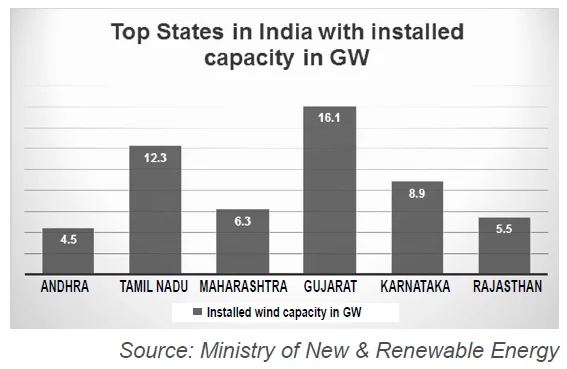
BCAS IN NEWS & MEDIA


Regulatory Referencer

I. DIRECT TAX : SPOTLIGHT

1. Referencing by Document Identification Number – Reg – Circular No. 4/2026 dated 31 March 2026

Section 292B and 292BA of Income-tax Act, 1961 and Section 522 of the Income-tax Act 2025, provide that any document issued by Income tax Authority shall be referenced by the computer generated Document Identification number (DIN). The circular provides as under:

a) DIN may be mentioned within the communication itself, attached separately, or included in electronic correspondence such as emails.

b) There is no requirement for the same to be printed on every page, provided the communication is clearly referenced.

The Circular further provides that in certain circumstances, the document may not be referenced by DIN in specific situations and all such communications shall require post-facto approval, within a period of 15 days of the date of issue of such communication.

2. Procedure, formats and standards for generation and allotment of Unique Identification Number (UIN) in respect of Form No. 121 and quarterly furnishing of Part B thereof by the payer – Notification No. 01/CPC(TDS) /2026 dated 28 March 2026.

Section 393(6) of the Income-tax Act, 2025 provides for no deduction of tax in certain cases wherein declaration in Part A of Form No. 121 is furnished by the payee to the payer as per Rule 211 of the Income-tax Rules, 2026.

The payer shall allot a 26-character UIN to each declaration (Part A of Form No. 121) received by him during the tax year. The circular provides for the Procedure, formats and standards for generation and allotment of UIN.

3. CBDT amends India- Brazil DTAA – Notification No.39/2026 dated 30 March 2026

The notification gives effect to the 2022 Amending Protocol to the India–Brazil DTAA, which entered into force on 18 October 2025 and applies in India from FY 2026–27 onwards.

4. ITR Forms 1-7, including ITR V and ITR U(updated return) have been notified by the CBDT, for the financial year 2025-26 – Notification No. 45 to 52 of 2026 dated 30 March 2026.

5. Clarificationthat investments made before April 1, 2017, are fully grandfathered and exempt from GAAR scrutiny – Notification No. 55/2026 dated 31 March 2026.

6. PAN CR-01 and PAN CR-02 prescribed for correction of PAN data for individuals and non-individuals along with guidelines

7. All the provisions of Memorandum of Understanding for Assistance in Collection of taxes, of the Convention between the Government of the Republic of India and the Government of Japan for the avoidance of double taxation and the prevention of fiscal evasion are notified. – Notification No. 56 dated 2 April 2026

II. IFSCA UPDATE FOR MAY 2026 EDITION

1. IFSCA grants Qualifying Central Counterparty (QCCP) status to IIBX

India International Bullion Exchange (IFSC) Limited (‘IIBX’) functions both as a Bullion Exchange and a Bullion Clearing Corporation. The Bullion Clearing Corporation of IIBX has qualified as a Qualifying Central Counterparty (‘QCCP’) as it is regulated by IFSCA, SCRA and complies with global standards, particularly the Principles for Financial Market Infrastructures (PFMIs). The QCCP status confirms that its clearing operations meet international benchmarks for risk management and financial integrity.

Further, IIBX has been designated as a Market Infrastructure Institution (MII) due to its systemic importance in GIFT IFSC and is subject to strict regulatory oversight and supervision within the PFMI framework. In view of the above, IIBX is accorded the status of QCCP.

[Press release, dated 25th March 2026]

2. IFSC Authority removes 7-day comment timeline requirement from KMP circular for FMEs

IFSCA had issued a circular “Appointment and Change of Key Managerial Personnel (‘KMP’) by a Fund Management Entity (‘FME’)” dated February 20, 2025 which specifies the manner and procedure to be followed by a FME for effecting the appointment of or change to their KMPs. Paragraph 4 of this Circular which provided for communication of comments by the Authority within a specified timeline of 7 working days form the date of filing of intimation by the FME has now been removed. All other provisions and conditions specified in the 2025 Circular shall remain the same.

[Circular No. IFSCA/13/2026-Capital Markets/1, dated 1st April 2026]

3. IFSCA mandates certification courses

IFSCA has specified a mandatory certification course titled “Regulatory Framework for Fund Management in IFSC: AIFs and Retail Schemes” for employees of Fund Management Entities (FMEs) offered by the Institute of Company Secretaries of India. All Key Managerial Personnel (KMPs) and employees engaged in core fund management activities are required to successfully complete this certification on or before 30 September 2026, with responsibility for compliance resting on the FME and persons in control. Additionally, FMEs must ensure continuous adherence to eligibility criteria for KMPs under applicable regulations.

The IFSCA has also mandated a certification requirement for employees of Capital Market Intermediaries (CMIs) in IFSC. The Authority has specified the course titled “Regulatory Framework for Capital Market Intermediaries in IFSC” offered by the Institute of Company Secretaries of India. All Key Managerial Personnel (KMPs) and employees engaged in core business activities are required to successfully complete this certification on or before 30 September 2026, with the responsibility for compliance resting on the CMI and persons in control.

[Circular No. IFSCA/13/2026-Capital Markets/1, dated 1st April 2026 & Circular F. No. IFSCA-PLNP/80/2024 Capital Markets, dated 2nd April 2026]

4. IFSCA establishes regulatory framework for registration, regulation and supervision of Pension Funds in IFSC

The IFSC Authority has notified the IFSCA (Pension Fund) Regulations, 2026, establishing a regulatory framework for registration, regulation and supervision of Pension Funds in IFSC. The regulations aim to provide a robust framework for long-term retirement savings, promote a secure and transparent environment for subscribers, protect their interests and maintain the integrity of the pension ecosystem. The framework overrides existing PFRDA regulations within the IFSC, eliminating dual-regulatory burden. The Regulations cover eligibility requirements for the Pension Funds; scheme designs; withdrawal and portability pathways; permissible investments with defined limits over a broad range of asset classes; and risk management & governance requirements; compliance and enforcement.

[F. No. IFSCA/GN/2026/007, dated 30th March 2026]

5. IFSCA bars fund management entities from assigning multiple service roles to fiduciaries in the same scheme

The IFSCA (Fund Management) Regulations, 2025, requires Fund Management Entities (FMEs) to appoint fiduciaries such as trustees (in case of trusts), directors (in case of companies), or designated partners (in case of LLPs), who are obligated to act in the best interest of investors and adhere to high standards of due diligence, care, and independent judgment as per the prescribed Code of Conduct. To strengthen governance and avoid conflicts of interest, IFSCA has clarified that an FME shall not appoint a fiduciary entity to also provide services such as fund administration, valuation, audit, or lending /financing to the same scheme, whether directly or through its associates. For existing schemes already filed or taken on record, FMEs are required to comply with this requirement by 30th September 2026.

[Circular No. IFSCA-IF-10PR/7/2024-Capital Markets/10042026, dated 10th April 2026]

6. IFSCA requires prior approval for Payment Service Providers (PSPs) joining Rupee Drawing Agreement (RDA) as non-resident Exchange Houses

IFSCA has issued a clarification regarding participation in Rupee Drawing Arrangements (RDA) by Payment Service Providers (PSPs). IFSCA has now clarified that prior approval is mandatory for PSPs intending to participate in RDA as non-resident Exchange Houses, in line with the RBI Master Direction on “Opening and Maintenance of Rupee/Foreign Currency Vostro Accounts of Non-resident Exchange Houses” (2016). Further, PSPs must submit, along with their approval request, a comprehensive framework demonstrating compliance with the IFSCA (Anti Money Laundering, Counter-Terrorist Financing and Know Your Customer) Guidelines, 2022 and any other applicable similar laws.

[Circular No. IFSCA-FMPP0BR/3/ 2023-Banking 2026-27/01, dated 10th April 2026]

III. FEMA

1. Govt notifies uniform Rs.2–10 crore adjudication limit for Additional & Joint Directors under FEMA

The Central Government has amended the notification prescribing jurisdiction of adjudicating authorities under the FEMA. This amendment revises the monetary limits for adjudication of Additional Directors and Joint Directors Enforcement. Previously, Additional Directors handled cases involving amount between Rs.5 crores and Rs.10 crores, while Joint Directors handled cases involving amount between Rs.2 crores and Rs.5 crores. The revised notification merges the scope by prescribing that both categories will now handle cases involving amounts exceeding Rs.2 crores but not exceeding Rs.10 crores.

[Notification No. 1397(E) [F. NO. K-11022/80/2011-AD.ED], dated 18th March 2026]

2. RBI directs ADs to maintain NOP-INR within USD 100 million in the offshore deliverable market

Master Direction on ‘Risk Management and Inter-Bank Dealings’ empowers RBI to prescribe limits on open positions in Rupee for exchange rate management. RBI has issued a circular whereby Authorised Dealers are now required to ensure that Net Open Positions in INR (NOP-INR) positions in the onshore deliverable market are maintained within USD 100 million at the end of each business day. ADs shall ensure compliance at the earliest but not later than 10th April 2026. This is a measure to curb volatility in the Rupee considering ongoing geopolitical issues.

[A.P. (DIR series 2025-26) Circular No. 24, dated 27th March 2026]

3. RBI revises ECB reporting framework and clarifies LSF computation

ECB transactions are required to be reported through Authorised Dealer (AD) Category I banks in prescribed forms, and delays attract Late Submission Fee (LSF). RBI has issued circular to remove ambiguities in classification of returns and streamline LSF computation. Key Highlights from the circular are given as follows:

a. Form ECB-1 and Revised ECB-1 to be treated as non-flow returns, and LSF to be computed accordingly. Non-flow returns are filed once per transaction/event, not periodically.

b. LSF is per return. Each delayed filing of Form ECB-2 to be treated as a separate instance, attracting LSF independently.

c. AD Category I banks shall submit ECB returns to RBI within 7 calendar days of receipt from borrowers.

d. LSF is payable via NEFT/RTGS to RBI Regional Office after receipt of acknowledgment email from RBI. AD banks to ensure and monitor payment of LSF by borrowers.

These amendments are applicable from 1st April 2026.

[A.P. (DIR series 2025-26) Circular No. 25, dated 30th March 2026]

4. RBI standardises guarantee reporting under FEMA; clarifies LSF computation for delays in reporting

RBI has issued circular with regard to obligation on a person to report a guarantee in terms of Regulation 7 FEM (Guarantees) Regulations, 2026 [FEMA 8 (R)] and Master Direction on ‘Reporting under Foreign Exchange Management Act, 1999’. The main points are:

a. Reporting is to be done using files provided on the RBI website (List of Returns Submitted to RBI) for submissions to the authorised dealer bank:

Form GRN Issue – for reporting issuance of guarantee;

Form GRN Modification – for reporting changes in terms such as amount, tenure or pre-closure; and

Form GRN Invocation – for reporting invocation of guarantee.

b. Each guarantee to be assigned a Unique Guarantee Transaction Number (GTN) by AD Bank before submission of the return to RBI.

c. For any delay, LSF will be calculated on amount of liability created towards surety on invocation for Form GRN Invocation only. For Form GRN Issue and Form GRN Modification, LSF to be considered on amount as ‘nil’ since these returns do not capture flows.

The above will come into effect from 1st April 2026.

[A. P. (DIR series 2026-27) Circular No. 1, dated 1st April 2026]

5. RBI permits INR exchange for residents and non-residents at forex counters in airport departure areas beyond immigration

The RBI has decided to allow residents and non-residents to exchange Indian Rupee notes at foreign exchange counters at the departure halls in the international airports established in the Duty-Free Area or Security Hold Area beyond the Immigration or Customs desk. The Master Direction on Money Changing Activities is being amended accordingly.

[A.P. (DIR series 2026-27) Circular No. 4, dated 2nd April 2026]

6. RBI amends Master Direction on non-resident investment in debt instruments, consolidates existing instructions

Over the years, the Reserve Bank has issued directions relating to investments in debt instruments by Non-Resident Indians (NRIs) and offering of debt instruments acquired in terms of FEMA 396 as collateral to recognized Stock Exchanges in India for transactions in exchange traded derivative contracts. These instructions have now been consolidated in the Master Direction on ‘Non-resident Investment in Debt Instruments’, 2025 which earlier covered various related Regulations under FEMA. Annex-1 of the Master Direction provides the list of circulars consolidated while Annex-4 lists the amendments made to the Master Direction over time.

[A.P. (DIR Series) Circular No. 6, dated 10th April 2026]


Audits Of Co-Operative Housing Societies

Shrikrishna : Arjun, why are you looking so tired and frustrated?

Arjun : We had the managing committee meeting of the housing society where I stay.

Shrikrishna : So what? What is so tiring about it?

Arjun : Bhagwan, you are very well aware that in a co-operative housing society, there is nothing but non-cooperation! No one is willing to come forward to work in the managing committee, members believe that committee members are their employees. A few committee members have some vested interests in the society’s management.

Shrikrishna : Arjun. This is common in all Non-Profit organisations! It is a part of life. In kaliyug, disputes are everywhere. Even in our families!

Arjun : I agree. But every society has at least one Duryodhana

Shrikrishna : Duryodhana? What do you mean?

Arjun : There is invariably one crooked member in every society. He is extra smart. He picks up disputes on some pretext or the other with the committee and other members.

Shrikrishna : I am aware. And there are Shakunis to instigate them.

Arjun : Usually, these Duryodhans are retired people from high positons in Government jobs or corporates. They feel that they alone know the law. They dispute the monthly contribution and usually are defaulters! In a few cases, some CAs or lawyers play the role of Duryodhana!

Shrikrishna : Yes. It is very common. But what did your Duryodhana do?

Arjun : Our Duryodhan has a hobby of making complaints before every possible forum – to the Registrar of Co-operative societies, to the Police Authorities, to the co-operative courts; and on the top of it, to our Institute of CAs against the auditor! He has made complaints against 8 successive years’ auditors so far!

Shrikrishna : Surprising! In an NPO, what are the issues?

Arjun : They rake up all issues like Accounting Standards, Standards on Auditing, Tax laws, co-operative laws and what not! They make a hype of everything. Poor auditor receives a meagre fee of 6 to 8 thousand rupees; but when there is a complaint to ICAI, he has to spend well above a lakh of rupees to engage a counsel. In addition to hire a lawyer to represent before the Registrar of co-op. societies, Police authorities and so on.

Shrikrishna : And he loses his peace of mind for at least 4 to 5 years!

Arjun : It is at the same time equally true that CAs take the audits of NPOs rather lightly. They are not particular about documentation, working papers, checking of minutes and secretarial records; and so on.

Shrikrishna : I heard that they are not careful even to ensure that their appointment is properly made!

Arjun : Yes, Lord. And the Duryodhana is keen to find all such loop holes to harass him. Auditors are even black mailed by the Duryodhans in respective societies.

Shrikrishna : Somebody told me that many people rendering accounting services to the societies have an arrangement with some CAs who simply put their signature and seal without verifying anything!

Arjun : Yes. That is very dangerous! A few CAs themselves write the accounts and also audit them! And the height is that they raise a common invoice of accounting and auditing! In some cases, their own employees or close relatives write the accounts.

Shrikrishna : And Duryodhans get a good opportunity to harass them.

Arjun : Absolutely. Today such people have realised their own nuisance value and making rampant misuse of our disciplinary mechanism.

Shrikrishna : I believe, ICAI should create a separate mechanism to deal with such petty complaints against auditor of NPOs. It is a great burden on the disciplinary authorities and the pendency is mounting due to such petty complaints. They should device some fast track mechanism to tackle such matters.

Arjun : I think it impossible to happen. Government lacks will power to simplify the things. Instead, I feel, CAs should stop accepting housing society audits altogether unless they are able to do full justice. But then, it won’t be remunerative!

Shrikrishna : Prevention is better than cure!

Om shanti.

(This dialogue is based on the current scenario of disciplinary cases in respect of audits of housing societies)

Tech Mantra

Standard Notes – Free Your Mind

standard Notes

Standard Notes is a free, secure note-taking app with powerful end-to-end encryption, unparalleled privacy features, and seamless cross-platform syncing on unlimited devices. It protects your notes and files with audited, industry-leading end-to-end encryption. Only You have access to the keys required to decrypt your data. You can write and store all your notes and files in one secure place and seamlessly access them from all your devices.

Note-taking services like Evernote, Google Keep, Notion, and Simplenote cannot prevent employers and governments from reading your data. Standard Notes features advanced security and privacy controls that protect your data against hacks, data breaches, government access, and even employer access.

The app is simple, easy to use, and lightweight. Enough features, but not too many!

Standard Notes is a no-risk investment in your productivity. If it works for you like it works for many happy users, then you’ve gained a lifelong tool that will protect your data and nourish your growth.

https://standardnotes.com/

Minimaa – Minimalist Launcher for Android

Minimaa
Reclaim Your Focus. Simplify Your Life. Drowning in a sea of colorful icons and constant notifications? MINIMAA is a premium minimalist launcher designed to transform your smartphone into a tool for intentionality, not a source of distraction.

Most launchers are designed to keep you on your phone. MINIMAA is designed to get you off it. By removing the visual “sugar” of colorful icons and cluttered grids, it reduces the dopamine triggers that lead to phone addiction.

It has a black and white interface, optimized for OLED screens to save battery and reduce eye strain. Also, the interface is text-based – so no icons, no distractions. You can hide distracting social media apps and access them only when necessary. And, of course, there are no trackers, no data collection, and no ads. Your phone stays yours.
Ideal for productivity enthusiasts and digital minimalists. The perfect companion for your journey away from screen addiction. Join the movement of thousands of users who have swapped their cluttered home screens for a peaceful, minimalist sanctuary.

You can download MINIMAA to start your digital detox https://tinyurl.com/minimaa

Wi-Fi AR

Wifi Ar

Wi-Fi AR is a free, simple app that scans your home Wi-Fi network efficiently. It uses augmented reality (ARCore) to visualize real-time Wi-Fi and cellular signal strength, speed, and latency in your physical space. It acts as a visual network analyzer, helping users identify dead spots, locate the best router placement, and detect network interference.

Just start the app and move around your home to identify the areas where the signal is powerful and where it is weak. You can then find the best places to play games or position your Wi-Fi devices. It also helps locate where your phone receives the best signal from your Mobile Network.

A simple app which is super useful.

Android : https://tinyurl.com/wifiar

Blip

Blip

If you have to send files from one device to another, or from one person to another, irrespective of the platform, Blip is the tool for you. You have never sent files this fast – send any size file right from your desktop, phone, tablet, or any other device.

You can transfer files in just one step. No need to upload and download separately. The size of the file is irrelevant – there is no limit! Blip is also intelligent enough to resume after a network interruption, if any, a drive being unplugged, or the target disk being full.

You can send entire folders in full quality and at enhanced speeds. It supports TLS 1.3 encryption so that your data is fully safe during transit.

Super-fast transfers were never so easy!

https://blip.net/

Miscellanea

1. SCIENCE

# A PhD candidate creates a “universe in a bottle” to uncover how life on Earth began

A PhD candidate, Linda Losurdo at the University of Sydney, recreated a “universe in a bottle” by simulating space-like chemical environments in the lab. Using nitrogen, carbon dioxide, and acetylene exposed to high-voltage plasma, she produced cosmic dust from scratch. This experiment mimics conditions in stellar nebulae and helps scientists study the chemical pathways that formed complex organic molecules—the building blocks of life—before life began on Earth.

The research, published in The Astrophysical Journal, offers a new way to analyze the infrared spectral fingerprints of cosmic dust, aiding the understanding of the chemical makeup of asteroids and meteorites. It also explores whether life’s essential elements (CHON: Carbon, Hydrogen, Oxygen, Nitrogen) formed in space and were delivered to Earth via comets and asteroids.

Ultimately, the project aims to build a comprehensive database of infrared signatures from lab-grown cosmic dust, improving astronomers’ ability to identify and study materials in space and enhancing knowledge of the Milky Way’s chemical evolution.

(Source: The Times of India – By TOI Science Desk –24 April 2026)

2. TECHNOLOGY

# RBI reaches out to global regulators for risk assessment on Anthropic’s Claude Mythos

The Reserve Bank of India (RBI) is actively assessing the cybersecurity risks posed by Anthropic’s newly released AI model, Mythos. In consultations with counterparts at the US Federal Reserve, the Bank of England, and other global regulators, RBI officials have expressed concerns that Mythos could accelerate the discovery and exploitation of software vulnerabilities, increasing threats to India’s financial sector. Regulators worldwide, including those in Asia, Europe, and the US, have urged banks to strengthen their defenses against potential AI-driven cyber risks.

India’s National Payments Corporation of India (NPCI), which manages the highly secure Unified Payments Interface (UPI), is working with select banks to gain early access to Mythos. This proactive approach aims to identify vulnerabilities and “day-zero” cyber risks before wider deployment. However, access to Mythos is tightly controlled, limited to a few US organizations, and hosted on secure servers in the US, raising compliance challenges related to Indian data protection laws.

In response, RBI is developing comprehensive guidelines for banks partnering with advanced AI models like Mythos and Anthropic’s Claude family. These guidelines are part of a broader strategy to ensure safe AI adoption in India’s financial system, with a strong emphasis on enforcing the 2018 data localization rules that require all payment transaction data to be stored exclusively on servers within India. The discussions are ongoing, reflecting RBI’s cautious but forward-looking approach to AI integration in finance.

(Source: Financial Express – By Tech Desk –22 April 2026)

3. WORLD – SCIENCE – MINDSET

# After Loss, Paralysis, and Silence: Myles Merideth’s Search for What It Means to Still Be Alive

Myles Merideth, author and owner of Empirical Resource Development, faced profound challenges after a spinal condition caused partial paralysis, along with a series of personal losses, including his mother, brother, and daughter. These events shattered his identity, which was built on strength and leadership. Through surrender and reflection, he realized that true identity is not defined by experiences or roles but by a deeper, constant life force within.

This insight inspired his book, It’s Not Who You Are, It’s What You Are, written during near-total immobility. The book offers a framework focused on present awareness rather than external validation, addressing grief, burnout, and identity loss. Myles plans to release a new book on leadership, along with facilitator guides and speaking engagements. His message resonates with those facing loss or questioning achievement-based identities, emphasizing that beneath all else, “You are life first.”

(Source: International Business Times –Created By Callum Turner – 13 April 2026)

ICAI and Its Members

I. ICAI ANNOUNCEMENT

1. AUDIT QUALITY MATURITY MODEL (AQMM)

The ICAI has issued a clarification expanding the scope of mandatory AQMM applicability. The revised framework now explicitly includes Practice Units auditing holding/subsidiary/associate/JV entities of specified categories (listed entities, banks, insurance companies), provided such firms are subject to Peer Review.

AQMM was already mandatory for firms auditing:

  •  Listed entities
  • Banks (excluding co-operative banks except multi-state co-operative banks)
  • Insurance companies (the firms conducting only branch audits are not to be covered)

Expanded Scope – AQMM v2.0 (Phased Implementation)

The applicability has now been significantly widened as under:

(A) From 1 April 2026

Applicable to:

• Firms subject to Peer Review auditing:

• Holding/Subsidiary/Associate/JV of:

• Listed entities

• Banks (excluding co-op banks except multi-state)

• Insurance companies

•  Firms undertaking statutory audit of large unlisted public companies meeting any of the following thresholds:

  • Paid-up capital ≥ ₹500 crore, or
  • Turnover ≥ ₹1,000 crore, or
  • Aggregate borrowings ≥ ₹500 crore

(B) From 1 April 2027

Applicable to:

  • Firms auditing entities:

  • Raising funds > ₹50 crore from public/banks/FIs during the period
  • Entities classified as Public Interest Entities (including trusts)

2. EXPERT PANEL FOR ADDRESSING QUERIES RELATED TO STATUTORY AUDIT PERTAINING TO AUDITING ASPECTS

Auditing and Assurance Standards Board formed an Expert Panel which will provide technical support to the members with respect to their queries on auditing aspects for the coming Audit season. Members having specific queries may send such queries at email address: auditfaq@icai.in. The panel will be open from 16th April 2026 till 30th September 2026.

https://resource.cdn.icai.org/91721caqb-aqmm100426.pdfS

3. INVITATION TO SHARE INTERNAL AUDIT CASE STUDIES FOR KNOWLEDGE REPOSITORY OF THE INTERNAL AUDIT STANDARDS BOARD, ICAI

Internal Audit Standards Board invites members to submit concise and practice-oriented case studies relating to Internal Audit for inclusion in its professional knowledge initiatives. Each submission should be concise and restricted to a maximum of 200 words.

Submissions may kindly be made through the Google Form link: https://forms.gle/hCQcZHi3SSAAVV6d8

II. ICAI PUBLICATION

a. Income-tax Act 2025

Income-tax Act, 2025 (as amended by the Finance Act, 2026) including Tabular Mapping of Sections vis-à-vis the Income-tax Act, 1961

https://resource.cdn.icai.org/91774dtc-aps4792.pdf

b. Income-tax Rules 2026

Income-tax Rules, 2026 – Including Tabular Mapping of Rules and Forms vis-à-vis Income-tax Rules, 1962 and Forms.

https://resource.cdn.icai.org/91688dtc-aps4735.pdf

III. ICAI EXPERT ADVISORY COMMITTEE OPINION

Timing of Capitalisation of Partly Completed Gas Pipeline under Ind AS

A. Facts of the Case

  • The company, a JV formed to develop the North-East Gas Grid (NEGG), is constructing a 392 km Guwahati–Numaligarh pipeline (Phase I) to supply gas to Numaligarh Refinery (anchor customer).
  • The project is being executed in phases; as on 31.03.2025, 195.898 km (≈50%) of the pipeline was mechanically completed with related infrastructure and completion certification.
  • However, the entire 392 km pipeline is not yet completed or commissioned, and commercial operations can commence only after full completion.
  • The company has capitalised all costs as Capital Work-in-progress (CWIP), including costs relating to the completed portion.

B. Query

  • Whether the company should capitalise the cost (including borrowing costs) relating to the completed portion of 195.898 km, despite:

(a) the pipeline not being in a condition to operate as intended, and

(b) commercial operations not having commenced.

C. Points considered by the Committee

  • The issue relates to timing of capitalisation of a partly completed pipeline under Ind AS 16.
  • As per Ind AS 16, capitalisation is appropriate only when the asset is in the location and condition necessary for it to be capable of operating in the manner intended by management.
  • Determination of such readiness depends on facts, technical evaluation, and ability to operate.
  • In integrated projects, if parts are capable of independent use, they may be capitalised separately; otherwise, not.
  •  In the present case:
  • The completed portion (195.898 km) cannot be used independently.
  • The pipeline achieves its intended objective only when the entire 392 km stretch is completed.
  • Accordingly, the partially completed section is not yet in a condition for intended use.
  • Under Ind AS 23, borrowing costs continue to be capitalised until the asset is ready for intended use; cessation depends on similar principles.

D. Opinion

  • The partially completed pipeline (195.898 km) is not capable of operating independently and is not in the condition necessary for intended use.
  • Therefore, capitalisation should not be triggered, and the expenditure should continue to be shown as CWIP.
  • Further, capitalisation of borrowing costs should continue till the entire pipeline is completed and ready for intended use

ICAI Journal – The Chartered Accountant April 2026 Pages 98-106

https://resource.cdn.icai.org/91549cajournal-apr2026-25.pdf

IV. ICAI DISCIPLINARY COMMITTEE

1. Case : Shri RK vs. CA. D.N.B.

File No. : PR/34/2018/DD/54/2018/DC/1755/2023

Date of Order : 05.01.2026

Particulars              Details

Nature of Case       Alleged misuse of digital signature and fraudulent increase in share capital

Background                The Respondent assisted in incorporation and compliance of M/s VMC Pvt. Ltd. where the Complainant and two others were directors (equal shareholding initially). It was alleged that the Respondent, in connivance with other directors, increased share capital from 15,000 to 35,000 shares and allotted additional shares only to the other two directors using the Complainant’s digital signature without consent, and also forged documents including financial statements and MBP-1 disclosures.

Key Allegations

– Fraudulent increase in share capital and allotment excluding complainant.

– Misuse/forgery of digital signature in Form-2 and other filings.

– Forged signature on financial statements and MBP-1.

– Non-provision of documents and collusion with other directors.

Respondent’s Defence – Increase in share capital supported by Board Resolution dated 07.06.2011 and disclosures in financial statements.

– Financial statements for FY 2012–13 signed by Complainant, evidencing knowledge.

– Handwriting expert report confirmed signatures as genuine.

– No evidence of misuse of digital signature; documents available in public domain (MCA).

Findings

– Shareholding changes were disclosed in financial statements signed by Complainant (page 13).

– Form-2 was digitally signed by Complainant; no evidence of misuse of DSC.

– Handwriting expert report supported genuineness of signatures.

– Complainant failed to provide corroborative evidence of forgery or fraud.

– MBP-1 was filed physically and not certified by Respondent.

– No direct evidence linking Respondent to alleged misconduct.

Decision               Not Guilty under:

• Item (7), Part I, Second Schedule

• Item (2), Part IV, First Schedule

2. Case : Shri B.S.P. vs. CA. A.M.

File No. : PR/162/2019/DD/261/2019/DC/1791/2023

Date of Order : 05.01.2026

Particulars                              Details

Nature of Case                     Alleged siphoning of funds and audit failure in related party transactions

Background                             The Respondent was statutory auditor of M/s H Pvt. Ltd. for FY 2008-09 to 2011-12. The Complainant (MD) alleged that ₹1.48 crore received in April 2010 (₹85 lakh from DST and ₹62 lakh from GIDC) was immediately transferred to K Ltd, resulting in loss of control and dilution of shareholding. It was alleged that the Respondent failed to detect/report this diversion and issued clean audit reports.

Key Allegations

– Siphoning of ₹1.48 crore to related party K Ltd.

– Failure to report material transactions in audit.

– Non-disclosure of related party transactions under AS-18.

– Issuance of “true and fair” audit report despite irregularities.

Respondent’s Defence

– Transactions were recorded in books in FY 2009-10; cheques issued on 31.03.2010 and cleared in next year.

– Financial statements duly signed by Complainant (MD).

– Transactions reflected in ledger accounts and CARO report.

– No siphoning; payments were part of loan repayment transactions.

– AS-18 not applicable due to SME exemption.

Findings

– Ledger accounts and financial statements showed proper recording of ₹1.48 crore transactions (page 11).

– Cheques issued on 31.03.2010 and cleared in FY 2010-11—accounting treatment held correct.

– No evidence of fraudulent diversion or siphoning; transactions were part of running account.

– Financial statements were approved and signed by Complainant as MD, indicating awareness.

– AS-18 non-disclosure not actionable due to SME exemption and absence of specific allegation.

– Auditor cannot be held liable where transactions are properly recorded and management-approved.

Decision

Not Guilty under Item (7), Part I, Second Schedule

3. Case : In Re: CA. SKT

File No. : PPR/P/106/2016/DD/31/INF/2020/DC/2041/2025

Date of Order : 25.01.2026

Particulars                               Details

Complainant                  Information (MCA/RBI-related issues)

Respondent                     CA. SKT

Nature of Case                Alleged failure to report public deposits and NBFC-related non-compliance in audit

Background                    The Respondent was statutory auditor of three real estate companies where customer advances aggregating ₹3.57 Cr, ₹7.99 Cr and ₹17.89 Cr were shown in financial statements. It was alleged that these were public deposits and the Respondent failed to report the same and related NBFC compliance issues.

Key Allegations

– Failure to identify/report companies as NBFC.

– Failure to report receipt of public deposits in audit report.

– Lack of sufficient audit verification of customer advances.

Respondent’s Defence – Companies were engaged in real estate business (sale of plots).

– Advances represented booking amounts received from customers, not deposits.

– Relied on Section 45-I(bb) of RBI Act, excluding advances against sale of property from “deposit”.

– Produced sale deeds, allotment letters, receipts, and customer-wise details.

Findings

– Committee held NBFC allegation not sustainable; companies were engaged in real estate business.

– Documentary evidence (sale deeds, agreements, receipts, allotment letters) established that amounts were genuine customer advances.

– As noted (pages 9–10), substantial audit verification was demonstrated (≈95.87% sample coverage of advances).

– Advances were in ordinary course of business and hence not “public deposits” under RBI Act.

– No requirement for auditor to report such advances as deposits.

Decision                          Not Guilty under Item (7) & (8), Part I, Second Schedule

4. Case : Smt. BS vs. CA. SG

File No. : PR/423/2019/DD/45/2020/DC/1566/2022

Date of Order : 28.01.2026

Particulars                          Details

Nature of Case               Alleged failure to verify loan adjustment and report misstatement in financial statements

Background                       The Respondent audited M/s A Ltd. for FY 2016-17 to 2018-19. In FY 2016-17, an unsecured loan of ₹4,19,109 was shown in the name of the Complainant. In FY 2017-18, the balance was shown as NIL, allegedly without repayment. The Respondent stated that the amount was transferred to the loan account of the Complainant’s husband (director) as part of a family arrangement.

Key Allegations

– Loan shown as NIL without repayment or proper verification.

– Failure to obtain confirmation or documentary evidence for transfer.

– Failure to report material misstatement and lack of due diligence.

Respondent’s Defence – Loans of family members were consolidated into husband’s account by mutual understanding.

– Ledger accounts reflected transfer; husband’s balance increased accordingly.

– Matter was a family arrangement, not a financial irregularity.

– Audit procedures based on professional judgment; external confirmations not mandatory.

Findings 

– Ledger accounts and records substantiated transfer of ₹4.19 lakh to husband’s account (pages 10–11).

– Husband (director) had accepted consolidated balance in separate proceedings, supporting genuineness

– Dispute held to be family/shareholder dispute, not audit failure.

– Auditor’s reliance on internal records and judgment within acceptable limits of SA 505.

– No evidence of misstatement, negligence, or lack of due diligence

Decision                    Not Guilty under Clauses (6), (7), (8), Part I, Second Schedule


Learning Events At BCAS

I. BCAS HOSTS DISTINGUISHED INTERACTION WITH ICAI LEADERSHIP

On Thursday, 12th March 2026, a close interaction was organised at the BCAS Office, Jolly Bhavan, featuring CA Prasanna Kumar D, President ICAI, and CA Mangesh Pandurang Kinare, Vice President ICAI. The dignitaries were warmly felicitated by CA Zubin Billimoria, President BCAS, and CA Kinjal Shah, Vice President BCAS, in the presence of select BCAS past presidents, office bearers, Western Region Central Council Members, WIRC ICAI office bearers and elected members, and BCAS Core Group members.

The session, moderated by CA Zubin Billimoria, facilitated a structured, time-bound discussion on key professional issues, including:

  • Representation before the Charity Commissioner
  • Policy sustainability for professional growth
  • Freedom to operate and regulatory minimisation
  • Clarity in networking guidelines
  • Updates on Delhi High Court litigation concerning CAs’ representation rights before Tribunals
  • Profession vs industry dynamics
  • Top three opportunities and challenges facing the profession
  • Future of audit, ethics, and stakeholder expectations
  • Capacity building in audit, technology, and AI
  • CA employability and syllabus dynamism

CA Prasanna Kumar D and CA Mangesh Pandurang Kinare responded thoughtfully to members’ queries, sharing ICAI’s strategic vision and forthcoming developments. The interaction concluded with collaborative ideas for strengthening BCAS-ICAI coordination to advance the chartered accountancy profession.

BCAS-Hosts-Interaction-with-distinguished-ICAI-Leadership BCAS-Hosts-Interaction-with-distinguished-ICAI-Leadership BCAS-Hosts-Interaction-with-distinguished-ICAI-Leadership BCAS-Hosts-Interaction-with-distinguished-ICAI-Leadership

II. Learning Events At BCAS

1. Sakhi Circle – International Women’s Day held on 14th March 2026@ BCAS.

Speakers: Panelists – Hetal Kotak, Nisha Gala

Moderator – Kinjal Bhuta

The Women’s Day Celebration hosted by BCAS featured an engaging panel discussion on Ambition without Apology.

The event opened with an insightful panel discussion that highlighted how careers move through varied phases—from moments of doubt to moments where one’s voice is valued. The panel emphasised themes of continuous learning, authenticity, and staying relevant in a dynamic work environment.

A rapid-fire segment added energy to the discussion, drawing spontaneous and practical insights from the panelists. The evening concluded with a networking activity where participants introduced themselves using two adjectives, prompting self-reflection and encouraging authentic engagement within the group.

The session also reinforced that in person interactions create meaningful value, especially for women professionals, as shared experiences often help them draw strength from one another. Participants agreed that opportunities to connect, converse and collaborate play a vital role in personal and professional growth.

Sakhi-Circle-International-Womens-Day Sakhi-Circle-International-Womens-Day

2. Seminar on Attachment and Seizure Provisions under Prevention of Money Laundering Act, 2002 held on Friday, 27th February 2026 @ Hybrid

This event was jointly organised by Finance, Corporate and Allied Laws Committee of the Bombay Chartered Accountants’ Society, along with the Commercial & Allied Law Committee of The Chamber of Tax Consultants at the BCAS Auditorium, Churchgate and was conducted as a hybrid event, with participants attending both physically and virtually.

The details of the program was as follows:

Topic Session Summary Faculty
Opening Remarks by CA Kinjal Shah, Vice President BCAS and CA Jayant Gokhale  President CTC
Session I : Keynote Address on the Framework of Search & Seizure under Section 17 of followed by an Interactive Discussion on Defense Strategies and Compliance Informative session which explained the scope of powers vested in the enforcement authorities, the statutory requirement of “reason to believe,” and the procedural safeguards that must be followed during the conduct of such actions. The address also touched on important judicial interpretations that shape the application of the provision. The session provided participants with valuable insights into both the investigative powers under the law and the practical approaches for handling such proceedings. Hon’ble Justice Ms. Aarti Sathe, Judge, Hon’ble Bombay High Court


Adv. Sunny Punamiya

CA Shardul Shah


Moderator: CA Apurva Shah


Session II: Keynote Address on the Framework of Attachment under Sections 5 & 8 of PMLA followed by an Interactive Discussion on the Attachment Procedure Enlightening lecture which explained the concept of provisional attachment, the conditions required for invoking such powers, and the procedure followed by the Enforcement Directorate before and after passing an attachment order. The address also highlighted the role of the Adjudicating Authority under Section 8 in confirming or setting aside the attachment after providing an opportunity of hearing. The session provided an overview of the practical aspects, legal safeguards, and key considerations for professionals dealing with such proceedings, enabling participants to gain a clearer understanding of the statutory process and its implications. Hon’ble Justice Shri. Advaith Sethna, Judge, Hon’ble Bombay High Court


Adv. Sunny Punamiya

Adv. Bernardo Reis


Moderator: CA Kinjal Shah


The Seminar provided a comprehensive perspective on the framework of search and seizure and attachment proceedings under the Prevention of Money Laundering Act, 2002, and featured two insightful and interactive sessions that simplified the legal and procedural complexities surrounding these provisions.

The program had 10 physical attendees and 108 virtual attendees. 34 of the participants who attended this seminar were from outside Mumbai.

This informative seminar was coordinated by Shardul Shah, with the help of convenors Raj Khona and Khubi Shah Sanghvi, and Team CTC.

Seminar-on-Attachment-and-Seizure-Provisions-under-Prevention-of-Money-Laundering-Act-2002 Seminar-on-Attachment-and-Seizure-Provisions-under-Prevention-of-Money-Laundering-Act-2002

3. FEMA Study Circle -“Downstream Investment” held on 27th February 2026@ Virtual

The FEMA Study Circle organised a meeting to deliberate on the Downstream Investment provisions as provided under the FEM (Non-Debt Instruments) Rules, 2019. The session was chaired by CA Hardik Mehta and led by CA Swetha Prasad.

The discussion covered key aspects as provided below:

  • Definition of downstream investment & indirect foreign investment
  • Aspects to keep in mind before making downstream investments
  • Computation of indirect foreign investment
  • Procedural compliance in relation to downstream investments
  • Pricing & reporting guidelines for downstream investments
  • Relaxations/clarifications issued in relation to downstream investments

The group leader also took the participants through various scenarios for the identification of FOCC, computing foreign ownership, etc. There were good discussions about the issuance of stock options and non-equity instruments by the FOCC and how it would trigger downstream investment provisions. There were deliberations on investment holding entities making downstream investments, considering the recent relaxation by the RBI for NBFCs. The meeting concluded with participants sharing practical learnings on downstream investments.

4. 23rd Residential Leadership Retreat held on Friday, 27th February 2026 and Saturday, 28th February 2026 @ Rambhau Mhalgi – Bhayander

The 23rd Residential Leadership Retreat was conducted over two days on the theme Krishna Niti for Life Excellence, at Rambhau Mhalgi Prabodhini.

Dr. Girish Jakhotiya

Dr. Girish Jakhotiya, a renowed author and economist, drew structured lessons from the life journey of Lord Krishna, linking key milestones – from Gokul and Mathura to Dwarka and Kurukshetra – with principles of strategic thinking, leadership and self-transformation.

 Dr. Jakhotiya distinguished excellence from perfection and explained “Life Excellence” through four pillars: economic prosperity, intellectual supremacy, social equality, and cultural bliss. Through case studies and illustrations from Krishna’s life, he encouraged participants to examine strategy, risk versus uncertainty, leadership styles, branding, ethical flexibility and institution building.

The Leadership retreat received an encouraging response from members across practice and industry. Around 50 participants from 8+ cities and towns across India enrolled for this residential program. Participants appreciated the clarity of explanations and the practical insights shared by the faculty.

5. BCAS Women’s Study Circle — SAKHI CIRCLE on Voice to Influence – Build Yourself as a Professional Speaker held on Saturday, 21st February 2026@ Virtual.

Speaker: Ms. Kalpana Thakur

The Women’s Study Circle organized an engaging session titled “Voice to Influence – Build Yourself as a Professional Speaker.” The session focused on how individuals can develop their speaking abilities by strengthening three core elements: Action, Belief and Visibility. Participants were encouraged to take proactive steps toward improving their communication skills and not wait for perfection before beginning their journey. The importance of building strong internal beliefs—particularly the confidence to express ideas and share knowledge—was highlighted as the foundation of impactful speaking.

The faculty emphasized the power of visualizing one’s future self and breaking long-term aspirations into smaller, consistent practice-based goals. Practical guidance was provided on preparing content, practicing delivery, presenting effectively, and developing one’s personal brand through clarity and consistency. The session also covered techniques for narrowing down areas of expertise and leveraging digital platforms to enhance visibility and influence. Attendees found the insights valuable for strengthening their professional presence and building themselves as confident speakers.

Motivational Highlight:The rest of my life is going to the best of my life!!

6. ITF Study Circle meeting on the ruling of “Binny Bansal” held on Tuesday, 17th February 2026@ Virtual.

The International Tax and Finance Study Circle organized an online meeting to discuss the Tribunal ruling in the case of Binny Bansal and its implications.

The session began with brief opening remarks by the Chairman of the session, CA Rashmin Sanghvi. Thereafter, the Group Leader, CA Nithin Surana, explained the case in detail, covering the facts of the case, the arguments of the taxpayer and the tax authorities, and the ruling given by the Tribunal, along with key inputs from the Chairman.

After presenting the case, the Group Leader shared his analysis of the ruling and discussed the legal issues arising from it. The participants actively shared their views on the implications of the ruling.

The Chairman and the Group Leader also shared their perspectives on the possible way forward and the likely outcomes if the matter is taken to higher appellate levels. The discussion was comprehensive and covered the important aspects of the ruling.

7. FEMA Study Circle – “Guarantees under FEMA” held on 13th February 2026@ Virtual.

The FEMA study circle organised a meeting on the revised Guarantee regulations issued by the RBI. The session was chaired by CA Vijay Gupta and led by CA Jigar Mehta.

  • The discussion covered the following aspects:
  • Concept and classification of Guarantees under FEMA
  • Important Definitions
  • Exemptions from Guarantee Regulations
  • Permissions under the Regulations
  • Guarantee as per ODI regulations
  • Reporting requirements
  • Case studies for discussion

The meeting provided insight into the new regulations for the issuance and receipt of inward as well as outward guarantees.

8. Finance, Corporate & Allied Laws Study Circle – NBFCs: Key Regulatory Developments And Emerging Areas held on Thursday, 12th February 2026 @ Virtual.

Speaker: Mr. Kunal Mehta

The Finance, Corporate & Allied Laws (FCAL) Study Circle organised a virtual session on the Zoom platform to discuss the intricate regulatory framework governing Non-Banking Financial Companies (NBFCs). The meeting, attended by 52 participants, focused on providing practical insights into the rapidly evolving regulatory landscape and recent developments initiated by the RBI. Key discussion points included identifying major compliance challenges faced by NBFCs in the current dynamic environment. The speaker highlighted best practices for maintaining audit readiness and ensuring robust adherence to statutory requirements. Participants explored the essential concepts of the NBFC framework to better navigate evolving legal standards. The session emphasised the importance of staying updated with shifting regulatory expectations to mitigate operational risks. Attendees engaged in a dialogue regarding the practical application of these regulations within their respective professional capacities. The event concluded with a comprehensive overview of how firms can maintain a proactive stance toward future regulatory shifts.

9. Report on Conclave on Union Budget 2026 & Deliberation on New Income Tax

Association of Corporate Advisers & Executives (ACAE), jointly with Bombay Chartered Accountants’ Society (BCAS), successfully organized a full-day programme on Conclave on Union Budget 2026 and Deliberation on the New Income Tax Law on 7th February, 2026 at Williams Court, 40, Shakespeare Sarani Road, 4th Floor, Kolkata – 700017, bringing together eminent professionals and experts to deliberate on key fiscal and legislative developments impacting the nation.

The Inaugural Session commenced with the ceremonial Lighting of the Lamp by CA. Jai Prakash Agarwal, Chairman of ICAI Dubai Chapter, CA. Kinjal M. Shah, Vice President of BCAS, CA. Niraj Kumar Harodia, President of ACAE, other esteemed dignitaries and ACAE Office Bearers symbolizing the pursuit of knowledge and wisdom.

This was followed by a warm and insightful Welcome Address by CA. Niraj Kumar Harodia who highlighted the significance of the Conclave, shared his reflections on his interactions with the esteemed speakers, spoke about the rich legacy and evolution of ACAE as one of the oldest professional associations in Kolkata and welcomed everyone to the Conclave.

The distinguished Guests of Honour, CA. Kinjal M. Shah, Vice President of BCAS, initiated the deliberations with an analytical perspective on Shaping Responsible, Respected and Future Ready Professionals for Decades.

CA. Jai Prakash Agarwal, Chairman of ICAI Dubai Chapter, further enriched the discussion with his practical insights on Emerging Professional Opportunities in the Middle East.

The first technical session was delivered by eminent Guest Speaker, CA. Pradip N. Kapasi, Past President of BCAS, Mumbai, on an in-depth comparative analysis on the Major Changes between the Income Tax Act, 1961 vis a vis Income Tax Act, 2025, clearly outlining structural reforms, simplification measures, and compliance implications.

CA. Padamchand Khincha, Partner at H C Khincha & Co., Chartered Acountants, Bengaluru, in the second technical session elaborated on the Major Amendments proposed through the Income Tax Bill, 2026, explaining the legislative intent, interpretational aspects, and the anticipated impact on tax administration.

Mr. Sameer Narang, Head at Economics Research Group, ICICI Bank, Mumbai, concluded the speaker sessions with a macro-economic perspective on the Impact of Budget on Indian Economy, addressing fiscal discipline, growth projections, capital expenditure focus, and the overall economic outlook.

The Conclave witnessed enthusiastic participation from over 100 delegates, including members, professionals, and representatives from various industries. The sessions were highly interactive, marked by meaningful discussions and thought-provoking queries, making the programme both informative and intellectually stimulating.

The joint initiative with the Bombay Chartered Accountants’ Society reinforced the spirit of professional collaboration and knowledge sharing, ensuring that members remain well-equipped to navigate the evolving taxation landscape.

The programme concluded with a formal Vote of Thanks, expressing sincere gratitude to the esteemed speakers, dignitaries, and participants for contributing to the grand success of the Conclave.

Report on Conclave on Union Budget 2026 & Deliberation on New Income Tax

10. ITF Study Circle meeting on “Discussion on Supreme Court Ruling in the case of Tiger Global” held on 27th January 2026@ Virtual.

The International Tax and Finance Study Circle organised an online meeting to discuss the implications of the Supreme Court’s ruling in the case of Tiger Global.

Group Leaders CA Ramesh Khaitan and CA Jimit Devani

The session opened with remarks from the group leaders on their initial thoughts on the Supreme Court ruling, covering the facts of the case, the contentions raised, and the Court’s ruling. Then the group leaders discussed the critical implications of the ruling. Some of the issues discussed included whether a Tax Residence Certificate is sufficient to claim benefits under a tax treaty, the application of the substance-over-form principle, etc. The group leaders discussed the likely next course of action for Tiger Global. The participants also shared divergent views on the implications of the Supreme Court ruling. The participants expressed apprehensions about the wider application of the principles in this ruling and its unintended consequences.

The discussion covered several key issues that will impact similar cases in the future. The session closed with concluding remarks by the Group Leaders.

11. Indirect Tax Laws Study Circle Meeting on Practical Issues under GST in Healthcare Industry held on Thursday, 22nd January 2026 @ Virtual

Group Leader: CA. Shefali Bang

Mentor: CA Parag Mehta

The group leader first presented the Law pertaining to the healthcare industry under GST, followed by five case studies covering the various aspects of Issues in the healthcare industry under GST.

The presentation covered the following aspects of the Healthcare Industry for a detailed discussion:

  • Whether treatment for Substance Use Disorder through OPD consultation, counselling, and supervised medicine dispensing qualifies as an exempt healthcare service under GST, or whether it may be treated as a taxable supply of medicines.

  • Whether doctor consultation and medicines supplied to outpatients by the hospital pharmacy should be treated as separate taxable supplies or a composite supply of healthcare services, and the related ITC reversal mechanism.
  • GST implications in a revenue-sharing arrangement between a diagnostic laboratory and a sample collection centre, focusing on the taxability of sample collection services and diagnostic testing services.
  • Whether health check-up packages marketed by a company through empanelled hospitals and diagnostic centres qualify for GST exemption as healthcare services, particularly when sold to healthy individuals or corporate employees.
  • Whether naturopathy therapies, along with residential accommodation provided by a wellness retreat, constitute a composite exempt healthcare service or whether accommodation should be taxed separately.
  • The reversal of Input Tax Credit (ITC) when certain life-saving drugs become GST-exempt, particularly regarding raw materials, semi-finished goods, finished goods, and capital goods held in stock
  • Around 100 participants from all over India benefited while taking an active part in the discussion. Participants appreciated the efforts of the group leader and the mentor.

III. REPRESENTATION

1. Representation to SEBI on Research Analyst Regulations

BCAS has submitted a representation on 24th February 2026 to SEBI highlighting practical issues faced during registration under the Research Analyst (RA) Regulations, 2014. The representation is based on feedback from professionals and applicants.

Key concerns include the absence of a clear framework for transition from individual to corporate entities, leading to disruption and duplication of processes. BCAS has also pointed out delays in processing applications after delegation to BSE.

Further, the Society has raised issues regarding restrictive interpretation of rules, especially relating to the “other employment” of Principal Officers, and lack of clarity on certain operational aspects.

BCAS has requested SEBI to provide necessary clarifications and streamline the process to reduce difficulties faced by applicants while ensuring investor protection.

Link: https://bcasonline.org/wp-content/uploads/2026/02/SEBI-RA-Representation.pdf

IV. BCAS IN NEWS & MEDIA

  • BCAS has been featured in several news and media platforms, showing our active involvement, professional contributions, and commitment to the field. This reflects the growing recognition of BCAS in the public and professional space.

Link: https://bcasonline.org/bcas-in-news/

Statistically Speaking

1. INDIA’S ADVERTISING SPEND OUTLOOK

Spends (INR CR)

Source: WPP Media Company (formerly GroupM)

2. INDIA’S CURRENT POPULATION

INDIA’S CURRENT POPULATION

Source: Worldometer

3. MOST SPOKEN LANGUAGES ONLINE AND OFFLINE

MOST SPOKEN LANGUAGES ONLINE AND OFFLINE

Source: Data Reportal, Ethnologue

4. INDIA’S GROWING GDP

INDIA’S GROWING GDP

5. TRADE DEFICIT WIDENS

TRADE DEFICIT WIDENS

Regulatory Referencer

I. DIRECT TAX : SPOTLIGHT

1. Income tax Rules 2026 notified. They will come into effect from 1 April 2026. – Notification No.22/2026 dated 20 March 2026

II. FEMA

1. RBI modifies the ECB forms in line with the revised ECB Framework under FEM (Borrowing & Lending) Regulations

The RBI, on 9th February 2026 issued new Borrowing and Lending regulations, revising External Commercial Borrowing (ECB) framework. The old ECB forms have been revised in line with the new ECB framework. Part V – Annex I and Annex II have been substituted with Form ECB I/Revised Form ECB I and Form ECB 2 respectively.

[AP (DIR Series 2025-26) Circular No. 23,dated 18th February 2026]

2. RBI introduces ‘Currency Declaration Form’ under FEM (Export and Import of Currency) Regulations, 2015

The RBI has amended Regulation 6 of FEM (Export and Import of currency) Regulations, 2015 by introducing a ‘Currency Declaration Form’. The following points are to be noted with respect to the form:

a. The form needs to be filled in by passengers where the aggregate value of foreign exchange brought in, in the form of currency notes, bank notes, or travellers’ cheque exceeds USD 10,000 or its equivalent, or where the value of foreign currency notes exceeds USD 5,000 or its equivalent.

b. This form needs to be produced to a bank authorised to deal in foreign exchange or a money changer at the time of conversion or reconversion.

c. In case visitors to India do not wish to encash all the foreign exchange declared, they should retain this form for producing the same to  Customs at the time of their departure. This is to enable them to take with them the unutilised balance.

[Notification No. FEMA 6(R)/2026-RB, dated 23rd February 2026]

3. Govt. amends FDI Policy on ‘Investments from Countries sharing land border with India’

In April 2020, Press Note 3 (2020) was introduced to prevent opportunistic takeovers of Indian companies by certain neighbouring countries during Covid-19 pandemic. Government approval was made mandatory for any investment by an investing entity incorporated in a country sharing a land border with India (LBC), or where the beneficial owner of such an investment was a citizen of, or situated in, such LBC.

The Union Cabinet has recently approved changes in these provisions relating to investments from LBCs. The amendments in Para 3.1.1. of the FDI policy have brought much needed clarity. The existing policy has been amended as follows:

a. An entity or citizen of an LBC, or where the beneficial owner of an investment into India is a citizen of such country, can invest only under Government route. This restriction also applies to any transfer of ownership, directly or indirectly, in an existing or future FDI in an entity in India.

b. Beneficial owner (BO) shall have the same meaning as defined under section 2(1)(fa) of Prevention of Money laundering Act, 2002 and shall be determined as per Rule 9(3) of the Prevention of Money Laundering (Maintenance of Records) Rules, 2005. Further, it is provided that determination of BO shall be applied at the Investor entity level.

c. The above criteria shall be applied in substance. Hence, where a citizen or an entity of an LBC has the ability to directly or indirectly, individually or cumulatively, independently or collectively, whether acting together or otherwise, hold rights/entitlements which:

                  a. exceed the prescribed threshold in an investor entity outside the LBC; or

                 b. enable such citizens or entities to exercise control over such investor entity; or

                  c. enable them to exercise ultimate effective control over the Indian entity in any manner; the beneficial ownership of such an investment shall be deemed to be from an LBC.

                 d. Effectively, investors with non-controlling BO from an LBC of up to 10% shall be permitted under automatic route, subject to applicable sectoral caps, entry route and attendant conditions. However, such investments shall be subject to reporting of relevant information or details by the investee entity to DPIIT.

                e. Further, direct investment from LBCs will still require Government approval. Such applications in following sectors must now be processed and decided within 60 days:

                                    i. Manufacturing of Capital Goods

                                   ii. Electronic Capital Goods

                                  iii. Electronic Components

                                  iv. Polysilicon manufacturing

                                  v. Ingot and wafer manufacturing

In these cases, the majority shareholding and control of the Investee entity will be with resident Indian citizen(s) and/or resident Indian entity(ies) owned and controlled by resident Indian citizen(s), at all times.

              f. The present Rule also covers beneficial owners “situated in” LBC. Thus, even an NRI situated in an LBC could not make a direct investment into an Indian entity without prior Government approval. One important change that Press Note 2 of 2026 brings about is that the Government Route is now applicable only to citizens of these countries or entities incorporated or registered in such countries. Thus, a citizen of countries other than LBCs can invest in Indian entities without prior approval from the Government, even though they may be present in an LBC.

The above amendments will take effect from the date of notification to the NDI Rules.

[Press Release, dated 10th March 2026, Press Note No. (2026 Series), dated 15th March 2026]

III. IFSCA

1.IFSCA specifies a fee structure for entities undertaking or intending to undertake permissible activities in IFSC

The IFSCA has issued a circular prescribing a fee structure for entities undertaking permissible activities in IFSCs and for persons seeking guidance under Informal Guidance Scheme, 2024. The circular applies to applicants seeking license, registration, recognition, or authorisation as well as existing regulated entities. The different categories of fees include application fees, license or registration fees, recurring fees (flat and conditional based on turnover), activity based fees, processing fees, interest on delayed payments, charges for delayed reporting, fees for informal guidance, etc.

The circular also prescribes penalties for delays, including 0.75% monthly interest on unpaid fees and USD 100 per month for delayed regulatory reporting. The circular will apply from FY 2026-27. This circular supersedes previously issued circulars related to fee structured from the date of commencement of this circular i.e. 1st April 2026.

[Circular No. IFSCA-DTFA/1/2026, dated 2nd March 2026 Circular No. IFSCA-DTFA/2/2026, dated 13th March 2026]

2. IFSCA launches a scheme titled “Support for Alternative Trade Instruments under Export Promotion Mission”

IFSCA has launched a scheme titled “Support for Alternative Trade Instruments under Export Promotion Mission (EPM) – NIRYAT PROTSAHAN”. The Scheme aims to improve access to export finance for Micro, Small, and Medium Enterprises (MSMEs) involved in international value chains by providing support for alternative trade finance instruments with a focus on export factoring.

Eligible financial institutions shall ensure compliance with all operational requirements, including submission of claims, reporting obligations, and timelines.

[Circular No. IFSCA-FCR0ITFSR/3/2025 – Banking, dated 19th March 2026]

3. IFSCA issues new measures to ensure operational substance in Capital Market Intermediaries operating in GIFT IFSC

The IFSCA has issued measures to ensure substance in Capital Market Intermediaries (CMIs) in GIFT IFSC. As part of these measures, IFSCA has been conducting multiple rounds of market intelligence visits. The visits were made to registered office premises of CMIs to verify the presence of substance, including the presence of the Principal Officer and Compliance Officer, as well as the adequacy of infrastructure, in accordance with the provisions of the IFSCA Capital Market Intermediaries Regulations, 2025.

The supervisors made the following key observations:

a. Some CMIs were found to be closed or unattended during business hours.

b. Neither the Principal officer, nor the Compliance Officer, nor authorised personnel were present in some CMIs.

c. The designated Principal and Compliance officers lacked adequate awareness of regulatory framework applicable to CMIs in some cases.

d. Necessary infrastructure was lacking to effectively carry out business activities in a few CMIs.

e. In some CMIs, certain practices were carried out using remote access software like Anydesk, Ultraviewer, etc. Further, the Compliance Officer was also handling the trading desk, which is a conflict of interest.

Based on these observations, IFSCA has initiated appropriate regulatory action against the concerned CMIs in accordance with applicable regulatory framework. All CMIs are advised to ensure substance, including strict adherence to provisions of IFSCA CMIs Regulations, 2025.

[Press Release, dated 19th March 2026]

(Audacity To Complain!)

Arjun Hey Bhagwan, good that you came early today.

Shrikrishna Arjun. You know that I never come nor do I go. I am Omni present!

Arjun That I am aware of. But in this kaliyuga, it seems, your presence is missing at many places. Innocent people are suffering.

Shrikrishna I have told you in Geeta that people suffer due to their own Karma; and my presence may not help unless they surrender to me! And improve their karma.

Arjun Be it as it may! Today I am very much worried. Rather frightened.

Shrikrishna Why? Is it because of wars everywhere? Ukraine, Iran, Afghanistan….

Arjun I am never frightened of wars. Thanks to your blessings, I was always triumphant.

Shrikrishna Then what are you worried about?

Arjun Our own profession! This war of complaints of misconduct is terrible. So much of nuisance. So much of harassment to innocent CAs. And no one to help!

Shrikrishna Yes. I have heard that. But it is common. Everywhere Asat (Evil) is powerful since Sat (सत्) Righteous is not strong and assertive! Anyway, tell me what is the present problem?

Arjun Lord, it is very serious. I have lost my sleep. My friend is totally depressed due to a very mischievous complaint against him. And there is no fault on his part whatsoever!

Shrikrishna In Mahabharata also, there wasShakuni!

Arjun This is super Shakuni! See the audacity of the present complainant. There are two partnership firms with 5 partners each – ABC Caterers and Decorators; and ABC Caterers.

Mrs. A is a common partner in both the firms. One or two other partners are also common.

Shrikrishna Okay. Then?

Arjun ABC Caterers and Decorators (C & D) took a loan from a PSU bank.

Loan application was made on C & D letterhead, their partners’ data was given to bank, Mrs. A has signed the application and other papers.

Loan was sanctioned and disbursed to C & D only.

Shrikrishna Fine. Quite normal.

Arjun Moreover, Mrs. A’s husband was a guarantor to this loan. He was fully aware of everything as Mrs. A was a partner for name’s sake.

Shrikrishna That is also normal.

Arjun Unfortunately, the bank while opening the account, mentioned only ABC Caterers. The words – ‘and Decorators’ were missing. Entire paper work was in the name of C & D only.

Shrikrishna Didn’t they ask the banker?

Arjun They did. They were told that in their system, full name was not accommodated. Only these many characters are accommodated.

C & D firm operated this account as its own, also it utilised the loan amount, but it became NPA!

Shrikrishna Oh!

Arjun Bank started recovery proceedings against C & D.

Shrikrishna Obviously.

Arjun My CA friend audited accounts as if the transactions and bank account were of C & D only. And he was right.

Shrikrishna Did the other firm – ABC Caterers consider these transactions as theirs?

Arjun Not at all! Everybody was fully aware that it was of C & D only and it had nothing to do with the other firm.

Shrikrishna Mr. & Mrs. A were also aware?

Arjun Of course, yes. They were signatories. My friend was also involved right from beginning – in the process of obtaining the loan.

Shrikrishna Now, what is the problem?

Arjun Lord, Mr. A who is fully aware of everything, has filed a complaint against my friend.

Shrikrishna What for?

Arjun My friend was the auditor. The complainant says that he audited the accounts with transactions of C & D although the account on the face it was in the name of the other firm.

Shrikrishna Oh!! That was perhaps the mistake of the bank or the limitation of its system.

Arjun Yes, Lord. The fact remains that it was legally and factually of C & D itself. The bank has taken up legal proceedings against C & D only.

Bank has confirmed all these facts in the recovery proceedings before DRT.

Shrikrishna Very strange! But your friend will be definitely absolved.

Arjun I am not sure since your present has become doubtful! And any complaint takes at least 4 years for disposal. My poor friend is totally depressed and frustrated.

Shrikrishna The lesson is – Don’t trust anyone in such matters. Write to the bank there and then when the account is opened

Arjun I agree. But these are afterthoughts. No one could have even dreamt this. Question is that the guarantor despite being a party to the whole affairs has the audacity to make such a complaint.!

Shrikrishna Don’t worry. I will help him!

Om Shanti.

(This dialogue is based on the current scenario of rampant frivolous complaints of misconduct)

Miscellanea

1. ARTIFICIAL INTELLIGENCE

# AI Traffic Could Surpass Human Activity by 2027

The internet is on the brink of a fundamental transformation. In a speech at the SXSW conference in Austin, Texas, Cloudflare CEO Matthew Prince warned that traffic generated by AI-powered bots could overtake human online activity as early as 2027. Prince described generative AI as having an “insatiable need for data,” driving automated agents to browse websites at a scale humans could never match. From shopping and research to content generation, these bots are already reshaping the digital landscape, creating real load on servers and networks worldwide.

Prince drew a sharp contrast between human and bot behaviour. A typical human shopping for a digital camera might visit just five websites. An AI agent performing the same task, however, could scan 1,000 times more—potentially 5,000 sites—in seconds. “That’s real traffic, and that’s real load, which everyone is having to deal with and take into account,” Prince said. Before the generative AI boom, bots accounted for roughly 20% of global internet traffic, mostly from legitimate sources like search-engine crawlers. Malicious bots existed, but they were a minority. Now, the explosion of AI tools has flipped the script.

The Cloudflare chief painted a picture of explosive, sustained growth. Unlike the sudden COVID-era surge in streaming (YouTube, Netflix) that strained networks for a few weeks before stabilising, AI-driven traffic is rising steadily with “no sign of slowing down or stopping.” This shift is forcing companies to rethink the very architecture of the internet. Prince highlighted the need for new infrastructure: instant, temporary “sandboxes” for AI agents. These lightweight environments could spin up in the same time it takes a user to open a new browser tab, run the agent’s task, and then shut down automatically. He predicted that, in the near future, millions of such sandboxes could be created every second.

(Source: indianexpress.com dated 21st March 2026)

#India’s outsourcing industry is worth $300bn. Can it survive AI?

India’s $300 billion (£223 billion) outsourcing sector, which accounts for 80% of the country’s total services exports and has created millions of white-collar jobs over the past 30 years, is facing its biggest threat yet from artificial intelligence. The Nifty IT index of the country’s top software firms has already plunged 20% this year, wiping out tens of billions of dollars in market value, after tools such as Anthropic’s Claude agent began automating core legal, compliance and data processes. Some CEOs and investors now warn that traditional IT services could “vanish by 2030”, with AI potentially eliminating up to 50% of entry-level white-collar roles; Jefferies forecasts that application-managed services (currently 22-45% of revenues) will suffer sharp deflation, dragging overall revenue growth down by 3% annually for the next five years before flatlining beyond 2031.

Indian IT giants, however, insist AI will ultimately create far more work than it destroys. Infosys CEO Salil Parekh points out that generative AI could displace 92 million jobs in roles such as front-end developers and testers, yet generate 170 million new positions in data annotation, AI engineering and AI leadership. Nasscom data shows AI-related revenue still accounts for just $10 billion of the industry’s $315 billion total, with sector-wide growth slowing to a modest 6% this year (from double-digit rates previously) and net employee strength projected to rise only
2.3% in 2026. HSBC’s “Software Will Eat AI” report adds that enterprise software firms remain irreplaceable for complex, reliable systems that pure AI cannot yet replicate, suggesting the industry will pivot from experimentation to large-scale AI deployment and outcome-based billing rather than disappear.

(Source: bbc.com dated 18 March 2026)

2. ENVIRONMENT

#An Invisible Crisis: The Hidden Environmental Impact of Pharmaceutical Waste

Pharmaceutical pollution has emerged as a silent global environmental crisis, with around 4,000 active pharmaceutical ingredients (APIs) currently in use worldwide. According to the UN, 631 pharmaceuticals or their transformation products have been detected in the environment across 71 countries. A major 2022 study found pharmaceutical contamination in river samples from over 1,000 locations in 104 countries, affecting every continent. Traces appear in rivers, lakes, and groundwater everywhere, with Pakistan’s Ravi River identified as the world’s most polluted from pharmaceutical waste. Manufacturing sites discharge concentrations 10 to 1,000 times higher than typical wastewater, and residues have been traced more than 30 km downstream

The ecological damage is already severe. Synthetic hormones act as endocrine disruptors at concentrations as low as one nanogram per litre, causing feminisation in male fish and reproductive failure. In South Asia, the veterinary drug diclofenac triggered a catastrophic decline of over 95% in vulture populations within a decade. Antibiotic residues in water are accelerating the rise of “superbugs,” a major global health threat highlighted by the WHO. While wastewater treatment plants can remove 90–95% of pharmaceutical compounds, the vast majority of pollution stems from human excretion, improper disposal of unused medicines, livestock farming, and factory discharges, raising serious long-term concerns for both ecosystems and human health.

(Source: earth.org – 17 March 2026)

ICAI and Its Members

I. ICAI PUBLICATIONS

1. GUIDANCE NOTE ON AUDIT OF BANKS

The Institute issues a revised edition of the publication “Guidance Note on Audit of Banks” annually. This Guidance Note serves as a comprehensive resource for members, providing detailed guidance on the conduct of statutory audits of banks and their branches.

https://resource.cdn.icai.org/91301aasb-aps4524-b.pdf

2. BRIDGING THE EXPECTATION GAP – AUDIT VS. FORENSIC

The publication “Bridging the Expectation Gap – Audit vs. Forensic” addresses this critical issue in a structured and objective manner. It offers a clear exposition of the conceptual foundations, scope, and inherent limitations of statutory audits conducted under the Standards on Auditing, while contrasting them with the distinct objectives, methodologies, and deliverables of forensic engagements.

https://resource.cdn.icai.org/90762caq-aps4099.pdf

3. COMPENDIUM OF OPINIONS

44th Volume of the Compendium of Opinions, which encapsulates the opinions finalised during the period from February 12, 2024 to February 11, 2025.

https://icainet-my.sharepoint.com/:b:/g/personal/eac_icai_ in/IQCUOeRAj9 JjTZSNOKQCL7 svAdoR6l tUGs7etyMBuKenSD8

4. HANDBOOKS

a. Applicability of GST on the Agricultural Sector

https://d23z1tp9il9etb.cloudfront.net/download/pdf26/Handbook%20on%20Applicability%20of%20GST%20on%20Agricultural.pdf

b. Composition Scheme Under GST-February (3rd) 2026 Edition

https://d23z1tp9il9etb.cloudfront.net/download/pdf26/Handbook%20on%20Composition%20Scheme%20Under%20GST-February%20(3rd)%202026%20Edition.pdf

c. E-Commerce Operators under GST

https://d23z1tp9il9etb.cloudfront.net/download/pdf26/Handbook%20on%20E-Commerce%20Operators%20under%20GST.pdf

d. Refunds under GST

https://idtc.icai.org/publications.php#:~ :text=Handbook%20on%20Refunds%20under%20GST

e. Significant Judicial and Advance Rulings in GST-A Compilation

https://d23z1tp9il9etb.cloudfront.net/download/pdf26/Significant%20Judicial%20and%20Advance%20Rulings%20in%20GST-A%20Compilation%20 %20February%20(2nd)%202026%20Edition.pdf

5. TAXATION OF DIGITAL ECONOMY – A STUDY

“Taxation of Digital Economy – A Study” presents a comprehensive analysis of evolving tax frameworks impacting digital businesses. It highlights India’s multifaceted response—ranging from the Significant Economic Presence provisions to its commitment under the global Two-Pillar solution—while underscoring the principles of sovereignty and fairness that underpin these measures.

https://resource.cdn.icai.org/91170cit-aps4336.pdf

II. ICAI Opinion – Accounting treatment of non-construction fee under Ind AS framework

A. FACTS OF THE CASE

  • The company was allotted land by GMADA for the construction of an office building, with a condition to complete construction within a stipulated period.
  • Due to construction delays, GMADA levied non-construction / extension fees from time to time.
  • The company accounted for such fees (except penal interest) under Capital Work-in-Progress (CWIP), considering them attributable to the asset.
  • C&AG objected, stating that such fees are in the nature of a penalty for delay and should be expensed, not capitalised.

B. QUERY

  • Whether the accounting treatment of non-construction fees debited to CWIP is in compliance with applicable Ind AS.
  • If not, whether any modification in treatment is required.

C. POINTS CONSIDERED BY THE COMMITTEE

  • The Committee restricted its examination to the accounting treatment of non-construction fee only.
  • As per Ind AS 16, only costs directly attributable to bringing the asset to the location and condition necessary for its intended use can be capitalised.
  • Such directly attributable costs are those necessary for the construction or development of the asset, without which the asset cannot be made ready for use.
  • The non-construction fee arises due to delay in construction or non-compliance with stipulated timelines under the allotment terms.
  • The Committee observed that such fees are not necessary for construction activity nor for bringing the asset to its operational condition.
  • Instead, these represent a cost of holding the land without construction or during construction, similar to administrative costs

D. OPINION

  • The non-construction fee relates to delay/non-compliance with construction conditions and is not directly attributable to bringing the asset to its intended operating condition.
  • Accordingly, such expenditure cannot be capitalised under Ind AS 16
  • It should be expensed in the Statement of Profit and Loss with appropriate disclosures.

III. ICAI BOARD OF DISCIPLINE – CASES

Case: In Re : CA. DKA

File No.    :    PPR/P/348/17/DD/334/INF/2017/BOD/489/ 2018

Date of Order : 30.12.2025

Particulars Details

Complainant Information received from CBI (RC No. G(E)/2005/EOW-I/DLI)

Nature of Case Involvement in fraudulent donation routing through bogus trusts

Background  :A CBI investigation revealed a large-scale fraud (2003–2005) involving the misuse of the name of the Indian Medical Scientific Research Foundation (IMSRF). Fake bank accounts were opened in the name of IMSRF and other fictitious trusts, through which donations aggregating ₹3.26 crore were received and siphoned off. Funds were routed back to donor companies after deducting commission, enabling wrongful tax exemptions.

Key Allegations Acted as a key conspirator in the creation and operation of bogus trusts.

– Facilitated opening of fake bank accounts and routing of funds.

– Had control/association with accounts used for diversion of donations.

– Assisted in enabling fraudulent tax benefits to donor entities.

Respondent’s Defence – Alleged procedural irregularities and lack of proper opportunity.

– Claimed delay and non-supply of documents by ICAI.

– Stated that the related CBI matter was still pending at the pre-charge stage.

– Did not substantively address allegations on merits and largely remained absent during proceedings.

Findings

– Evidence from CBI investigation, bank records, PAN data, and witness statements established active involvement.

– Respondent repeatedly failed to appear despite multiple opportunities

– No credible defence on merits was provided.

– Proceedings remain valid even if member’s status ceases at a later stage.

– Conduct showed a serious ethical breach and disregard for the disciplinary process.

Charges Established Guilty under Item (2), Part IV, First Schedule – other misconduct (read with Section 22).

Punishment Removal of name from Register of Members for 3 months

Case : CA. KHJ vs. CA. RK

File No. : PR/29/2020/DD/66/2020/BOD/643/2022

Date of Order : 30.12.2025

Particulars Details

Complainant CA. KHJ

Respondent CA. RK

Nature of Case Holding Certificate of Practice while in full-time employment

Background The Respondent, holding a Full-Time Certificate of Practice since 2005, was found to be simultaneously working as Chief Financial Officer (CFO) in a government organisation in Bihar, namely JEEVIKA (Bihar Rural Livelihoods Promotion Society). As per ICAI regulations, a CA in practice cannot engage in any other employment without prior permission.

Key Allegations – Continued to hold a full-time COP while working as CFO in a Government organisation.

                               – Engaged in employment without obtaining prior permission from ICAI.

                              – Violated Clause (11), Part I, First Schedule and Regulation 190A.

Respondent’s Defence Claimed employment was contractual and performance-based, not full-time.

– Argued misunderstanding regarding the permissibility of holding COP.’

– Submitted that no attestation work, UDIN generation, or professional practice was carried out.

– Subsequently surrendered COP and membership (2024).

Findings- Documentary evidence (staff list & website) established Respondent as a full-time CFO.

– No evidence of ICAI permission for employment was produced.

– Claim of contractual engagement was unsupported.

– Counsel admitted lapse during the hearing.

– Holding a COP alongside employment is a clear violation of professional ethics.

Charges Established Guilty under Item (11), Part I, First Schedule – engaging in another occupation while in practice.

Punishment Removal of name from the Register of Members for 1 month

Case : Ms. PDP vs. CA. M.S.M.

File No. : PR/300/2018/DD/301/2018/BOD/646/2022

Date of Order : 30.12.2025

Particulars Details

Complainant Ms. PDP

Respondent CA. M.S.M.

Nature of Case Gross negligence in handling ITAT appeal

Background The Complainant engaged the Respondent to represent her in income-tax appellate proceedings (AY 1999–2000 to 2004–05) before CIT(A) and ITAT, Pune. Despite payment of professional fees, the Respondent allegedly failed to appear before ITAT on multiple hearing dates, leading to an ex-parte order confirming a tax demand of approx. ₹56 lakh, causing financial hardship.

Key Allegations Failure to attend ITAT hearings despite engagement and receipt of fees.

– Non-representation resulted in ex-parte order and substantial tax liability.

– Negligence in the discharge of professional duties.

Respondent’s Defence No substantive defence; the Respondent failed to appear or file a reply despite multiple opportunities.

Findings

– ITAT order recorded non-appearance of the authorised representative on hearing dates (page 4).

– Complainant provided documentary evidence, including the appointment letter, fee proof, and ITAT order.

– The Respondent remained absent in all proceedings (7 hearings) and failed to rebut the allegations.

– Conduct was held to constitute gross negligence and dereliction of professional duty.

Charges Established Guilty under Item (2), Part IV, First Schedule – Other Misconduct (lack of due diligence).

Punishment Removal from the Register of Members for 3 months

59th Members’ Residential Refresher Course – A Report

The flagship event of BCAS, the Members’ Residential Refresher Course (RRC), was held in the “Silicon Valley of India” – Bengaluru between Friday, 23rd January, 2026 and Monday, 26th January, 2026.

In an era where the role of the Chartered Accountants is rapidly evolving beyond compliances into Strategy, Leadership, Technology, And Trusted Advisory, Practice 360° – A Holistic Revolution seeks to Re-Imagine the modern CAs’ practice. This Members’ RRC was designed to provide a comprehensive, 360-degree perspective on Professional Practice—integrating technical topics of Taxation and Audit with Technology Adoption, Global Opportunities, Strategic Collaboration and Leadership.

A recce in December 2025 helped the Seminar, Membership & Public Relations (SMPR) Committee to decide the venue as Sheraton Grand Bengaluru Whitefield Hotel & Convention Center, Whitefield, Bengaluru.

As the RRC approached and preparations were in full swing, it was decided to further enhance the value of this year’s RRC paper book. Traditionally, the paper book has comprised only case studies / presentation papers. This year, however, it was thoughtfully expanded to include 16 articles authored by former Presidents of BCAS, eminent Chartered Accountants, a Doctor, and members of the BCAS staff. Last year during the 58th Members’ RRC, the participants paid homage to Ram Lalla and sought His blessings at Shree Ram Mandir, Ayodhya. This year, the SMPR Committee chose to visit an institution of academic excellence – the Indian Institute of Management, Bangalore (IIM-B). The visit to IIM Bangalore with an exclusive session with the Dean, complemented by engaging Group Discussions, Insightful Paper Presentations, and thought-provoking Brain Trust sessions, elicited an exceptional response. With a total of 155 participants drawn from 26 States / Union Territories and 35 cities and towns, the RRC witnessed pan-India participation.

On Day 1, participants from all parts of the country descended into Bengaluru. They were greeted with warm hospitality by the hotel staff and the BCAS events team. Post lunch, all gathered for the Group Discussion on “Taxation (Domestic and International) – Family Office & Succession Planning”.

Inauguration of the 59th

Addressing at Inaugural Session

It was followed by the Inaugural Session wherein President, CA Zubin Billimoria welcomed all the participants and spoke about the Committee’s decision to visit a different kind of temple—the “Temple of Knowledge,” the Indian Institute of Management, Bangalore (IIM-B). Former President and Chairman of the Committee, CA Uday Sathaye, provided a comprehensive overview of the RRC, emphasizing its objectives, relevance and thought process behind its comprehensive agenda including other relevant highlights of RRC. The Chief Guest CA F. R. Singhvi then lit the ceremonial lamp flanked by the President, the Vice President, Former Presidents, the Chairman / Co-Chairman of the Committee, Joint Secretaries and Committee Convenors.

Guiding the Group

CA F R Singhvi & CA Rahul Gabhawala

CA F. R. Singhvi gave a compelling speech on “Ethics in Business and Profession”. He emphasized on the importance of Chartered Accountants practicing their profession with integrity and ethics. He also extolled the members to step out of traditional practice areas and spoke of his dream to see a Big 4/ Big 6 among Indian CA firms.

The next session was a Presentation Paper by CA Rahul Gabhawala on “Technology Masterclass – Workshop on Tools & Techniques in Taxation”. The session was chaired by Former President CA Govind Goyal. The session was conducted in a classroom format, with participants receiving hands-on instruction on their laptops in the fundamentals of Selenium, an open-source browser automation tool.

Day 2 commenced with a Presentation Paper by CA Vishal Doshi on “Audit Quality Maturity Model and Standard of Quality Control 1 – Building Quality Audit Firms” wherein he provided practical guidance on its implementation. The session was chaired by CA Uday Sathaye.

The next session was the replies by CA Girish Vanvari to the Case Studies discussed the previous day. He provided an overview of key considerations of M&A transactions happening in the real world and the practical way forward. The session was chaired by Former President CA Pranay Marfatia.

Speakers RRC

This was followed by a 40-40 session where CA Manish Dafria provided a quick overview of “The Income Tax Act, 2025”. The session was chaired by CA Sanjay Shah.

Post a refreshing and sumptuous lunch, next session “Global Outsourcing – Broadening one’s horizons” was addressed by CA Chetan Venugopal. He introduced the participants to the opportunities available for Chartered Accountants at the global level and shared his journey of leading his organization from being a start-up with two founders, to a multinational organization with more than 2,000 employees! The session was chaired by Vice President, CA Kinjal Shah.

Panel Discussion

Despite a tiring day, the participants enthusiastically attended the last session of the day – the Inter-Disciplinary Brain Trust session covering “Hospitality (Hotel, Travel & Tourism) and Start-ups”. The esteemed panel of CA H. Padamchand Khincha, CA Mandar Telang and CA Mohan Lavi presented their views on the case studies at hand. The session was ably moderated by CA Priya Bhansali and CA Sanjay Dhariwal. The panelists deep dived into the various intricacies of the case studies.

IIM Bangalore Shri Sourav M

Day 3 began on an energetic note, with the enthusiasm of the participants evident in the early hours of the morning as they got into the coaches to head to IIM-B campus. During the guided campus tour, participants enjoyed exploring the lush green and iconic surroundings, enthusiastically capturing photographs at locations made famous by the the movie “3 Idiots” which had been shot on the campus. The tour offered a glimpse into the academic legacy and serene environment of one of India’s premier management institutions.

Following the campus tour, all assembled in the auditorium, setting the stage for the next segment – an engaging session on “Strategic Thinking” by Shri Sourav Mukherji, the Dean, Faculty & Professor, Organizational Behavior and Human Resources Management.

The session commenced with a short introduction on the subject followed by an interactive discussion with the participants on the case study of “Robinhood”. The Professor drew parallels with the challenges faced by modern day business houses/ organizations. He concluded the session with an important message – not all problems have only one right or wrong answer. The same needs to be solved by Critical Thinking, Experimentation and Debates. Post ethnic South Indian meal, the participants embarked on the return journey.

After a refreshing tea break and the RRC group photo, the participants gathered in their break-out groups for the group discussion on a paper “Collaborations & Coalitions – Mergers, Acquisitions, Alliances between CA Firms”.

Group Dicussion

The session following this was the 40:40 session “Government Schemes applicable to MSME & Professional Firms” by CA Piyush Mital wherein he gave an overview of the various subsidies available especially to Chartered Accountants/ their firms. The session was chaired by CA Mrinal Mehta.

The evening concluded with a townhall wherein the President, Vice President, Chairman, Co-Chairman, and Convenors shared their experiences in organising and hosting the RRC. Participants who had contributed towards the RRC in various capactities were felicitated with a memento. With more than 40 participants as first-timers at the RRC, many of them took to the stage to acknowledge the powerful impact the sessions had left on them and promised to become a regular face at future RRCs. The engaging Group Discussions, Insightful Paper Presentations, and thought-provoking Brain Trust session complemented by a visit to IIM Bangalore with an exclusive session by the Dean drew much admiration with positive response.

Day 4 commenced with the replies to the case studies by CA Guru Prasad Makam. He addressed the audience by drawing upon his extensive real-life experiences. He shared his learnings and insights in a frank manner. His talk elicited two standing ovations from the audience. The session was chaired by CA Chirag Doshi.

Following this session was a presentation on “Role of CFO in Disruptive Start-Ups” by CA Rajiv Gupta. The session was chaired by CA Uttamchand Jain.

Closing Ceremony

CONCLUDING SESSION:

In the concluding session, the President and the Chairman expressed their appreciation to all those whose efforts contributed to the smooth and successful execution of yet another RRC, with special appreciation for the support extended by the local members, CA Sujatha G and CA Sanjay Dhariwal.

As the curtains were drawn, marking yet another impactful RRC that encouraged meaningful reflection on the current landscape of the profession and its future direction, the gathering was aptly concluded by a poem in Hinglish by a participant, CA Sweety Kothari:

1) Vanvari Sir ka family office aur succession par flawless deliberation

Singhvi Sir ka professional ethics ka important lesson

Rahul Sir ka computer program ke self writing ka direction

Yaad rahega! Yaad rahega!

2) Vishal Doshi Sir ka AQMM ka point-wise explanation

Chetan Sir ka lecture on broadening horizons

Manish Sir ka IT Act 2025 ka practical vishleshan (analysis)

Yaad rahega! Yaad rahega!

3) Hotel start-ups wala brain trust session

Padamchand Khincha Sir ka complicated issues par refined opinion

Mandarji Mohanji ka har case par full explanation

Priya Ji Sanjay Ji ka soft but up-to-mark moderation

Yaad rahega! Yaad rahega!

4) Guru Sir ka CA firms merger wala equation

Rajiv Sir ka CFO role ki nayi definition

Piyushji ka government subsidy ka simplification

Yaad rahega! Yaad rahega!

5) IIM campus tour par jaana

Gyaan ke mandir ki parikrama lagaana

Sourav Ji ka Robinhood case samjhaana

Hum mein Strategic thinking ki spark jagaana

Chirag Ji ka hare tortoise ki story new perspective se sunaana

Yaad rahega! Yaad rahega!

6) Sessions ke beech mein samay churaana

Different professionals se ghul mil jaana

Lunch dinner par milna aur gapiyana (gossip)

Bus mein Hindi-Tamil songs ek sur mein gaana

Swimming pool ke kinaare der raat tak gossip

Poking, joking, hasna aur khilkhilaana (laughter)

Yaad rahega! Yaad rahega!

7) Uday Sir ke couplets aur enthusiasm

Sheraton ka stay aur delicious vyanjan (delicacies)

Chirag, Preeti, Aditya, Vivek ka flawless coordination

Zubin Sir ka experienced margdarshan

Yaad rahega! Yaad rahega!

8) Siddharth Dikshita ka Bangalore ghumaana

Corner House ka almond fudge khilaana

Raat ko 1 baje waffle order karna

Bangalore RRC mein unforgettable memories banana

Yaad rahega! Yaad rahega!

Group Photos

Learning Events at BCAS

1. Blood Donation & Platelet Donation Awareness Drive held on Friday 13th February 2026 @ BCAS.

On Friday, 13th February 2026, the BCAS Foundation, jointly with the Seminar, Membership & Public Relations Committee of BCAS, held the annual “Blood Donation Drive”, enlisting the support of Tata Memorial Hospital (TMH).

Blood Donation

Doctors and technicians from TMH screened 63 potential donors using a detailed questionnaire they completed. 54 units of blood were collected from eligible donors, including the former president, the Hon. Joint Secretary, the Convenors of the SMPR committee, and BCAS members and staff.

To raise awareness and dispel myths about platelet donation, a “Platelet Donation Awareness Drive” was also held, with donors providing a blood sample for a platelet donation eligibility check.

In recognition of their invaluable contribution, each blood donor was presented with a “Life Saver” medal. NSS volunteers from H R College of Commerce & Economics and Dharma Bharathi Mission canvassed around the area to spread awareness of the drive and encourage interested parties to come and get their eligibility confirmed for donating blood to the noble cause.

2. Public Lecture Meeting on Direct Tax Provisions of Finance Bill, 2026 held on Saturday, 7th February 2026 @ Yogi Sabhagruh Auditorium, Dadar East.

The public lecture on Direct Tax Provisions under the Finance Bill 2026 was delivered by noted tax expert CA Shri Pinakin Desai before a packed audience at Yogi Sabhagruha, Dadar. The session assumed particular significance as this is the first Budget where amendments operate simultaneously in two legislations — the Income-tax Act, 1961 and the new Income-tax Act, 2025, which is set to come into force from 1 April 2026.

Public Lecture Meeting

Shri Desai described the Budget as largely calibrated and balanced, but cautioned that certain policy-level concerns emerging from the transition to the 2025 Act merit closer professional examination. He observed that while the Joint Parliamentary Committee largely confined itself to administrative aspects, some substantive policy shifts embedded in the new legislation may require representation and deeper deliberation at professional forums.

Certain deliberations from his session are covered here in brief:

1. Broad framework:

Unlike prior years, there were virtually no changes to slab rates. The focus was on structural rationalisation:

  • Calibration of Securities Transaction Tax (STT) to moderate speculative activity.
  • Rationalisation of TDS/TCS rates.
  • Reduction of TCS on overseas tour packages from 20% to 2%.

2. Corporate and Structural Reforms

MAT Regime:

From 1 April 2026, companies continuing under MAT may lose MAT credit going forward, effectively nudging domestic companies towards the concessional regime. Foreign companies, lacking this option, appear disproportionately affected.

ICDS and Ind AS Integration:

A proposal to merge ICDS with Ind AS has been introduced. Concerns remain regarding compatibility with IFRS-based accounting standards.

Transfer Pricing and Safe Harbour:

Safe harbour margins for IT-enabled services have been consolidated at 15% with an enhanced turnover threshold of ₹2,000 crore. Correlative relief is now provided to foreign companies where APAs lead to secondary adjustments.

Data Centres and GCCs:

Foreign companies procuring specified data centre services in India are granted tax protection up to 2047, reducing litigation around income attribution.

3. Computation and Compliance Amendments

Dividend and Interest:

No deduction of interest expenditure will be allowed against dividend or mutual fund income under “Income from Other Sources,” raising concerns on taxation of gross income principles.

Employees’ PF Contribution:

A relief measure now allows deduction if employees’ contribution is deposited before the due date of filing the return under section 139(1), even if delayed under the PF Act.

Buyback Taxation:

Buyback proceeds will be taxed under capital gains from 1 April 2026 instead of as dividend income. Promoter-category shareholders face higher specified tax rates, raising interpretational issues.

Unexplained Income:

Voluntary disclosure in the return attracts tax at 30%. If detected in an assessment, immunity from penalty requires payment of tax plus 120% additional tax.

4. Litigation and Procedural Changes

Decriminalisation:

Several prosecution provisions have been removed or diluted, with reduced imprisonment terms and enhanced monetary thresholds — a significant compliance reform.

Retrospective Amendments:

Four retrospective amendments, including one dating back to 2007 relating to DRP timelines, were introduced — a development viewed with concern.

Mandatory Fees:

Certain penalties are proposed to be converted into mandatory fees, removing discretion and the opportunity of hearing.

Combined Assessment and Penalty Orders:

Assessment and penalty may now be passed through a combined order. While the recovery of the penalty may remain stayed on appeal, concerns were expressed about potential bias and increased litigation exposure.

5. Other Notable Clarifications

Sovereign Gold Bonds:

Exemption on redemption will apply only to primary subscribers holding bonds till maturity, though coverage is extended to all bond series prospectively.

Compulsory Acquisition:

Exemption relating to acquisition under the land acquisition law is now incorporated into the Income-tax Act, though limited to individuals and HUFs, creating possible interpretational issues for companies.

In conclusion, Shri Desai remarked that although the Budget may outwardly appear minimalist, it contains several nuanced structural changes with long-term implications for corporate taxation, transfer pricing, litigation strategy, and compliance architecture.

The meeting witnessed an enthusiastic response, with over 400 participants attending in person and more than 11,491 viewers online and still counting.

The lecture meeting can be viewed on the BCAS YouTube channel at the designated QR code.

Public Lecture

3. 26th Course on Double Taxation Avoidance Agreements held from Monday 15th December 2025 to Thursday 29th January 2026@ Virtual.

Following the highly successful and well-received Silver Jubilee edition of the Course on Double Taxation Avoidance Agreement, which featured a revised format, this edition returned to the traditional format of live sessions covering all topics. The course broadly included the following:

• 28 sessions on various international tax topics and covered almost all the key articles of the DTAAs.

• An overview of FEMA / MLI / GAAR, Transfer Pricing/ key provisions under the Income-tax Act/ TDS on payments to non-residents/ Dispute resolution under MAP, APA, etc.

• A Brain Trust session with distinguished panelists, and key current issues were debated, with panelists sharing divergent perspectives.

The sessions were relevant for beginners and intermediate levels of knowledge in international tax, with emphasis on case studies and sharing of practical insights.

More than 150 participants from more than 30 cities attended the course.

Scan to watch online at BCAS Academy

26th DTAA

4. Direct Tax Laws Study Circle Meeting – “Analysis of Section 56(2) (x) of the Act with Practical Scenarios” held on Wednesday, 28th January 2026@ Virtual.

Section 56(2)(x) is a significant anti-abuse provision that aims to tax receipts of money or specified property without, or for inadequate consideration. The session highlighted key tax provisions, legal principles, and practical considerations involved in interpreting and applying the provision, particularly in the context of varied practical transactions.

Speaker: CA Chaitee Londhe

  • The session provided an overview of Section 56(2) (x) as a residuary charging provision and explained the conditions governing its applicability.
  • The expanded scope of the provision covering all categories of persons and specified properties was discussed.
  • Judicial principles laid down by courts on the classification of income under appropriate heads were briefly highlighted.
  • Practical implications of receipt of money or property without or for inadequate consideration were examined.
  • Key scenarios involving compensation and indemnity receipts, distress-driven transactions, and waiver of loans were analysed.
  • The taxability of issue and receipt of shares, including valuation-related aspects, was deliberated with reference to case law.
  • The interplay between Section 56(2) (x) and Section 68 was discussed to highlight practical assessment issues.
  • Certain complex and evolving scenarios, including transactions involving relatives and digital assets, were briefly touched upon.

The session was highly interactive, with active participation from the members. The speaker presented the complex provisions of Section 56(2) (x) in a structured and practical manner, enabling participants to gain clarity on its application across varied scenarios.

5. Lecture Meeting on Decision of Supreme Court in Tiger Global and it’s ramifications held on Friday, 23rd January 2026 @ Virtual

The lecture meeting, arranged to discuss the Supreme Court (SC) ruling in the case of Tiger Global pronounced on 15 January 2026, received wide interest from across India, given the ramifications of the decision. The chairman of the Session, Shri R. S. Syal laid down the context of the decision. The moderator CA Mahesh Nayak took the participants through the decision before opening the floor for brainstorming. Other Panelists, CA Rajan Vora and Adv. Rajesh Simhan addressed barrage of questions arising from the SC ruling in the Tiger Global. The Chairman, Adv. R. S. Syal also provided his thoughts on each of the questions raised to the panelists.

The discussion was focused on how one reads some of the observations of the Supreme Court as well as practically, how the decision impacts taxpayers, as well as Chartered Accountants who certify the taxability on foreign remittances. Some of the questions posed to the panel were:

  • Whether the decision of the Supreme Court is only prima facie or is it a final ruling on the taxability?

  • Can Judicial Anti-Avoidance provisions apply when GAAR rules are already in force?
  • What is the difference between an investment and an arrangement, and what is grandfathered under the GAAR rules? Various other practical nuances (such as reopening of past matters / pending matters) were discussed.
  • The Lecture meeting was attended by around 745 participants

The lecture meeting can be viewed on the BCAS YouTube channel at the designated QR code.

Lecture Meeting on Decision of Supreme Court in Tiger Global and it's ramifications

6. Lecture Meeting on Ancient Roots, Global Routes: Reimagining Global Leadership for the Indian CA held on Wednesday, 21st January 2026 @ Mathuradas Vasanji Hall, Grant Road, Mumbai

Seminar, Membership & Public Relations (SMPR) Committee organized a Lecture Meeting was held “Ancient Roots, Global Routes: Reimagining Global Leadership for the Indian CA” – by CA Shourya Doval on 21st January 2026. CA Shourya Doval, in his address, stated that India is emerging as a major economic power, now ranked fourth globally. “There can be no global peace and no global order without India,” he said. The session focused on how Chartered Accountants must navigate a rapidly evolving international economic and financial landscape while remaining anchored to core principles. The discussions centred on ethical leadership and value-based decision-making as essential foundations for developing future leaders in the global economy.

Lecture Meeting on Ancient Roots Global

During the session, he was asked an insightful question: Coming from a proud Indian Military family, what inspired him to pursue Chartered Accountancy? His response reflected both depth and foresight. He explained that until 1990, global leadership was defined by military power, but the world thereafter began to be shaped by economic strength. His father had told him that future global influence would rest with nations built on strong economic foundations — a perspective that deeply resonated with him and ultimately inspired his decision to become a Chartered Accountant, contributing to the economic engine that drives nations forward.

The event concluded with interactions and networking among participants, underscoring BCAS’s focus on professional development and leadership preparedness within the Chartered Accountancy fraternity.

The lecture meeting was positioned alongside a guided tour specially conducted for BCAS members of the Jyot Foundation Exhibition “Vasudhaiva Kutumbakam Ki Oar 4: The 12 Principles That Can Shape a New World Order,” designed to provide attendees with an expanded cultural and philosophical understanding of the Global Leadership dialogue.

7. Members’ Awareness Drive on Practice Management held on Saturday, 15th November 2025 to Saturday, 17th January 2026 @ Virtual.

The Seminar, Membership and Public Relations Committee of Bombay Chartered Accountants’ Society (BCAS) organised the “Members’ Awareness Drive on Practice Management – Reimagining Practice: Awareness, Opportunities & Excellence – Empowering Every Member – One Area at a Time”. It was a 10-session virtual series held every Saturday from 15th November 2025 to 17th January 2026, with the objective of strengthening BCAS members’ practice management capabilities. In acknowledgement of the unwavering support displayed by the members to the flagship event of BCAS, all registered participants of the (then) upcoming 59th Members’ Residential Refresher Course were offered an opportunity to attend the series gratis.

The series focused on equipping practitioners to manage and grow their firms beyond technical competence, covering people management, technology adoption, profitability, collaboration, and future-readiness.

Session Highlights

  1. CA Mrinal Mehta addressed practical challenges and common errors in GST Annual Returns and reconciliations, offering actionable compliance insights
  2. CA Samit Saraf shared effective tools and techniques to strengthen internal audit processes and enhance audit value.
  3. CA Vivek Shah provided a practical roadmap for setting up a CA firm in Dubai, covering opportunities, challenges, costs, and market considerations
  4. CA Anand Banka discussed key nuances and practical complexities under IND AS with real-life application perspectives.
  5. CA Lokesh Nathani emphasised the power of networking in professional growth and building long-term practice sustainability.
  6. CA Nikunj Shah demonstrated how Artificial Intelligence can be harnessed to improve efficiency and competitiveness in CA practice.
  7. CA Mangesh Kinare shared practical insights on financial reporting for SMEs, drawing valuable learnings from disciplinary matters.
  8. CA Milin Mehta elaborated on strategic collaborations and firm mergers as growth drivers for small and mid-sized practices
  9. CA Sushrut Chitale guided members on building a future-ready firm through structured processes, technology, and strategic vision.
  10.  CA Chirag Mehta explained practical aspects of E-Invoicing and automation solutions tailored for small practitioners.

The sessions witnessed enthusiastic participation from the practising members, fostering meaningful discussions and the exchange of practical experiences.

8. BCAS NXT – Learning & Development Bootcamp – Overview of the New Income Tax Act, 2025 held on Friday, 16th January 2026 @ Virtual

The Human Resource Development Committee organised a BCAS NXT Learning & Development Bootcamp on “Overview of the New Income Tax Act, 2025” on Friday, 16th January 2026, from 5.00 pm to 7.00 pm.

The session was led by Ms Shravani Erram, a CA Final student, who delivered a detailed presentation covering an overview of the Income Tax Act, 2025, explaining the rationale behind the introduction of the new Act and the key structural and drafting changes. She highlighted important concepts such as the distinction between tax year and financial year, along with major comparative changes in heads of income, TDS, and TCS provisions. CA Aditya Pradhan, the mentor for the session, provided valuable insights and guidance throughout, offering expert interventions as needed.

The bootcamp was held in person at ASDT & CO and was also streamed online, with active participation from students across India.

More than 150+ students benefited from this session.

Scan to watch online on YouTube.

BCAS NXT - Learning & Development Bootcamp - Overview of the New Income Tax Act

9. GST Compliances & Returns – A Practical Walkthrough: BCAS Initiative for Students held on Tuesday, 13th January 2026 @ N M College.

The session on GST Compliances & Returns – A Practical Walkthrough was organised for third-year B.Com students, with 46 students participating. The objective of the programme was to provide students with a practical understanding of GST compliance and the return filing framework, bridging the gap between academic concepts and real-life application.

GST Compliances & Return

The session conducted by CA Mansi V. Nagda focused on the GST return mechanism and process flow, explaining the compliance cycle from reporting of transactions to filing of returns. A structured explanation of GST utility forms was undertaken, covering GSTR-1, GSTR-2A, and GSTR-3B, with key terminologies, functional flow, inter-linkages, and commonly encountered compliance issues.

Emphasis was laid on understanding outward and inward supply reporting, reconciliation aspects, summary return filing, and the importance of accuracy and timeliness in GST compliance. The session adopted an interactive approach, enabling students to clarify conceptual and procedural aspects of GST returns.

10. Lecture Meeting on The World in 2026 and Beyond held on Friday, 12th December 2025 @ BCAS (Hybrid)

The joint lecture meeting of the Bombay Chartered Accountants Society and the Chamber of Tax Consultants featured Mr Sundeep Waslekar, Founder of Strategic Foresight Group and an internationally recognised expert on geopolitics and future studies. The session examined the evolving global order in 2026 and beyond, focusing on geopolitical tensions, artificial intelligence, economic uncertainty and strategic realignments.

The speaker framed the present period as a transitional and potentially turbulent phase in world history, where the existing global order is weakening while a new framework has yet to stabilise.

Key Global Themes

– Western Political and Economic Strain- Persistent geopolitical conflicts, particularly the prolonged Ukraine war, combined with economic stress and political polarisation, could create instability in parts of the West. Such shifts may alter global power balances and open strategic space for emerging economies.

– The AI Arms Race – The competition between the United States and China has moved beyond consumer AI applications to AI-driven scientific discovery. Advanced systems capable of generating new insights in biology, chemistry and physics could redefine global technological leadership. Risks discussed included AI-enabled cyber warfare, biological threats and even autonomous military escalation, underscoring the need for ethical and strategic safeguards.

– Competing Models of World Order- If large-scale conflict is avoided, the next phase may involve a philosophical contest over models of global governance and power concentration. Current geopolitical manoeuvres were analysed in this broader context.

IMPLICATIONS FOR INDIA

India’s balanced geopolitical stance was described as strategically prudent. However, the speaker cautioned that India must invest more deeply in foundational scientific research and advanced AI systems, rather than limiting itself to application-level innovation. Space technology and next-generation computing were identified as important opportunity areas.

While moderate global growth remains possible, geopolitical shocks and rapid AI investments could significantly influence economic trajectories. The Gulf region’s rise as an AI and data infrastructure hub was noted, though accompanied by regional vulnerabilities.

The session concluded with a balanced perspective — acknowledging serious global risks while emphasising that the majority of nations and people seek stability and prosperity. The coming years will determine whether cooperative global leadership can prevail over destabilising forces.

The lecture witnessed active participation from members across regions, reflecting the profession’s growing engagement with global developments that increasingly influence economic and professional landscapes.

The lecture meeting can be viewed on the BCAS YouTube channel at the designated QR code.

II. BCAS INITIATIVES

  •  BCAS Signs MOU with SIMSREE

The Bombay Chartered Accountants’ Society (BCAS) has signed an MOU with Sydenham Institute of Management Studies, Research and Entrepreneurship Education (SIMSREE) to establish a framework for cooperation in the areas of capacity building, training & skill development between the two Insititutions.

The MOU between BCAS & SIMREE is to facilitate and conduct the following activities as mutually agreed upon:

  1. Workshops & Seminars
  2. Curriculum Development
  3. Invitation to select Programs & use of each other’s premises
  4. Research & Advocacy

The MOU Signing Ceremony was conducted in the presence of President CA Zubin Billimoria, Vice President CA Kinjal Shah, Joint Secretary CA Mandar Telang, SMPR Committee Chairman CA Uday Sathaye & Past President CA Pradip Thanawala.

III. BCAS IN NEWS & MEDIA

  •  BCAS has been featured in several news and media platforms, showing our active involvement, professional contributions, and commitment to the field. This reflects the growing recognition of BCAS in the public and professional space.

Link: https://bcasonline.org/bcas-in-news/

QR Code:
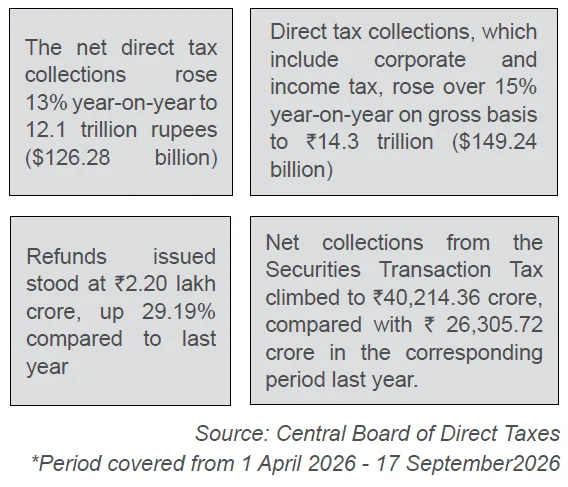
BCAS IN NEWS & MEDIA

Gen Z

In a senior citizens’ association, members were discussing the present day’ inflation. All had become nostalgic – in the memories of their childhood. They were vying with one-another in describing how cheap the things were in their childhood. Their chat was something like this –

  •  When I used to go to the school, my bus fare was five naye paise! Since I was a regular ‘passenger’, occasionally conductor-uncle left me just like that! No ticket.
  •  Minimum local train fare was 30 naye paise! My father used to travel from Mumbai to Pune in just seven rupees!
  •  When I got married, the gold was 30 rupees a tola!
  •  In my college canteen, vada was 15 naye paise for – two pieces and tea was 10 paise!
  •  Minimum taxi fare was less than one rupee. I think 80 naye paise. That was a luxury. Taxi was hired only when we went on a long travel in a train, since there used to be big luggage with us.
  •  In our school picnic, the contribution per student used to be 3 to 5 rupees which my parents felt to be on higher side!
  •  With chilly and coriander, they used to give pieces of ginger free!

Likewise the discussion was going on. All of them expressed concern over the present day inflation, conveniently forgetting that their pension amount was about 10 times their last drawn salary at the time of retirement. This, of course, is human nature. We often have only one-sided thinking.

One gentleman narrated an interesting experience about Gen Z – his 6-year-old grandson. He said “Friends I was describing all this to my grandson who is just 6-year-old. I told that I used to accompany my father to the market during Diwali festival. He used to carry a few cloth bags with just 10 to 15 rupees in his pocket. We used to buy so many things! Grains, fruits, new clothing, toys, crackers, Diwali sweets, so on and so forth. It was difficult to carry the load of full bags. In addition, we also used to have masala dosa in a small hotel We visited restaurants only once or twice in a year!

My grandson was completely puzzled. He wondered why at all we went to the market to buy things, when everything was available online!

And secondly, he said – ‘Grandpa, now all these purchases may not be possible in such a small amount since, now everywhere CC TV cameras are set!

Regulatory Referencer

I. FEMA

1. RBI notifies FEM (Guarantees) Regulations, 2026; mandates quarterly reporting of guarantees in Form GRN

The RBI issued FEM (Guarantees) Regulations, 2026 superseding the regulations of 2000. It regulates guarantees involving residents and non-residents under FEMA. The following regulations are provided:

a. Prohibition of Indian residents from being parties to guarantees involving non-residents, except as permitted.

b. Exemptions where guarantees provided by overseas or IFSC branches of Authorised dealer banks; certain irrevocable payment commitments and guarantees issued under overseas investment regulations.

c. Permission to Indian resident to act as a Surety or principal debtor.

d. Permission to Indian residents to obtain guarantees as creditors.

e. Reporting requirements – Form GRN introduced.

f. Like other regulations, a late submission fee is prescribed for late reporting and enforcing compliance.

                                                                                                                     [Notification No. FEMA 8(R)/2026-RB, dated 6th January 2026]

2. RBI issues new FEMA regulations on export and import of goods and services, effective October 1, 2026

RBI has notified FEM (Export and Import of Goods and Services) Regulations, 2026 superseding Export Regulations of 2015 and consolidating frameworks for both Import and Export. These regulations will be effective from 1st October 2026.

Subsequently, it has also issued Master Directions with instructions contained therein for export and import effective from the same date. The RBI has directed Authorised Dealers (ADs) to ensure adherence to rules, regulations, directions and Foreign Trade Policy and the ADs shall send all references to RBI through PRAVAAH portal and inform any doubtful transactions to Directorate of Enforcement (DoE). They may bring the contents of the circular to the notice of their customers/ constituents concerned.

Key changes that are going to take place are as follows:

a. Export Proceeds realisation – Earlier, the period was either 9 or 12 months. Proposed uniform period will be 15 months and 18 months for INR invoiced trade. If the export proceeds are unrealised beyond one year or the extended period, then the subsequent exports will be permitted only against full advance payment or irrevocable Letter of Credit.

b. Declaration of Export Value and Reporting – A single unified reporting in ‘Export Declaration Form’ (EDF) which will include reporting for software as well, unlike SOFTEX in the existing reporting framework. EDF will have to filed within 30 days from the month end of raising the invoice. It may cover all the exports for that month.

c. Set off of export receivables against import payables – Earlier, it was permitted in restrictive manner and subject to various conditions. As per the proposed regulations/directions, powers lie with the AD Bank to permit set-off with the same buyer or supplier or their overseas group or associate companies within the prescribed time.

d. Project Exports – Repealing the earlier Memorandum of Instructions on Project and Service exports (PEM) Rule, the new regulations combine these retaining the same definition as per foreign trade Policy (FTP). These transactions must be supported by contracts and verification by AD Banks before permitting receipts/payments.

e. Merchanting Trade Transactions (MTT) – The framework is simplified and AD Bank has been empowered to set internal guidelines. The period between outward and inward remittance or vice versa should not exceed six months. AD Bank must ensure Export data processing and monitoring system (EDPMS) and Import data processing and monitoring system (IDPMS).

f. INR trade settlement – Earlier it was allowed through a series of circulars introducing Vostro Mechanism. Now, Rupee settlement is formally integrated in these regulations.

                                                                                                                                                                                                                 [Notification No. FEMA 23(R)/2026-RB, dated 13th January 2026]

                                                                                                                                                                                                                 [AP (DIR Series 2025-26) Circular No. 20, dated 16th January 2026] 

3. RBI recognises FEDAI as a Self-Regulatory Organisation for Authorised Dealers

FEDAI submitted application under the Omnibus Framework for recognition of Self-Regulatory Organisations (SROs) to be recognised as an SRO. RBI, after examining and since FEDAI is functioning akin to an SRO, decided to recognise it as an SRO for all the Authorised Dealers. One year’s time has been given to FEDAI to bring in line its functioning and governance framework with that of Omnibus SRO Framework.

                                                                                                                                                                                                                       [Press Release No. 2025-2026/1926, dated 14th January 2026]

4. RBI amends Borrowing and Lending Regulations, revising ECB framework and end-use restrictions for borrowed funds.

RBI had released draft Borrowing and Lending Regulations pertaining to External Commercial Borrowing (ECB) for public feedback on 3rd October 2025. Now it has notified the Foreign Exchange Management (Borrowing and Lending) (First Amendment) Regulations, 2026, amending the existing framework under FEMA. The amendments have rationalised the ECB framework by expanding the definitions of eligible borrowers, review of end-user restrictions and simplification of reporting requirements. Following are the key aspects of the amended regulation:

a. Eligible borrowers include:

i.  A person resident in India (other than Individual) incorporated or registered under a Centre or State Act, subject to permissions under governing legislations. This will now include an LLP too.

ii. Entities under restructuring or corporate insolvency resolution process (CIRP) if expressly allowed under approved resolution plan.

iii. Borrowers facing investigation, adjudication or appeal by law enforcement agency for any contraventions without prejudice to the outcome. Such borrowers must disclose all pending proceedings in Form ECB-1 or Revised Form ECB-1 (for existing ECB).

b. Eligible borrowers include:

i. Any person resident outside India ( including individuals) can now lend under ECB.

c. Maturity Period:

i. A minimum average maturity period (MAMP) of three years shall exist bringing in uniformity over various end-use purposes.

ii. Manufacturing borrowers may raise ECB with MAMP between one year and three years, provided the ECB amount does not exceed USD 150 million.

d. Currency of Borrowing:

i. Borrowing may be in Foreign currency (FCY) or Indian Rupees (INR).

ii. These maybe inter-changed.

iii. The change of currency shall be at the exchange rate prevailing on the date of the agreement for such change or at the rate which does not result in a higher lia1bility arrived by using exchange rate as on agreement date.

e. Cost of Borrowing:

i. It shall be in line with the prevailing market conditions – all in cost ceilings dropped.

ii. For ECBs with MAMPs less than three years, it shall comply with all-in cost ceiling specified for Trade Credit

iii. ECBs from related parties must be on Arm’s Length Basis.

f. Restrictions on the End-use of ECB money –

End-use restrictions are same as sectors restricted for FDI under NDI Rules, 2019. Real Estate Businesses and exceptions thereto are enumerated clearly.

                                                                                                                                                                            [Notification No. FEMA 3(R)(5)/2026-RB, dated 9th February 2026]

II. IFSCA

1. IFSCA approves targeted regulatory relaxations across funds, intermediaries, GICs and BATF services

The 26th meeting of IFSCA was held on 22nd December 2025. The purpose of the meeting was to provide wide range of regulatory reforms to enhance ease of doing business while also saving investor interests. Important changes include the following amendments to Fund Management Regulations:

a. Relaxation of eligibility criteria for key managerial personnel (KMP)

b. One-time extension is dispensed with and allowing multiple extensions of six months for Private Placement Memoranda (PPM)

c. Provide one time revival window for three months made available to the schemes where PPMs have expired

d. Grant a twenty-four-month migration window to appoint IFSC-based custodians

e. Approval of IFSCA (Global In-House Centres) Regulations, 2025

f. Introduction of investor protection measures for under-capitalised open-ended schemes

g. Removal of minimum office space requirements for BATF service providers

h. Rationalisation of Capital Market Intermediaries (CMIs) eligibility

i. Umbrella registration options for CMIs

j. Amendment to IFSCA (Registration of Business) Regulations, 2021 by changing the definition of “Lloyd’s Service Company. Now, it includes service companies promoted by the group entities of Managing Agents of Members of Lloyd’s.

The notifications for all the above are to be released in the due course on the IFSCA website.

                                                                                                                                                                      [Press Release, dated 23rd December 2025]

2. IFSCA notifies Global In-House Centres Regulations to operationalise GICs as financial service

The IFSCA has issued IFSCA (Global In-House Centres) Regulations, 2025 in replacement of IFSCA (GICs) Regulations, 2020. These regulations are aimed to position the IFSCs as Global hubs for high-value financial and related services. It further aims to generate skilled employment, on-shore India-centric financial services presently undertaken offshore. The regulations define eligible Financial Institution Groups, permissible operating models, registration procedures through a Single Window IT system, conditions for grant and validity of registration. However, the framework restricts services largely to non-resident group entities, caps India-related revenue at 10% and prohibits mere transfer of existing India contracts. Further, it also introduces “fit and proper” norms, mandates full time principal and compliance officers based in IFSCs, prescribes foreign currency operations and reporting.

It requires that existing GICs to make the transition to the 2025 regulations within 90 days from the date of commencement of these regulations i.e. 24th December 2025.

                                                                                                                                                                       [Notification No. IFSCA/GN/2025/012, dated 24th December 2025]

3. IFSCA issues clarifications on computation of liquid net worth under IFSCA (Capital Market Intermediaries) Regulations, 2025

Reference is drawn to IFSCA (CMIs) Regulations, 2025 wherein the following changes are made in the definition of Net Worth:

a. Base minimum Capital and interest free deposits maintained by the registered broker dealers and registered clearing members with the RSEs and clearing corporations respectively

b. Margins maintained by registered broker dealers or clearing members in relation to their trading activities in IFSC or Global Access

c. Liabilities are not considered as part of “Net worth” provided in the CMI Regulations

                                                                                                                                                                    [Circular No. IFSCA-PLNP/80/2024– Capital Markets, dated 30th December 2025]

4. IFSCA specifies operating leases, including hybrid leases, of oilfield equipment as a ‘financial product’

The IFSCA has specified that any Operating Lease in respect of ‘Oilfield Equipment’, including any hybrid of operating and financial lease, shall be a financial product. For this notification, “oilfield equipment” shall mean goods used in connection with an oilfield. The oilfield shall have the same meaning as assigned under Section 3(e) of Oilfields (Regulation and Development) Act, 1948.

                                                                                                                                                                      [Notification No. IFSCA/GN/2026/001, dated 5th January 2026]

5. IFSCA prescribes additional disclosures and process for scheme filings under Third-Party Fund Management

IFSCA has clarified that Registered FMEs authorised for Third-Party Fund Management must file scheme applications using the format/documents prescribed under the IFSCA “Ease of doing business, Filing of Schemes or funds…” circular dated 05.04.2024, and additionally submit third-party fund manager details: (i) legal name, registered office and proof of home-jurisdiction regulatory registration/licence, (ii) a UBO “look-through” chart, and (iii) profiles of board/designated partners and KMPs.

                                                                                                                                                                      [Circular No. IFSCA/AIF/218/2025-Capital Markets, dated 16th January 2026]

6. IFSCA grants a one-time three-month window to extend the validity of expired or expiring PPMs for eligible schemes

Attention is drawn to regulations relating to Placement memorandum (PPM) under IFSCA (Fund Management) Regulations, 2025. The PPMs of a Venture Capital Scheme and Restricted Scheme shall be valid for twelve months from the date of communication. After receiving representations from requesting a flexibility regarding flexibility of PPMs, the IFSCA has provided a one-time window of three months from the date of issuance of this circular. Hence the one-time window will be valid till 27th April 2026.

Similarly, an extension is provided for PPMs for scheme that have not commenced investments. The Fund Management Entities (FMEs) will have to re-file the PPM within three months from issuance of this circular (till 27th April 2026). An important point to be noted here is that there must not be any material change in the PPM with respect to key aspects, including name, investment objective and strategy, structure, etc. Such application shall be accompanied by 50% of the filing applicable for filing new application. Similar extensions are provided for Open-ended schemes.

                                                                                                                                                                                         [Circular No. IFSCA-IF-10PR/1/2023-Capital Markets, dated 27th January 2026]

7. IFSCA introduces website requirement for Finance Companies and Units in GIFT IFSC

IFSCA mandates Finance Companies (FCs) regulated under IFSCA (Finance Company) Regulations, 2021 to maintain a dedicated website or web page. Such website should display the following information about FCs:

a. Brief overview of GIFT IFSC ecosystem,

b. Certificate of Registration clearly reflecting the Registration number and permitted activities

c. A list of products and services offered, with detailed description of each such offering

d. Grievance redressal procedure and contact details of the Grievance redressal officer

e. Name, designation and contact details of key managerial personnel in IFSC (such as Head of FC/FU, CEO, CFO, Compliance officer, Principal officer, as applicable)

                                                                                                                                                                                       [Circular No. IFSCA-FCR/4/2026-Banking, dated 3rd February 2026]

8. IFSCA, India & FCA, UK sign Exchange of Letters to boost regulatory cooperation in identified areas of mutual interest

The IFSCA, India and Financial Conduct Authority of UK have signed an Exchange of Letter (EoL) to formalise regulatory co-operation in identified areas of mutual interest. It was signed on 11th February 2026. The objective is to facilitate sharing of information on developments in regulation for financial products, financial services, financial institutions, developments in regulatory and supervisory frameworks and initiatives, including sharing of best practices.

                                                                                                                                                                                               [Press Release, dated 11th February 2026]

9. IFSCA approves draft Pension Fund Regulations, 2026 to establish framework for retirement savings in IFSC

The IFSCA has issued IFSCA (Pension Fund) Regulations, 2026 on 9th February 2026. The key features of the Draft Regulations are as follows:

a. Pension Product for any Individual above the age of 18 years

b. Participation is entirely voluntary. Investment options include Active Choice (for determining asset allocation) and Auto Choice (for automatic adjustment of allocation based on age)

c. 10% will be allocated towards Health Benefit Option

d. Flexible withdrawal and Exit Framework give options to the individuals the manner in which they want to withdraw.

e. These regulations provide for mandatory registration of Pension Fund Managers (PFMs), Board oversight and framework with three-lines-of-defence model

f. PFMs have the flexibility to invest across equities (domestic and foreign, fixed income assets and other permissible assets.

                                                                                                                                                                                          [Press Release, dated 12th February 2026]

10. IFSCA issues FAQs on IFSCA (Global In-House Centres) Regulations, 2025

The IFSCA has issued Frequently Asked Questions (FAQs) on the IFSCA (Global In-House Centres) Regulations, 2025. The FAQs cover matters relating to applications, legal forms and registration, permissible services and service recipients, operating models of a GIC Unit, compliance requirements and restrictions, third-party service providers, and miscellaneous areas.

                                                                                                                                                                                              [FAQs, dated 17th February 2026]

Tech Mantra

Okular

OKULAR

Okular is a Universal Document Viewer. Multi-platform, fast and packed with features, Okular allows you to read PDF documents, comics and ePub books, browse images, visualize Markdown documents, and much more.

With Okular’s “Annotation Mode” you can easily add inline and popup notes, highlight and underline text, or even add your own text on the fly. The Selection Mode allows you to copy and paste almost anything from your documents to elsewhere. And, if the text is too small, you can use the “Magnifier Mode”. With Okular’s “Thumbnail Panel”, you can browse graphically the part of the document you were looking for. You can also view and verify digital signatures embedded in PDFs, check if they are still valid, and detect any modifications since the document was signed. You can even sign PDFs yourself.

Okular is open source and always free. Try it as an efficient replacement for your PDF viewer / editor.

https://okular.kde.org/

Our Home

Home

Our Home is a simple task manager to manage household tasks. It simplifies household management and collaboration with family members and / or roommates, helping you stay organized and connected wherever you go.

You can create and organize tasks by room and assign them to specific family members. Set deadlines and schedule recurring tasks for an organized routine. You can use the built-in calendar to keep track of all tasks and deadlines.

Create shopping lists effortlessly. You can tailor your shopping list to different stores and categories. You can even manage your inventory digitally to see what is in stock and what needs to be replaced!

It helps you collaborate with roommates and family members effortlessly. You can even have an overview of all assigned tasks on a single screen.
Try Our Home today and take the drudgery out of your daily tasks!

Android : https://tinyurl.com/HomeOrganize

Fluent Search

Fluent Search

Fluent Search allows you to search your Windows computer at blazing-fast speeds for files, apps, web content, and more. As you type in the Search Bar, Fluent Search instantly delivers smooth and precise results – saving you time and keeping your workflow uninterrupted.

Fluent Search allows you to locate files, browser tabs, history, apps, open windows and more – all from one powerful search interface.

Just press Ctrl+Alt and the Search Bar appears instantly for your command! Far superior to the Windows Search which is slow and tardy. Try it today for a fluent search experience!

https://fluentsearch.net/

ICAI and Its Members

A. ICAI NOTIFICATION

1. ICAI (GLOBAL NETWORKING) GUIDELINES, 2025

The Institute of Chartered Accountants of India has notified the ICAI (Global Networking) Guidelines, 2025 vide Gazette Notification dated 11th February 2026, enabling Indian CA firms to formally network with global professional entities.

OBJECTIVE AND SCOPE

The Guidelines establish a comprehensive regulatory framework enabling domestic CA firms, networks, and entities registered with ICAI to enter into structured networking arrangements with overseas entities. The framework aims to enhance the global competitiveness of Indian CA firms, foster knowledge and technology sharing, improve service quality, and bring Global Networks under the regulatory oversight of ICAI in respect of their Indian operations.

APPLICABILITY

The Guidelines apply to:

  • ICAI-registered CA firms;
  • Management consultancy entities registered with ICAI;
  • Domestic networks formed under earlier Networking Guidelines;
  • Any domestic entity entering into networking/affiliation/association with foreign entities.

The Guidelines are effective from the date of publication in the Official Gazette.

KEY DEFINITIONS

Important concepts clarified include:

  • Domestic Entity – ICAI-registered firm, network or management consultancy entity.
  • Foreign Entity – Any entity established outside India providing or facilitating professional services (including accounting and assurance).
  • Global Network – A written arrangement between a domestic entity and foreign entity involving cost sharing, common branding, shared resources, quality control, systems, etc.
  • Nodal Officer – A full-time practicing ICAI member in good standing responsible for compliance and liaison.

The definition of “network” is substance-based and includes arrangements involving:

  • Common brand name/logo,
  • Shared quality control policies,
  • Shared systems, technical resources, training,
  • Cost-sharing structures,
  • Shared professional personnel.

KEY FEATURES

The Guidelines introduce a formal two-stage registration process — first, approval of the name of the Global Network (Form AGN, fee: ₹10,000), followed by registration (Form BGN, fee: ₹30,000). Each Global Network must have a distinct ICAI-approved name with the suffix “Global Network.” Domestic entities may be constituents of more than one Global Network.

A Nodal Officer — a senior member of ICAI in good standing and must be managing partner/CEO/MD or equivalent with highest profit/capital share — must be designated for each Global Network to ensure ongoing regulatory compliance, annual reporting, and communication with ICAI.

ANNUAL REPORTING AND COMPLIANCE

Registered Global Networks are required to file an Annual Return (Form DGN) within 120 days of the close of each financial year, disclosing details of revenue, fees exchanged with overseas entities, disciplinary proceedings, and other material information. All information so submitted will be treated as confidential.

ETHICAL AND REGULATORY SAFEGUARDS

The Guidelines require strict compliance with ICAI’s Code of Ethics, the Chartered Accountants Act, 1949, and all applicable Indian laws. Key restrictions include prohibition on performing services barred under Section 144 of the Companies Act, 2013 for audit clients, and prohibition on fee/profit sharing with non-ICAI registered entities. Any violation constitutes professional misconduct.

POST-REGISTRATION CHANGES AND DE-REGISTRATION

Prescribed forms have been notified for reporting changes in the constitution of a Global Network (Form CGN), de-registration (Form EGN), and withdrawal of name approval (Form FGN). ICAI retains full jurisdiction over acts and omissions during the registration period even after de-registration.

PERMITTED FRAMEWORK OF ARRANGEMENTS

Permissible networking arrangements include:

  • Access to global tools and digital platforms.
  • Technology and process sharing.
  • Quality control alignment.
  • Access to international assignments.
  • Participation in M&A, due diligence, cross-border engagements.
  • Payment/receipt of network fees (one-time or recurring), subject to compliance.

However, mere referral arrangements may not constitute a network unless broader structural integration exists.

PROHIBITED SERVICES

The following are expressly restricted:

  1. Prohibited services under Section 144 of Companies Act, 2013 to audit clients.
  2. Fee sharing with non-members unless permitted under ICAI Code of Ethics.
  3. Any activity violating ICAI Code, CA Act or Regulations.
  4. Activities not conducted at arm’s length.

The Nodal Officer must ensure maintenance of documentation supporting arm’s length nature of transactions.

CONSEQUENCES OF NON-COMPLIANCE

ICAI retains regulatory oversight powers to:

  • Seek additional documentation at any time.
  • Withdraw name approval.
  • Cancel registration.
  • Initiate disciplinary proceedings.
  • Require exit from non-compliant network within 30 days.

Non-compliance constitutes professional misconduct under the CA Act, 1949. Disciplinary action may arise in cases such as:

  • Claiming to be part of unregistered global network.
  • Failure to furnish information.
  • Non-filing of prescribed forms.
  • Including entities in violation of guidelines.
  • Indirect benefit from non-compliant networking arrangements.

https://egazette.gov.in/WriteReadData/2026/270214.pdf

2. UDIN PORTAL – ICAI

The following important updates implemented at the UDIN Portal:

i. Ceiling on UDIN Generation for Tax Audits under Section 44AB (w.e.f. 1st April 2026)

In accordance with the Council’s decision at its 442nd meeting, a ceiling on the maximum number of UDINs generated will be implemented from 1st April 2026, in line with the prescribed limit of 60 Tax Audits. This ceiling will apply to Form 3CA and Form 3CB sub-categories under Section 44AB. Field-level validation has already been activated at the UDIN Portal across all sub-categories under Section 44AB [Clauses (a) to (e)] under the ‘GST and Tax Audit’ category.

https://udin.icai.org/ICAI/announcement/6/148/UDIN_11-02-2026

ii. UDIN Validation Now Based on Five Parameters

The PAN of the assessee has been added as a mandatory field for UDIN generation under the ‘GST & Tax Audit’ category. Accordingly, UDINs will now be validated at the CBDT e-Filing Portal based on five parameters: MRN, UDIN, AY/FY, Form No., and PAN of the assessee. The PAN information will remain confidential and will not be visible to any third-party verifier.

https://udin.icai.org/ICAI/announcement/6/145/UDIN_20-12-2025

iii. Disclosure of Preceding Year’s Audit Details during UDIN Generation

Succeeding auditors will now be required to provide details of the preceding year’s audit while generating UDINs under the ‘GST & Tax Audit’ and ‘Audit & Assurance Functions’ categories. This information will be confidential and not disseminable to any third party.

https://udin.icai.org/ICAI/announcement/6/146/UDIN_20-12-2025

For any clarification, members may write to: udin@icai.in

B. EMPANELMENT

Empanelment of Members to Act as Observers at the Examination Centres for The Chartered Accountants’ Examinations, May 2026.

It is proposed to empanel members to act as Observers for the forthcoming May -2026 Chartered Accountants Examinations scheduled to be held in May 2026. The honorarium of ₹3,750/- per day / per session and ₹500/- as conveyance reimbursement for ‘A’ class cities and ₹400/- for other cities per day (to cover cost of local travel) will be paid. A member who fulfills the above-mentioned eligibility criteria, and is desirous of empaneling himself / herself for the assignment, may do so, online at http://observers.icaiexam.icai.org

Timelines:

  • Opening of the window for empanelment – 20th February 2026 (Friday)
  • Closing of the window for empanelment – 19th March 2026 (Thursday)

https://resource.cdn.icai.org/90941exam-aps4120.pdf

C. INVITATION TO COMMENT | EXPOSURE DRAFT

Standard on Auditing for Less Complex Entities (SA for LCE)

The ICAI has proposed to introduce a dedicated Standard on Auditing for Less Complex Entities (SA for LCE) — a tailored auditing standard designed to reflect the specific nature and circumstances of audits of LCEs in both the private and public sectors.

The standard aims to achieve reasonable assurance that financial statements of LCEs are free from material misstatement, whether due to fraud or error, while ensuring consistent performance of quality audit engagements. Key highlights include:

Specifically designed for audits of complete sets of general purpose financial statements of LCEs, with provisions for adaptation to special purpose financial statements or specific elements/accounts, where applicable

  • Premised on the firm being subject to SQM 1, with quality audit engagements achieved through proper planning, performance and reporting in accordance with professional standards and applicable legal and regulatory requirements
  • Requires the exercise of professional judgment and maintenance of professional skepticism throughout the engagement
  • Use is optional — even where an entity qualifies as an LCE, the auditor may, at their professional discretion, choose to conduct the audit under the full set of Standards on Auditing instead. But when an audit engagement is conducted using this standard, the Standards on Auditing (SAs) do not apply to that engagement. This standard serves as a standalone framework for eligible LCE audits. If used beyond the scope contemplated in Part A, the auditor is not permitted to represent compliance with the SA for LCE in the auditor’s report.
  • Where the auditor opts for the full SAs, the audit must be planned, performed and reported accordingly, and compliance with the SA for LCE cannot be represented in the auditor’s report
  • The standard does not override applicable local laws or regulations, and auditors remain responsible for ensuring compliance with all relevant legal, regulatory and professional obligations

https://resource.cdn.icai.org/90639aasb-aps4044.pdf

Members are invited to share their comments on the above Exposure Draft by March 20, 2026.

Comments may be submitted to:

Secretary, Auditing and Assurance Standards Board The Institute of Chartered Accountants of India ICAI Bhawan, A-29, Sector – 62, Noida – 201 309

Email: aasb@icai.in

D. ICAI PUBLICATION

1. Practitioner’s Guide on Drafting of Modified Opinions in Independent Auditor’s Reports

The AASB of ICAI has released the “Practitioner’s Guide on Drafting of Modified Opinions in Independent Auditor’s Reports” — a practical resource to help auditors draft clear and appropriate modified opinions in compliance with the Standards on Auditing.

The Guide covers:

  • Overview of modified opinion concepts and types
  • Guidance on presentation and headings in auditor’s reports
  • Illustrative formats for Qualified, Adverse, and Disclaimer of Opinion
  • Examples across commonly encountered audit areas and circumstances

Building on earlier publications — the Implementation Guide on Reporting Standards (2018) and Analysis of Modified Opinions (2023) — this Guide serves as an additional layer of practical support for auditors.

https://resource.cdn.icai.org/90889aasb110225.pdf

2. Guidance on New Labour Codes

The AASB of ICAI has release the “Guidance on New Labour Codes” — a comprehensive resource designed to assist auditors in navigating the audit implications arising from the implementation of the new Labour Codes.

The implementation of the Labour Codes introduces significant auditing considerations, including assessment of risks of material misstatement, compliance with applicable laws and regulations, appropriate accounting treatment for employee-related costs and liabilities, and adequacy of financial statement disclosures.

The Guidance addresses key areas commonly encountered in audit engagements, including:

  • Payroll-related expenses, employee benefit provisions, and statutory dues
  • Understanding the entity’s workforce structure and management’s response to the Labour Codes
  • Designing audit strategies and conducting engagement team discussions on risk assessment
  • Performing appropriate control and substantive procedures
  • Management representations and communication with those charged with governance
  • Audit documentation and reporting considerations, including modifications to the auditor’s opinion, Emphasis of Matter paragraphs, and reporting under CARO and internal financial controls, where applicable

This Guidance, developed with reference to the applicable Standards on Auditing, seeks to equip members with practical direction in effectively discharging their audit responsibilities in the evolving regulatory landscape of labour law reforms.

https://resource.cdn.icai.org/90779aasb-aps4103-guidance.pdf

3. Technical Guide on Revised Directions issued by CAG under Section 143(5) of the Companies Act, 2013

The AASB of ICAI has released the “Technical Guide on Revised Directions issued by CAG under Section 143(5) of the Companies Act, 2013” — a focused resource to assist auditors of Government companies and Government-owned/controlled companies in effectively responding to the revised directions issued by the Comptroller and Auditor General of India (CAG).

Government company audits are governed by the specific framework under Section 143(5) of the Companies Act, 2013, which empowers the CAG to issue directions to auditors on the manner of audit. In exercise of these powers, the CAG issued revised directions vide letters dated 23rd May 2025 and 17th October 2025, requiring auditors to focus on the following high-impact thematic areas:

  •  Fair valuation of investments made for post-retirement employee benefits
  • IT-based processing of accounting transactions, with emphasis on IT controls and cybersecurity-related controls
  • Accounting and utilisation of Government grants/subsidies
  • Risk management policy for key risk areas, and identification & valuation of data assets
  • Compliance with applicable legal and regulatory requirements

Recognising the practical challenges auditors may face in interpreting these directions and aligning their audit procedures and reporting responses, the AASB has developed this Technical Guide to provide direction-wise guidance on audit approach and reporting considerations, along with illustrative reporting formats to promote clarity, consistency and quality in auditors’ responses.

https://resource.cdn.icai.org/90773aasb-aps4101-announcement.pdf

4. FAQs on Unique Document Identification Number (UDIN)

The Sixth Edition of the FAQ on UDIN incorporates the latest developments, member feedback, statutory updates, evolving use cases, and technological enhancements. This edition aims to serve as a comprehensive guide for practicing members and an authoritative reference for stakeholders who rely on CA-certified documents.

https://resource.cdn.icai.org/90857faqudin2026.pdf

5. Meetings of Committee of Creditors – A Handbook for the Guidance of Insolvency Professionals (Revised February 2026 Edition)

The Insolvency & Valuation Standards Board of ICAI has released the second and updated edition of reference publication for Insolvency Professionals titled “Meetings of Committee of Creditors – A Handbook for the Guidance of Insolvency Professionals (Revised February 2026 Edition)”.

The Committee of Creditors (CoC) plays a central role in the corporate insolvency resolution process, and the effectiveness of the resolution process depends significantly on their informed, transparent and timely decision-making. This revised handbook has been updated to incorporate recent regulatory developments, circulars and judicial pronouncements that directly impact the functioning of the CoC.

The handbook provides comprehensive guidance on:

  • The legal framework governing CoC meetings, including convening, conduct, quorum, voting mechanisms, and documentation of decisions
  • Best practices and procedural discipline to ensure meetings are conducted fairly, transparently and efficiently, consistent with the principles of natural justice
  • Timely issuance of notices and agendas, and adequate dissemination of information to enable informed decision-making
  • Maintenance of neutrality and independence by the Resolution Professional, and proper recording of deliberations and voting outcomes
  • Fiduciary responsibilities of CoC members, the exercise of collective and commercial wisdom in good faith, and balancing stakeholder interests while maximising the value of the corporate debtor

https://resource.cdn.icai.org/90897ivsb120226.pdf

6. Issues and Recommendations emerging from the deliberations at International Convention on Insolvency Resolution and Valuation: RESOLVE-2025 by I&VSB ICAI

The Insolvency & Valuation Standards Board, in association with the Insolvency and Bankruptcy Board of India (IBBI), Indian Institute of Corporate Affairs (IICA), Indian Institute of Insolvency Professionals of ICAI (IIIPI), and ICAI Registered Valuers Organisation (ICAI RVO), hosted the 3rd International Convention on Insolvency Resolution and Valuation – RESOLVE 2025.

Based on deliberations held at RESOLVE-2025, the Board has prepared a consolidated publication capturing key issues and recommendations emerging from the discussions at the Convention.

https://resource.cdn.icai.org/90890ivsb-yash-11.pdf

E. RESEARCH REPORTS

1. Reprioritising Environmental Claims under the Insolvency and Bankruptcy Code

The research report ‘Reprioritising Environmental claims under the Insolvency and Bankruptcy Code’ delves into the “Polluter Pays Principle” and examines the intricate interface between the Insolvency and Bankruptcy Code (IBC) and environmental liabilities, while identifying legislative pathways to effectively integrate environmental claims within the resolution framework.

2. Mahua Flowers: Regulatory, Economic and Social Opportunities

The research report on “Mahua Flowers: Regulatory, Economic and Social Opportunities” analyses the current harvest and utilization scenario of Mahua flowers and provides targeted suggestions for policy initiatives and scalable use cases. Its core objective is to offer pathways to sustainably unlock value from both a social upliftment and an economic growth perspective.

3. REITs and Their Emerging Significance in India: A Regulatory, Market and Professional Perspective

The report offers a comprehensive overview of the REIT ecosystem, covering global benchmarks, India’s regulatory and taxation framework, governance practices, market developments, and the emerging SM REIT structure. It identifies key challenges to wider adoption — including tax clarity, transaction costs, investor awareness and institutional participation — and provides practical recommendations at the policy, market and operational levels.

The report also highlights the growing role of Chartered Accountants in this space, with expanding opportunities in financial reporting, assurance, valuation, taxation, regulatory compliance and ESG reporting, as REITs continue to bridge the real estate and capital markets in India.

https://resource.cdn.icai.org/90859reit-ya-11.pdf

4. Revitalizing India’s Legal Landscape: Addressing Obsolete Economic and Commercial Laws for A Viksit Bharat @ 2047

The report examines the reliability and relevance of India’s current statutory frameworks through doctrinal analysis and empirical feedback from professional stakeholders. It identifies economic and commercial laws that need strengthening in line with the objectives of Viksit Bharat @ 2047, and aims to support the creation of a contemporary legal system that fosters entrepreneurship, fair competition and robust institutional governance — positioning India as a leading global economy by 2047.

https://resource.cdn.icai.org/90860rilld-ya-11.pdf

F. OPINION

Accounting for commission paid for performance bank guarantees, under Ind AS framework

a. Facts of the Case

  • The company, a JV of two PSUs, obtained PNGRB authorisation to develop CGD networks and was required to furnish a Performance Bank Guarantee (PBG) of ₹1,948 crore as a precondition.
  • The promoters provided the PBG and recovered the bank guarantee (BG) commission from the company through debit notes with GST.
  • The company capitalised the BG commission as part of CWIP under AS 16 and depreciated it after commissioning.
  • During supplementary audit for FY 2023-24, C&AG objected, stating that capitalisation overstated profit and assets and that the commission should be expensed.
  • The company defended its treatment on the basis that furnishing the PBG was mandatory for project execution and relied on Ind AS 16 and earlier EAC opinions.

B. QUERY

The querist sought EAC opinion on:

  1. Whether capitalisation of BG commission of ₹13.44 crore relating to the PBG is correct under AS 16.
  2. If not, what should be the appropriate accounting treatment.
  3. If a change is required, whether it should be treated as change in estimate, accounting policy, or prior-period error.

C. POINTS CONSIDERED BY THE COMMITTEE

  • The Committee confined itself to accounting for BG commission paid to promoters and did not examine other project accounting matters.
  •  It noted that no borrowing was taken by the company and the BG commission did not relate to borrowings; therefore AS 23 was not applicable.
  • Under AS 16, only costs directly attributable to bringing the asset to the location and condition necessary for intended use can be capitalised.
  • “Directly attributable” costs are those necessary for construction activity and without which the asset cannot be made ready for use.
  • The Committee observed that BG commission is incurred to obtain authorisation (PBG) and not for construction of the asset.
  • Although furnishing PBG is essential for obtaining the project, the commission does not add value to construction nor bring the asset to operating condition.
  • Further, the BG commission does not create a resource controlled by the company, and hence cannot be recognised as a separate asset.

D. OPINION

The Expert Advisory Committee opined that:

  1. Capitalisation of BG commission is not appropriate.
  2. The BG commission should be recognised as an expense in the Statement of Profit and Loss as and when incurred.
  3. Since the existing treatment is not in accordance with Ind AS, it should be rectified in the current reporting period as an accounting error in accordance with Ind AS 8, with retrospective correction as required.

https://resource.cdn.icai.org/.pdf

Statistically Speaking

TAX TRENDS IN 2025

TOP COUNTRIES WITH SPACE TECH STARTUPS

COUNTRIES WITH THE LARGEST FOREIGN EXCHANGE RESERVES

HIGHEST NATIONAL DEBT 2025 AS A PERCENTAGE OF GDP

BEST PLACES TO RETIRE IN 2026

ICAI and Its Members

I. EXPOSURE DRAFT

1. RISK MITIGATION ACCOUNTING-PROPOSED AMENDMENTS TO IFRS 9 AND IFRS 7

The Exposure Draft sets out the proposed amendments to IFRS 9 Financial Instruments and IFRS 7 Financial Instruments: Disclosures. The IASB is proposing:

  • to add a risk mitigation accounting model for companies managing repricing risk on a net basis; and
  • to require a company to disclose its strategy for managing repricing risk and the effects of its risk management activities.

The IASB is also seeking feedback on the proposed withdrawal of IAS 39 Financial Instruments: Recognition and Measurement.

Public comments submission last date: May 22, 2026.

Download the Exposure Draft: https://resource.cdn.icai.org/90018asb-aps3657-1.pdf

Submit Comments:

II. ICAI ANNOUNCEMENTS

1. PEER REVIEW PHASE IV EXTENSION

The Peer Review Board of the Institute of Chartered Accountants of India has announced a deferment of Phase IV of the Peer Review mandate, originally effective from 1 January 2026, to now be applicable from 31 December 2026. This extension applies to practice units (firms) that propose to undertake audits of branches of public sector banks and to those rendering attestation services with three or more partners, for whom obtaining a valid Peer Review Certificate will continue to be a pre-requisite before accepting statutory audits under the Phase IV coverage criteria.

Read Circular at: https://resource.cdn.icai.org/90105prb-aps3736.pdf

2. CLARIFICATIONS/FAQS ON THE ISSUES ARISING OUT OF THE PEER REVIEW MANDATE

The Peer Review Board of the ICAI has issued comprehensive clarifications and FAQs addressing key aspects of the Peer Review Mandate, including its phased applicability to practice units based on audit scope and firm size, such as statutory audits of listed entities or large unlisted public companies and assurance service thresholds under different phases. The guidance clarifies timing for obtaining a valid Peer Review Certificate before acceptance and signing of statutory audits, definitions of “raised funds” for applicability, and delineation of Public Interest Entities under the mandate. It also specifies the coverage of audits under Phase IV for branches of public sector banks, the requirement (or non-requirement) of peer review for non-attestation practices, and the scope of “assurance engagements” under applicable standards, along with practical points such as partner count reckoning and conditions for new units seeking peer review.

Read FAQ at: https://resource.cdn.icai.org/83571prb67450.pdf

III. ICAI PUBLICATION

1. FAQ ON THE NEW LABOUR CODE

The Accounting Standards Board has issued FAQs on key accounting implications arising from the New Labour Code to clarify key accounting questions arising from the application of the New Labour Codes.

Link to download the same is: https://resource.cdn.icai.org/90049asb-faq-nlc.pdf

2. TECHNICAL GUIDE ON EXPATRIATES TAXATION

The revised sixth edition of the Guide provides a comprehensive and updated analysis of the taxation and regulatory framework applicable to expatriates, covering determination of residential status under the Income-tax Act, 1961 (including deemed residency and expanded stay thresholds), implications for global income taxation, and practical aspects of the default tax regime under section 115BAC on expatriate salary structures. It offers detailed guidance on withholding obligations under section 195, taxability of salaries paid abroad for services rendered in India, and social security compliance under Indian law and bilateral Social Security Agreements, including coverage, contributions, and withdrawal rules. The publication also examines FEMA exchange control provisions, recent procedural changes such as electronic filing of Form 10F for DTAA claims, and compliance under the Black Money Act, 2015, making it a holistic reference for structuring and managing compliant expatriate assignments.

The technical guide is available at https://resource.cdn.icai.org/90288cit-aps3869.pdf

IV. OPINION

Accounting treatment of interest cost and interest income relating to interest-free subordinate debt

A. FACTS OF THE CASE

The Company is a joint venture between the Government of India (GoI) and the Government of NCT of Delhi (GNCTD) and is responsible for the construction and operation of the Delhi/NCR Metro Rail project. The project is financed through equity, grants, JICA loans routed through GoI, and interest-free subordinate debt provided by GoI, GNCTD and other government agencies.

The subordinate debt is meant specifically to finance land acquisition, rehabilitation and resettlement, and payment of central and state taxes. Repayment is scheduled in five equal instalments after completion of the JICA loan repayment, i.e., after 30 years.

Earlier, the Expert Advisory Committee (EAC) had advised the Company to fair value the interest-free subordinate debt as per Ind AS 113. Accordingly, during FY 2023-24, the Company measured such debt at fair value using G-sec rates and treated the difference between carrying value and fair value as a government grant, to be amortised over project life.

The Company accounted for interest using the effective interest method under Ind AS 109 as follows:

  • For completed phases (I–III): interest charged to P&L
  • For Phase IV (under construction): interest capitalised under CWIP
  • Interest earned on temporary investment of funds in flexi deposits was recognised as income in P&L, based on earlier EAC opinion (Query 44, Vol. XXXIV)

During the supplementary audit, C&AG objected that:

  • Interest is notional and should not be capitalised
  • Interest income should be netted off against borrowing cost
  • CWIP and equity were overstated by ₹1,621.49 lakh

Management disagreed and relied on Ind AS 23 and ICAI Educational Material to justify capitalisation and separate recognition of interest income.

B. QUERY

The Company sought EAC’s opinion on:

(i) Whether the accounting treatment of interest cost arising due to fair valuation of subordinate debt is correct.

(ii) Whether the accounting treatment of interest income earned on temporary investment of subordinate debt funds is correct.

C. POINTS CONSIDERED BY THE COMMITTEE

The Committee examined only the accounting issues relating to:

  • Interest arising on fair valuation of subordinate debt
  • Interest income on temporary investment of such funds

It relied on:

IND AS 109

  • Financial liabilities to be measured at amortised cost
  • Interest to be computed using the effective interest method
  • Interest so recognised is not notional, but accounting interest

IND AS 23 – BORROWING COSTS

  • Borrowing costs include interest computed using the effective interest method
  • Costs directly attributable to a qualifying asset must be capitalised
  • Metro project qualifies as a qualifying asset
  • Investment income earned during construction must be adjusted against borrowing cost

The Committee noted that the earlier EAC opinion cited by the Company was under the old AS framework, whereas the present case is under Ind AS, and therefore required independent evaluation.

It concluded that:

  • Interest arising due to fair valuation is the actual borrowing cost under Ind AS
  • Interest earned during construction must be set-off against borrowing cost and not credited to P&L.

D. Opinion

The Committee opined:

(i) Accounting treatment followed by the Company in respect of interest cost, viz., capitalising the same as capital work-in progress, is appropriate.

(ii) Accounting treatment followed by the Company in respect of interest income earned on temporary investment of subordinate debt funds in the statement of profit and loss is not appropriate; the same is to be set-off against the borrowing costs to be capitalised as per the principles of Ind AS 23.

Read Opinion https://resource.cdn.icai.org/90204cajournal-jan2026-30.pdf

ICAI Journal January 2026 Pages 113-119

V. DISCIPLINARY COMMITTEE CASES

1. Case: ROC, Kanpur vs. CA. G.G.W.

File No.: PR/G/295/2023/DD/437/2023/DC/2059/2025

Date of Order: 15.12.2025

Particulars Details
Complainant Registrar of Companies
Nature of Case Certification of e-Form AOC-4 without due diligence – unsigned financial statements
Background MCA conducted an inspection u/s 206(5) of the Companies Act, 2013, into several Producer Companies incorporated in Uttar Pradesh. It was found that 14 Producer Companies had filed e-Form AOC-4 for FY 2021–22, where the financial statements and directors’ reports were not signed by directors. Despite this, the Respondent, who was both a statutory auditor and certifying professional, certified these forms.
Key Allegations – Certified AOC-4 forms, knowing that financial statements were unsigned by directors.

– Uploaded unauthenticated financial statements without a mandatory UDIN.

– Failed to comply with Section 134 of the Companies Act, 2013 and Rule 8 of Companies (Registration Offices & Fees) Rules, 2014.

Respondent’s Defence – Admitted that unsigned financial statements were uploaded due to staff oversight.

– Filed affidavits of directors and staff confirming inadvertent error.

– Argued it was an unintentional mistake in the early stage of his career.

– Claimed no fraud or misleading audit report was involved and sought leniency.

Findings – Respondent pleaded guilty during the hearing on 19.09.2025.

– Being a statutory auditor and certifying professional, responsibility rested solely on him.

– Uploading unsigned financials and certifying AOC-4 without verification amounts to professional negligence.

– Non-mention of UDIN further aggravated the lapse.

Charges Established Guilty under Item (7), Part I, Second Schedule – failure to exercise due diligence / gross negligence.
Punishment Reprimand under Section 21B(3)(a) of the CA Act, 1949.

2. CASE: REGIONAL DIRECTOR (ER), MCA, KOLKATA VS. CA. K.B.

File No.: PR/G/319/2020/DD/329/2020/DC/1856/2024

Date of Order: 22.12.2025

Particulars Details
Complainant Regional Director (Eastern Region), Ministry of Corporate Affairs, Kolkata
Nature of Case Statutory auditor rendering prohibited non-audit services.
Background The Respondent was a statutory auditor of Swapnabhumi Realtors Ltd. for FY 2017–18. During audit tenure, he also accepted a separate assignment for budget
preparation and variance analysis of indirect expenses, for which separate fees were charged. The MCA alleged this amounted to an internal audit/management service, prohibited under Section 144 of the Companies Act, 2013.
Key Allegations – Undertook variance analysis while continuing as a statutory auditor.

– Charged separate professional fees (₹25,000).

– Issued report containing recommendations on expense controls, amounting to an internal audit.

Respondent’s Defence – Section 144 does not define “management services.”

– Claimed analysis was done only to detect fraud and improve audit quality.

– Argued independence was maintained as the audit report was qualified.

– The stated internal auditor was already appointed, and he only used their work.

Findings – Variance analysis report contained control recommendations, clearly falling within the scope of internal audit (refer to SA-610).

– The assignment was independent of the statutory audit and carried out for separate consideration.

– Respondent failed to resign despite accepting a prohibited assignment, violating independence norms.

Charges Established Guilty under:

  • Item (7), Part I, Second Schedule – lack of due diligence
  • Item (1), Part II, Second Schedule – contravention of law/guidelines
Punishment Fine of ₹10,000 payable within 60 days

3. Case: ROC, West Bengal vs. CA. RKT

File No.: PR/G/736/2022/DD/515/2023/DC/1897/2024

Date of Order: 22.12.2025

Particulars Details
Complainant Deputy Registrar of Companies, West Bengal
Nature of Case Certification of false Form 10 – registration of charge for debentures
Background During MCA inspection of M/s SAPL., it was found that the Respondent had certified Form 10 on 26.05.2010 for creation of charge to secure ₹1 crore debentures. However, the company’s audited balance sheet as on 31.03.2010 showed no fixed assets and current assets of only ₹4.01 lakh, creating a shortfall of over ₹95 lakh in security coverage. No mortgage deed was attached to the form.
Key Allegations – Certified Form 10 without verifying ownership and adequacy of security.

– Allowed registration of a charge despite the company having no assets.

– Failed to ensure attachment of the mortgage deed.

Respondent’s Defence Claimed his digital signature was misused and he was never engaged by the company; he relied on an FIR dated 28.04.2013 filed in another matter.
Findings – FIR relied upon related to another company, and was filed 3 years after the impugned Form 10.

– Respondent filed a fresh complaint for this case only in Nov 2024, almost one year after receiving notice from ICAI – treated as an afterthought (timeline table – page 5).

– No effort was made by the Respondent to approach the company despite the alleged misuse.

– Held responsible for the safe custody of his Digital Signature.

– The committee concluded it was a clear case of negligence in certifying a false Form 10.

Charges Established Guilty under Item (7), Part I, Second Schedule – failure to exercise due diligence / gross negligence.
Punishment Reprimand and fine of ₹2,00,000 payable within 60 days.


Learning Events at BCAS

1. Suburban Study Circle Meeting on Application of Excel in Professional Practice held on Friday, 16th January 2026 @ SHBA & Co LLP.

  •  Suburban Study Circle organised a hands-on technical session on “Application of Excel in Professional Practice” on Friday, 16th January 2026 and lead by CA Yashesh Jakhelia & CA Vivek Gupta.
  •  The session focused on Excel 365 dynamic array functionalities with specific applications in GST reconciliation and data analysis.
  •  Key Excel functions such as XLOOKUP, FILTER, UNIQUE, SORT and GROUPBY were demonstrated through live, practice-oriented illustrations.
  •  Participants were guided on practical structuring of data for reconciliation, validation and reporting requirements.
  •  The session emphasised improving efficiency, accuracy and turnaround time in professional assignments using Excel tools.
  •  The program was conducted as an interactive, laptop-based workshop enabling participants to practice alongside demonstrations.
  • Members actively participated and appreciated the practical relevance of the session for day-to-day professional work.
  •  The session witnessed participation from members as well as a few CA trainees, who benefited from the practical orientation of the program.

2. BCAS Cricket Tournament 2026 (2nd Edition) held on Sunday, 11th January 2026 @ Gallant Sports Club (TurfStation – Juhu).

BCAS Cricket Tournament 2026

  •  The Second Edition of the BCAS Turf Cricket Tournament was successfully conducted on 11th January 2026 at TurfStation, JVPD, Andheri (West), featuring 12 Men’s Teams and 2 Women’s Teams. The event showcased competitive cricket in a vibrant atmosphere of sportsmanship and camaraderie, with the participation of 140 players.
  •  The tournament was exclusively open to Chartered Accountants and witnessed an enthusiastic response with overwhelming registrations.
  •  In the Men’s category, the tournament followed a four-group league format (three teams per group), culminating in Quarterfinals (8 teams), Semi-Finals (4 teams), and the Final, ensuring a structured and competitive progression.
  •  The event witnessed participation from both returning firms from the previous edition and first-time participating firms, reflecting the growing acceptance of the tournament as a platform for professional engagement and networking.
  •  The matches were marked by notable individual performances, engaging live commentary, and enthusiastic spectator support, contributing to an energetic and engaging sporting environment.
  •  After a series of closely contested matches, Fiscal Fireballs emerged as the Men’s Champions, while NPV Chak De Girls secured the Women’s Title, following several thrilling encounters throughout the day.
  •  The tournament successfully reinforced its objective of informal networking and community engagement among CA firms, and left a strong impression on participants, setting a solid foundation for future editions of the event.3. Women’s Study Circle meeting – SAKHI CIRCLE! held on Friday, 9th January 2026 @ Virtual.

The Women’s Study Circle organised a session on “The Power of First & Lasting Impressions – Your Soft Skills Advantage,” focusing on the role of communication and presence in professional interactions. In this session, CA Renu Shah, highlighted how first impressions influence engagement, credibility, and long-term perception. It was explained that impressions are often formed through subtle behavioural cues such as posture, tone, pace of speaking, and clarity of thought, rather than credentials alone.

Common communication behaviours that can dilute impact—such as over-explaining, excessive fillers, lack of eye contact, and digital distractions—were discussed through practical examples. The session introduced structured communication frameworks, including WHY–WHAT–HOW and Present–Past–Future, to help professionals articulate their thoughts with clarity and confidence.

Participants were also introduced to the “Remember Me” formula, emphasising posture, structured thinking, power words, and the effective use of pauses. Practical power phrases for professionals were shared to enhance clarity and impact in everyday interactions. The session reinforced that conscious communication and small behavioural shifts can significantly strengthen professional presence and leave lasting impressions.

4. AI and Technology ki Pathshala: A Technology Orientation Program for CA Students” held on Saturday, 20th December 2025 and Sunday, 21st December 2025@ Virtual.

The Human Resource Development Committee of BCAS organised a two-day technology orientation program titled “AI and Technology Ki Pathshala” for CA students.

Day 1 commenced with an inspiring keynote address by CA Rahul Bajaj on understanding technology and its impact on the CA profession. This was followed by an insightful session by CA Rahul Dharne, who demonstrated the practical use of AI tools such as GPTs and automation to simplify work and draft professional reports more efficiently, and also shared AI techniques for exam preparation.

The Day 1 program concluded with a session by CA Shyam Agrawal, who demonstrated tools for enhancing productivity using MS Office 365, Zoho, and Google applications.

Day 2 began with a session by CA Rahul Gabhawala, who explained how advanced Excel formulas and macros can automate tax reconciliations and improve accuracy in professional work. This was followed by a session by CA Chinmay Pathak, who introduced participants to the basics of vibe coding, website development, tools for sending multiple emails to clients, and techniques for identifying plagiarism.

Overall, the students gained a practical understanding of how technology can be effectively used in both professional and academic work. More than 100 students from across India benefited from this two-day technology orientation program.

Scan to watch online at BCAS Academy

5. DIRECT TAX RETREAT 1.0 held on Thursday 18th December 2025 to Sunday 21st December 2025 @ Taj Vivanta, Dwarka, New Delhi

The Direct Tax Committee of BCAS successfully organised Direct Tax Retreat 1.0 from 18th to 21st December 2025 at Taj Vivanta, Dwarka, New Delhi. Envisioned as a residential retreat rather than a routine conference, the program was designed to create a space where learning could happen through discussion, debate, reflection and shared experience. Over four days, tax professionals from across the country came together for meaningful engagement on contemporary direct tax issues in an environment that encouraged participation and open dialogue.

The Retreat began with an inspiring Inaugural Session by Mr Raman Chopra, Former Joint Secretary (Tax Policy), who addressed the gathering on “Where Policy Meets Practice: Creating an Efficient Tax Eco-System for the Next Decade.” Drawing from his extensive experience in policy-making, he shared valuable insights into how tax laws are conceptualised, the intent behind legislative changes, and the practical challenges faced during implementation. His address helped participants better understand the broader policy framework within which tax professionals operate and set a thoughtful tone for the technical discussions that followed.

Direct Tax 1

The first technical session on Day 1 featured a Panel Discussion on “Reconstitution of Firms – Sections 45(4) and 9B: Contrasting Perspectives.” CA Bhadresh Doshi and Adv. Dharan Gandhi presented differing viewpoints on interpretation, recent judicial developments and practical structuring concerns, while CA Pinakin Desai ably chaired the session. The discussion was intense, lively and informative, offering practical takeaways for professionals dealing with partnership restructurings and related tax implications.

Day 2 commenced with Group Discussions on Assorted Case Studies, a format that encouraged delegates to actively engage with complex factual situations and share their practical experiences. The group discussion model allowed participants to appreciate multiple viewpoints and sharpen their analytical approach through peer learning.

A standout feature of Direct Tax Retreat 1.0 was the guided visit to the New Parliament of India. For many delegates, this was a deeply enriching and memorable experience. Walking through the corridors of the institution where tax laws are debated and enacted offered a unique perspective on the legislative process. The visit helped connect the technical discussions in the conference hall with the constitutional and institutional framework of taxation, reminding participants of the larger system within which tax laws evolve.

The day concluded with Replies by the Paper Writer, CA Yogesh Thar, who addressed the key issues raised during the group discussions. His responses provided clarity on practical concerns and helped participants consolidate their learning from the day.

On Day 3, the Retreat continued with Group Discussions on Deeming Fictions and Valuation Changes, topics that often present significant challenges in practice. This was followed by a presentation by CA Rahul Bajaj on “Tax & Tech – The New Frontier,” which highlighted the increasing role of technology in tax administration, compliance, and advisory work. The session offered valuable insights into how professionals must adapt to a rapidly changing digital environment.

The afternoon featured concise and focused Tax Capsules, covering Tax Insurance by CA Upamanyu Manjrekar and Rewarding Employees – Local & Global by CA Mahesh Nayak. These short sessions delivered high-impact learning and were well appreciated for their practical relevance. The day’s technical sessions concluded with Replies by the Paper Writer, CA Pradip Kapasi, on “Navigating Deeming Fictions & Vexatious Valuations,” where he addressed key interpretational and litigation-related concerns.

Adding a refreshing balance to the intensive technical sessions, the Saturday evening Bingo game provided delegates an opportunity to unwind and interact informally. The specially curated game created an atmosphere of camaraderie and laughter, strengthening connections among participants and reinforcing the idea that learning is most effective when combined with meaningful human interaction.

The final day of the Retreat featured a much-anticipated Brain Trust Session and Open Mic, with Senior Advocate Shri S. Ganesh and Shri G. S. Pannu, Former President of the ITAT. The session allowed delegates to ask questions, benefiting from insights drawn from decades of experience at both the Bar and the Bench. The candid and practical nature of the discussion made this session particularly engaging and valuable.

The Retreat concluded with a Valedictory Session, during which appreciation was expressed to all those who contributed to the success of the program, including the speakers, paper writers, group leaders, mentors, organisers, hospitality team and the BCAS team whose collective efforts ensured a seamless and enriching experience for all participants.

Overall, Direct Tax Retreat 1.0 was widely appreciated for its depth of content, interactive formats and emphasis on participative learning. By successfully combining rigorous technical discussions with institutional exposure, informal interaction, and community building, the Retreat set a new benchmark in professional tax education and laid a strong foundation for future editions.

Direct Tax 2Direct Tax 3

6. Webinar on Mastering Compliance with India’s DPDP Act, 2023 held on Monday, 15th December 2025 @ Virtual.

In this session, Mr Shrikrishna Dikshit provided a practical overview of the Digital Personal Data Protection (DPDP) Act, 2023 and the intent behind its key provisions. It covered the implications of the draft rules and how organisations should interpret them for operational compliance. The roles and responsibilities of Data Fiduciaries and Data Processors were explained with emphasis on accountability and governance. Key aspects such as consent management, cross-border data transfers, and grievance redressal mechanisms were discussed.

The session also highlighted risks arising from third-party vendors and the importance of managing vendor ecosystems effectively. Sector-specific insights were shared for BFSI, healthcare, e-commerce, and manufacturing sectors. Overall, the session enabled participants to understand compliance expectations and practical steps for strengthening data protection frameworks under the DPDP Act.

Scan to watch online at BCAS Academy

Webinar on Mastering Compliance with India’s DPDP Act

7. Webinar on BHARAT CONNECT FOR BUSINESS (BCB) held on Saturday, 13th December 2025 @ Virtual

The Technology Initiatives Committee of the Bombay Chartered Accountants’ Society successfully hosted a webinar on “Bharat Connect for Business (BCB)” on 13 December 2025, which witnessed enthusiastic participation from members across age groups and practice profiles.

The webinar focused on the evolving landscape of connected accounting for MSMEs, highlighting how Bharat Connect for Business aims to seamlessly integrate invoices, payments, and reconciliations across accounting platforms. The session provided valuable insights into how automation and interoperability between systems can significantly enhance efficiency, accuracy, and turnaround time for businesses and their advisors.

Eminent speakers Mr Rupesh Thakkar (Tally Solutions), Mr Vignesh RV (Zoho), and Mr Vipul Arun (NPCI Bharat BillPay Limited) shared practical perspectives on the concept, functionalities, and real-world impact of BCB. A key highlight of the webinar was a live demonstration of transaction flow between Zoho and Tally, which was particularly well appreciated by the participants for its practical relevance.

The session concluded with an engaging Q&A, reflecting keen interest among members in adopting connected and automated solutions in their professional practice. Overall, the webinar was well-received and reinforced BCAS’s continued commitment to keeping its members abreast of emerging technological developments impacting the profession.

Scan to watch online at BCAS Academy

Webinar on BHARAT CONNECT FOR BUSINESS (BCB)

II. REPRESENTATIONS

1. Representation on Section 12A Registration Renewal Requirements

BCAS submitted a representation on January 7, 2026, to the Revenue Secretary, Chairman of CBDT, and the Principal Chief Commissioner of Income Tax (Exemptions), highlighting issues faced by public charitable trusts in the renewal of registration under Section 12A. The Society opposed the insistence on an express irrevocable clause in trust deeds for Form 10AB, citing judicial precedents and state trust laws which establish irrevocability in law even without such clauses. BCAS requested the issuance of suitable clarifications to avoid unnecessary amendments to trust deeds.

QR Code:

Representation on Section 12A Registration Renewal Requirements

2. Representation on GSTR-9 and GSTR-9C Filing Challenges

BCAS submitted a representation on December 29, 2025, to the Hon’ble Finance Minister, CBIC Chairperson, and GST Council Secretariat seeking extension of the due date for filing Forms GSTR-9 and GSTR-9C for FY 2024-25. The Society highlighted difficulties arising from enhanced ITC reporting requirements, revised GSTR-9 auto-population, delayed availability of audited financials due to extended tax audit timelines, and overlap with adjudication deadlines under the CGST Act. BCAS requested suitable relaxation to enable accurate compliance.

QR Code:

Representation on GSTR-9 and GSTR-9C Filing Challenges

Readers can read the full representation by scanning the QR code or visiting our website www.bcasonline.org

III. BCAS IN NEWS & MEDIA

  •  BCAS has been featured in several news and media platforms, showing our active involvement, professional contributions, and commitment to the field. This reflects the growing recognition of BCAS in the public and professional space.

Link: https://bcasonline.org/bcas-in-news/

QR Code:
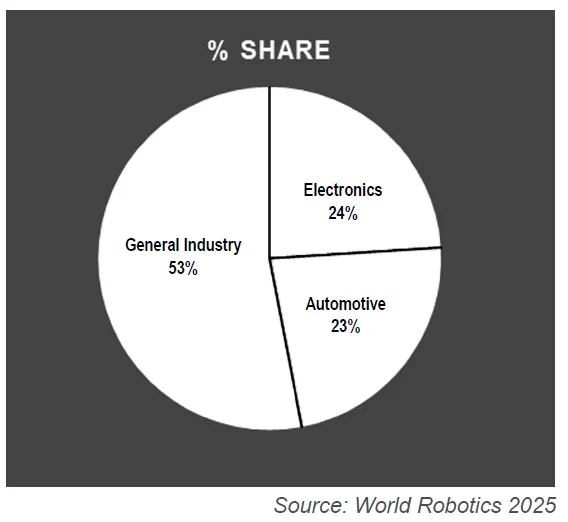
BCAS IN NEWS & MEDIA

Miscellanea

1. ARTIFICIAL INTELLIGENCE

#Even the Sky May Not Be the Limit for A.I. Data Centers

As artificial intelligence continues to expand rapidly, tech leaders are warning that Earth’s land and energy resources may soon be insufficient to support the massive data centers required to power it. Earthbound facilities are already facing significant constraints, including power shortages, rising utility costs for consumers, water scarcity issues from cooling needs, and growing local opposition to new constructions. In response, prominent figures in AI and space industries are proposing a bold solution: building giant orbital data centers that could float in space, powered by abundant solar energy and naturally cooled by the vacuum, potentially becoming visible from Earth like bright planets in the night sky.

While some experts believe versions of space-based data centers could become feasible within decades, the idea has gained traction among high-profile supporters including Elon Musk, who predicted they could be the cheapest option for AI training within five years, as well as Jeff Bezos, Sam Altman, and Jensen Huang. Companies like SpaceX have referenced funding such projects through future IPOs, and startups like Starcloud envision modular orbital facilities rebuilt every five years to update hardware. However, the concept remains highly speculative, blending financial incentives from the booming AI and space sectors with substantial technical and economic challenges ahead.

(Source: nytimes.com dated 1 January 2026)

# New Billionaires of the A.I. Boom

The artificial intelligence surge in 2025 has minted a new class of billionaires, primarily through skyrocketing valuations of private startups rather than public markets, echoing the dot-com boom of the late 1990s. While established figures like Nvidia’s Jensen Huang and OpenAI’s Sam Altman saw their wealth grow further, the spotlight fell on founders of lesser-known AI companies whose equity turned into billions on paper. These emerging tycoons, positioned to become influential Silicon Valley players, amassed fortunes as investors poured funds into data-labelling, coding tools, search engines, robotics, and specialized AI labs.

Notable new billionaires include Alexandr Wang and Lucy Guo of Scale AI (boosted by a major Meta investment leading to a $14.3 billion valuation), the four founders of Cursor—Michael Truell, Sualeh Asif, Aman Sanger, and Arvid Lunnemark—whose AI coding startup reached a $27 billion valuation, and Brett Adcock of humanoid robot maker Figure AI. Others hail from Perplexity, Mercor (Adarsh Hiremath, Brendan Foody, and Surya Midha), Safe Superintelligence, Harvey (Winston Weinberg and Gabriel Pereyra), and Thinking Machines Lab. However, venture capitalists caution that much of this wealth remains “on paper” and could evaporate if the startups fail to deliver sustained success, drawing parallels to historical tech bubbles like the 1890s railroad barons.

(Source: nytimes.com dated 1 January 2026)

2. WORLD NEWS

#Australia Enforces World-First Under-16 Social Media Ban, Deactivating Millions of Accounts

In December 2025, Australia implemented the world’s first nationwide ban on social media for users under 16, with the law taking effect on December 10. The Online Safety Amendment (Social Media Minimum Age) Act requires major platforms—including TikTok, Instagram, Facebook, X (formerly Twitter), YouTube, Snapchat, Reddit, Threads, Twitch, and Kick—to take reasonable steps to prevent children under 16 from creating or maintaining accounts. Platforms face fines of up to A$49.5 million (approximately $32 million USD) for non-compliance, but there are no penalties for young users or their parents. The measure, championed by Prime Minister Anthony Albanese, aims to protect children from online harms, despite ongoing debates about its effectiveness and enforcement methods, such as age verification technologies.

In the weeks following implementation, social media companies reported deactivating or restricting approximately 4.7 million accounts identified as belonging to Australian users under 16, significantly impacting millions of children and teenagers. While supporters praise the swift action as a global precedent for child online safety, critics highlight implementation challenges, including inaccurate age verification that allowed some under-16s to retain access while incorrectly blocking others.

(Source: theguardian.com – dated 16 January 2026)

3. ENVIRONMENT

#2025 Confirmed as One of the Three Hottest Years on Record

In January 2026, the World Meteorological Organization confirmed that 2025 was among the three warmest years on record, with a global average surface temperature of 1.44 °C above the pre-industrial baseline. Despite the cooling influence of La Niña, 2025 ranked second or third in most datasets, behind only 2024 and 2023,
underscoring the dominant role of human-caused greenhouse gases.

The years 2023–2025 now form the warmest three-year period ever recorded, with their combined average exceeding 1.5 °C above pre-industrial levels in some analyses. The last 11 years are the 11 hottest on record, and these persistent high temperatures have driven more intense extreme weather events, including heatwaves, floods, and cyclones, highlighting the need for urgent emission reductions.

(Source: returns.com – 14 January 2026)

Co-Operative Societies

Shrikrishna:  Arey Arjun, for a change, you are looking in a cheerful mood today. What is the secret?

Arjun:     Nothing, Bhagwan. Just enjoying the pleasant climate. And a little relaxed from the deadlines.

Shrikrishna:     I understand. From July to December, every month end is a nightmare for CAs.

Arjun:    Very true. In the housing society where I stay, there were celebrations for new year, Makar Sankranti and the Republic Day.

Shrikrishna: Oh, Great! So your society members must be good and friendly with each other.

Arjun:      Yes. But……….

Shrikrishna:  But there are a couple of trouble makers, Right?

Arjun:  Absolutely, Lord. I have observed that by and large in all co-operative housing Societies, there is nothing but non-cooperation!

Shrikrishna: Unfortunate!

Arjun: No one voluntarily comes forward for work. They consider managing committee members as their servants! Sometimes, committee members are also a little too smart. There is some friction or the other among members.

Shrikrishna: And one or two members are a bit too smart! They feel that they know everything; and they alone know the laws and regulations!

Arjun: Bhagwan, how do you know all these things?

Shrikrishna: Arjun, this is kaliyug. Even in previous Dwapar yuga, there were disputes among cousins and close relatives.

Arjun: The one or two trouble making members disturb the peace of all. They rake up disputes with the managing committee and all other members. They keep on filing complaints to all authorities – Registrar, Police, Courts, and so on!

They often refuse to pay the dues to the society.

Shrikrishna: And also to your Institute!

Arjun:  Yes, I was coming to that. It is there hobby to create unrest and make the Auditor as a scapegoat.

Shrikrishna: But Arjun, you must admit that you CAs also take the society’s work rather lightly. Don’t you?

Arjun:  Agreed. Our CAs are not careful and they unnecessarily invite trouble for themselves. Most common points are – These non-profit organisations cannot afford a proper accountant. So, the CAs themselves render accounting services either themselves or through their articles or employees or through their relatives.

Shrikrishna: Yes. And they raise the invoice also, mentioning as ‘Accounting and Audit Services”!

Arjun:  True! That is very common biggest blunder.

Shrikrishna:  Then you people never examine and insist on secretarial record – like minutes, notices, attendance record and so on. So also, the various registers which are required to be maintained, are never updated.

Arjun: And our CAs do not sign them even if they see. There should be an evidence of their verification. There should be working papers, correspondence and so on.

Shrikrishna: I have always been warning. In kaliyuga, ‘good faith’ is always very dangerous.

Arjun: Managing Committee people are not always qualified and experienced. Actually, they should attend the training programmes organised by the Federation of housing societies. But they take it lightly.

Shrikrishna: If there is some large capital expenditure or heavy repairs, the auditor has to be extra careful.

Arjun:  Moreover, Bhagwan, today redevelopment of societies’ buildings is very common. There, lot of paper work is required apart from accounting and tax issues. An average auditor not having the necessary exposure and expertise should either leave the assignment or seek proper expert advice.

Shrikrishna:  I have heard that many CAs are being dragged into disciplinary proceedings for the lacunae in audits of co-operative societies.

Arjun: Yes. As it is, these audits are not at all remunerative. But CAs do not take it seriously and invite disciplinary complaints.

Shrikrishna: One more aspect is of verification of original bank deposit receipts; and confirmation from banks. There have been many instances of misappropriation of money by fraudulently encashing the FDs.

Arjun: Yes. I am aware of many such complaints in the context of societies and Charitable trusts.

Shrikrishna: In short, CAs should not neglect the assignments merely because these are Non-profit organisations and not very remunerative.

Arjun: I entirely agree, Bhagwan.

OM SHANTI

(This dialogue is based on the general scenario in the audit assignments of co-operative societies and other NPOs.)

Tech Mantra

PDFgear

PDFg

PDFgear helps you read, edit, convert, merge and sign PDF files across devices. It is completely free and you do not even need to signup. Just download it and start using it. The files remain on your system and do not even go out for processing!

It also offers dozens of tools to help you complete simple and quick PDF tasks directly in your web browser. You can edit, flatten, convert to and from Word or Images, add / delete PDF pages, split, merge and compress PDFs and much more.

PDFgear is truly free and is available on Windows, Mac, Android and iOS. It also incorporates free AI tools which may become chargeable as they move ahead.

Go ahead, take the first step towards PDF FreeDom today!

https://www.pdfgear.com/

Floating Notes

Floating
This is another Notes App with a difference – you can take notes and sync them on all your devices – but the notes will float on your screen above other apps. So, if you have something important to remember, it will always be on the screen for you!

You can minimise notes to the edge of the screen as only icons and schedule notes to appear only at certain times. You can also choose among a lot of icons and colors for your notes. You can change the transparency of the floating notes and also add checklists to track your progress while using other apps. And, of course, when you are watching movies or playing games, you can turn off visibility for a while!

Overall, a totally different Notes Experience!

Android : https://tinyurl.com/floatingnotes

URLCheck

URL
This app acts as an intermediary between your receiving any links by email or WhatsApp or any other app and the actual link where you will land up. When you click on a link and choose this app to open it, it will show a dialog with some information about the link. If it is a shortlink, it will show you the final destination; if it is not a secured site, it will indicate the same; and if it is a scam site, it will also alert you. If the target website has tracking parameters, it will show you the same – in all cases, you have the option to avoid that site!

An interesting free tool to avoid scams and dangerous links!

Android : https://tinyurl.com/urlch

Typi – Type with AI

Typing

Typi is an AI-powered solution that can provide instant answers to your queries. Whether you have a question about a particular topic or need help with a problem, Typi is here to assist you. With Typi, you can type your question anywhere on your device, and let Typi do the rest.

If you are typing an email or message and you make some typing / grammatical mistakes, instead of correcting each mistake individually, just type “?fixg” and all your errors will be rectified for the entire text. Or, if you have a long winding message and want to make it short, at the end, just type “?short” and voila – the entire message will be summarised. If you want your text to be converted to something more polite, just type “?polite” at the end and be amazed with the results!

But what if you’re looking for a quick and concise answer? That’s where “?typic” comes in. By adding “?typic” to your question, you can get a short and to-the-point response that’s perfect for when you’re in a hurry.

In short, it brings Gemini’s AI power to your keyboard without needing to switch apps.

Pretty neat and useful!

Android : https://tinyurl.com/typewithai

Learning Events at BCAS

1. CA Pariksha Pe Charcha held on Saturday, 6th December 2025@ Virtual.

Speakers: CA K S Ranjani, CA Heramb Maheshwari, CA Utsav Shah, CA Nidhish Naik, CA Naman Gupta, CA Ansh Bhorawat & CA Anjali Shukla

The Human Resource Development Committee of BCAS organised “CA Pariksha Pe Charcha”, an interactive learning session designed to guide CA students in their exam preparation journey. The program commenced with an inspiring keynote by CA K S Ranjani, who spoke on resilience, overcoming setbacks, and developing a success-oriented mindset. This was followed by an insightful session by CA Heramb Maheshwari (AIR 1 – November 2024), who shared his exam preparation journey, practical exam strategies and clarified ICAI evaluation myths.

A dynamic panel discussion featuring top rankers from the September 2025 CA Final exam brought real-life perspectives on study routines, discipline, answer writing, and balancing mental well-being. Students from across the country participated enthusiastically, making the session highly engaging and impactful.

Overall, the program provided a blend of motivation, actionable techniques, and relatable experiences, helping students approach their CA journey with clarity, confidence, and a structured plan.

Scan to watch on Youtube

CA Pariksha Pe Charcha

2. Webinar on New Labour Codes: Legal Framework, Financial Impact & Practical Implementation held on Friday, 5th December 2025@ Virtual.

The Finance, Corporate and Allied Laws Committee of the Bombay Chartered Accountants’ Society organised a webinar on “New Labour Codes: Legal Framework, Financial Impact & Practical Implementation” on Friday, 5th December 2025.

The Finance, Corporate and Allied Laws Committee of the Bombay Chartered Accountants’ Society organised a webinar on “New Labour Codes: Legal Framework, Financial Impact & Practical Implementation” on Friday, 5th December 2025.

The programme was conducted in two segments. Adv. Sundeep Puri covered the legal and conceptual aspects of the Codes, explaining the structure, intent and major changes introduced. CA Alok Agarwal and CA Bhavin Rajput discussed the financial, compliance and implementation-related implications, highlighting areas requiring organisational preparedness, policy review and systems alignment.

The webinar received an encouraging response from members across practice and industry. 316 participants enrolled for this webinar from 50+ cities and towns across India. Participants appreciated the clarity of explanations and the practical insights shared by the speakers.

Scan to watch online at BCAS Academy

Webinar on New Labour Codes

3. AARAMBH – Making Articleship Count held on Thursday, 04 December, 2025 @ HR College of Commerce & Economics, Churchgate, Mumbai

AARAMBH

Every meaningful journey begins with a purposeful start. Aarambh, meaning a new beginning, represents BCAS’s commitment to guiding CA students at one of the most defining stages of their professional journey – the commencement of articleship.

Through the Aarambh – Making Articleship Count Initiative, BCAS fulfils its professional social responsibility by engaging directly with students and sharing practical insights, real-life experiences, and guidance from young Chartered Accountants who have recently walked the same path. The sessions are designed to bridge the gap between academic learning and professional realities, enabling students to approach articleship with clarity, confidence, and a long-term perspective.

The first session under this initiative was held at H.R. College of Commerce & Economics, Churchgate, Mumbai, on Thursday, 4th December 2025. The programme was made possible through the wholehearted support and cooperation of Principal Mrs. Pooja Ramchandani and Director – Placement, Dr. Navin Punjabi.

The programme witnessed enthusiastic student participation, driven by an engaging panel discussion and vibrant interaction. The presence and encouragement of the team BCAS – President CA Zubin Billimoria, Hon. Joint Secretary CA Mrinal Mehta, Managing Committee member CA Anand Kothari, and the panelists from Core Group CA Mahesh Nayak, CA Aditya Pradhan and CA Vatsal Paun, further reinforced the Society’s collective commitment to nurturing the future torch-bearers of the profession.

BCAS remains steadfast in its mission to mentor, inspire, and support the next generation of Chartered Accountants, contributing meaningfully to the profession and to the nation at large.

4. FALCON – Making Articleship Count held on Wednesday 03rd December, 2025 at N M College of Commerce & Economics, Vile Parle, Mumbai

FALCON

The falcon bird symbolises vision, power and victory. With this initiative, BCAS offers young CA aspirants an opportunity to interact and learn from young Core Group members – those who have walked the path before them. The panellists dwell on the topics of Articleship, Post Qualification, Professional Association & Networking, and Leadership. To ensure that the aspirants feel both comfortable and confident to engage with the panellists, the initiative has BCAS meet them on their home turf – be it college, or coaching class or even CA firm.

The first session under this initiative was held at N M College of Commerce & Economics on Wednesday, 3rd December 2025. Principal Dr Parag Ajgaonkar and Vice Principal CA Dr Savita A Desai of the college personally welcomed the visiting team from BCAS comprising the President, CA Zubin Billimoria, Managing Committee member, CA Preeti Cherian and the three panellists – Managing Committee members, CA Samit Saraf and CA Sneh Bhuta and Core Group member, CA Vedant Gada. The session was ably supported by the Association of Accountancy Committee of N M College. The audience, comprising degree college students who are set to embark on this wondrous journey, found the discussion both informative and helpful.

From the BCAS perspective, engaging with the students as they commit themselves to a demanding, yet extremely satisfying career choice is imperative – these students are the face of tomorrow of the profession.

In the words of the American author, Mercedes Lackey, “The hatched chick cannot go back to the shell, the falcon who has found the sky does not willingly sit the nest.”

5. CATHON (Marathon) – Run for Fitness, Fun and Purpose held on Sunday, 30th November 2025 @ Iconic Bandra Fort, Mumbai.

CATHON

India’s Second Edition of CA-Thon 2025 – A Run for Fitness, Fun & Purpose was organized on Sunday, 30th November 2025 near Bandra Fort, Mumbai under the aegis of the Seminar, Membership & Public Relations (SMPR) Committee.

The event attracted 2,000+ participants – Chartered Accountants and non-Chartered Accountants alike – between the age group of 8 to 70 years – drawn from all walks of life, from different corners of the country. An added feature this year was the participation of select CA firms that enlisted their team members for the run.

The annual event helped increase the visibility of Brand BCAS, cement relationships within the community, promote health and fitness among participants drawn from all walks of life and contribute to a righteous cause (part of the proceeds went to donating professional sewing machines to women from marginalized communities, to help them become entrepreneurs in their own right). BCAS Foundation also joined hands in supporting these women through this donation.

Through this annual run, the CA-Thon hopes to encourage runners to incorporate physical activity as part of their daily routine, thereby leading to an agile and healthy life, which is one of the cornerstones of financial well-being.

6. Webinar on Tax Law in Transition- Impact on Landmark Rulings After Introduction of New Income Tax Act 2025 and Recent decisions covering the Real Estate sector held on Saturday, 29th November 2025 @ Virtual.

The Direct Tax Committee of the Bombay Chartered Accountants’ Society organized a Webinar on Tax Law in Transition – Impact on Landmark Rulings after New Era of Reform and Recent Decisions covering the Real Estate Sector.

The session focused on how the real estate sector continues to face complex tax challenges, especially due to frequent litigation, changing business models, and evolving regulatory rules. Participants were taken through key judicial developments and how these decisions affect day-to-day tax positions in the industry.

CA Harsh Kothari spoke on the impact of the New Income Tax Act on landmark decisions under the old Act. He explained how the restructured law attempts to simplify provisions but also creates new interpretational considerations. His session focused on how earlier judicial principles may continue, where they may no longer apply and what tax professionals should keep in mind while interpreting the new Act. The webinar offered clear and practical insights for professionals in a period where both the law and its interpretation are going through a significant transition.

CA Anil Sathe presented a clear and insightful overview of recent and significant rulings impacting the real estate industry. He explained how courts have interpreted issues such as development agreements, joint development models, withholding implications, timing of income recognition, and capital gains triggers. His session helped participants understand how these rulings guide practical tax positions and compliance for developers, landowners, and investors.

Scan to watch online at BCAS Academy

Webinar on Tax Law in Transition

7. Women’s Study Circle meeting — SAKHI CIRCLE! held on Friday, 28th November 2025@ Virtual.

The inaugural session of the Women’s Study Circle was an inspiring and interactive experience. The theme, ‘Celebrate Your Uniqueness’, encouraged participants to embrace individuality and make conscious choices about their personal and professional lives.

CA Nandita Parekh opened the session with a powerful quote from Michelle Obama:

“Each of us carries a bit of inner brightness, something entirely unique and individual. A flame that’s worth protecting. When we recognise our own light, we become empowered to use it.”

Through two engaging stories—one about Michelle Obama’s journey and another about a monkey— CA Nandita Parekh illustrated the importance of self-worth and clarity in decision-making. She posed thought-provoking questions:

– What do you truly want?

– What are you holding on to, and what can you let go?

– Are you trying to fit in or do you truly belong?

The discussion highlighted how women’s paths are diverse and often non-linear.

The session emphasized that success is not about fitting into a mould but about defining your own balance between career, family, hobbies, and aspirations.

Key Takeaways:

– Embrace individuality and celebrate your uniqueness.

– Define priorities and make conscious choices.

– Build support systems and networks for growth.

Motivational Highlight:

“Celebrate who you are today, while creating space for who you want to become.”

8. Lecture Meeting on Boosting Business and Professional Productivity through AI held on Wednesday, 26th November 2025 @ Virtual.

A public lecture meeting was conducted by the Bombay Chartered Accountants’ Society virtually on zoom platform on 26th November 2025.

The speaker CA Umesh Sharma explained how Artificial Intelligence can significantly enhance professional and business productivity, particularly for chartered accountants. The speaker highlighted several core technologies, including machine learning, natural language processing, and generative AI, emphasizing their roles in fraud detection, financial advisory, and process automation. He outlined a strategic framework for AI implementation, moving from individual skill-building to sector-wide integration while maintaining essential human judgment and ethical standards. Practical advice was provided for firms of all sizes to address operational challenges, such as managing document chaos and improving client relations through digital dashboards. Ultimately, the speaker encouraged professionals to view AI as a powerful assistant rather than a threat, urging proactive learning and technical adaptation to stay competitive in a changing financial landscape.

The lecture was well-attended, with over 260 participants joining online.

Scan to watch online on Youtube

Lecture Meeting on Boosting Business and Professional Productivity

9. FEMA Study Circle Meeting on How to Study FEMA held on 25th November 2025 @ Virtual

The FEMA Study Circle held a meeting on the topic “How to study FEMA” which dealt with the core fundamentals of gaining expertise in FEMA.

The session was chaired by CA Naresh Ajwani and led by group leader, CA Vivek Vithlani.

The chairman provided a deep insight into the unique aspects of the exchange control law, which makes this topic worthy of being taken for beginners.

The group leader explained the approach which is required to study and gain expertise in any law in general. Along with the approach, he shared the chronology of steps which he has developed over the years to understand any law. Further, the group leader showed how the generic approach and step-wise chronology can be applied to FEMA in particular and the nuances pertaining to the same. Light was also thrown on different legal documents issued by the Central Government and the RBI to show a 360-degree view of FEMA.

The meeting was concluded by summarising the milestones of gaining expertise in any law.

10. Power Summit 2025 held on 21st & 22nd November 2025 @ Lemon Tree Premier – Pune.

Power Summit

Human Resource Development Committee of BCAS organised a two-day residential program “The Power Summit 2025” on 21 & 22 November 2025 at Hotel Lemon Tree Premier, Pune. This was the 10th season of the Power Summit with the first one being held in 2011.

The theme for the Power Summit was Growth, Governance & Generational Transition – Shaping The Firms of 2030. The Power Summit hosted about 95 participants coming from cities across the country. There were certain participants who had been part of all the previous ninePower Summits as well as participants attending for the first time. This diversity added to the charm of the Summit.

The presentation and panel discussions over the two days were creative, intriguing, and interwoven in a manner that left all participants with valuable insights and a renewed determination to progress along their growth trajectory.

A brief snapshot of the presentation and panel discussions is as follows:

Topic Speaker / Panellist
& Moderator
Key Learnings for Participants
Grow In Continuum: Succession Planning Strategies

for Proprietorship & Small Firms

CA Jayraj Sheth Participants learnt from Jayraj’s presentation about key areas such as exploring when to begin succession planning, grooming successors and client transition strategies.
Partnership Deeds – Beyond the Fine Print,

ICAI – Latest Updates.


Speaker: CA Vishal Doshi | Moderator: CA Ameet Patel Candid discussion with Vishal gave insights into how ICAI, at institution level, is perceiving and looking at mergers, multi-disciplinary partnerships etc. Also, Vishal shared updates on the latest progress happening at ICAI level on these topics.
Fireside Chat: Women in Leadership: The Evolving Role

of Women Professional


Speaker: CA Priti Savla | Moderator: CA Nandita Parekh The chat highlighted the various initiatives taken by ICAI for empowering Women Professionals. Also, the personal journey of Priti, motivated and inspired all the participants.
Mergers and Expansion –

Why some work, why many fail


Panellists: CA Manish Sampat, CA Naman Shrimal  | Moderator: CA Vaibhav Manek The power packed discussion with the panellists left the participants with lots of food for thought on various merger models, geographic / vertical expansion, profit-sharing agreements, reasons for things not working out and practical suggestions on how to navigate these challenges.
Practice Excellence- Preparing For Growth/ Merger Panellists: CA Paresh Shaparia, CA Subhash Saraf | Moderator: CA Ameet Patel The practical experience shared by both the panellists gave interesting insights to all participants on how to get oneself or one’s own firm ready for Growth and Merger. Key takeaways being around areas of practice reviews, policy documentation, MIS systems etc.
Professional Firms @ 2030

What will it take?


Panellists: CA Nilesh Vikamsey, CA Naman Shrimal | Moderator: CA Vaibhav Manek The panellists shared multiple perspectives on what would be the key drivers for a successful CA Firm in 2030. Also, they shared interesting suggestions on future-proofing professional firms in the next decade.
Legal Insights on the Professional Service Firms – How to Navigate the Regulatory Landscape and Prepare for Risks and Liabilities Panellists: Mr. Shreyas Jayasimha, Ms. Radhika Iyer | Moderator: Vaibhav Manek It was an interesting panel discussion to provide a flavour to all the participants on the kind of legal risks that a professional is carrying in today’s time and practical suggestions on ways to navigate them. There was also discussion on how different professionals can collaborate to create a win-win situation for everyone.
Walk & Talk: Challenges of Firm Growth CA Nilesh Vikamsey, CA Ameet Patel, CA Nandita Parekh This was the concluding session in which the discussions focused on real-world barriers in expansion and how peers have navigated them. Interesting Q&As and discussions were done with the participants as well.

The Summit successfully generated substantial interest among the participants, thereby motivating them to strategically plan for their growth. The participants expressed their profound gratitude to the organising team for their exceptional work and the provision of a high-quality program. All participants shared their testimonials and gratitude via WhatsApp groups and social media platforms.

11. Direct Tax Laws Study Circle Meeting on Succession Planning from a Direct Tax Perspective held on 20th November, 2025@ Virtual.

Succession planning plays a vital role in ensuring smooth intergenerational transfer of wealth and preventing disputes. The session highlighted key tax provisions, legal mechanisms, and practical considerations in designing an effective succession structure.

The following major areas were discussed during the session:

  1.  Succession Modes – Wills, trusts, nominations, and family arrangements are the primary structuring options, each carrying different tax outcomes.
  2.  Legal Representative Liability – Responsibility of Legal heirs with respect to tax liabilities of the deceased, including interest and penalty till the date of death.
  3. Taxation of Executors [S. 168] – Separate assessment of the executor on the income of the estate until its complete distribution.
  4. Nominee vs. Legal Heirs – The difference between the two was highlighted with an example of a judgment of the Supreme Court in the case of Shakti Yezdani, wherein it was held that a nominee merely facilitates transmission and does not override the rights of legal heirs.
  5. Will-based transfers – Tax Neutrality – transfers under a Will are not regarded as a “transfer” under Section 47(iii), and inheritance is specifically exempt under Section 56(2)(x). Thus, passing assets through a Will is a tax-efficient mechanism.
  6. Family Arrangements – Not a Transfer – The session clarified that a genuine family settlement based on antecedent rights is not treated as a transfer for capital gains. It simply realigns existing rights in property to preserve peace and prevent litigation within the family.
  7. Situations wherein Family Settlements become taxable – The session clarified that If parties lack pre-existing rights—as in P.P. Mahatme (Bom HC)—payments received may be treated as taxable capital gains. Antecedent rights are therefore key to determining tax neutrality.
  8. Specific vs. Discretionary Trusts – The speaker clarified that certain trusts have identifiable beneficiaries with defined shares, while discretionary trusts allow trustees to decide distributions. Discretionary trusts are generally taxed at the maximum marginal rate unless specific exceptions apply.

Conclusion: The session was highly interactive, with participants actively engaging and gaining practical clarity on the tax and legal aspects of succession planning. The discussions helped simplify complex concepts and gave attendees a clear understanding of how to apply the right tools in real-life situations. Overall, the audience left with valuable insights to plan succession more confidently and effectively.

12. Felicitation of Chartered Accountancy pass-outs of the September 2025 Batch held on Monday, 17th November, 2025@ Sydenham College

Felicitation of Chartered Accountancy pass-outs Nov

The Seminar, Membership and Public Relations (SMPR) Committee hosted a felicitation ceremony on 17th November 2025 in the auditorium of the Sydenham College of Commerce & Economics, Churchgate, to honour the newly qualified Chartered Accountants from the September 2025 batch. Out of the 450 registrations, over 325 enthusiastic newly qualified CAs participated in the event. The guest and mentor for the event was CA (Adv.) Kinjal Bhuta, Treasurer of BCAS. In her address, she reminisced about her early days, the support she received from her clientele and elders in the profession, and how her association with BCAS has helped in shaping her career and growth as a professional. She shared six life lessons with the audience and invited them to come within the BCAS fold and partake of the bouquet on offer.

AIR 16, Nidhish Naik, AIR 28 Ansh Bhorawat, AIR 34 Naman Gupta and AIR 46 Anjali Shukla were then felicitated. A celebratory cake was cut post which all the other newly passed CAs were felicitated. The ceremony served as a warm welcome of the newly qualified CAs into the wider professional fraternity.

Scan to watch online on Youtube

Felicitation of Chartered Accountancy pass-outs

13. ITF Study Circle meeting – Black Money Act – Penalty for Non-Disclosure of Foreign Assets: Key Rulings held on 14th November, 2025@ Virtual.

The International Tax and Finance Study Circle organized a meeting (online) on 14 November 2025 to discuss key rulings with respect to penalty for non-disclosure of foreign assets under the Black Money Act:

Chairman of the session – CA Sushil Lakhani

Group Leader CA Kush Vatsaraj

  •  The session opened with the initial remarks from the chairman on the topic.
  • Post that, the group leader discussed the rationale of the Black Money Act and the basic provisions to set the context for the group.
  • Next the group leader discussed a number of rulings with respect to levy of penalty under the Black Money Act, including rulings under other laws but applicable to penalty under the Black Money Act.
  • The group leader discussed a recent Special Bench ruling with respect to the penalty being discretionary in greater detail
  • The participants debated various nuances with respect to the levy of penalty under the Black Money Act, especially with respect to some divergent views adopted by appellate authorities.
  • The group leader took the group through a number of scenarios with respect to the levy of penalty under the Black Money Act and shared his insights on the same. The chairman of the session also shared his insights.
  • The session closed with the floor being opened up for Q & A. Participants raised a number of questions and the same were answered by the group leader and the chairman of the session. Other participants also shared their practical experiences.

14. BCAS NXT – Learning & Development Bootcamp – A Deep Dive into GST Annual Return (GSTR-9) and Reconciliation Statement (GSTR -9C) held on 14th November, 2025@ Virtual.

The Human Resource Development Committee organized a BCAS NXT Learning & Development Bootcamp on “A Deep Dive into GST Annual Return (GSTR-9) and Reconciliation Statement (GSTR-9C)” on Friday, 14th November 2025, from 4:00 PM to 6:00 PM.
The session was led by Ms Riya Bhavesh Shah, a CA Final student, who delivered a detailed presentation covering each table in the GSTR-9 and GSTR-9C forms, the correct placement of data, and the importance of accurate and timely filing. The session also highlighted the consequences of late filing, recent procedural changes, and updates in reporting requirements. CA Ashwin Chotalia, the mentor for the session, provided valuable insights and guidance throughout, offering expert interventions as needed.

The bootcamp was held in person at Gokhale &  Sathe Chartered Accountants and was also streamed online, with active participation from students across India.


More than 250 students benefited from this session.

Scan to watch online on Youtube

BCAS NXT - Learning & Development Bootcamp

15. Finance, Corporate & Allied Laws Study Circle – Financial Wellness for Professionals held on Thursday, 13th November 2025 @ Virtual

The session on “Financial Wellness for Professionals” by Mr Tarun Birani focused on helping high-earning professionals move from income dependence to true wealth independence through structure and discipline. Using interactive polls and case studies, he highlighted how lifestyle inflation, safety bias and scattered assets often keep professionals financially vulnerable despite strong incomes.

Tarun introduced a clear Wealth Allocation Framework, classifying assets into safety, stability and aspirational buckets, and showed how goal-based cash flows, risk assessment and stress testing can convert affluence into resilient, long-term wealth. He emphasised the power of disciplined equity allocation, behaviour management and periodic rebalancing over market prediction or product selection.

Through real-life client stories, he demonstrated the dangers of concentration in business / profession and real estate, lack of liquidity buffers and poor succession planning, and contrasted this with the benefits of structured family wealth architectures and family offices.

The session concluded with practical action points for professionals to document their finances, separate business and personal wealth, and work with fiduciary, conflict-free advisors to achieve financial wellness with peace of mind.

16. Half-Day Panel Discussions on Transfer Pricing Benchmarking and Compliances held on Friday, 10th October 2025 @ Virtual

The Society successfully conducted its Half-Day Panel Discussions on Transfer Pricing Benchmarking and Compliances via an online platform on Friday, 10th October, 2025 from 2:00 pm to 6:30 pm.

Based on participants’ feedback and consultation with seniors in the Committee, this year BCAS has come up with unique concept of sharing the recordings of the transfer pricing workshop undertaken in October 2023 along with recordings of panel discussions conducted in October 2024 to the participants as pre-reading for the workshop followed by two live panel discussions to take forward the learnings by discussing the intricate and practical issues on transfer pricing making the same more interactive. Details of these two live panel discussions:

Session Topic Panel Members/ Faculties
1 Panel Discussion on Indian TP Compliance – Beyond Documentation, Towards Value Creation Moderator – CA Anjul Mota Panelists- CA Namrata Dedhia, CA Naman Shrimal and CA Stuti Trivedi
2 Panel Discussion on Burning Issues in Indian TP – From Litigation to Strategic Risk Management Chairman cum Moderator – CA Vispi Patel  Panelists- CA Bhavesh Dedhia, CA Suchint Majmudar and CA Vijay Iyer

Participants were also provided an option to share the queries or issues to the panellists by way of Google form before the respective panel discussion which the panellists addressed during the panel discussion. Eminent tax professionals of the country were the panelists as well as moderator for such panel discussions.

Both the live sessions including the recorded sessions covered all the concepts of Transfer Pricing under the Income Tax Act, 1961 and the other relevant provisions.

More than 54 Participants from 15 states spread over 30 cities attended these live panel discussions which was well-received and appreciated by the participants.

Scan to watch online on BCAS Academy

Half-Day Panel Discussions on Transfer Pricing Benchmarking and Compliances

II. REPRESENTATIONS

1. BCAS Seeks Extension for GSTR-9 and GSTR-9C Due to Increased Compliance Complexity

On 11 December 2025, BCAS submitted a representation to the Hon’ble Finance Minister, highlighting challenges in filing GSTR-9 and GSTR-9C for FY 2024-25. Recent notifications have withdrawn long-standing relaxations, increasing compliance complexity. Key concerns include detailed ITC reporting (Table 7), new import reconciliation requirements (Table 8H1), changes in auto-population (Table 8A shifting from GSTR-2A to GSTR-2B), and technical glitches on the GST portal causing mismatches.

For GSTR-9C, withdrawal of turnover reconciliation relaxations and mandatory cross-year ITC reporting have made preparation more onerous. Tight timelines due to dependence on audited financial statements further exacerbate the challenge.

BCAS has requested a three-month extensionfor filing to allow professionals sufficient time to adapt, ensure data accuracy, and avoid inadvertent errors.

Readers can read the full representation by scanning the QR code or visiting our website www.bcasonline.org

QR Code:

BCAS Seeks Extension for GSTR-9 and GSTR-9C

III. BCAS OUTREACH

• BCAS Delegation Meets Chief Executive, Indian Banks’ Association

BCAS Delegation Meets Mr Atul Kumar

A delegation of BCAS – Bombay Chartered Accountants’ Society, led by CA Zubin Billimoria, President, and CA Kinjal Shah, Vice President, met Mr. Atul Kumar Goel, Chief Executive of the Indian Banks’ Association(IBA).

The delegation briefed Mr. Goel on the key initiatives and activities of BCAS and discussed potential areas of future cooperation between BCAS and IBA.

Mr. Daljit Dogra, Board Member of IBA and Managing Director of Zoroastrian Cooperative Bank, was also present and facilitated the interaction.

BCAS looks forward to a long-term and mutually beneficial professional association with the Indian Banks’ Association.

• Meeting of Office Bearers with Mr. Sudhir Hirdekar, ACP Crime Branch, Mumbai Police

IV. BCAS IN NEWS & MEDIA

  •  BCAS has been featured in several news and media platforms, showing our active involvement, professional contributions, and commitment to the field. This reflects the growing recognition of BCAS in the public and professional space.

Link: https://bcasonline.org/bcas-in-news/

QR Code:
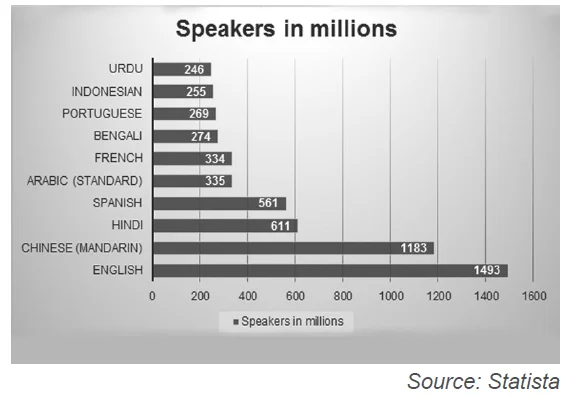
News and Views

Regulatory Referencer

I. DIRECT TAX: SPOTLIGHT

1. Capital Gains Account (Second Amendment) Scheme 2025 – Notification No. 161/2025 and 162/2025 dated 19 November 2025

II. FEMA

1. RBI modifies FEMA compounding directions and updates bank account details for receiving fees and compounding amounts

The RBI has decided to change the details of accounts where compounding application fee and compounding amount will be received. This is to streamline these receipts. Accordingly, Annexure I of the Master Direction has been modified.

[AP (DIR Series) Circular No. 15/2025-26,dated 24th November, 2025]

2. RBI bars Pakistani/Bangladeshi citizens from carrying Indian notes to/from Nepal & Bhutan under revised FEMA norms

The Foreign Exchange Management (Export and Import of Currency) Regulations, 2015 has been amended. After the amendment, regulation 8 adds the phrase ‘not being citizen of Pakistan or Bangladesh’, thus barring these citizens from taking out of India or bringing into India Indian currency through Nepal or Bhutan.

[Notification No. FEMA 6(R)/(4)/2025-RB,dated 28th November 2025]

3. RBI permits AD Category-II banks/entities & FFMCs to submit ‘LRS daily return’ directly on CIMS portal w.e.f. January 1, 2026

As of now, Authorised Dealer (AD) Category-I Banks are required to submit data related to transactions under the Liberalised Remittance Scheme on Centralised Information Management System (CIMS) by the next working day. This is done for their own data as also the data of AD Category-II banks/entities and FFMCs attached to them or maintaining an account with them in their ‘LRS daily return’.

From 1st January, 2026, AD Category-II Bank and Full-fledged money changers (FFMC) will directly file the details of LRS transactions undertaken by them in the ‘LRS daily return’ on CIMS. With this, it will enable AD Category-II banks and FFMCs to check cumulative amount remitted by a resident individual (PAN-wise) before facilitating their next requested LRS transaction. Accordingly, they may discontinue submitting LRS transactions through AD Category-I Banks.

[AP (DIR Series) Circular No. 17, dated 3rd December, 2025]

4. RBI proposes to mandate Authorised Dealers to disclose transaction costs for foreign exchange contracts to retail users

The RBI has released Draft circular on mandatory Disclosure of transaction cost for foreign exchange transactions. Public comments are invited until 9th January, 2026. The new draft proposes disclosure requirements related to transactions costs – remittance fees, foreign exchange rate, currency conversion charges, etc. – in relation to foreign exchange cash, foreign exchange tom and foreign exchange spot contracts offered to retail users. Comments can be sent to postal and email addresses provided in the Release.

[Press Release No. 2025-26/1666, dated 9th December 2025]

III. IFSCA

1. IFSCA mandates display of key global access risks, including market, currency and custody risks, at every login by their clients

Under clause 39 of the “Regulatory Framework for Global Access in IFSC” circular dated 12th August 2025 issued under the IFSCA (Capital Market Intermediaries) Regulations, 2025, Global Access Providers (GAPs) and Introducing Brokers (IBs) are required to have a system to ensure that key risks and disclaimers relating to global access are displayed at every login by their clients. The Authority specifies risks and disclaimers in Annexure 1 of the circular to be displayed by GAPs and IBs at every login by the clients. This compliance shall be fulfilled by 31st December 2025.

[Circular No. IFSCA/DSI/12/2025-Capital Market, dated 26th November 2025]

Miscellanea

1. ECONOMIC & MARKETS

# Spare parts are quietly reshaping the Luxury Automotive Economy

Luxury automakers are increasingly relying on proprietary engineering, making verified spare parts crucial for maintaining performance and asset value. Unlike mainstream vehicles, luxury cars require brand-specific components to ensure optimal functioning, as even minor deviations can lead to significant technical risks. Platforms like SparesUSA have emerged to provide access to vetted parts, addressing the growing demand for factory-authenticated components.

The distinction between luxury and mainstream vehicles lies in their manufacturing processes, where luxury cars are integrated systems that require precise specifications. As traditional dealership networks lose their exclusivity, specialized platforms are becoming essential for sourcing the right parts globally. This shift has transformed the aftermarket, making access to verified components a necessity for preserving the integrity and performance of high-end vehicles.

(Source: International Business Times – By Karcy Noonan – 18 December 2025)

2. WORLD – SCIENCE

# Neutron Star Explained: How Collapsed Stars Become the Universe’s Densest Stellar Remnants

Neutron stars, formed from the remnants of massive stars after supernova explosions, are among the universe’s most extreme objects. When stars between eight and twenty times the Sun’s mass exhaust their nuclear fuel, gravity causes their cores to collapse, creating neutron stars that can contain more mass than the Sun within a city-sized volume.

These stars exhibit incredible densities, where protons and electrons merge into neutrons, creating neutron degeneracy pressure that prevents further collapse into black holes. Neutron stars have distinct internal structures, including a thin outer crust and a superfluid core, and are limited by the Tolman–Oppenheimer–Volkoff mass boundary, beyond which they collapse into black holes.
Neutron stars conserve angular momentum, leading to rapid rotation, with some pulsars spinning hundreds of times per second. Magnetars, a rare type of neutron star, possess intense magnetic fields that can cause starquakes and gamma-ray bursts.
Gravitational wave detections, such as GW170817, have linked neutron star mergers to the creation of heavy elements and refined our understanding of their properties.

As they cool over time, neutron stars emit neutrinos and later photons, allowing astronomers to study their ages and internal behaviours. Neutron stars play a crucial role in galactic chemistry by ejecting neutron-rich material during mergers, contributing to the formation of heavy elements essential for life. Overall, neutron stars serve as natural laboratories for exploring fundamental physics under extreme conditions.

(Source: International Business Times – By Glanze Patrick – 24 December 2025)

3. BUSINESS

# Top Global Energy Players Assemble at Wison Technology Seminar 2025

Over 250 decision-makers, technical experts, and industry partners from the global energy sector gathered at the Wison Technology Seminar 2025, held from December 2-4 2025 in Shanghai.
This event highlighted Wison’s leadership in sustainable energy technology and focused on topics such as the energy transition, floating wind, green hydrogen, carbon capture, and Power-to-X technologies.

This year’s seminar was larger and more diverse than the inaugural event, fostering connections among companies, technology partners, and asset owners. Featuring 56 speakers, the seminar included keynotes and panel discussions on policy frameworks, the global energy mix, net-zero targets, and technological innovation.

Wison signed strategic agreements with international partners, including ABB, Emerson, Schneider Electric, and Inprocess, to advance low-carbon technologies and system integration. The partnership with Inprocess will enhance Wison’s digitalisation efforts, incorporating technologies that support the design of floating liquefied natural gas (FLNG) and floating production, storage, and offloading (FPSO) vessels.

Participants also visited Wison’s Nantong shipyard to see the fabrication of FLNG vessels. Damien Nguyen, CTO of Wison New Energies, and Hengwei Liu, CTO of Wison Engineering, emphasized the importance of decarbonization, standardization, and digitalisation in energy systems, calling for improved collaboration and risk mitigation across the value chain.

Overall, the seminar served as a platform for exchanging ideas and identifying real-world use cases and collaboration opportunities.

(Source: International Business Times – Created By Matthew Edwards – 23 December 2025)

Revelation

Harshadbhai was in a jolly mood today. It was 28th of September, his birthday. He and his wife Priyanka were out on a stroll.

They met Pareshbhai with his wife Aparna. Pareshbhai also was in a celebration mood. It was their wedding anniversary.

Both Harshad and Paresh always used to complain that due to tax deadline of 30th September, they were never in a position to enjoy the birthday or anniversary. Today, the main reason of their good mood was the extension of time allowed by the Finance Minister! It was like a big Birthday Gift to both of them! Both were obviously chartered accountants and their pleasure was contained in small things like the hearing is adjourned, stay is granted in the client’s recovery proceedings, a client has agreed to pay a small fee next month, a ‘bad’ revenue officer has been transferred elsewhere; and so on!

They were close friends and they entered ‘Khau Galli ((Lane of eateries). There were many decorated and illuminated stalls. Chat, Bhelpuri, ragada pattice, pani-puri, vada, samosa, dhokla, farsan, South Indian dishes, sandwiches, tea, coffee, juices, ice creams so on and so forth. All mouth-watering dishes!

They tasted the dishes one by one, driven by the choices of their wives. While eating, the topic of chatting between Harshad and Paresh as usual was the CA practice.

Priyanka and Aparna were discussing about new sari, new dress, children’s schools, hobby class, tuitions, etc. etc. One common complaint was Harshad and Paresh both sit late in office, they don’t look after anything in the house, they don’t take the family for outing, no movie, no enjoyment!

Harshad and Paresh were cursing the practice with usual complaints like careless clients,complicated laws and regulations, corrupt departments, inefficient colleagues no staff, no articles, late sitting, no income but increasing expenses, clients’ expectations and the like. Both agreed that the practice had lost its charm and they cursed their fate.

The owners of the shops were all enjoying counting money at the counter! Harshad and Paresh envied them.

Finally, they sat in the ice cream parlour. Their chat was continuing. They concluded that rather than practice, they should have entered into this ‘food’ business. The owner of the shop was familiar. He overheard their grievance about the profession. He came to their table and mentioned the new variety of ice cream that had recently come into the market. He enquired whether they both were CAs; and he smiled. They also opened up and said they should have been in this business, rather than in practice! They were further shocked to learn that all the owners stayed in an elite colony where there were 3 to 4 cars in each family.

To their great surprise, he refused to accept the payment of the bill. He said it was complimentary from him to mark their anniversaries! They thanked him whole-heartedly. Ladies also were pleased.

At the time of parting, the owner revealed a secret – Sir, all the owners of these stall including the pan-wala were earlier practising as chartered accountants.

ICAI and Its Members

I. EXPOSURE DRAFT

EXPOSURE DRAFT OF IND AS 119

NEW ACCOUNTING STANDARD FOR SUBSIDIARIES

The Institute of Chartered Accountants of India (ICAI) has issued an Exposure Draft of Ind AS 119, “Subsidiaries without Public Accountability: Disclosures,” aligned with the recently issued IFRS 19 by the International Accounting Standards Board.

Scope: The standard provides reduced disclosure requirements for eligible subsidiaries that:

  • Do not have public accountability
  • Have an ultimate or intermediate parent producing IFRS-compliant consolidated financial statements available for public use

Purpose: Eligible subsidiaries can apply these simplified disclosure requirements instead of the full disclosure requirements in other Ind AS standards.

Effective Date: Annual reporting periods beginning on or after April 1, 2027 (aligning with the global IFRS 19 effective date of January 1, 2027)

Public Comments Invited:

The Accounting Standards Board invites stakeholders to submit comments on the Exposure Draft by March 5, 2026.

Submit Comments:

  • Online (Preferred): http://www.icai.org/comments/asb/
  • Email: commentsasb@icai.in
  • Postal: ICAI, New Delhi

Download the Exposure Draft: https://resource.cdn.icai.org/89774asb-aps3404.pdf

This development is part of India’s ongoing convergence with international accounting standards, ensuring consistency with global financial reporting practices.

II. ICAI TOOLS

ICAI CAVALRY: PSYCHOMETRIC TEST ASSESSMENT SERIES

Empowering Professional Excellence through Skill Assessment-ICAI CAvalry: Psychometric Test Assessment Series to assess the various Skills possessed by the Members of ICAI

ICAI has launched ICAI CAvalry, a comprehensive Psychometric Test Assessment Series designed to enhance the holistic development of Chartered Accountants by focusing on critical behavioural and cognitive competencies beyond technical expertise. In the modern professional landscape, technical proficiency alone is insufficient. Future-ready CAs must demonstrate leadership, influence, negotiation, and impactful communication skills while navigating complex business environments. This initiative addresses the need for professional agility, leadership, and resilience.

Skills to Be Covered: The series encompasses 18+ high-impact competencies. The assessments will rotate across the high-impact psychometric factors dealing with the skills such as Branding Skills, Communication Skills, Critical Thinking Skills, Design Thinking Skills, Emotional Intelligence, Entrepreneurial Skills, Interpersonal Skills, Leadership Skills, Listening Skills, Negotiation Skills, Networking Skills, Problem-Solving Skills, Public Speaking Skills, Team Building Skills, Time Management Skills, Work Ethics, Decision-Making Skills, New-Age Professional/Technological Skills, any other Skills

1st Psychometric Test Assessment to assess the Branding & Communication Skills

https://docs.google.com formsd/e/1FAIpQLSfwfTQum_kPSwlnwtDHx1djTbqJjLHi7naW0ERm4Vms0OXApQ/viewform

2nd Psychometric Test Assessment to assess the Critical and Designing Thinking Skills

https://docs.google.com/forms/d/e/1FAIpQLSeog5QP681yTVut02MgCehWDmlh-i_-Fu_6RMvyusHQHMKV6g/viewform

III. ICAI PUBLICATION

1. New Research Publication on Accounting for Digital Assets

The ICAI has published a comprehensive research report titled “Accounting for Digital Assets” addressing the emerging challenges in accounting for blockchain-based assets, cryptocurrencies, NFTs, and other digital instruments. The report analyses the global accounting landscape through IFRS, FASB, and Ind AS perspectives, with particular focus on regulatory gaps in India’s framework. It identifies core challenges in classification, recognition, measurement, and disclosure of digital assets under existing standards such as IAS 2, IAS 32, and IAS 38. The research provides empirical insights, expert opinions, and policy recommendations for standard setters, regulators, and businesses navigating this complex space. A key finding highlights that current accounting standards inadequately capture the unique nature and behaviour of digital assets, emphasizing the need for tailored recognition, measurement, and disclosure practices. This timely publication offers essential guidance to accounting professionals dealing with the complexities of the rapidly evolving digital asset ecosystem.

Link: https://resource.cdn.icai.org/89848research-aps3482-final-acc-for-digital-assets.pdf

2. RESOURCE MATERIAL ON PUBLIC PROCUREMENT

The ICAI Research Committee has published a comprehensive Resource Material on Public Procurement, recognising its critical role as the cornerstone of good governance and economic efficiency. Public procurement serves as a vital link between the utilisation of public funds and the delivery of goods, works, and services to citizens. As governments worldwide strive to ensure transparency, accountability, and value for money in public spending, this resource material provides professionals and policymakers with an essential understanding of procurement processes. The publication offers a detailed overview of conceptual, legal, and procedural aspects of public sector procurement, covering the Indian regulatory framework including General Financial Rules and Government Procurement Manuals, alongside international best practices from UNCITRAL, WTO (GPA), and the World Bank. This comprehensive guide equips stakeholders with the knowledge needed to navigate the complexities of public procurement effectively.

Link: https://resource.cdn.icai.org/89849research-aps3482-icai-sm-public-procurement.pdf

IV. EXPERT ADVISORY COMMITTEE OPINION

Accounting treatment of salary paid to staff/employees and cost related to food trials during testing phase prior to opening of a new restaurant, under Ind AS framework.

A. FACTS OF THE CASE

The Company is a private company incorporated in India and is engaged in owning and operating contemporary and fine-dine luxury restaurants under various brands. The Company typically opens 8–10 new restaurant outlets every year across India. In order to maintain uniform standards of food quality, ambience, lighting, cooling and service quality across all outlets from the first day of operations, the Company conducts food and beverage trials prior to opening a new outlet.

The Company installs various machinery and equipment in each outlet, such as kitchen equipment, air-conditioning systems, walk-in freezers, audio-visual equipment, lighting and ambience control systems, exhaust systems, STP plants, furniture and fixtures, IT systems, etc. Food and beverage trials, testing and calibration of equipment take about one month. For this purpose, personnel are recruited in advance to test and handle equipment and to prepare for the opening of the outlet.

The Company proposed to capitalise (i) employee benefit costs incurred during the testing phase and (ii) food and beverage material costs incurred during trial runs as part of the cost of construction of the outlet, relying on paragraphs 7, 16 and 17 of Ind AS 16 – Property, Plant and Equipment.

B. QUERY

Whether the accounting treatment proposed by the Company, i.e., capitalising:

(i) employee benefit costs, and

(ii) food and beverage material costs,

incurred during the testing phase prior to opening a new restaurant outlet, as part of the cost of property, plant and equipment under Ind AS 16, is correct.

C. POINTS CONSIDERED BY THE COMMITTEE

The Committee examined the issue solely from the perspective of Ind AS, particularly Ind AS 16. It noted that Ind AS 16 does not prescribe a single unit of account for PPE and that a restaurant outlet as a whole is generally not considered an item of PPE. Instead, individual assets such as kitchen equipment, air-conditioning systems, lighting systems, furniture, etc., constitute separate items of PPE.

The Committee emphasised that only costs directly attributable to bringing a specific asset to the location and condition necessary for it to operate as intended by management can be capitalised. Costs relating to opening a new facility, conducting business in a new location, or staff training are specifically excluded from capitalisation.

With respect to employee benefit costs, the Committee observed that salaries paid to chefs, kitchen staff and service personnel during trials were incurred to ensure consistency in service quality and customer experience, and not for construction or acquisition of any specific PPE. However, costs of technicians engaged during the testing phase for resolving technical issues necessary to make specific equipment operational could be capitalised, if clearly identifiable.

Regarding food and beverage material costs, the Committee noted that trial runs were conducted to standardise taste, presentation and consistency, and not to test whether equipment was capable of operating. Since the equipment was already capable of operating as intended, such costs did not add value to any specific asset and could not be considered directly attributable to PPE.

D. EAC’S OPINION

The Committee opined that capitalisation of employee benefit costs and food and beverage material costs incurred during the testing phase prior to opening a new restaurant outlet is not appropriate.

However, if it can be clearly demonstrated that a portion of employee benefit costs relates to technicians engaged in resolving technical operational issues necessary to bring specific PPE to the condition required for operation, such costs may be capitalised to that extent. All other employee benefit costs and food and beverage trial costs should be expensed as incurred.

Read Opinion in ICAI’s The Chartered Accountants December 2025 pages 131-135

Link: https://resource.cdn.icai.org/89673cajournal-dec2025-35.pdf

V. ICAI BOARD OF DISCIPLINE’S ORDERS

1. Case : Sh. Gajendra Prasad Panda vs. CA. A.K.P.

File No. : PR/836/2022/DD/34/2023/BOD/750/2024

Date of Order : 08.12.2025

Particulars Details
Nature of Case Alleged unauthorised conduct of tax audit and obstruction of incoming auditor
Background The Respondent had earlier acted as statutory auditor of the Complainant. After deterioration of professional relations, the Complainant decided to change the auditor. It was alleged that despite cessation of engagement, the Respondent forcibly added himself as auditor on the Complainant’s Income-tax portal and conducted the tax audit for FY 2021–22 without authorisation, and thereafter wrote to the incoming auditor advising him not to accept the assignment.
Key Allegations – Unauthorised addition of Respondent’s name on the assessee’s Income-tax portal and conduct of tax audit for FY 2021–22 without consent.

– Writing to the incoming auditor claiming completion of audit and alleging non-payment of tax liabilities by the Complainant, thereby attempting to obstruct change of auditor.

Respondent’s Defence – Allegations were mala fide and triggered by his refusal to issue an unqualified audit report contrary to law.

– He had completed the audit and issued a qualified report based on professional judgment and advised payment of additional tax.

– Communication to incoming auditor was factual, made in professional courtesy, without any intent to threaten or obstruct.

– After his DSC was taken by the Complainant’s representatives without authority, he did not upload the audit report and had no further role.
Findings – The allegation of unauthorised addition on the Income-tax portal was already dropped at the prima facie stage by the Director (Discipline).

– On the surviving charge relating to communication with the incoming auditor, the Board found no evidence of malafide intent, threat, or obstruction.

– The Respondent’s explanation was found credible and corroborated by surrounding circumstances.

– Mere communication of factual position to an incoming auditor does not constitute misconduct.

Charges Established None – No misconduct under Item (2), Part IV, First Schedule to the CA Act, 1949.
Decision Not Guilty


2. Case : CA. MNJ vs. CA. SSS

File No. : PR/54/2018/DD/63/2018/BOD/756/2024

Date of Order : 08.12.2025

Complainant Alleged lack of fairness and transparency in conduct of ICAI branch elections
Background The Respondent acted as Returning Officer for elections to the Managing Committee of the Satara Branch of WIRC of ICAI for the term 2016–2019. The Complainant alleged that the Respondent manipulated the election process to enable certain candidates to be elected unopposed by improperly accepting withdrawal of nominations after the prescribed deadline.
Particulars Details
Key Allegations – Respondent pressurised certain candidates to withdraw nominations.

– Withdrawal forms were emailed after the stipulated cut-off time of 6:00 PM on 29.01.2016.

– Despite absence of a valid withdrawal by one candidate, the Respondent displayed a final list of six candidates (equal to available seats) and declared them elected unopposed.

– Conduct allegedly lacked fairness and transparency, amounting to other misconduct.

Respondent’s Defence – No statutory rules or binding guidelines prescribe the manner of withdrawal of nominations in ICAI branch elections.

– Both concerned candidates had communicated their intention to withdraw telephonically before the deadline, on speakerphone, in the presence of branch officials.

– Actions were taken in good faith to ensure smooth conduct of elections and avoid unnecessary delay or expense.

– Complaint suffered from delay and issues of locus standi.

Findings – Witnesses (including the concerned candidates and Branch In-Charge) confirmed on oath that withdrawal intentions were communicated telephonically before the deadline.

– No evidence of mala fide intent or manipulation by the Respondent was established.

– In absence of any clear statutory procedure for withdrawal of nominations, reliance on telephonic confirmation, in good faith, could not be faulted.

– The Complainant himself committed errors in invoking a non-existent clause in the complaint.

Particulars Details
Charges Established None – No other misconduct under Item (2), Part IV, First Schedule to the CA Act, 1949.
Decision Not Guilty


3. Case : Shri AG vs. CA. VT

File No. : PR/452/2022/DD/449/2022/BOD/769/2024

Date of Order : 08.12.2025

Complainant     : Shri AG, Director – M/s LFS Pvt. Ltd.
Nature of Case Alleged acceptance of statutory audit without prior written communication with previous auditor
Background The Respondent was appointed statutory auditor of the company for FYs 2020–21 to 2022–23. The Complainant alleged that the Respondent accepted the audit without obtaining a written No Objection Certificate (NOC) from the previous auditor, exerted pressure to procure the NOC, retained company documents, failed to resign formally, and did not file Form ADT-3, thereby obstructing appointment of a new auditor.
Key Allegations – Accepted audit assignment without written communication/NOC from previous auditor.


Particulars Details
– Pressurised the company to obtain NOC and threatened discontinuation of audit work.

– Failed to formally resign and to file Form ADT-3, allegedly blocking appointment of another auditor.

Respondent’s Defence – Previous auditor had no objection; verbal NOC was received through a professional intermediary and later confirmed in writing.

– Dispute arose due to non-payment of audit fees (₹9,500 outstanding).

– Allegations were motivated to avoid payment; any lapse was procedural and bona fide.

Findings – The complaint was filed without a valid Board Resolution authorising
initiation of disciplinary proceedings on behalf of the company.


– The purported resolution was found to be an afterthought and not a valid authorisation.

– In absence of statutory authorisation, the complaint was void ab initio; merits were not examined.

Charges Established None
Decision Not Guilty; complaint dismissed and case closed under Rule 15(2).


Learning Events at BCAS

1. 8th Long Duration Course on Goods and Services Tax held on 18th August 2025 to 17th November 2025 @ Virtual

The 8th Long Duration Course on GST- 2025, organised by the BCAS, was successfully conducted in a fully Virtual (Online mode) from 18th August, 2025 to 17th November, 2025. The programme was scheduled every Monday and was thoughtfully covered theoretical as well as practical aspects of GST, enabling the participants to gain a comprehensive understanding of the subject.

The course covered 24 pre-recorded training videos, each ranging from 90-120 minutes, along with 9 live interactive sessions. Each session was delivered by the proficient faculty having immense expertise in the field of indirect taxation. The course started with the levy under CGST & SGST, scope of supply & related definitions and covered various concepts such as ISD vs. Cross charge, E-way bills, Registration, Valuation Principles, refunds under GST, POS Services – Domestic & International, Appellate procedure, returns, Annual returns & reconciliation, etc.

The pre-recorded videos provided participants with the opportunity to learn at their own pace, grasp technical concepts in depth, and come prepared with queries for the live sessions. This significantly enhanced engagement during the sessions, allowing participants to highlight practical issues and discuss them with nearly 24 distinguished GST experts, who enriched the learning through their insights.

During the live sessions, the moderators effectively coordinated the flow of discussions, addressed questions raised by participants, and facilitated meaningful deliberations on the assigned topics. This interactive format encouraged collaborative learning and ensured that participants gained clarity on complex provisions of GST law.

The course received an overwhelming response, with 178 participants enrolling from various cities across the country. The consistently positive feedback shared by attendees at the conclusion of the programme serves as a strong motivation for us to continue designing and delivering more such knowledge-enhancing courses in the future.

BCAS Academy link: – https://academy.bcasonline.org/courses/8th-long-duration-course-on-goods-and-services-tax/

QR code:

8th Long Duration Course on Goods and Services Tax

2. The Family Offices Masterclass 2025 held on 15th November, 2025@ BCAS – Hybrid.

Family Office.

The Family Offices Masterclass 2025 explored the evolving structures, governance models, and regulatory considerations relevant to family offices in India and overseas. The masterclass witnessed strong participation with around 75 attendees present physically and over 235 participants joining virtually. The keynote address by CA (Dr.) Anup Shah emphasized the importance of long-term planning and cross-border readiness for wealth-owning families. CA Toral Shah explained foundational structuring options, including trusts, LLPs, companies, and governance elements for both single and multi-family offices. Adv. Poorvi Chothani discussed key global jurisdictions—UAE, Singapore, UK, US, and Portugal—highlighting regulatory nuances and practical considerations.

In the session on succession and estate planning, CA Falguni Shah covered wills, settlements, conflict management and case law insights relevant to business families. An interactive segment with Dr Srinath Sridharan provided perspectives on founder-successor dynamics and behavioural aspects illustrated through real-life experiences. Adv. Bijal Ajinkya addressed drafting and governance pitfalls with a focus on trust deeds, shareholder agreements, and fiduciary responsibilities.

Further, CA Mehul Bheda delivered an overview of domestic tax and regulatory issues relating to GAAR, POEM, AIFs and compliance challenges. The concluding session by CA Rutvik Sanghvi focused on cross-border tax and regulatory matters, including FEMA, DTAA application, NRI heirs, foreign trusts and global inheritance tax trends. The full-day masterclass concluded with an informal networking interaction.

3. Kung Fu Panda: Lessons on Life & Leadership held on Saturday, 8th November 2025 @ BCAS

Kung Fu Panda

The HRD Committee organised a unique and engaging session that brought together both CA members and CA students, creating a shared learning platform rooted in storytelling, reflection, and community interaction.


The event began with a movie screening of Kung Fu Panda, setting the stage for an open and thought-provoking discussion. Post the screening, participants reflected on powerful themes from Po’s journey—from overcoming self-doubt to discovering purpose—and how these ideas inspire us to embrace challenges as catalysts for growth.

The discussion encouraged attendees to interpret scenes through their own lens, drawing parallels to real-life challenges and personal evolution. Many participants shared their experiences and insights, making the discussion diverse and deeply relatable.

The session highlighted the power of self-belief, mentorship, resilience, and authenticity, seamlessly blending entertainment with impactful learning. It reaffirmed that some of the most meaningful lessons can emerge from the most unexpected narratives.

4. Full Day Workshop on Goods and Services Tax Appellate Tribunal (GSTAT) held on Saturday 01st November 2025 @ Hybrid.

Full Day Workshop on GST.

1. 125 participants from across 20 cities in India had registered for the workshop, with 37 participants enrolling for the physical event and the remaining participants enrolling virtually.

2. The first session covered the “Overview of the GSTAT framework”, including –

(a) Constitution of the GSTAT; Principal Bench; State Benches; Single and Division Benches.

(b) Distinguishing features between GSTAT, CESTAT and VAT / Sales Tax Tribunal.

3. The second session covered the “Significant and substantive aspects of GSTAT”, including appealable orders, timelines for filing appeals, the substantial changes proposed in the GSTAT Rules and their proposed functionality compared to the existing procedures in CESTAT, the inconsistencies between the provisions contained in the Act & Rules, etc..

4. The third session was on the technical subject of “Art of Drafting Pleadings”, where the speaker explained in detail the various fields in the appeal Form APL-05 and what information must be submitted therein, how the statement of facts and grounds of appeal must be drafted, care to be taken while preparing the appeal file, etc.

5. The fourth session covered the “Art of Advocacy” where the speaker explained the practical aspects of appearing before the Tribunal/ Courts, emphasizing how to conduct in court, realizing when to speak and when not to speak, the dual responsibility of the professionals, maintaining the decorum of the Court, operating ethically, etc..

The full-day workshop was completely interactive, with the faculty answering the queries raised by the participants.

BCAS Academy Link: https://academy.bcasonline.org/courses/workshop-on-goods-and-services-tax-appellate-tribunal-gstat-law-procedure-and-practice/

QR code:

Full Day Workshop on Goods and Services Tax Appellate Tribunal (GSTAT)

5. Indirect Tax Laws Study Circle on “GST Annual Return Critical Amendments and Compliance Insight” held on Tuesday, 28th October 2025 @ Virtual

The Bombay Chartered Accountants’ Society had organized the following Study Circle Meeting under Indirect Taxes on 28th October 2025:

Group Leader: CA. Aman Haria, Mumbai

Mentor: CA. Rajat Talati, Mumbai

The group leader first presented the various changes made to the GST Annual Return relating to F.Y. 2024-25, followed by seven case studies covering the various aspects of reporting in the Annual Return and its implications.

The presentation covered the following aspects of the GST Annual Return for a detailed discussion:

  •  Changes made to GST Annual Return (GSTR-9) vide CGST (Third Amendment) Rules, 2025 w.e.f. 17.09.2025, including the FAQs released by GSTN.
  •  Implication on reporting in case of errors relating to the nature of supply (inter-State vs. intra-State), category of recipient (B2B vs. B2C), and non-disclosure of RCM liability made in the monthly GST returns
  •  Nuances and issues in reporting ITC in cases where taxpayers have reported ITC in their monthly returns by following Circular No. 170/02/2022-GST, dated 06.07.2022, vs. taxpayers who have not followed the said circular.
  •  Effect of amendment to invoices by suppliers on the values reported in Table 8 of GSTR-9.
  •  Effect of reporting ‘additional ITC reversal’ in Annual Return, which is found during finalisation of accounts.
  •  Implications of mandatory details required to be reported in GSTR-9 of F.Y. 2024-25, which may not be readily available to the taxpayer.
  •  Difference between reporting details of Table 8C and Table 13 of GSTR-9.
  •  Challenges in reporting details in Table 12 of GSTR-9C owing to changes made in GSTR-9.

Around 112 participants from all over India benefited while taking an active part in the discussion. Participants appreciated the efforts of the group leader and the mentor.

6. Finance, Corporate & Allied Laws Study Circle – Critical Issues Related to FCRA Laws for NPO held on Friday, 24th October 2025 @ Virtual.

On 24th October 2025, a virtual Study Circle meeting on “Critical Issues related to FCRA Laws for NPOs” was conducted with CA Khubi Shah Sanghvi as the speaker. She commenced the session by explaining the inception, scope and key definitions under the Foreign Contribution (Regulation) Act (FCRA), particularly the meaning of “foreign contribution” and “foreign source”. The discussion then moved to important periodic and event-based FCRA compliance and the relevant prescribed forms. The learned speaker provided valuable insights into critical aspects of registration, renewal, suspension, cancellation and surrender of FCRA registration, along with major reasons for rejection of applications. An in-depth analysis of the amendments made in 2020, 2024 and 2025 was shared, followed by a useful overview of the FATF Charter for Associations and expectations under the Charter for Chartered Accountants. Recent circulars, public notices and notifications were also highlighted, with the speaker addressing several practical compliance issues faced by NPOs. The session was highly informative and well-received by all attendees, with a total of 38 participants benefiting from the knowledge-sharing.

7. ITF Study Circle Meeting on “Nuances in Residential Status for Individuals – Income Tax Perspective” held on 14th October, 2025@ Virtual.

Chairman of the session – CA Mayur Nayak and Group Leaders: CA Nithin Surana and CA K Prasanna

The International Tax and Finance Study Circle organized a meeting (virtual mode) on 14 October 2025 to discuss the nuances in the Residential Status of Individuals from an Income Tax Perspective.

  •  The session opened with introductory remarks from the chairman on his initial views on the determination of residential status.
  •  As a precursor to the decision of DCIT vs. M Mahadevan [2025] 175 taxmann.com 383 (Chennai ITAT), the group leaders began with a quick look at the core principles for determining residential status as per Section 6 of the Income-tax Act 2025 (ITA 2025).
  •  The group leaders discussed the facts of the case, the contentions of the taxpayers and the tax authorities and the ruling by the Chennai ITAT in the case of. Mahadevan (supra).
  •  Further, the nuances about the concept of deemed residency & ‘liable to tax’ as per section 6(7) of ITA 2025 read with Article 4 of the OECD MTC.
  •  Deliberation was done on various connecting factors relevant to determining residential status as per OECD MTC.
  •  The chairman highlighted key points during crucial moments of the discussion and subsequently opened the floor for deliberation on the topic of ‘Split Residency’.
  •  Several participants shared their perspectives on the various implications of the ruling, and a range of divergent views emerged on multiple issues. The session was attended by a number of senior members of the fraternity. The discussion was lively and enriching for the participants.

The session closed with the concluding remarks made by the chairman.

8. Indirect Tax Laws Study Circle – Issues in Exports and Refunds Under GST held on Tuesday, 07th October 2025 @ Virtual

Group Leader: CA. Deepak Kothari
Mentor: CA. Jignesh Kansara

The group leader first presented the Law pertaining to Exports and Refunds under GST, followed by seven case studies covering the various aspects of Issues in Exports and Refunds under GST.

The presentation covered the following aspects of Refunds and Exports for a detailed discussion:

  •  Implications for delayed receipt of Foreign Exchange and its implications under GST under Rule 96 of the CGST Act 2017.
  •  Implication of the Commercial Invoice amount being higher than the value declared in the Shipping Bill owing to freight charges and its implication on the refund under GST.
  •  Interpretation of Intermediary and its implications under claiming refunds under GST, and discussion about erroneous refund and powers of the department in relation to the same.

Around 92 participants from all over India benefited while taking an active part in the discussion. Participants appreciated the efforts of the group leader and the mentor. Due to paucity of time, only three case studies were completed; hence, BCAS is planning a Second Session for the same.

9. Professional Accountant Course held on Saturday, 19th July 2025 to Sunday 5th October 2025 @ Guru Nanak College

Professional Accountant Course

The Professional Accountant Course, jointly conducted by the Human Resource Development Committee, DBM India, and Guru Nanak College, concluded with its certification ceremony on 10th October 2025.

The programme was spread across 20 sessions over the weekends, held at Guru Nanak College, aimed to bridge the gap between academic learning and professional application for undergraduate students aspiring to build careers in finance, taxation and accounting. The course sought to provide classroom learning with industry practices, building the competence required for emerging professionals. The sessions covered an overview of diverse topics across various domains, including Direct Tax, Auditing, GST, Corporate and Allied Laws, Accounting & MIS and Technology Applications for Accounting and Management Reporting, thoughtfully curated to provide a holistic understanding of accounting and finance.

Each session was designed to promote conceptual clarity through practical examples and interactive learning. The knowledge was delivered through engaging sessions conducted by eminent professionals. BCAS served as the Knowledge Partner, with members from various Committees across BCAS and other professionals volunteering their time and expertise to deliver high-quality sessions and mentor the participants. The programme received an enthusiastic response with 59 students from the college participating in these sessions.

A key highlight of the initiative is the Internship Assistance Programme, supported by BCAS, under which eligible students are being connected with CA firms and industry networks for internship placements. This initiative provides participants with an opportunity to experience hands-on learning and apply classroom concepts in real-world scenarios.

The Professional Accountant Course marks another milestone in BCAS’s ongoing efforts to strengthen student connect and build a bridge between academia and the profession, empowering students through learning, mentorship, and collaboration to become future-ready professionals.

10. Panel Discussion Webinar on implications of OBBBA on Indian NRIs and Indian companies investing in the USA held on Monday, 11th August 2025 @ Virtual

OBBBA 1

Moderator: CA Paresh Shah

Panellists: CPA Vinay Navani & CA Prathamesh Hegishte

The panel gave their insights on the recently enacted One Big Beautiful Bill Act, 2025, in the US. The discussion focused on the implications of the new law on the Indian entities wishing to invest in the US and US residents wishing to invest in India. Queries raised to the panellists were practical and relevant for people having business relationships with the USA. The panel also responded to other US tax-related queries of the participants.

More than 200 participants attended the panel discussion.

All the participants well received the program.

YouTube Link: https://www.youtube.com/watch?v=D78cb9xGd2o&t

QR code:

OBBBA

II. REPRESENTATIONS

The Bombay Chartered Accountants Society (BCAS) submitted feedback on the Draft ECB Regulations to the RBI on 24th October, 2025. Key points:

  •  Eligible Borrower: Clarification sought on FDI-linked restrictions and statutory registration requirements.
  •  Lender Due Diligence: Recommended standardised procedures for non-compliant jurisdictions.
  •  Operational Clarity: Guidance requested on borrowing limits, pricing norms, and ALP applicability.
  •  Existing ECBs: Proposed enabling provisions for revised interest rates or reduced MAMP.
  •  Reporting & Monitoring: Clarification sought on ECB utilisation and parking procedures.

This submission underscores BCAS’s commitment to practical and member-friendly regulatory reforms.

QR Code:

REPRESENTATIONS

Readers can read the full representation by scanning the QR code or visiting our website www.bcasonline.org

III. BCAS INITIATIVES

1. “Are You Aware?” PODCAST Series.

The Bombay Chartered Accountants’ Society continues its commitment to spreading knowledge and strengthening public understanding of complex international taxation matters. Through the “Are You Aware?” podcast series, the BCAS International Taxation Committee has been creating accessible, high-quality content on important cross-border tax and regulatory issues.

The latest podcast on the topic of Consequences of Non-Disclosure of Foreign Assets by CA Rutvik Sanghvi, CA Kartik Badiani, and CA Mahesh Nayak was released in the month of Oct 2025.

This episode dives deep into the legal, compliance, and procedural aspects of foreign asset disclosure, highlighting the implications of non-reporting under Indian tax law.

The other episodes in the series cover a wide spectrum of relevant topics, including:

  •  Global Taxation – Five decades of change & the road ahead by CA Hitesh Gajaria, in conversation with CA Pinakin Desai.
  •  Are You Aware? How to claim Foreign Tax Credit in India? by CA Divya Jokhakar, in conversation with CA Nilesh Kapadia.
  •  Are You Aware? Of Exposure to Foreign Companies under Indian Income-tax Act? by CA Divya Jokhakar, in conversation with CA Sushil Lakhani.
  •  FERA to FEMA & Beyond: Evolution of India’s Forex Laws – A conversation with CA Shri Dilip J Thakkar and CA Rutvik Sanghvi.

These initiatives reflect BCAS’s broader mission to contribute to society by promoting informed decision-making, voluntary compliance, and continuous professional development. The Society remains dedicated to offering resources that bring clarity to complex laws and empower stakeholders at all levels. To explore all episodes under the “Are You Aware?” podcast series, kindly scan the QR code below.

PODCAST

2. BCAS Library Now Open for Book Lending!

The Bombay Chartered Accountants’ Society is pleased to reopen its Library Lending Service, welcoming members and students to rediscover the joy of reading. With a thoughtfully curated collection—from technical resources to enriching general reads—the library offers a space to learn, reflect, and grow.

Library Access at a Glance:

  •  Who Can Borrow? BCAS members and students
  •  Deposit: A one-time refundable ₹500
  •  Borrowing Allowance: One book per month
  •  Easy Returns: Drop-off at the BCAS office

We encourage members and students to explore the book list, understand the borrowing guidelines, and enrol to enjoy the benefits of this valuable resource.

Explore the Book List: https://lin-k.ai/BCAS-Library-List-2025x

QR code:

BOOK list

Library Enrollment Form & SOP: https://lin-k.ai/BCAS-Library-Enrollment-Form

QR code:

L Enrollment

IV. BCAS IN NEWS & MEDIA

• BCAS has been featured in several news and media platforms, showing our active involvement, professional contributions, and commitment to the field. This reflects the growing recognition of BCAS in the public and professional space.

Link: https://bcasonline.org/bcas-in-news/

QR Code:

News

Statistically Speaking

1. DIRECT TAX COLLECTIONS FOR FY 2025-26

DIRECT TAX COLLECTIONS FOR FY 2025-26

2. GLOBAL WEALTH INEQUALITY MEASURED BY GINI COEFFICIENT

GLOBAL WEALTH INEQUALITY MEASURED BY GINI COEFFICIENT

3. IPOs TREND IN FY 2025

Particulars Q4 FY25 Q3 FY25 Q2 FY25 Q1 FY25
No. of IPOs 11 30 26 13
Total funds raised * 165 955 344 166
Average
issue size*
15 32 13 13
Average total oversubscription (in times) 105 50 81 70
Average listing day gain/(loss) % 17% 28% 34% 33%
Money raised by PE backed IPOs 99 billion raised by 3 companies 174 billion raised by 5 companies 180 billion raised by 7 companies 109 billion raised by 7 companies
Total funds raised through Offer For Sale 147 billion

(58% of total funds)

643 billion (51% of total funds) 185 billion (45% of total funds) 120 billion (58% of total funds)

Source: KPMG in India Analysis, 2025 based on final offer documents filed with ROC

4. IPOs IN FY 24 AND FY 25

Particulars FY 25 FY 24
No of IPOs 80 76
Total funds raised 1630 619
Average issue size 20 8
Average total oversubscription (in times) 71 50
Average listing day gain/ loss (%) 29% 29%
Money raised by PE backed IPOs 562 billion raised by 22 companies 199 billion raised by 15 companies
Total funds raised
through OFS
1095 billion was raised through OFS constituting 51% of total funds 324 billion was raised through OFS constituting 42% of total funds

Source: KPMG in India Analysis, 2025 based on final offer documents filed with ROC

5. EDUCATION INDUSTRY IN INDIA

EDUCATION INDUSTRY IN INDIA

Regulatory Referencer

I. DIRECT TAX: SPOTLIGHT

1. Extension of timelines for filing of various reports of audit and Income Tax Returns (ITRs) for the Assessment Year 2025-26 – Circular No. 15/2025 dated 29 October 2025

The due date for furnishing Income Tax Return for Assessment Year 2025-26 for the assessee referred to in Clause (a) of Explanation 2 to Section 139(1) is extended from 31 October 2025 to 10 December 2025. Consequently, the specified date for furnishing of report of audit as specified under clause (ii) of Explanation to section 44AB of the Act for Assessment Year 2025-26 stands extended to 10 November 2025.

2. CBDT notified Agreement and Protocol between the Republic of India and the State of Qatar for the avoidance of double taxation and the prevention of fiscal evasion with respect to taxes on
income – Notification No. 154/2025 dated 24 October 2025

The agreement was signed in New Delhi on 18 February 2025 and entered into force on 10 September 2025. Its provisions will take effect in India and Qatar for income arising on or after the first day of the fiscal year immediately following its entry into force.

3. CBDT clarifies approved tolerance range for the variation between the calculated ALP and the actual transaction price for international or specified domestic transactions. – Notification No. 157/2025 dated 6 November 2025

If the variation does not exceed one percent of the actual price for wholesale trading, or three percent in all other cases, the actual transaction price will be deemed to be the ALP.

4. CBDT has notified the Protocol amending the Agreement and the Protocol between the Government of the Republic of India and the Government of the Kingdom of Belgium for the avoidance of double taxation and the prevention of fiscal evasion with respect to taxes on income. – Notification No. 160/2025 dated 10 November 2025

II. IFSCA

1. IFSCA amends Listing Regulations to extend validity of financial information in offer documents to 180 days

IFSCA has amended the existing IFSCA (Listing) Regulations, 2024 with modifications in certain regulatory timelines and penalty provisions for entities listed in an IFSC. Following are the amendments:

a. Regulation 16(8) – The financial information in the offer document shall not be older than ‘One hundred and Eighty’ days. Earlier, the no. of days were ‘One hundred and Thirty-Five’ days.

b. Regulations 25(2), 52(3) and 65 – No. of days for allotment of specified securities and payment of refunds have been increased to ‘Eight’ days from ‘Five’ days from the date of closing of the issue.

c. Regulations 96(2) and 107(2) now mandate that a Listed Entity must disclose its first half-yearly financial statements to stock exchanges within forty-five days from the end of first half-year, following board approval.

[Notification No. IFSCA/GN/2025/011, dated 13th October 2025]

2. IFSCA issues Stewardship Code framework for fund management entities and institutional investors in IFSC

IFSCA has with reference to Fund Management Regulations, 2024, issued Framework on Stewardship code in IFSC. The Code aims at guiding the regulated entities (Fund Management Entities) to align their practices with global standards for long-term value creation. The regulated entities may adopt the Stewardship Code as provided in Annexure-A, or as published by:

a. Financial sector regulator in their home jurisdiction

b. Financial sector regulator in India like SEBI, IRDAI and PFRDA

c. Statutory professional body like ICSI

The code shall substantially reflect the core principles under this code. Upon adoption of such Stewardship Code, the Regulated Entities must ensure regular and transparent reporting in accordance with the same on their website, and the same must be reported to the Authority.

[Notification No. IFSCA-AIF/132/2024 – Capital Markets, dated 23rd October 2025]

3. IFSCA seeks public input on new pension fund regulations to boost GIFT-IFSC as global hub

Upon recommendations by IFSCA, the government of India (GOI) has notified the ‘schemes operated by a Pension Fund’ as ‘financial product’. IFSCA has now introduced a consultation paper on the proposed IFSCA (Pension Fund), Regulations, 2025 for launch of Pension schemes from IFSC. The consultation paper is aimed at developing robust inclusive and forward-looking forex pension framework. It would also cater to the needs of 15 million NRIs, 19 million PIOs and foreign expatriates.

The proposed regulations include voluntary participation of subscribers in pension scheme, flexibility to determine the frequency and amount of contributions, variety of investment options and integrated pension plan with medical policies.

IFSCA invites comments and suggestions from stakeholders, market participants and general public. The feedback maybe submitted to IFSCA on or before 25th November, 2025.

[Press Release, dated 4th November, 2025]

4. IFSCA mandates AML / CFT certification for Designated Directors and Principal Officers

IFSCA has mandated that all Designated Directors and Principal Officers under the IFSCA [Anti-Money Laundering (AML), Countering the Financing of Terrorism (CFT) and KYC] Guidelines shall undergo the “NISM-IFSCA-01” certification course on AML/CFT.

[Notification No. IFSCA-DAC/8/2024-AMLCFT, dated 17th November 2025]

II. FEMA

1. RBI extends the time period for realisation & repatriation of full export value of goods/software/services from 9 to 15 months

The Reserve Bank of India (RBI) has issued FEM (Export of Goods & Services) (Second Amendments) Regulations, 2025 amending the FEM (Export of Goods & Services) Regulations, 2015. Following changes have been made:

a. Regulation 9 – The period of realisation and repatriation of export proceeds has been increased to ‘fifteen months’ from ‘nine months’.

b. Regulation 15 – The period for submission of various export-related documents has been increased to ‘three years’ from ‘one year’.

Essentially, exporters have been provided with a longer compliance window.

[Notification No. FEMA 23(R)/(7)/(2025-RB), dated 13th November, 2025]

2. RBI issued Trade Relief Measures Directions

2.1 The RBI recently issued the RBI (Trade Relief Measures) Directions, 2025 to ease the debt servicing challenges faced by exporters affected by global trade disruptions. These directions are applicable to Banks, NBFCS, Financial Institutions and Credit information companies. It extends relief measures to borrowers who –

a. are engaged in exports relating to specified impacted sectors; and

b. had an outstanding export credit facility from Regulated Entities (REs) as of 31st August 2025; and

c. the accounts with all REs were classified as ‘Standard’ as on 31st August 2025.

2.2 The REs shall frame a policy and can provide following relaxations:

a. Grant a moratorium on payment of all instalments, principal and interest, falling due between 1st September and 31st December 2025.

b. Defer recovery of interest for working capital facilities during above-mentioned period.

c. Recalculate the ‘drawing power’ in working capital facilities either by reducing the margins or basis reassessment, during the above period.

d. Enhancement in maximum credit period from one year to 450 days for pre-shipment and post-shipment export credit disbursed till March 31, 2026.

e. Allow liquidation of packing credit facilities availed by exporters on or before August 31, 2025, where dispatch of goods could not take place, from any legitimate alternate sources of such goods or substitution of contracts with the proceeds of another export order.

Apart from the above, there are relaxations provided by way of Asset Classification & Provisioning by REs and certain Disclosure Requirements for REs.

[DOR.STR.REC.60/21.04.048/2025-26 dated 14th November 2025]

Address Verification

Arjun : O’ Lord ! Where are you? I am not finding your anywhere.

Shrikrishna : Parth, I am here !

Arjun : Here means where? I went to your house also; but you were not there!

Shrikrishna : Arjun, you very well know that I am everywhere! Whenever my devotee calls me, I rush to his rescue.

Arjun : Yes, Bhagwan. You are Omnipotent.

Shrikrishna : Yes. Now I am here before you. Tell me what happened?

Arjun : Lord, the problem is of verification of address only. Everywhere, there is a hype of KYC!

Shrikrishna : Ha! Ha!! Ha!!!

Arjun : My CA friend is in deep trouble. About 10 years ago, a few clients approached him for incorporation of a private limited company.

Shrikrishna : Ok. What next?

Arjun : You know, for incorporation, many documents are required and a CA or other professional is required to certify that all documents are in order. He has also to verify and verified the location of proposed registered office.

Shrikrishna : Fair enough!

Arjun : After incorporation, the promoters used my friend’s services for a couple of years – to obtain GST registration, other registrations and so on.

Shrikrishna : Good.

Arjun : Last 8 years, the promoters were totally out of contact. They would have engaged another CA!

Shrikrishna : Nothing uncommon.

Arjun : Now, it appears that the company did some shady deals and dodged the revenue for a huge amount! The investigating authorities visited the registered office and found that there were no business operations there. They interrogate the landlord. He denied any connection with the company. He said the NO Objection Certificate submitted by the company at the time of incorporation was a fake one! He had never signed such NOC. His signature could be a forged one!

Shrikrishna : Oh! Horrible.

Arjun : That’s why I was looking for you at your address!

Shrikrishna : (laughs) I agree, Arjun. This is a serious matter.

Arjun : We have to proceed in good faith when the clients give us such document. The place was very much there. Rent agreement was notarised. What more are we expected to verify?

Shrikrishna : True. I am told there are many similar cases coming up.

Arjun : During Covid time, it was not even feasible to personally visit any place.Moreover, the place may be situated at a distant location, perhaps in another city! That makes our responsibility endless!

Shrikrishna : Now, you people only will have to evolve a system of verification. Just check standards on secretarial practices issued by Institute of Company Secretaries of India.

Arjun : I understand that. But for a relatively small thing, too much of a burden! And the worst part is that the regulators try to rope the CAs also in a criminal conspiracy or abetment!

Shrikrishna : That is very alarming.

Arjun : Now, this my friend may be ultimately absolved; but he has to undergo the torturous proceedings for many years! Perhaps, henceforth, we will have to record the discussion with the landlord or gather ‘third party evidence’ by writing to him.

Shrikrishna : Yes, Arjun. In this kaliyuga, you have no choice! And despite all these precautions, anything may happen on which you have no control.

Arjun : Lord you will say ‘कर्मण्येवाधिकारस्ते मा फलेषु कदाचन”

Shrikrishna : In this case, it is also likely that the owner may have given a negative statement out of fear.

Arjun : Exactly. Such chances are bright. Otherwise, over a period of 8 years, There would certainly be some correspondence at that address. Everything is very strange, Bhagwan.

Shrikrishna : I agree. It is ‘Maya ‘. In kaliyuga, anything can happen! The only lesson is that you need to be more cautious!

Arjun : Bhagwan, please save me.

This dialogue is based on a practical case involving factual verification of place of registered office; and how totally unforeseen things happen. Members are advised to make the verification fool-proof.

Miscellanea

1. ARTIFICIAL INTELLIGENCE

#Elon Musk’s xAI launches Grokipedia, a free AI-powered rival to Wikipedia

xAI, Elon Musk’s artificial intelligence company, has launched Grokipedia, a free AI-powered online encyclopedia designed as a direct rival to Wikipedia. Musk has long criticized Wikipedia for what he calls “woke” bias and inaccuracies caused by human editing. He argues that an encyclopedia written and maintained entirely by AI represents a “massive improvement” and is “super important for civilisation” because it reduces subjective human influence.

Grokipedia currently contains over 885,000 articles, initially sourced from Wikipedia under its Creative Commons license, with clear attribution. xAI plans to phase out reliance on Wikipedia by the end of 2025 and generate fully independent content using its Grok models. Unlike Wikipedia’s open-editing system, users cannot directly edit articles; they can only suggest changes or report errors. The service is accessible via web browsers, with no mention of mobile apps yet.

(Source: India Express – dated 28 October 2025)

#Google claims first verifiable quantum advantage for willow chip

Google has announced a groundbreaking achievement with its Willow quantum processor, claiming the first “verifiable” quantum advantage over classical computers. This milestone demonstrates that Willow can outperform the world’s fastest supercomputers in a practical task involving a specialized algorithm called Quantum Echoes, based on out-of-time-order correlators (OTOC). The algorithm ran approximately 13,000 times faster than the best classical algorithms on the world’s fastest supercomputers for a specific task. The OTOC measures how quantum information spreads, scrambles, and echoes back in a highly chaotic system, allowing Willow to complete complex simulations—such as atomic interactions observable via nuclear magnetic resonance—in mere hours, compared to over three years for classical systems on 65 qubits. This verifiable nature means the results can be independently repeated by other quantum setups or confirmed through physical experiments, drawing a clear boundary between quantum and classical computational limits due to inherent quantum interference effects.

The implications of Willow’s success are profound for quantum computing, particularly in fields like drug discovery and materials science, where it enables “Hamiltonian learning”—essentially fingerprinting a quantum system’s underlying rules to model complex chemical reactions or novel materials with unprecedented accuracy. By inserting random operations to test phase jiggles in quantum waves, the experiment confirmed signals from many-body quantum effects that classical methods cannot replicate. Google CEO Sundar Pichai hailed it as a pivotal step toward real-world applications, with details published in an open-access Nature paper. While the breakthrough awaits broader validation, it underscores Willow’s advanced superconducting qubit control and positions quantum tech closer to practical utility, though challenges in scalability remain.

(Source: Hindu.com dated 30 October 2025)

2. WORLD NEWS

#Harry and Meghan, Steve Bannon and More Sign Petition Urging AI ‘Superintelligence’ Ban

Hundreds of prominent figures from diverse backgrounds, including billionaires, AI pioneers, Nobel laureates, former U.S. officials, and media personalities, have signed a petition spearheaded by the non-profit Future of Life Institute. The initiative calls for an immediate ban on developing AI superintelligence—systems surpassing human cognitive abilities—until scientists achieve consensus on ensuring its safety and controllability, alongside robust public input. Key signatories include Richard Branson, Apple co-founder Steve Wozniak, Prince Harry and Meghan Markle, conservative commentators Glenn Beck and Steve Bannon, AI experts Yoshua Bengio and Geoffrey Hinton, and former national security advisor Susan Rice. The petition underscores the need for AI designs that prevent harm from misalignment or misuse, highlighting a rare cross-ideological unity on the risks posed by unchecked AI advancement.

The urgency stems from the breakneck pace of frontier AI progress, with experts warning that such systems could outthink most humans within years and potentially lead to existential threats like human extinction. Signatories like Bengio stress the importance of scientific safeguards and democratic oversight, while AI researcher Stuart Russell frames it as a push for verifiable safety protocols rather than an outright technological halt.

Notably absent is Elon Musk, a past donor and advisor to the institute who leads his own AI firm, xAI. Public sentiment bolsters the call, with U.S. polls showing 80% support for government AI safety regulations—even if they slow innovation—and 64% opposing superintelligent AI until proven safe. This echoes the institute’s 2023 plea for pausing massive AI experiments, signalling growing momentum for global AI governance.

(Source: Forbes 22 October 2025)

2. ENVIRONMENT

November 2025’s biggest environmental story was COP30 in Belém, Brazil (Nov 10–21), the first climate summit held in the Amazon. World leaders pledged faster fossil-fuel phaseouts, $100 billion in annual climate finance, and progress on a global plastics treaty, while Morocco’s ratification triggered the High Seas Treaty for ocean protection starting 2026. However, Brazil faced fierce backlash for bulldozing ~100,000 trees to build a highway for delegates, drawing accusations of greenwashing.

Meanwhile, global CO2 emissions are set to hit a record 42.2 billion tonnes in 2025, extreme weather killed dozens in the Philippines, Indonesia, and Europe, and Antarctic ice melt accelerated. On the positive side, electric vehicles reached 25% of UK car sales, Colombia declared the entire Amazon a protected reserve, and new “MISO” bacteria were found that naturally clean toxic sulfide pollution.

(Source: bbc.com – 14 November 2025)

ICAI and Its Members

I. ICAI ANNOUNCEMENTS

1. SUGGESTIONS ON REVISED ICAI CODE OF ETHICS

The 12th edition of the ICAI Code of Ethics was issued with effect from July 1, 2020. Due to changes then, revisions have been proposed in the Code of Ethics. The Exposure Drafts of Code of Ethics may be accessed at:-

Volume-I – https://resource.cdn.icai.org/89062esb-coe-v1.pdf

Volume-II – https://resource.cdn.icai.org/89063esb-coe-v2.pdf

Volume-III – https://resource.cdn.icai.org/89064esb-coe-v3.pdf

A brief summary of the key changes proposed in comparison to the existing 12th edition of Code of Ethics is enclosed as Annexure A [https://resource.cdn.icai.org/89065esb-coe.pdf]

Inputs/suggestions/comments/feedback on the Exposure drafts are called at esb@icai.in / ashishswaroop@icai.in latest up to 26th November, 2025.

The comments may alternatively be submitted on https://forms.office.com/r/CunNrHqpck?origin=lprLink

2. NOMINATIONS FOR CA WOMEN EXCELLENCE AWARDS

The Women & Young Members Excellence Committee (WYMEC) of ICAI is organizing 3rd CA Women Excellence Awards. Last date to submit the nomination form is 30th November 2025. Award categories are:

  • CA Women Life Time Achievement Award
  • CA Women Independent Direct Award
  • CA Women of the Year Award
  • CA Women in Social Service Award
  • CA Women Startup Award

For filing Nomination form, please visit: https://cawomenawards.icai.org/

II. OPINION

Accounting treatment of expenditure towards Special Development Plan by the Company, under Ind AS framework

1. FACTS OF THE CASE

A special purpose vehicle owned by government of Karnataka executes large-scale irrigation and drinking-water projects. Apart from its core projects, it undertakes Special Development Plan (SDP) works viz. construction of barrages, check dams, roads, bridges, community halls, and other infrastructure—funded through budgetary allocations treated as ‘advance against equity’, subsequently converted into share capital.

The Company does not own or control the assets created under SDP. These are handed over to the Government upon completion. Since FY 2017-18, the Company has been charging SDP expenditure to the Statement of Profit and Loss, considering the absence of future economic benefits. Statutory auditors have qualified this treatment as incorrect, while the C&AG has endorsed the revenue-expense treatment.

2. QUERY

Given the divergent views of the statutory auditors and the C&AG, the Company sought guidance from the Expert Advisory Committee (EAC) on:

  1.  Whether treating expenditure on SDP works—assets not owned by the Company, as revenue expenditure is appropriate under Ind AS.
  2.  If not appropriate, what the correct accounting treatment should be.

The issue is restricted specifically to the SDP-related expenditure.

3. POINTS CONSIDERED BY THE COMMITTEE

The EAC analysed the issue strictly under the Ind AS Conceptual Framework.

Key considerations included:

  •  Definition of an asset: Requires (a) a right, (b) control over the resource, and (c) the potential to produce economic benefits.
  •  Control: The Company does not control the SDP assets; nor does it have any right to direct their use or obtain economic benefits.
  •  Function: The Company functions as an implementing agency for SDP works; although funds are structured as equity, source of funding does not determine expenditure classification.
  •  Impact on other Assets: The SDP expenditure does not contribute to the creation or enhancement of any other recognisable asset of the Company under Ind AS 16 or Ind AS 38.

Accordingly, SDP expenditure fails the asset recognition criteria.

4. OPINION

  1.  The accounting treatment followed by the Company—charging SDP expenditure to the Statement of Profit and Loss—is appropriate and compliant with the Ind AS framework.
  2.  As the existing treatment is correct, the question of an alternative accounting method does not arise.

This position aligns with the view of the C&AG and is grounded in the fundamental asset-recognition principles of the Conceptual Framework.

ICAI Journal November 2025 Pages 111-116

Link: https://resource.cdn.icai.org/89217cajournal-nov2025-31.pdf

III. DISCIPLINARY COMMITTEE CASES

  1.  Case : Deputy Director of Income Tax (Inv.), Chennai vs. CA. S.S.M.G.

File No. : PR/G/428C/2019/DD/102/2020/DC/1870/2024

Date of Order : 12.11.2025

Particulars Details
Complainant Deputy Director of Income Tax (Inv.), Chennai
Nature of Case Alleged lack of due diligence in issuing multiple Form 15CB certificates
Background The Income Tax Investigation Wing recorded statements under section 131 revealing that the Respondent during the period of May 2017 to March 2018 had issued 470 certificates in Forms 15CB certificates to two travel companies, facilitating remittances totaling approx. ₹849.83 crore. It was alleged that these certificates were issued without adequate verification of underlying agreements or documents.
Key Allegations -Issued Form 15CB without examining mandatory documents such as agreements, supporting travel documents, and invoices.-
Relied only on proforma invoices, passenger lists, and declarations.-
Enabled substantial foreign remittances without ensuring tax compliance.-Failed to exercise due diligence, attracting Item (7), Part I, Second Schedule.
Respondent’s Defence -Form 15CB requires examination of the nature of remittance and TDS applicability, not verification of genuineness of underlying commercial transactions.-
Verified incorporation papers, foreign invoices, passport-based passenger lists, FEMA declarations, and bank remittance requests.-
Stated transactions were not taxable as foreign travel agencies had no PE in India.-Relied on: (a) Madras High Court decision in Murali Krishna Chakrala1 holding CAs are not required to test document genuineness; (b) ICAI’s own decision in another case order dated 05 February 2024.
Findings -On appreciating the various requirements in the form it was observed Form 15CB requires verification of documents for TDS determination only; CA is not expected to assess the genuineness of the actual business transaction.-
No statutory mandate to verify every underlying travel document; obligation arises only where suspicion is apparent.-
Respondent examined all available documents and acted within the limits of Form 15CB.-No evidence of her involvement in any subsequent misuse by the clients.
Charges Established None – No misconduct under Item (7), Part I, Second Schedule.
Decision Not Guilty

1 [2022] 145 taxmann.com 248 (Madras). Supreme Court has dismissed SPECIAL
LEAVE PETITION (CRIMINAL) Diary No(s). 8123/2024 Order dated 18-3-2024

2.  Case : ROC, Delhi & Haryana vs. CA. M.J.

File No. : PR/G/167/2022/DD/101/2022/DC/1894/2024

Date of Order : 18.08.2025

Complainant Deputy Registrar of Companies, NCT of Delhi & Haryana
 

Nature of Case


Filing incomplete statutory financial statements on MCA Portal

Background During inspection of J, the ROC found that the company had filed Balance Sheets for FYs 2010–11 to 2013–14 on the MCA portal without attaching any schedules, though Form 23AC certification by the Respondent stated
that all required attachments had been verified and enclosed.
Particulars Details
Key Allegations -Respondent certified e-Form 23AC for four years without verifying completeness of Balance Sheets.-
Declared that all attachments were checked and enclosed, although schedules were missing.-
Failed to ensure completeness despite explicitly certifying compliance under the
Companies Act.
Respondent’s Defence -Forms were received from the auditee already filled and signed; omission occurred due to oversight.-
Respondent suffered from health issues at the time, resulting in human error.-
Asserted that the omission was unintentional and not a case of gross negligence.
Findings -Declaration in Form 23AC expressly states that the CA has verified completeness of attachments.-
Respondent failed to perform this basic and mandatory verification.-
Health issues or reliance on documents sent by client do not dilute statutory responsibility.-Misconduct under Item (7), Part I, Second Schedule established.
Charges Established Item (7), Part I, Second Schedule – Failure to exercise due diligence/gross negligence.
Punishment Reprimand under Section 21B(3) of the Chartered Accountants Act, 1949.


3. Case : Jammu & Kashmir Bank Ltd. (Informant) vs. CA. S.K.

File No. : PPR/333/2016/DD/003A/INF/17/2020/DC/1261/2020

Date of Order : 23.09.2025

Complainant: J&K Bank Ltd.
Particulars Details
Nature of Case Failure to detect and report massive LC discounting fraud during concurrent audit
Background The Respondent was appointed as Concurrent Auditor of J&K Bank’s RP Branch for May 2014–April 2015. A major fraud later uncovered at the branch revealed fake and fabricated Letters of Credit (LCs) amounting to ₹29.22 crore forming part of an overall fraudulent exposure of higher amount. Investigation showed discounting of LCs issued on plain paper, manual handling of LCs bypassing SFMS, and use of newly opened accounts to route fraudulent transactions.
Key Allegations -Failed to report material irregularities in discounting of LCs, including one-day issuance/acceptance/discounting patterns.-
Ignored manually issued LCs lacking authentication, contrary to bank policy.-
Reported “No Record Found” for critical LC-related areas despite high-value exposures.-Did not escalate non-availability of records or suspicious activity to bank management.-Failed to examine internal branch books which showed large outstanding amounts.
Respondent’s Defence -Fraud was perpetrated by Branch Manager in collusion with clients; documents appeared genuine.-
LC acknowledgments and dispatch were routinely manual at the branch; hence no red flag arose.-Internal auditors also failed to detect the fraud.-Produced working notes and claimed 167 instances of adverse remarks across reports.
Particulars Details
-Maintained that concurrent auditors cannot detect management-driven fraud under SA 240.
Findings -Concurrent auditor must verify both documents and internal branch records, especially for material transactions like LCs.-
Respondent failed to comment even once on LC discounting during the audit period.-
“No Record Found” is insufficient where high-value LCs existed and were discounted through newly opened accounts.-Serious irregularities (manual LCs on plain paper, absence of SFMS usage, new accounts used for discounting) should have raised suspicion.-Non-availability of records should have triggered escalation, not reliance on automated outputs.-Failure to detect or report these red flags amounted to lack of due diligence and gross negligence.
 

Charges Established


Guilty under Items (5), (6), (7) & (8) of Part I, Second Schedule –

(ii)failure to disclose material facts,

(iii)failure to report misstatements,

(iv)gross negligence/lack of due diligence,

(v)failure to obtain sufficient information.

Punishment Reprimand and fine of ₹2,00,000, payable within 60 days.


Super – Bakasur

In Mahabharata, there is a story of a demon called Bakasur. He was known for his extra ordinary eating capacity. His diet was, for example, equivalent to the total diet of more than 100 wrestlers. When Pandavas were in exile, Bhima killed this demon.

A few years ago, there was a famous circle called ‘Fantom Circus’. It had all the normal contents like monkey show, beers, elephants, lion, clowns and so on. Some of the items were really exciting and the circus was very popular. Getting an entry pass was a challenge.

In that circus, the main attraction was a man called ‘Super Bakasur’. Spectators were allowed to bring tiffin for him, which was of course, optional. He used to eat the food brought by first hundred spectators. For examples. He could eat 3 to 4 hundred chapatis, 20 kg of rice and corresponding quantity of soups, vegetables, ketchups etc and also a few tins of sweet like Shrikhand, Basundi….

People wondered how he could do so. Thanks to media publicity, the Super Bakasur became a celebrity. Naturally, the demand for shows increased. The owner of the circus made good money as those first 100 persons whose tiffin was accepted had to pay a premium!

In due course, a press conference was arranged to interview this Super Bakasur. Thousands of people attended the public interview on a large lawn and lakhs of people watched it on Television.

Many questions were put as to how he acquired so much capacity, what does he do to digest it, and so on. Lot of appreciation was showered on him by his fans.

At the end, however, he made a disappointing announcement – that after this particular season, he would retire. People wondered why? He was making good money by way of prizes in addition to his special remuneration. People asked him the reason for his retirement.

He said “The circus owner has become very greedy for money. He has started arranging 3 to 4 shows every day! Upon this, people expressed sympathy and awe – that every day he was required to eat so much 3 to 4 times! They said “Naturally, it must be taxing your stomach”.

The Super Bakasur humbly disclosed the true reason. He said “That is not a problem. Due to these many shows, he could not find time for his normal breakfast, and two meals every day!!

(Based on a story written by well-known Marathi humoristic- Mr. C. V. Joshi – Chimanrao fame)

Tech Mantra

Ditto – Clipboard Manager

Ditto Clipboard Manager is an elegant replacement for the standard Windows Clipboard.

The standard Windows Clipboard has certain limitations: it can store limited number of entries and gets completely erased on restart of your computer. Ditto can not only store unlimited entries in the Clipboard but also retains them on a restart!

First Download the Ditto Clipboard Manager from the Microsoft Store for free and run it. Once it runs, the Clipboard Manager sits quietly in the background. Whenever you Copy something ( Ctrl+C ) it will be added to the Clipboard Manager. For pasting a clip which was earlier copied, just press Ctrl + ` (Ctrl + Tilde key) and you will be shown all the stuff that was copied automatically to the clipboard. Just choose the stuff you want and press enter or double click the item and it will be pasted on your current position. You can do this for text as well as images.

Since it stores the entire clipboard history, there is also an option to search for a particular item, which makes it easy to be recalled instantly. You can even edit items before pasting to correct typos, create groups for organizing clips and sync your clipboard across multiple computers.

It is extremely simple to use and is not heavy on your resources. Using this, you will be able to recall any item from the Clipboard, even if it is several days old.

https://sabrogden.github.io/Ditto/

WiFi Router Manager (Pro)

This is an excellent WiFi manager which helps you manage everything about your WiFi Router.

You can identify the WiFi signal strength in different parts of your house by moving around. This will identify the hot spots and weak spots and even help you relocate the WiFi router for optimal signal in all areas.

It also helps in identifying multiple connections to your WiFi router, so that you can identify if some stranger from outside your home is using your WiFi. If you find any suspicious or unknown device, you can even block the same.

If you need to login as an administrator onto your router and quickly change the settings, this app will help you do so instantly. But beware that you need to be technically competent to change your settings or have your service provider handy if something goes wrong.

Test the speed of your WiFi signal immediately by just clicking on SpeedTest. Other tools include WiFi List, Ping, Wake On Lan, etc.

A must for your day to day WiFi needs.

Android : https://tinyurl.com/wfrmp

Remodel AI – Interior Home Design

Reimagine Your Home with Remodel AI!

Discover the future of home renovation with RemodelAI Interior Home Design. The cutting-edge AI technology allows you to reimagine your home with ease and precision. Whether you’re looking to remodel your living room, kitchen, or entire house, this app provides a seamless architectural designing experience right at your fingertips.

– Explore various design styles: Transform your space with a variety of design options depending on your individual taste

– Cost-effective solutions: Save money by visualizing different home remodel ideas before committing to expensive renovation projects.

– Room and kitchen design: RemodelAI covers all aspects of interior design. The app also includes cabinet design and ai interior design free tools to make your dream home a reality.

– Exterior design options: The exterior home design and exterior paint visualizer features to perfect your home’s appeal.

Download Remodel AI App today and take the first step towards a beautifully reimagined home with ai-powered home renovation. Transform your space with ai home design and home ai innovations that make interior and exterior design effortless.

Android : https://tinyurl.com/remodai

Sesame Search & Shortcuts

Sesame is a powerful universal search on Android. It integrates with your launcher, learns from you, and makes hundreds of personal shortcuts. With Sesame universal search, everything is 1 or 2 taps away!

Once installed, just tap on the Search Icon and you can search your contacts or apps or just anything on your phone. Once you find your contact, you can dial, SMS or Whatsapp your contact from right there or even launch your app instantly!

Although it is tightly integrated with NOVA launcher, it works with all launchers. Just add it to your home screen or launch with a gesture. You can
make your own shortcuts to quickly launch your apps or contacts speedily giving you total control over your phone.

In short, Sesame will change how you use your phone – A must have app!

Android : https://tinyurl.com/sesamesearch

Learning Events at BCAS

1. FEMA Study Circle – Draft Borrowing and Lending Regulations Issued by RBI held on 17th October, 2025@ Virtual

The FEMA Study Circle organized a meeting on 17th October 2025 to deliberate on the Draft Borrowing and Lending Regulations issued by the RBI. The session was chaired by CA Natwar Thakrar and led by CA Smeet Naren Madlani.

The discussion covered several key aspects:

  • Clarification on Eligibility Nexus
  • Scope of the Term ‘Eligible Borrower’
  • Use of ECB Proceeds for Acquisitions
  • Ambiguity in Regulation 3A(f)(iii)
  • Lenders from FATF/IOSCO Non-Compliant Jurisdictions
  • Borrowing Limit – Period of Maintenance
  • Currency of Borrowing
  • Arm’s Length Pricing of Borrowings
  • Credit of ECB Proceeds to FCY Accounts
  • Applicability of Revised Parameters to Existing ECBs
  • Reporting Requirements under Form ECB-2.

The session provided valuable insights into the evolving FEMA framework and its implications for cross-border borrowing and lending transactions.

2. India IPO Conclave held on Thursday, 9th October 2025 @ Ginger by Taj, Mumbai Airport

The India IPO Conclave 2025, organised by the Finance, Corporate & Allied Laws Committee of the Bombay Chartered Accountants’ Society (BCAS), was held on 9th October 2025 at Ginger by Taj, Mumbai Airport, in collaboration with NISM, with the Bombay Industries Association (BIA) as the Industry Partner. The theme of the Conclave was “Readiness, Challenges & Opportunities.” The event was spearheaded by Co-Chairman CA Anand Bathiya and led by Convenor CA Rimple Dedhia, supported by CA Sahil Parikh and CA Simran Vishwakarma, under the able stewardship of Chairman CA Naushad Panjwani.

The Conclave witnessed participation from around 150 professionals, with 30% of attendees joining from cities beyond Mumbai and nearly half being non-members, reflecting a diverse and pan-India engagement.

The event commenced with an inaugural session, followed by an address from Mr Jeevan Sonaparote, Executive Director, SEBI, who highlighted the critical role of auditors as gatekeepers in the capital-market ecosystem and SEBI’s reliance on them as first-level regulators. Mr Rajeev Thakkar, Chief Investment Officer, PPFAS, delivered the keynote address on the “Current State of Indian Primary Capital Markets.”

Throughout the day, sessions delved into various facets of India’s IPO landscape, including legal and regulatory preparedness, promoter mindset, investor expectations, and the roles of auditors and merchant bankers in the listing process. Esteemed speakers and moderators included Adv. Janak Bathiya, Adv. Yash Ashar, CA Bhavik Shah, Dr Rachana Baid, Dr Jinesh Panchali, and CA Sahil Parikh, while panellists Mr Arvind Agrawal, Mr Jigar Shah, Dr Lalit Kanodia, Mr Deven Choksey, Mr Nimish Shah, Mr Umesh Agarwal, Mr. Pinak Bhattacharyya, Mr V. Prashant Rao, and Mr Vivek Vaishnav shared their valuable insights and perspectives.

Key takeaways included actionable insights on IPO readiness and compliance, encompassing legal, audit, and regulatory perspectives, as well as real-world lessons from promoters, investors, and industry leaders on successful listing strategies, market timing, and investor expectations.

The Conclave successfully provided a comprehensive platform for knowledge-sharing, discussion, and networking.

BCAS Academy link: https://academy.bcasonline.org/courses/india-ipo-conclave-2025/

3. Daughters’ Rights in Succession Laws held on Thursday, 25th September 2025 @ BCAS (Hybrid)

On International Daughters’ Day, the Finance Corporate and Allied Laws Committee of BCAS organized a special session on “Daughters’ Rights in Succession Laws”, led by renowned family law expert Adv. Mrunalini Deshmukh. The session aimed to raise awareness about the legal rights of daughters in inheritance and succession, a topic of growing relevance in India’s evolving socio-legal landscape.

Adv. Deshmukh covered key legal provisions, landmark Supreme Court rulings, and the impact of the Hindu Succession (Amendment) Act, 2005, highlighting the equal rights of daughters in ancestral property. The talk also touched on practical challenges and societal attitudes that often hinder the implementation of these rights.

The hybrid event drew strong engagement from both in-person and virtual attendees from across the country, making it a truly inclusive and enlightening experience.

BCAS Academy link: https://academy.bcasonline.org/courses/daughters-rights-in-succession-laws/

4. ITF Study Circle Meeting on “Future of MLI Post Mumbai Tribunal Ruling in Sky High” held on 23rd September, 2025@ Virtual.

The International Tax and Finance Study Circle organized a meeting on 23 September 2025 to discuss the future of the Multilateral Instrument post the Mumbai Tribunal’s ruling in the case of Sky High.

Chairman of the session – CA Ganesh Rajagopalan

Group Leaders CA Abhitan Mehta and CA Nemin Shah

  • The session opened with remarks from the chairman on his initial views of the Mumbai Tribunal ruling.
  • Post that, the group leaders began with a quick look at the basic concepts of BEPS and MLI and various steps taken by the Government.
  • Next, the group leaders discussed the facts of the case, the contentions of the taxpayers and the tax authorities and the ruling by the Mumbai Tribunal.
  • Then the group leaders discussed the nuances and implications of the ruling. The chairman of the session also added key points at critical points in the discussion. The chairman opened the floor for discussion on the key implications of the ruling.
  • Many participants shared their views on a number of implications of the ruling, and divergent views were expressed on a lot of issues. The discussion was lively and enriching for the participants. The session was attended by a number of senior members, and the participants benefited from their expert views on the ruling.

The session closed with concluding remarks by the chairman.

5. Direct Tax Laws Study Circle Meeting on “Applicability of Valuation Provisions under Income Tax Act” held on 18th September2025@ Virtual.

Speaker: Mr. Raghav Bajaj

The speaker began by emphasizing the critical role of valuation in ensuring fair taxation and its relevance across advisory, restructuring, and litigation contexts. He then examined key valuation provisions of the Act, illustrating them with practical examples and interpretative insights.

The following major areas were discussed during the session:

1. Section 9(1)(i): Indirect transfer provisions and their valuation implications in cross-border transactions.

2. Section 17(2)(vi): Determination of perquisite value in the case of ESOPs, including nuances in valuation methodology.
3. Section 28(via): Tax treatment on conversion of inventory into capital assets and its valuation considerations.

4. Sections 9B and 45(4): Capital gains taxation arising on dissolution or reconstitution of firms and valuation of distributed assets.

5. Section 50B: Valuation in slump sale transactions and computation of capital gains in scenarios involving negative net worth.

6. Sections 50C and 50CA: Valuation disputes in the transfer of immovable property and unquoted shares vis-à-vis stamp duty and fair market values.

7. Section 56(2)(x): Determination of fair market value for receipt of property and shares, particularly in related-party or group transactions.

8. Sections with no explicit FMV mechanism: Practical issues in adopting alternative valuation methodologies and dealing with the absence of prescribed rules.

Overall, the discussion offered valuable insights into the interplay between valuation and taxation, equipping participants with practical knowledge to navigate evolving tax and regulatory landscapes effectively.

6. One-Day Seminar on NBFCs – Challenges, Opportunities and the Road Ahead held on Friday, 12th September 2025 @ Babubhai Chinai Hall IMC.

To dive deep into governance, RBI compliance, digital disruptions, fintech innovations and sustainable financing, the BCAS organized a full-day seminar on NBFCs.

The NBFC Seminar has become a regular feature on the BCAS calendar, providing members with an important platform to stay abreast of evolving trends in the financial services sector. With Ind AS stabilising in the industry, economic growth gaining momentum, technological disruptions reshaping business models, and RBI guidelines constantly evolving, this year’s seminar proved to be both a refresher on established principles and a window into emerging opportunities.

The seminar opened with remarks from CA. Zubin Billimoria, President of BCAS, and CA. Abhay Mehta, Chairman of the Accounting and Auditing Committee. Both highlighted the significance of knowledge-sharing and the society’s role in equipping members for the future of the profession.

The technical sessions covered a wide spectrum of contemporary issues and were delivered by an eminent panel of speakers:

NBFC Universe & RBI Compliance – CA. Bhavesh Vora offered an insightful overview of the role of NBFCs in India’s growth trajectory, touching on regulatory developments and key market undercurrents. He highlighted how NBFCs complement the banking system and bridge the last-mile credit gap in the economy.

From Legacy to Digital: FinTech Disruptions – CA. Keshav Loyalka explained how AI and technology are reshaping the credit landscape, enabling new business models and driving economic expansion. He emphasised how fintech players are transforming customer experience and risk assessment frameworks.

Sustainable Financing by NBFCs – Ms Namita Vikas presented thought-provoking insights on the emerging field of climate finance, illustrating its transformative impact with practical examples, including initiatives supporting salt farmers in Gujarat. She stressed that sustainability is not just a social responsibility but also a strategic business imperative.

Auditing Digital Lenders & FinTech NBFCs – CA. Murtuza Vajihi addressed the challenges faced by auditors in a rapidly digitising environment, emphasising the need to be well-versed both technically and technologically. He pointed out that audit approaches must evolve to deal with data-driven business models and high transaction volumes.

Enterprise Risk Management in Fintech & LSPs – Dr Gautam Sanyal introduced important concepts such as risk culture, risk appetite, control frameworks, and risk-based governance, enriching his session with real-life case studies. He underlined that proactive risk management is central to building resilience and investor confidence.

Ind AS vs. Ind Guess? Decoding ECL, Fair Value & Audit Judgment – CA. Manan Lakhani shared practical insights into the complexities of Ind AS, with a special focus on Expected Credit Loss, fair value assessments, and the role of professional judgment in audits. He also explained common pitfalls observed in practice and how auditors can exercise balanced judgment.

BCAS Academy link: https://academy.bcasonline.org/courses/seminar-on-nbfcs-challenges-opportunities-and-the-road-ahead/

7. FEMA Study Circle meeting on “Residence of Individuals under FEMA – Issues and implications out of recent SAFEMA Tribunal decision” held on 4th September 2025@, Virtual.

The FEMA Study Circle held a meeting on the recent SAFEMA Tribunal decision pronounced in the case of Pradeep Mishra vs. Special Director, ED, which dealt with the interpretation of the definition of “person resident in India” as defined under Section 2(v) of FEMA.

The session was chaired by Chairman, CA Rashmin Sanghvi and led by group leader, CA Bhavya Gandhi.

The chairman provided a deep insight into the history and background of the definition provided under Section 2(v) of FEMA, the two possible interpretations that can be made and their associated complexities.

The group leader explained the significance of determining the residential status under FEMA while dealing with foreign exchange transactions and assessing FEMA implications thereon. Practical examples were discussed to demonstrate the challenges associated with adopting a literal interpretation of the definition instead of a purposive interpretation. Light was also thrown on different RBI Regulations/Master Directions or Government press releases, which indicate how the residency definition should be interpreted.

Elaborate discussions were held on the implications of the interpretation adopted by the SAFEMA Tribunal in pronouncing the decision. The group members also participated by asking queries, giving their views and experiences on the matter.

The meeting was concluded by summarising what are the best practices while dealing with controversial provisions of FEMA.

II. REPRESENTATIONS

The Bombay Chartered Accountants’ Society (BCAS) has made two important representations to the GST authorities during the period under review, highlighting practical difficulties faced by professionals and taxpayers.

1. Representation for Extension of Due Date for Filing GSTR-3B for September 2025

On 8th October 2025, BCAS has requested an extension of the statutory due date for furnishing Form GSTR-3B and discharging tax liability for the month/quarter ending September 2025. The request was made considering that the original due date coincides with a weekend and major festival days across several regions, which could lead to operational and logistical constraints for taxpayers and professionals. The Society has urged the authorities to grant a reasonable extension to ensure smooth compliance and avoid hardship.

2. Representation for Dedicated Login and Dashboard Facility for Authorised Representatives on the GSTAT e-Filing Portal

On 29th September 2025, BCAS has requested the introduction of a dedicated login and dashboard facility for Authorised Representatives (ARs) on the GSTAT e-Filing Portal. Currently, the portal allows access primarily to appellants and respondents, creating challenges for ARs who manage multiple cases. A separate login for ARs would facilitate efficient case tracking, hearing management, and document access. The Society has emphasized that such functionality, similar to that available in other judicial forums like the ITAT and NCLT, would enhance overall efficiency and ensure better compliance management.

Through these initiatives, BCAS continues to promote a more efficient, practical, and taxpayer-friendly GST administration.

Readers can read the full representation by scanning the QR code or visiting our website www.bcasonline.org

III. BCAS IN NEWS & MEDIA

BCAS has been featured in several news and media platforms, showing our active involvement, professional contributions, and commitment to the field. This reflects the growing recognition of BCAS in the public and professional space.

Link: https://bcasonline.org/bcas-in-news/

Regulatory Referencer

I. FEMA

1. RBI extends time for foreign exchange outlay in Merchanting Trade Transactions from four to six months

The Reserve Bank of India (RBI) has revised the guidelines relating to Merchanting Trade Transactions (MTT). On review, it has been decided to extend the permissible time period for outlay of foreign exchange from four months to six months. All other provisions of Circular dated January 23, 2020 remain unchanged.

[A.P. (DIR Series) Circular No. 11, dated 1st October 2025]

2. Amendment to Foreign Exchange Management (Debt Instruments) Regulations 2019

The RBI has amended the Debt Instruments regulations expanding and clarifying the scope of investment for persons resident outside India (PROI) holding rupee accounts under Deposit Regulations. Sub-para (E) of Para 1 of Schedule I has been amended, allowing them to purchase or sell dated Government securities, treasury bills, non-convertible debentures/bonds and commercial papers issued by Indian companies subject to conditions laid by RBI.

Further, Para 2(4A) of Schedule I has been replaced to specify that consideration for such purchases must be paid exclusively from the funds held in the investor’s rupee account maintained under Regulation 7(1) of Deposit Regulations.

[Notification No. FEMA.396(4)/2025-RB, dated 29th September 2025]

3. RBI allows PROIs holding Special Rupee Vostro Accounts to invest surplus balances in NCDs and commercial papers

As per existing norms, persons resident outside India (PROIs) are permitted to invest their rupee surplus balance in Central Government Securities (including Treasury bills). It has been decided to permit investment of these balances in non-convertible debentures/ bonds and commercial papers issued by an Indian company.

[A.P. (DIR Series 2025-26) Circular No. 13, dated 3rd October 2025]

4. RBI eases EDPMS/IDPMS closure norms for small export & import bills up to ₹10 lakhs, with declaration-based process

The RBI has come up with easy EDPMS/IDPMS closure norms for small export and import bills up to ₹10 lakhs. The AD bank shall follow the below mentioned directions for the same:

a. Such entries shall be reconciled and closed based on a declaration provided by the concerned exporter that the amount has been realised or by the importer that the amount has been paid.

b. Any reduction in declared value or invoice value of the shipping bills / bills of entry shall also be accepted, based on the declaration by the concerned exporter or importer.

c. The declarations referred above may also be received on a quarterly basis from the exporters and importers in a consolidated manner (by combining several bills in one declaration) for bulk reconciliation and closing of EDPMS/IDPMS entries.

[A.P. (DIR Series) Circular No.12, dated 1st October 2025]

5. RBI proposes simplified regulations for External Commercial Borrowings

In order to rationalise regulations pertaining to External Commercial Borrowings (ECBs) under FEM (Borrowing and Lending) Regulations, 2018, RBI has issued Draft Amendment to Borrowing and Lending Regulations, 2018. Salient features of the regulations are:

a. The borrowing limits are proposed to be linked to a borrower’s financial strength and ECB are proposed to be raised at market determined interest rates.

b. The end-use restrictions and Minimum Average Maturity requirements are proposed to be simplified.

c. The borrower and lender base eligible for ECB transactions is proposed to be expanded to enhance opportunities of credit flow.

d. Reporting requirements are being simplified to ease compliance obligations.

The draft is available on the RBI website for public comments and feedback till 24th October 2025. One may follow the following link:

https://www.rbi.org.in/Scripts/bs_viewcontent.aspx?Id=4736

[Press Release 2025-2026/1235, dated 3rd October 2025]

6. RBI proposes to rationalise norms for establishing a branch or office in India

The RBI has issued Draft FEM (Establishment in India of a branch or office) Regulations, 2025. On a review, it has been decided to amend the extant regulations [FEM (Establishment in India of a Branch Office or a Liaison Office or a Project Office or any other place of business) Regulations, 2016] along the following lines:

a. The eligibility criteria for establishment of a place of business in India, are proposed to be relaxed.

b. The draft proposals offer greater operational freedom by shifting from prescriptive to a principle-based framework, which is expected to result in greater operational freedom.

c. The process for closure of non-compliant and inactive branch/office, are proposed to be simplified.

The draft is available on the RBI website for public comments and feedback till 24th October 2025. One may follow the following link:

https://www.rbi.org.in/Scripts/bs_viewcontent.aspx?Id=4735

[Press Release: 2025-2026/1232, dated 3rd October 2025]

7. RBI relaxes repatriation norms for exporters maintaining foreign currency accounts held in IFSCs

RBI has notified Foreign Exchange Management (Foreign Currency Accounts by a Person Resident in India) (Seventh Amendment) Regulations, 2025. Now, the foreign currency accounts permitted to be opened ‘outside India/abroad’ can also be opened in IFSC. Further, the RBI has revised the repatriation timeline for funds held by exporters in foreign currency accounts maintained outside India. Exporters with accounts maintained at banks in IFSCs can retain funds for up to 3 months (instead of previous 1 month) from the date of receipt. For accounts in other jurisdictions, the existing 1-month limit remains unchanged.

[Notification No. FEMA 10(R)(7)/2025-RB, dated 6th October 2025]

8. RBI permits AD banks to lend in INR to residents of Bhutan, Nepal and Sri Lanka for cross-border trade transactions

The RBI has notified the Foreign Exchange Management (Borrowing and Lending) (Amendment) Regulations, 2025. An amendment has been made to Regulation 7 relating to ‘Lending in Indian Rupees by a Person Resident in India’. A new clause has been inserted which states that an AD bank may lend in Indian Rupees to a person resident outside India being a resident in Bhutan, Nepal, or Sri Lanka, including a bank in these jurisdictions, for cross-border trade transactions.

[Notification No. FEMA 10(R)(7)/2025-RB, dated 6th October 2025]

2. IFSCA

9. Extension of deadline for implementing revised norms for principal officer and compliance officer for capital market intermediaries and Extension of deadline for compliance with revised Net worth requirements

IFSCA had issued Regulations on Capital Market Intermediaries on 16th April 2025. The deadline to meet the below mentioned compliances was 1st October 2025. Pursuant to representations received from market participants, the deadline for both the following compliance activities has been extended till 31st December 2025:

a. Appointment of Principal officer and compliance officer

b. Compliance with revised minimum net worth requirements

[Notification No. IFSCA-PLNP/80/2024, dated 4th September 2025]

[Notification No. IFSCA-PLNP/80/2024, dated 12th September 2025]

10. IFSCA amends Regulatory Framework for Global Access in the IFSC

IFSCA issued Regulatory Framework for Global Access in the IFSC on 12th August 2025. Representations have been made for permitting services offered by Payment service providers for facilitating movement of funds for global access activities in IFSC. Accordingly, it is decided that Global Access providers and Introducing Brokers will have an option to either open bank account(s) with a licensed IFSC Banking Units or open account(s) with a PSP authorised under IFSCA (Payment Services) Regulations, 2024. This would enhance efficiency and competitiveness in cross-border payments in a regulated manner.

[Notification No. IFSCA-PLNP/80/2024, dated 12th September 2025]

11. IFSCA notifies Payments Regulatory Board Regulations, 2025 for oversight of payment and settlement systems in IFSCs

The IFSCA has established a governance framework for a new board responsible for payment systems. These regulations define the composition, eligibility criteria, tenure, and code of conduct for board members. The board will meet twice a year and can delegate power to ensure efficient operations. This notification repeals previous regulations from 2024, with the new rules taking effect upon official publication.

[Notification No. IFSCA/GN/2025/008, dated 12th September, 2025]

12. IFSC Authority prescribes norms for appointment, reappointment, and review of Public Interest Directors in MIIs

IFSCA has issued a circular specifying the governance framework for Market Infrastructure Institutions (MIIs) in IFSCs under the IFSCA (MII) Regulations, 2021. It lays down eligibility, appointment, and reappointment procedures for Public Interest Directors (PIDs), mandates performance review policies, and provides for their knowledge upgradation.

[Notification No. IFSCA/CMD-DMIIT/PID-MII/2025-26/001, dated 13th October 2025]

13. IFSC Authority amends definition of ‘Board’ under Payment and Settlement Systems Regulations, 2024

The IFSC Authority has notified the International Financial Services Centres Authority (Payment and Settlement Systems) (Amendment) Regulations, 2025. The amendment revises Regulation 3(1)(d) of the 2024 Regulations, redefining ‘Board’ to mean the Payments Regulatory Board constituted under sub-section (2) of section 3 of the Act.

[Notification No. IFSCA/GN/2025/010, dated 13th October 2025]

Miscellanea

1. SCIENCE

#NASA Says Earth Has a New ‘Quasi-Moon’ Shadowing Our Orbit Until 2083

Key Points:

  • 2025 PN7 is a small asteroid that has been traveling alongside Earth for roughly six decades.
  • A quasi-moon is an object that orbits the Sun but moves almost exactly in sync with Earth’s orbit.
  • Researchers say the asteroid poses no threat to Earth and offers a unique opportunity to study near-Earth object dynamics.

2025 PN7 is a newly discovered mini asteroid, behaving like a ‘quasi-moon’ as it orbits the Sun in sync with Earth. First spotted by the University of Hawaii on August 2, 2025, and confirmed by researchers in September, it has likely been accompanying Earth for about 60 years. Measuring between 18 and 36 meters in diameter, it comes within 4 million kilometers of Earth at its closest approach.

Unlike our Moon, which is gravitationally bound to Earth, 2025 PN7’s orbit closely matches Earth’s, allowing it to effectively shadow our planet. It is part of the Arjuna class of near-Earth objects and is expected to remain in this configuration until around 2083. While it poses no threat to Earth, its discovery provides valuable insights into orbital dynamics and the behaviour of small bodies in our solar system.

(Source: International Business Times – By Annalyn Zoglmann – 22 October 2025)

2. ECONOMY & MARKETS

#Crude Oil Slides to Five-Month Lows Amid Supply Concerns and Weak Demand

Crude oil prices fell on 15 October 2025, with West Texas Intermediate (WTI) down 0.27% to $58.54 and Brent down 0.34% to $62.18, hitting five-month lows.

The decline is driven by warnings of a potential supply glut, with the International Energy Agency (IEA) forecasting a surplus of up to 4 million barrels per day by 2026 due to rising production, amid sluggish demand.

Concerns over U.S.–China trade tensions are also affecting sentiment. In the U.S., analysts expect a slight decline in crude inventories, while the EIA raised production forecasts to 13.5 million barrels per day for 2025 and 2026.
Oil markets are expected to remain volatile, with traders closely watching upcoming inventory reports and OPEC+ statements.

(Source: International Business Times – By IBT Newsroom – 15 October 2025)

3. OPINION

#We Treat Cancer and Overlook the Damage to Others: Why Childhood Cancer and Autism Are Rising and What We Must Do Now

The author, with over three decades of experience in the hazardous waste industry, expresses concern over the rising rates of autism and childhood cancer, suggesting a link to the excretion of cytotoxic chemotherapy drugs from cancer patients. These drugs, which are known to cause birth defects and cancer, can contaminate family members and the environment through bodily fluids like sweat, urine, and faeces.

Despite existing regulations such as USP 800, which address the handling of hazardous waste in healthcare settings, there is a significant gap in managing outpatient excreta. Families caring for cancer patients often unknowingly come into contact with these toxic substances when performing routine tasks like cleaning or laundry. The wastewater systems are also ineffective at removing these chemicals, leading to a silent spillover into homes and communities.

The author argues that while the healthcare system celebrates the survival of childhood cancer patients, it fails to protect caregivers and the environment from the harmful byproducts of treatment. They advocate for a comprehensive approach that includes capturing, destroying, and safely disposing of patient excreta before it contaminates families and wastewater systems.

The call to action emphasizes the need for federal funding, oversight, and the implementation of effective disposal solutions. The author believes that addressing this issue is crucial to prevent further health crises, as ignoring the downstream effects of chemotherapy could lead to a new generation of victims suffering from birth defects and cancer. The overarching message is that in the fight against cancer, we must not create new health risks for families and communities.

(Source: International Business Times – Created By Jim Mullowney – 21 October 2025)

ICAI and Its Members

I. ICAI PUBLICATIONS

1.  ISSUANCE OF CERTIFICATES BY CHARTERED ACCOUNTANTS

This publication addresses the critical role of certificates issued by Chartered Accountants in today’s complex regulatory and business landscape. Recognizing that CA certificates have evolved beyond mere compliance attestations to become vital instruments of trust that influence decisions of regulators, financial institutions, investors, and other key stakeholders, this comprehensive guide provides essential guidance to the profession.

The publication offers systematic and practical direction on the audit procedures required for certificate issuance while prescribing the fundamental elements that must be incorporated in every certificate. It thoroughly examines various types of certificates, their requisite contents, applicable standards, and ethical considerations, thereby enabling practitioners to fulfill their responsibilities with clarity, confidence, and due diligence. It provides various illustrative certificates like Net worth certificate for Visa, share capital and shareholding pattern, certificate on ITR Acknowledgment, Computation of Annual Turnover etc.

2. TECHNICAL GUIDE ON DISCLOSURE AND REPORTING OF KEY PERFORMANCE INDICATORS (KPIs) IN OFFER DOCUMENTS (REVISED 2025)

This Revised Technical Guide, issued by the Auditing and Assurance Standards Board, serves as a comprehensive reference for disclosing and reporting Key Performance Indicators (KPIs) in offer documents during securities issuances.

KEY COMPONENTS

For Issuer Companies

The guide provides detailed instructions on:

  • How to disclose KPIs in offer documents
  • Compliance with ICDR (Issue of Capital and Disclosure Requirements) Regulations
  • Adherence to ISF (Industry-Specific Framework) KPI Standards
  • Proper presentation and formatting of KPI information

For Practitioners (Auditors / Assurance Professionals)

The guide offers comprehensive guidance on:

  • Reporting requirements for KPI assurance engagements
  • Professional responsibilities when examining KPIs
  • Illustrative report formats for standardised KPI reporting
  • Technical aspects of verification and validation procedures

ROLE CLARIFICATION

The guide clearly delineates responsibilities among three key parties:

  • Bankers – Their role in the offer document process
  • Issuer Companies – Primary responsibility for KPI disclosure accuracy
  • Practitioners – Independent verification and reporting obligations

Link: https://resource.cdn.icai.org/88743aasb-aps2729.pdf

3.  BASICS OF INTERNATIONAL TAXATION – A GUIDE

The guide systematically covers critical areas including double taxation avoidance, tax treaties, taxation of non-residents, transfer pricing mechanisms, base erosion and profit shifting (BEPS), and contemporary challenges in e-commerce taxation. Structured across eight detailed sections, the book progresses from foundational economic principles of international trade and tax treaty frameworks to more complex technical aspects of cross-border taxation.

This edition has been thoroughly updated to reflect amendments introduced by the Finance Act, 2025, ensuring alignment with the latest provisions of the Income-tax Act, 1961. The guide serves as an essential resource for practitioners seeking to understand and navigate the evolving landscape of international tax law and practice.

Link: https://resource.cdn.icai.org/88232cit-aps2322-basic-int-guide.pdf

II. EXPERT ADVISORY COMMITTEE OPINION

Accounting for GST Component Paid on Lease Payment under Ind AS 116, “Leases”

Background:

A public sector power generation company had leased its Delhi corporate office premises from one of its joint venture partners. The lease was for three years (Nov 2023–Oct 2026) with monthly rent of plus 18% GST, and annual escalation of 5%. Since the company’s output (electricity) is exempt under GST, it could not claim input tax credit on GST paid on lease rentals.

During C&AG’s supplementary audit, the auditors observed that the company had incorrectly included GST in the computation of the right-of-use (RoU) asset and lease liability under Ind AS 116. C&AG referred to the ICAI’s Educational Material (January 2020), which clarifies that GST should not form part of lease payments.

COMPANY’S VIEW:

The company argued that since it could not claim input credit, the GST paid was a real, non-recoverable cost. Excluding it would distort the presentation of lease expenses, as expensing it separately in the Profit & Loss account might misleadingly appear as an additional lease. It contended that the Educational Material is only recommendatory.

EAC’S ANALYSIS:

The Expert Advisory Committee (EAC) examined the issue solely from an accounting perspective and referred to the following principles under Ind AS 116:

  • Paragraph 23–26: The RoU asset equals the initial measurement of lease liability, based on the present value of lease payments made to the lessor.
  • Definition of “Lease Payments”: Payments relate to the right to use the asset—fixed payments, variable payments linked to an index or rate, etc.

The EAC also examined the nature of GST under Indian law:

  • GST is a consumption-based levy imposed by the Government on the recipient of services.
  • The lessor merely acts as a collection agent for the Government.
  • Hence, GST is not a payment made to the lessor for the right to use the asset, but a statutory levy payable to the Government.

As per Appendix C to Ind AS 37 (“Levies”), GST constitutes an outflow imposed by law and not a lease payment. Therefore, it does not meet the definition of a component of the lease liability or RoU asset.

EAC’s Opinion:

GST payments made by the lessee cannot be included in the measurement of the right-of-use asset or lease liability under Ind AS 116.

Even if the lessee cannot claim input tax credit (as in this case of exempt electricity supply), the GST is still a government levy, not a lease payment. Consequently, the GST component should be charged to Profit & Loss when incurred.

The Chartered Accountant, October 2025, p. 117–120 (Opinion of the Expert Advisory Committee, ICAI

Link: https://resource.cdn.icai.org/88520cajournal-oct2025-31.pdf

III.  ICAI DISCIPLINARY COMMITTEE ORDERS

1. Case: ROC, Mumbai vs. CA. A.J.

File No. PR/G/87C/22-DD/441/2022/DC/1801/2023

Date of Order: 23.09.2025

Particulars Details
Complainant Registrar of Companies, Ministry of Corporate Affairs, Mumbai
Nature of Case Professional Misconduct – signing audit report without directors’ approval/signature on financial statements
Background The complaint arose from a larger MCA investigation where dummy directors and forged incorporation documents were used by several companies. The respondent, as statutory auditor of M/s C for FY 2018–19, was alleged to have signed the audit report on financial statements that were not signed or approved by any directors, violating Section 134 of the Companies Act, 2013.
Key Allegations The respondent signed the financial statements of the company without approval/signature of the board or directors.

– The uploaded financials on MCA portal contained only the auditor’s signature.

–
The respondent later produced another set of financials with
director signatures, which were found to be fabricated to cover up the defect.

Respondent’s Defence Claimed that financials were handed to company officials for obtaining directors’ signatures and his firm was not responsible for MCA filing.

– Alleged that his signature on the uploaded version was forged, but admitted he filed no police complaint.

– Submitted that any omission was clerical and unintentional; assured the committee it would not recur.

Findings – The committee found contradictory statements by the respondent and inconsistencies in documents produced.

– Comparison of financial statements revealed differences in the audit stamp size and layout, confirming post-facto fabrication.

– Held that he failed to ensure compliance with Section 134 of the Companies Act, 2013, by signing unauthorised financial statements.

– Found guilty under Item (7) of Part I of Second Schedule – failure to exercise due diligence and gross negligence.

Punishment Reprimand and fine of ₹25,000 to be paid within 60 days (Section 21B(3) of the CA Act, 1949).


2. Case: ROC, Mumbai vs. CA. D.S.

File No.: PR/G/88A/2022-DD/446/2022/DC/1701/2022

Date of Order: 21.09.2025

Particulars Details
Complainant Registrar of Companies, Mumbai
Nature of Case Alleged lack of due diligence in certifying Form INC-32 (SPICe Form) – incorporation of M/s A
Background The ROC alleged that during physical verification in January 2022, the company was not found operating at its registered office address, though the respondent had certified the incorporation Form INC-32 on 22.03.2017 declaring that he had personally verified the premises. The complaint alleged false declaration and lack of due diligence.
Key Allegations – The respondent falsely certified physical verification of the registered office.

– Claimed the premises belonged to the director’s mother but failed to prove ownership.

– ROC inspection (after 5 years) found the office non-existent, alleging a false declaration in Form INC-32.

Respondent’s Defence – Claimed he had personally visited and verified the premises, supported by photographs, affidavit from the owner (director’s mother), and witness confirmations.

– The property was residential but genuine and suitable for registered office use.

– Stated the company continued to exist at the same address as per MCA records.

– Alleged misunderstanding in his earlier statement recorded by ROC.

Findings – The company was incorporated in 2017 and the ROC inspection occurred five years later in 2022.

– Evidence including society confirmation, owner’s affidavit, photographs, and witness letters corroborated the existence of
the premises at the time of certification.

– The company’s MCA records still showed the same address and active status.

– The Committee held that the respondent had exercised reasonable due diligence as expected while certifying Form INC-32.

Decision None – respondent exonerated. Not Guilty of Professional Misconduct under Item (7), Part I, Second Schedule of the CA Act, 1949.


3. Case: ROC, Kanpur vs. CA. M.G.

File No.: PR/G/113/2024/DD/187/2024/DC/1913/2024

Date of Order: 21.09.2025

Particulars Details
Complainant

Registrar of Companies, Kanpur (MCA)

Nature of Case Alleged lack of due diligence while certifying e-Form DIR-12 for appointment of a Chinese national as Director without mandatory security clearance
Background The case arose out of a larger government investigation into incorporation and operation of companies linked to Chinese nationals. The respondent had certified Form DIR-12 for appointment of a Chinese national, as Director of M/s F on 6 September 2023. As per Rule 10(1) of the Companies (Appointment and Qualification of Directors) Amendment Rules, 2022, nationals of countries sharing land borders with India require security clearance from the Ministry of Home Affairs (MHA). The ROC alleged the respondent failed to ensure such clearance was obtained before certifying the  form.
Key Allegations – Certified Form DIR-12 without ensuring MHA security clearance for a Chinese national.

– Relied on company’s written statement that no clearance was required as the director already had DIN and was residing in India with PAN and Aadhaar.

– Failed to exercise due diligence under Item (7), Part I, Second Schedule of the CA Act, 1949.

Respondent’s Defence – The director’s DIN was issued on 7 December 2021, before the 2022 amendment mandating security clearance; hence Rule 10(1) was inapplicable.

– Sought clarification from the company via letter dated 1 September 2023; company replied on 5 September 2023 confirming exemption based on  prior directorship and valid Indian documents.

– Certified DIR-12 relying on company’s response; no false data was entered by him.

– Argued that the obligation to obtain clearance rested with the appointee director and company, not the certifying CA.

Findings – The Committee confirmed that Mr. D already possessed a DIN allotted in 2021, before Rule 10(1) came into force.

– Rule 10(1) applies only to DIN applications (DIR-3), not subsequent appointments (DIR-12).

– The respondent verified supporting documents — passport, PAN, Aadhaar, visa — and raised a written query on security clearance.

– No amendment existed in Form DIR-2 to require attaching MHA clearance at that time.

– Hence, the respondent had exercised reasonable diligence and no false certification was made.

Decision

Not Guilty of Professional Misconduct under Item (7), Part I, Second Schedule, Chartered Accountants Act, 1949.

Statistically Speaking

1.1. INDIA’S TRADE DEFICIT NARROWS

INDIA'S TRADE DEFICIT NARROWS

2. COUNTRIES THAT LOST THE MOST MILLIONAIRES IN 2025

COUNTRIES THAT LOST THE MOST MILLIONAIRES IN 2025

3. COUNTRIES THAT GAINED THE MOST MILLIONAIRES IN 2025

COUNTRIES THAT GAINED THE MOST MILLIONAIRES IN 2025

4. INDIAN STATES WITH THE LARGEST GEN-Z POPULATION

INDIAN STATES WITH THE LARGEST GEN-Z POPULATION

5. INCOME TAX RETURNS HIT NEW RECORD

INCOME TAX RETURNS HIT NEW RECORD

GST Cartoon


Learning Events At BCAS

1. Indirect Tax Laws Study Circle Meeting on “Section 74 Notices Under GST: Demands, Defenses & Dilemmas” held on Tuesday, 16th September, 2025 @ Virtual.

Group leader CA. Ganesh Prabhu Balakumar prepared five case studies covering various aspects of Section 74 of the CGST Act.

The presentation covered the following aspects with the background of the applicability of section 74 for detailed discussion:

  1. Issues relating to the classification of drones, procedural aspects of inspection proceedings u/s section 67 of the CGST Act, and whether misclassification may lead to suppression.
  2. Aspects relating to RCM on import of services, implications of treatment of transactions in the books of accounts and allegations of suppression.
  3. Whether every mismatch or lapse, classification differences, return reconciliations, delayed RCM, and ITC mismatches amount to fraud, wilful misstatement and suppression u/s 74, or should they be treated as clerical and interpretational errors u/s 73.

Around 102 participants from all over India benefited while taking an active part in the discussion. Participants appreciated the efforts of the group leader and the mentor.

2. Finance, Corporate & Allied Laws (FCAL) Study Circle –  AGM Related Compliances (W.R.T. Private Companies) including Recent Amendments in Directors’ Report & Annual Filings held on Tuesday, 2nd September 2025 @ Virtual.

The Finance, Corporate and Allied Laws Study Circle of the Bombay Chartered Accountants’ Society (BCAS) organised a virtual session on 02nd September 2025 on the topic “AGM-related compliances (w.r.t. Private Companies) including recent amendments in Directors’ Report and annual filings.” The session focused on providing participants with a comprehensive understanding of the statutory provisions and practical considerations surrounding annual general meetings for private companies.

During the session, the speaker explained the latest regulatory updates and their implications on corporate governance and statutory filings. The discussion covered recent amendments impacting Directors’ Reports and annual filings, key timelines, and documentation requirements under the Companies Act. Various practical issues faced by companies were addressed, including common mistakes in annual filings and strategies to ensure timely and accurate compliance.

The session was highly interactive and was well-received by the attendees. A total of 65 participants benefited from the detailed discussion and gained clarity on evolving compliance requirements and best practices to manage statutory obligations efficiently.

3. Family Offices Summit 2025 held on 30th August 2025@ The Rooftop & Malabar Trident, Nariman point.

The Family Offices Summit 2025, organised by the Finance, Corporate & Allied Laws Committee of Bombay Chartered Accountants’ Society, held on 30th August 2025 at Trident, Nariman Point, Mumbai, was a landmark summit that brought together leading voices from family businesses, investment management, and advisory practices. The day-long summit featured keynote addresses, thought-provoking panels, and engaging conversations that explored the evolving role of family offices in India and in the global arena.

Setting the Context – The Rise of Family Offices

The summit began with a keynote address by Mr Rishabh Mariwala, who eloquently captured the rise of family offices in India. He spoke about why family offices matter now more than ever, emphasising their role in professionalising wealth management, preserving legacies, and empowering the next generation to carry forward values and vision alongside wealth.

The international perspective on structuring family offices in Asia, the Hong Kong Perspective featured insights from Mr Jason Fong, who delivered a short video message, and Ms Joanne Zheng, who gave a presentation. Together, they highlighted Hong Kong’s evolving ecosystem for family offices and noted that Indian families are increasingly exploring global jurisdictions for wealth structuring. This shift underscores Hong Kong’s appeal as a hub for family offices, thanks to its favourable tax policies, strategic location, and professional services.

Ancient Wisdom for Modern Day Family Businesses

National award-winning author Dr Radhakrishnan Pillai delivered an invigorating talk on ancient wisdom for modern family businesses. Drawing from the Arthashastra and Chanakya’s principles, he connected timeless governance and leadership insights with today’s family business challenges. His address reminded participants that while structures and strategies evolve, the essence of values, vision, and governance remains constant.

Session 1: Family Offices in India – Emerging Trends & Realities

The first panel brought together diverse voices across two parallel discussions. Panel 1A, moderated by Mr Avik Ashar featured Ms Anupa Tanna Shah, Mr Rubin Chheda, Mr. Sachin Tagra  and Mr. Samir Shah. The discussion revolved around the growing sophistication of family offices, professional management, and the balance between preserving legacy and seeking growth through new asset classes.

Panel 1B, moderated by Mr Devashish Khanna, hosted Mr Amit Jain, Mr Rahul Khanna, and Mr Subeer Monga. This discussion focused on the realities of structuring, the need for governance frameworks, and the importance of aligning investment philosophy with family objectives. Together, both panels highlighted the vibrancy and evolving maturity of family offices in India.

Session 2: Smart Structuring – Tax-Optimized Wealth Transfer & Succession

Post lunch, the focus shifted to succession and tax-efficient structuring. Moderated by Mr Rutvik Sanghvi, the panel featured Dr Anup Shah, Mr Parthiv Kamdar, and Mr Tanmay Patnaik. The session explored practical approaches to wealth transfer, succession planning tools, and the nuances of tax implications across jurisdictions. The discussion underscored that succession is not merely a legal exercise but a delicate balance of family dynamics, governance, and foresight.

Fireside Chat – Global Playgrounds: Jurisdiction Shopping for Indian Wealth

One of the highlights of the summit was the engaging fireside chat between Mr Dinesh Kanabar and Mr Anand Bathiya. Their candid conversation on jurisdiction shopping unpacked the rationale behind families considering global structures for wealth, covering regulatory considerations, global opportunities, and challenges. The discussion was both practical and visionary, offering participants a clear sense of the opportunities available in an increasingly interconnected world.

Session 3: Family Offices as Strategic Partners in Alternative Funds

The third thematic session focused on family offices as active partners in alternative investment platforms. Moderated by Ms Kinnari Gandhi, the panel included Mr Aditya Jha, Mr Anurag Agrawal, Mr Manish Chhabra, and Mr Nirav Shah. The dialogue highlighted how family offices are now playing a strategic role in shaping investment ecosystems, co-creating ventures, and deploying patient capital to nurture long-term opportunities.

Session 4: Real-Life Case Studies in Succession Planning

The final session was a powerful exploration of succession in action, moderated by Mr. Amit Goenka. Esteemed panellists Mr Aashish Somaiyaa, Mr Ravi Sheth, Mr Shishir Srivastava, and Mr Vivek Rajaraman shared real-life experiences from different sectors. The dwiscussion illuminated both the challenges and best practices in ensuring smooth transitions, underscoring the importance of trust, governance, and preparation in sustaining legacies.

Concluding Note

The day’s deliberations made it abundantly clear that family offices are not merely financial structures but institutions of continuity, vision, and stewardship. The Family Offices Summit, 2025, was attended by 76 participants, 40 were BCAS members, and the remaining 36 were non-members. Further, 19 participants attended from 12 cities outside the Mumbai Metropolitan Region.

This informative Summit was competently coordinated by Kinnari Gandhi with the help of convenors Khubi Shah Sanghvi and Rimple Dedhia and the guidance of Kanubhai, Naushadbhai and Anandbhai.

Family Offices Summit

4. Webinar on Mastering Charitable Trust Compliances held on Friday, 29th August 2025 @ Virtual

The BCAS webinar on “Mastering Charitable Trust Compliances” was successfully conducted on Friday, 29th August 2025, over the Zoom platform. The session was led by CA Gunja Thakrar and CA Ujwal Thakrar, and attracted wide participation from across the country, with over 145 attendees joining in. The audience comprised a diverse mix of professionals, trustees, and compliance officers, with attendees from more than 40 cities, including Mumbai, Bengaluru, Ahmedabad, Chennai, Delhi, Jaipur, Coimbatore, and even remote locations like Tuensang and Bhimavaram.

The webinar was structured around key compliance areas for charitable and religious trusts under the Income-tax Act. CA Gunja Thakrar led the first half of the session, beginning with an explanation of the Audit Report in Form 10B / 10BB, focusing on the interpretation of the 49 clauses, key compliance expectations, and documentation frameworks. This was followed by an overview of ITR-7, highlighting its key schedules and the accurate reporting of total income. She also covered the nuances of Forms 9 and 10, with emphasis on their applicability and disclosure requirements.

In the second half, CA Ujwal Thakrar delved into the increasingly important area of renewal and re-registration under Sections 12AB and 80G. He offered practical guidance on assessing organizational readiness, fulfilling financial compliance prerequisites, and navigating critical timelines. His session also included tips on managing documentation workflows, engaging with regulatory authorities, and monitoring post-registration conditions — all essential for effective compliance in today’s regulatory environment.

The session concluded with an engaging Q&A round, where attendees raised practical concerns from their daily practice. With participants spanning ages from below 30 to above 60, and nearly 45% of them from outside Mumbai, the webinar served as a robust learning platform. The comprehensive structure and clarity of presentation made it especially valuable to professionals managing trust compliance, reinforcing BCAS’s role in continuous learning and capacity building within the profession.

BCAS Academy Link: https://academy.bcasonline.org/courses/webinar-on-mastering-charitable-trust-compliances/

5. Indirect Tax Laws Study Circle Meeting on “Use Of Technology in GST- Part 2” held on Friday, 29th August 2025 @ Virtual

The Bombay Chartered Accountant Society had organized the following Study Circle Meeting under Indirect Taxes on 29th August 2025.

Group leader CA Rahul Gabhawala prepared a step-by-step demonstration of the prompt use of technology in GST.

The Presentation covered the following aspects for detailed discussion:

  1. Use of Chat-GPT to create codes in order to carry out Login at the GST Portal.
  2. Use of Selenium Wrapper to teach test automation at the GST Portal.
  3. Use of Selenium Wrappers to make test automation more efficient, reliable, and user-friendly.
  4. Use of Codes in automating certain functions at the GST Portal.

Around 80 participants from all over India benefited while taking an active part in the discussion. Participants appreciated the efforts of the group leader.

This was Part 2 of the session; Part 1 was held on 25th July 2025, and the write-up was published in the September 2025 issue of BCAJ.

5. DigiSetu – The Tech Bridge for Senior Professionals held on 7th, 14th, 21st, & 28th August 2025  @ Virtual

Speakers:

  • Ms Mahima Bhalotia, Mumbai
  • Mr Rohit Khiste, Nashik
  • CA Tanmay Bhavar, Nashik
  • CA Anup Tabe, Pune

SUMMARY:

The Bombay Chartered Accountants’ Society hosted a four-part online series, DigiSetu – The Tech Bridge for Senior Professionals, in August 2025 through its Technology Initiatives Committee. Designed to blend technology with simplicity, the initiative empowered senior Chartered Accountants to stay updated in a fast-changing digital world — without jargon or complexity.

The journey began with DigiRakshak – Smartphone Safety Secrets, equipping participants with tools to block spam, manage app permissions, and secure payment apps. DigiSavdhaan – Cyber Safety 101 spotlighted online threats and safe digital habits. DigiSahayak – Gadgets & Apps Every Senior Professional Should Know opened a world of productivity apps and smart gadgets, while the finale, DigiBadlaav – AI Basics for Senior Professionals, demystified AI through practical uses of ChatGPT, automation, and ethical insights.

Short, crisp, and highly practical, DigiSetu proved that technology need not overwhelm senior professionals. Instead, it can serve as a bridge to confidence, efficiency, and ease in daily practice.

BCAS Academy Link: https://academy.bcasonline.org/courses/digisetu-the-tech-bridge-for-senior-professionals/

6. Full Day Workshop on GST Appellate Tribunal held on Friday, 22nd August 2025 @ BCAS (Hybrid)

Session Topic Faculty
Session I Pre-preparation for Tribunal CA. Adv. Ishaan Patkar
Session II Understanding the Law and Procedure CA. Adv. Vinay Jain
Session III Drafting & Filing of GSTAT Appeals CA. Vinod Awtani

(1) 123 participants from across 45 cities in India had registered for the workshop, with 32 participants enrolling physically, all the way travelling from Panaji, Satara, Nashik, Navi Mumbai and Vadodara, apart from Mumbai

(2) The first session covered the pre-preparation aspects for the upcoming GSTAT and had a detailed discussion on

– Modes of discharging pre-deposits, acceptance of taxes already paid due to compulsion from the department, discussion on case laws relating to the legal validity of such issues in the erstwhile legacy IDT laws or GST laws for the previous level. Discussions also covered the amendments of 2025 for pre-deposits on penalty orders and their implications

– Understanding the distribution of appeals filed with the Principal Bench and State Bench, and how to segregate the place of supply matters

– Understanding the bandwidth of the professionals to manage the appeals across various benches if virtual hearings are not made available

– Action points for matters remanded back from the high courts

(3) The second session covered understanding the law and procedure pertaining to GSTAT

– A comprehensive discussion amongst the participants on the legal provisions, section 109 to section 113, and CGST Rule 110 to Rule 113A was covered

– Goods and Services Tax Appellate Tribunal (Procedure) Rules, 2025, being notified and covering detailed procedural aspects, were discussed threadbare.

– GSTAT Forms, which are other than the appeal forms, were also covered to complete the procedural aspects.

(4) The last session covered the practical aspects

– Drafting and Filing of GSTAT Appeals

– Paper Book Compilation

– Drafting of Statement of Facts and Grounds of Appeals and prayers

– Curing the defects, communication with Registry

– Condonation of Delay, Miscellaneous Applications, Additional Evidence, Corrections

– This session covered the finer points and care to be taken during the entire process of drafting. The Do’s and Don’ts

(5) The full-day workshop was completely interactive throughout the 3 sessions, with the queries of the participants attending both physically as well as virtually were discussed by the group and answered by the faculty.

Full Day Workshop on GST Appellate Tribunal

BCAS Academy Link: https://academy.bcasonline.org/courses/workshop-on-gst-appellate-tribunal/

7. ITF Study Circle Meeting on the Discussion on Demystifying SC’s Decision in Hyatt International held on 20th August 2025@ BCAS Hybrid.

The International Tax and Finance Study Circle organized a meeting (hybrid mode) on 20th August 2025 to discuss the implications of the Supreme Court’s ruling in the case of Hyatt International.

Chairman of the session – Mr Prashant Maharishi

Group Leaders CA Rohit Jethani and CA Sangeeta Jain

  • The session opened with remarks from the chairman on his initial views of the Supreme Court ruling.
  • Post that, the group leaders began by discussing the concept of Permanent Establishment.
  • Next, the group leaders discussed the facts of the case, the contentions of the taxpayers and the tax authorities and the ruling by the Supreme Court.
  • Then the group leaders discussed the implications of the ruling. The chairman of the session also added key points at critical points in the discussion.
  • Many participants shared their views on the ruling and their practical experiences in dealing with similar situations.
  • The group leaders also presented certain key points from meticulously undertaken research on various aspects of the ruling.

The session closed with concluding remarks by the chairman.

8. Webinar on Filing of Income Tax Returns for AY 2025-26 held on Tuesday, 12th August 2025 @ Virtual

The webinar on “Filing of Income Tax Returns for AY 2025-26 (ITR 1 to 6)” was successfully conducted on Tuesday, 12th August 2025, via Zoom, and witnessed an overwhelming response with 500+ participants. The session was jointly addressed by CA Divya Jokhakar and CA Khyati Vasani, both of whom are eminent professionals with deep domain expertise in direct tax compliance.

The speakers provided a detailed walkthrough of the changes introduced in ITR Forms 1 to 6 for AY 2025-26, including recent disclosure enhancements and practical nuances of reporting under the updated forms. Special emphasis was placed on understanding the granular reporting requirements in light of CBDT’s clarification that the filing due date was extended specifically to accommodate the extensive changes. The session highlighted how even small inaccuracies in ITR filings could lead to serious implications in terms of tax and interest liabilities.

The webinar concluded with an engaging Q&A session where participants actively raised their queries on tricky reporting areas, which were addressed with clarity by the speakers. The event reinforced the critical role of tax professionals in the evolving compliance landscape and was aimed at enhancing the readiness of members and their teams to ensure accurate and timely filing of income tax returns.

YouTube: – https://www.youtube.com/watch?v=fNkRsvnRhzI&t

9. Tree Plantation Drive 2025 held on 02nd and 03rd August 2025@ Vada, Palghar District.

On 2nd and 3rd August 2025, 24 BCAS members along with 6 BCAS staff, participated in a school visit and tree plantation drive organized by the BCAS Foundation. The visit began on the morning of 2nd August at Lakhani School, where the team proudly inaugurated a new Digital Classroom supported by the Foundation. Members interacted with students and teachers to understand their expectations and aspirations around digital learning.

Later that evening, the group visited MM School, where the BCAS Foundation had earlier implemented a Digital Classroom, along with a Library and Science Lab. Members had the opportunity to evaluate the positive impact of these initiatives, observing encouraging outcomes such as increased student engagement, heightened interest in learning, and a noticeable reduction in dropout rates. Witnessing the transformative power of technology and infrastructure in shaping young minds was both humbling and inspiring.

On 3rd August, participants visited Koseri Village in Casa District for a tree plantation drive. The villagers welcomed the BCAS team with a vibrant tribal dance, and school students offered a heartfelt prayer before the plantation began. Together, members, staff, and villagers planted 6,000 saplings across six villages, contributing to long-term environmental sustainability and rejuvenation of green cover in the region.

The visit also included an immersive experience at Keshav Srushti, where members explored the Oxygen Park and learned about the organization’s remarkable Gramya Vikas initiatives aimed at uplifting underprivileged rural and tribal communities. Keshav Srushti’s holistic efforts in education, skill development, and building self-reliant ecosystems left a deep impression on everyone. Planting saplings amidst such an inspiring environment of service and sustainability made the experience even more meaningful.
Walking through the Oxygen Park, breathing in the freshness, and witnessing how thoughtfully nature and development coexist offered members a rare pause from their fast-paced urban lives.  The two-day visit concluded with a renewed sense of gratitude and pride in being associated with BCAS Foundation, reaffirming the collective commitment to education, environmental care, and community upliftment.

Tree Plantation

II. REPRESENTATIONS

The Bombay Chartered Accountants’ Society (BCAS) has submitted three key representations to the Government:

1. Charitable Trust Compliance Extensions: On 4th September 2025, BCAS requested extensions and clarifications for charitable and religious trusts, highlighting practical and procedural difficulties. Key requests include:

  • Extending the due date for renewal of registration under section 12AB (Form 10AB) from 30th September 2025 to 31st December 2025.
  • Addressing the punitive tax on accreted income under Section 115TD due to procedural hurdles.
  • Seeking a single renewal form for Section 12AB and Section 80G approvals.
  • Requesting a lenient approach to rejections based on technical grounds.
  • Extending the due date for Form 10B/10BB beyond 30 September 2025 due to the late release of the ITR-7 utility (late August 2025).
  • Clarifying the filing timelines for Form 9A/Form 10

Link – https://bcasonline.org/wp-content/uploads/2025/09/BCAS-representation-letter-to-CBDT-Form-10A-12A1aci-and-renewal-of-12AB-extension.pdf


2. Income Tax Due Date Extensions for AY 2025–26: On 1st September 2025, BCAS requested extensions for Income Tax Return and Audit Report due dates for Assessment Year 2025–26, especially for audit cases. This request is due to the delayed release of ITR forms and utilities (some as late as August 2025), technical portal issues, overlapping deadlines, reduced working days, and increased compliance burdens. BCAS proposed extending deadlines for:

  • Tax Audit Reports (including Firms, Companies, Trusts) to 30th November 2025.
  • ITR Filing for audit cases to 31stDecember 2025.
  • Transfer Pricing Reports (Form 3CEB) to 31st January 2026

Link : https://bcasonline.org/wp-content/uploads/2025/09/BCAS-Representation-for-extension-of-due-dates.pdf

3. GST Reforms: On 30th August 2025, BCAS proposed “next generational” reforms for Goods and Services Tax (GST). These suggestions focus on structural improvements, rate rationalisation, and ‘Ease of Living’ for taxpayers. Key areas include simplifying registration processes, clarifying grounds for registration cancellation, improving input tax credit (ITC) rules, streamlining invoicing and return systems, and enhancing refund mechanisms.

Link : https://bcasonline.org/wp-content/uploads/2025/09/BCAS-Representation-GST-August-2025.pdf

Readers can read the full representation by scanning the QR code or visit our website www.bcasonline.org

III. BCAS IN NEWS & MEDIA

BCAS has been featured in several news and media platforms, showing our active involvement, professional contributions, and commitment to the field. This reflects the growing recognition of BCAS in the public and professional space.

Link: https://bcasonline.org/bcas-in-news/

Regulatory Referencer

DIRECT TAX : SPOTLIGHT

1. Extension of due date for filing of ITRs for the Assessment Year 2025-26 – Circular No. 12/2025 dated 15 September 2025

Due date for furnishing the Income Tax Return for Assessment Year 2025-26 in the case of assessees referred in clause (c) of Explanation 2 to sub-section (1) of section 139 i.e whose accounts are not subject to audit extended from 15 September 2025 (as per circular No.06/2025 dated 27 May 2025) to 16 September 2025.

2. Order under section 119 of the Income-tax Act, 1961 for waiver of interest payable under section 220(2) due to late payment of demand, in certain cases – Circular No. 13/2025 dated 19 September 2025

In several cases, income tax returns were processed and rebate under section 87A was granted on income chargeable at special rates. The rebate was withdrawn by carrying out rectification, which led to additional demands being raised. The circular provides that interest payable under section 220(2) shall be waived in cases where such demands are paid on or before 31 December 2025. However, if demand is not paid on or before 31 December 2025, the interest shall be charged under section 220(2) of the Act from the day immediately following the end of the period mentioned in section 220(1) of the Act

3. Extension of timelines for filing of various reports of audit for Financial Year 2024-25 (relevant to Assessment Year 2025-26) by auditable assesses- Circular No. 14/2025 dated 25 September 2025

The due date for furnishing of the report of audit under any provision of the Income-tax Act, for the Previous Year 2024-25 (Assessment Year 2025-26), in the case of assessees referred to in clause (a) of Explanation 2 to section 139(1) of the Act is extended from 30 September 2025 to 31 October 2025.

Miscellanea

1. ARTIFICIAL INTELLIGENCE

#87% Find AI Shopping Faster, Yet 88% Continue to Choose Cash on Delivery

The “Retail Rewired Report India 2025” by NIQ reveals that Indian consumers are increasingly blending traditional shopping habits with AI-driven technologies, with 87% believing AI tools enable faster shopping and 60% feeling very comfortable with new tech for daily tasks.

The study, based on over 2,000 respondents across metros and Tier-2 cities, shows 96% have made online purchases, with more than half of shopping journeys starting in search bars and 47% on social media (rising to 52% for millennials and Tier-2 residents).

AI influences buying decisions through features like recommendations (50% usage), price comparisons (49%), review summaries (44%), and queries on availability/delivery (42%), while 60% use e-commerce apps in physical stores for price checks and offers.

Despite high digital adoption, concerns include data privacy (35%) and security (60%), and 88% prefer cash on delivery even as 63% use digital payments daily; incentives like free delivery (58%), instant cashback (55%), and discounts (48%) drive tech uptake.

The report urges businesses to balance seamless digital experiences with trust, transparency, and flexibility to meet evolving consumer demands.

(Source: India Express – 20 September 2025)

2. WORLD NEWS

#PM Modi turns 75 Highlights: Meloni, Putin, Bill Gates, Rajnikanth, Rishi Sunak share heartfelt wishes on PM’s birthday

Prime Minister Narendra Modi marked his 75th birthday on September 17, 2025, with widespread celebrations across India and globally, including the BJP’s “Sewa Pakhwada” initiative from September 17 to October 2, focusing on community service like blood donation and cleanliness drives.

He received an outpouring of wishes from world leaders, celebrities, and public figures via phone calls, social media, and public messages, highlighting his global stature and India’s strengthening international ties. Modi expressed gratitude for the “countless wishes, blessings, and messages of affection” from across India and overseas, including from leaders like Russian President Vladimir Putin, Italian PM Giorgia Meloni, Microsoft founder Bill Gates, former UK PM Rishi Sunak, and Greek PM Kyriakos Mitsotakis.

Notable events included special prayers by the Bohra Muslim community in Colombo, Sri Lanka, and the Burj Khalifa in Dubai illuminated with Modi’s portraits, “Happy Birthday” messages, and the Indian tricolour as a gesture of UAE-India friendship. Social media buzzed with tributes, including from Indian celebrities like Rajnikanth, Mohanlal, Shah Rukh Khan, Aamir Khan, Ajay Devgn, Alia Bhatt, and cricketers like Mohammed Siraj and Kris Srikkanth, while some opposition voices criticized the displays as paid promotions.

(Source: Financial Express 18 September 2025)

3. ENVIRONMENT NEWS

Air Conditioners as India’s Highest Greenhouse Gas-Emitting Appliance in India

A survey by the International Forum for Environment, Sustainability and Technology (iFOREST) highlights that air conditioners (ACs) are currently the highest greenhouse gas (GHG)-emitting household appliance in India, driven by electricity consumption, refrigerant leakage, and poor servicing practices, with AC-related GHG emissions reaching 156 Mt CO2e in 2024—equivalent to emissions from all passenger cars in India—and projected to rise to 329 Mt CO2e by 2035 without intervention, while Lifecycle Refrigerant Management (LRM) could avoid 500–650 Mt CO2e between 2025 and 2035. The study warns of rapid growth in AC ownership and emissions if not addressed, urging stronger regulations under India’s Cooling Action Plan, including LRM to reduce refrigerant demand and emissions by 25–30% by 2037–38 and implementing Extended Producer Responsibility (EPR) for manufacturers, emphasizing environmental and economic benefits such as saving $10 billion in refilling costs and generating $25–33 billion in carbon credits.

Based on 3,100 households in 7 cities (Chennai, Pune, Jaipur, Ahmedabad, Mumbai, Delhi), where 98% own 3 to 5 star rated ACs, the survey reveals that 80% of households own ACs less than 5 years old (40% less than 2 years), with 87% owning one AC and 13% owning two or more, and AC numbers expected to triple to 245 million in the next 10 years; 40% of ACs are refilled annually (versus the global norm of every 5 years), requiring 32,000 tonnes of refrigerant refills in 2024, where an AC refilled every two years emits as much GHG as a passenger car; the average refill cost per AC is ₹2,200, with total household spending on refills at ₹7,000 crore ($0.8 billion) in 2024, projected to reach ₹27,540 crore ($3.1 billion) by 2035.

(Source: Hindu.com dated 16 September 2025)

4. SPORTS

#India aspires to be among top five sporting nations of world by 2047

Union Sports Minister Mansukh Mandaviya announced India’s ambition to become one of the top five sporting nations by 2047, marking the centenary of independence, during the opening ceremony of the Commonwealth Weightlifting Championships 2025 in Ahmedabad. He highlighted significant progress in the sports sector under Prime Minister Narendra Modi’s leadership, including reforms like the Target Podium Olympic Scheme for elite athletes, a new Sports Policy to enhance accessibility, infrastructure, and governance, and the athlete-centric Sports Governance Bill emphasizing women’s representation in federations.

Mandaviya also noted India’s goal to rank in the top 10 sporting nations within the next decade and its bid to host the 2036 Olympics, stressing the need for a robust sporting ecosystem to empower athletes and strengthen the nation. The event, attended by International Weightlifting Federation President Mohammed Hasan Jalood and Indian Weightlifting Federation President Sahdev Yadav, was praised for its outstanding organization and infrastructure.

Jalood described it as a “significant occasion,” while Mandaviya called it an indication of India’s emerging athletic power, stating, “This is not just about lifting weight, this is about empowering and strengthening the country.” The championships symbolize India’s growing prominence in global sports, aligning with broader initiatives to foster a sports culture through sequential reforms.

(Source: Hindu.com – 24 August 2025)

Is It Fair To Discriminate TDS Unfairly Over Advance Tax? The Curious Case Of Section 234B Of The Indian Income Tax Act

BACKGROUND

Section 234B of the Income Tax Act was introduced in the year 1988; It seeks to levy interest for non-payment of advance tax or payment of advance tax of an amount less than ninety percent of assessed tax.

However, Section 208 obligates the assessee to make payment of advance tax if the amount of advance tax payable is ₹10,000 or more. It defines the methodology of computing the advance tax and it gives credence to deduction of TDS while computing the advance tax to be paid.

It is further provided in Section 234B that where the pre assessment taxes (that is, total taxes paid during the financial year, prior to assessment that happens after the end of the Financial Year) paid are above 90 per cent of the finally assessed tax, no interest is leviable.

Also, Explanation 1 to Section 234B (extracted below) requires that TDS should be deducted while computing the advance tax payable as it recognises that TDS is part of the pre assessment tax.

[Explanation 1. – In this section, “assessed tax” means the tax on the total income determined under sub-section (1) of section 143 and where a regular assessment is made, the tax on the total income determined under such regular assessment as reduced by the amount of,1-any tax deducted or collected at source in accordance with the provisions of Chapter XVII on any income which is subject to such deduction or collection and which is taken into account in computing such total income;

In this article, we shall see that the Department computes interest on advance tax deficiency by treating TDS differently by adversely discriminating it vis a vis advance tax payment, even though both (advance tax and TDS) are, factually, logically and legally, pre assessment taxes.

THE ISSUE:

The department treats TDS with disdain and advance tax as a superior one. The department has provided a 234B interest calculator. The hyperlink of that site is https://incometaxindia.gov.in/Pages/tools/interest-234a-234b-234c-234d-tool.aspx

The following example may be keyed in and you will find to your surprise that 234B interest is calculated for a pure TDS case, even where the TDS coverage is more than 90% of the required advance tax liability.

For readers, you may input this example:

Assessment year 2025-26
Interest payable under section 234B
Tax payable on total Income ₹2,54,043
TDS/TCS ₹2,42,352
Advance tax paid 0
Balance ₹11,691

On pressing CALCULATE button it computes interest of ₹696 up to 19th Sep. 2025 (i.e. ₹116/- per month from 1st April 2025 for six months).

Now repeat the above example but key in 0(zero) for TDS/TCS and ₹2,42,352 in advance tax (which again is more than 90% of the advance tax liability) row, the 234B interest is ZERO. Ta da!!

Looks like that for levy of penal interest, the term pre assessment taxes cover only advance tax (paid directly) and indirect payments of tax (Tax withheld from and remitted on behalf of the assessee, though made in the same Financial Year), are fully disregarded.

It is inconceivable in logic how such a discrimination is justified between two types of pre assessment taxes remitted to Government, in the same Financial Year; Ideally, both types of payment are to be treated as fungible and the duo must be taken together and given credit against the advance tax due for the Financial Year.

Another example:

A Corporate whose estimated advance tax liability is ₹1 crore pays advance tax, say ₹91 lacs leading to a deficiency is ₹9 lacs, will not attract Section 234B interest, as it has fulfilled the 90% pre assessment tax obligation. This residual amount of ₹9 lacs is greater than ₹10,000; No Section 234B interest liability is triggered. Thus, it is obvious the small tax payer undergoes the hardships of Section 234B. The small tax payers are busy with their daily lives and don’t have the wherewithal to understand nuances of advance tax payments; it is not right to penalise for non-payment of advance tax, when the TDS coverage is more than 90% of the total tax liability while filing the return of income.

Another reason to treat TDS and advance tax on par.

IS IT FAIR?

Where the residual tax payable is ₹10,000 or more, TDS remitted from the taxpayer’s money is treated with no respect, while Advance tax payments are considered superior.

Some statistics and big picture:

From CAG report

Report No. 14 of 2024 (Direct Taxes)

(Source: Income Tax Department Time Series Data for financial year 2016-17 to 2021-22 and Press Information)

“More than ninety per cent of the tax collection is through voluntary compliance by taxpayers. TDS and Advance Tax are significant contributors to the pre-assessment tax collections. The direct tax collection through TDS, Advance Tax and Self-Assessment Tax has consistently increased over the years (except in year 2019-20). While a significant part of the Direct Tax collections accrue from voluntary compliance, less than 10 per cent of the tax collections are made through post-assessment procedures. Composition of TDS and advance tax figures in the year 2021 were around 47 and 51 percent respectively in relation to total pre assessment taxes.

  • Taxpayers are expected to self-assess and pay their taxes. Tax is also deducted while making payments (TDS) and collected at source (TCS).
  • As of 2022, about 93% of income tax collection was at the pre-assessment stage. These involved collection through TDS, advance tax, and self-assessment tax.”

The interesting question is whether TDS, which is also, undoubtedly, a pre assessment tax, (whereby money is transferred from the taxpayer to the credit of Government during the Financial Year, albeit through a different process, that is by a third party) is on par with Advance tax or not.

It is a mystery how the logic of the department is justified. The discriminatory treatment meted out to TDS remitted from taxpayer’s money, ends up imposing additional taxes from assessees, in above mentioned cases. It is well recognised by the Judiciary that interest is compensatory and is linearly related to the period and quantum of the relevant cashflow withheld. Resultantly, the distinction between the two types of cashflows poured into the Government kitty (one through TDS remitted by third parties
and another by direct payment as advance tax) defies logic.

APPEAL TO GOVERNMENT AND CONCLUSION.

The Government should be fair and logical and hence treat TDS and Advance tax on the same footing. Both result in cashflow to the tax department from the taxpayer as part of preassessment tax payment.

To say more clearly, where more than 90% of taxes have been remitted/recovered in the aggregate, in the financial year (whether by advance tax payments directly by the taxpayer or TDS remittances on behalf of the taxpayer), the levy of interest is not justified in the ₹10,000 threshold cases. Therefore Section 208 (new Sections 404 and 405 of the new Income Tax Act, 2025) and 234B (Section 424 of the new Income Tax Act ,2025) need to be amended suitably to address the anomaly so that TDS will be treated on the same footing as advance taxes.


1 Revised estimates have been used for 2024-25.; Sources: Starred Question No 231, Lok Sabha, March 17, 2025; Budget documents; PRS

ICAI And Its Members

I.  REGULATORY UPDATE – ICAI ANNOUNCEMENT 

a)  Relaxation in compliance with the ‘Guidance Note on Financial Statements of Non-Corporate entities’ and ‘Guidance Note on Financial Statements of Limited Liability Partnerships’ for annual reporting period 2024-25

The ICAI has announced that compliance with the Guidance Note on Financial Statements of Non-Corporate Entities and the Guidance Note on Financial Statements of Limited Liability Partnerships, which were originally effective from April 1, 2024, has been relaxed for the annual reporting period 2024-25.

Application of these Guidance Notes during this period is voluntary. This relaxation does not affect the applicability of existing Accounting Standards or the Framework for Preparation and Presentation of Financial Statements, which remain mandatory.

b)  Widening Scope of Mandatory Applicability of Audit Quality Maturity Model (AQMM) v.2.0 and Disclosure of Levels

CURRENT APPLICABILITY

AQMM is mandatory only for firms auditing:

  • Listed entities
  • Banks (other than Co-operative banks, except multi-state co-operative banks)
  • Insurance companies (excluding firms conducting only branch audits)

EXPANDED APPLICABILITY (PHASED MANNER)

  • From 1st April 2026
  • Firms auditing holding/subsidiary/associates/JVs of listed entities, banks (other than co-operative, except multi-state co-operative banks), and insurance companies (excluding branch audits).
  • Firms undertaking statutory audit of unlisted public companies with:
  • Paid-up capital ≥ ₹500 crores, or
  • Annual turnover ≥ ₹1000 crores, or
  • Outstanding loans, debentures & deposits ≥ ₹500 crores.
  • From 1st April 2027
  • Firms undertaking statutory audit of entities which have raised > ₹50 crores from public/banks/FIs during review period or any body corporate (including trusts) covered under public interest entities.

DISCLOSURE REQUIREMENTS

  • AQMM v.2.0 level of a firm to be:
  • Hosted level-wise on ICAI website by Peer Review Board.
  • Printed on Peer Review Certificates issued to firms.

II. Expert Advisory Committee (EAC) Opinion – September 2025

Recognition of Liability towards Planned Expenditure for Stage-II Forest Clearance and Environmental Management Plan under Ind AS

FACTS OF THE CASE

  • A Government of India PSU engaged in bauxite mining, alumina/aluminium production, captive power generation and wind power.
  • For a newly allotted bauxite mine the Company obtained:
  • Stage-I Forest Clearance (Jan 2023) – paid ₹262.12 crore for compensatory afforestation etc., booked as Intangible Assets under development.
  • Stage-II Forest Clearance (July 2023) – subject to revenue-type activities (soil erosion control, green belt etc.) estimated at ₹9.89 crore.
  • Environmental Clearance (June 2023) – requires an Environmental Management Plan (EMP) with planned capital works/equipment of ₹120 crore and annual maintenance ~₹12 crore.
  • Company view: No liability recognised for ₹9.89 crore or ₹120 crore as the obligating event arises only on execution of the mining lease / commencement of operations.
  • C&AG Audit view: Present obligations exist once clearances are granted and undertakings given; non-recognition understates liabilities and capital work-in-progress.

QUERY

(i) Whether the Company’s approach of recognising liability for Stage-II forest clearance expenditure only on execution of mining lease is correct under Ind AS.

(ii) Whether liability for EMP expenditure should be recognised only when equipment is procured/works executed, or at the date of Environmental Clearance.

POINTS CONSIDERED BY THE COMMITTEE

  • Ind AS 37 (Provisions, Contingent Liabilities and Contingent Assets):
  • Provision requires a present obligation from a past event, probable outflow, and reliable estimate.
  • No provision for costs required merely to operate in the future; obligation must exist independently of future actions.
  • Obtaining Stage-II and Environmental Clearances and giving undertakings do not themselves create a present obligation; they are commitments for future operations.
  • Present obligation arises only when the Company performs activities that cause the impact requiring mitigation e.g., entering forest land, commencing mining, causing pollution.
  • Timing of recognition demands management judgement based on specific conditions and commencement of the obligating activity.

EAC’S OPINION

  • No provision should be recognised at the stage of giving undertakings or merely receiving clearances.
  • Liability and corresponding asset arise only when a present obligation exists, i.e., when mining operations/activities trigger the need to incur the specified mitigation or pollution-control expenditure.
  • Until then, these are capital commitments requiring disclosure, not recognition as liabilities or assets.

ICAI Journal – The Chartered Accountant September 2025 pages 115-121

Link: https://resource.cdn.icai.org/87967cajournal-sep2025-32.pdf

III. ICAI Awards Nomination

a) ICAI Awards for Excellence in Financial Reporting 2024–25

The Institute of Chartered Accountants of India invites enterprises to participate in its prestigious Awards for Excellence in Financial Reporting.

HIGHLIGHTS

  • Objective: To recognise and encourage high-quality preparation and presentation of financial statements.
  • Awards: One Gold Shield and one Silver Shield in each category for the best annual reports.
  • Eligibility: Annual reports for financial year ending between 1 April 2024 and  31 March 2025.
  • Last Date: 15 October 2025.

AWARD CATEGORIES

Public & Private Sector Banks, Life & Non-life Insurance, Financial Services, Manufacturing & Trading (large and small turnover), Service Sector, Infrastructure & Construction, Not-for-Profit, Public Sector Enterprises, and Co-operatives.

PARTICIPATION

Submit entry form and documents online: https://bit.ly/efricao2025 and send hard copies to ICAI Research Committee.

b) ICAI–ZEE Business: CA Business Leader 40 Under 40 Awards

ICAI, in partnership with ZEE Business, invites nominations for the “CA Business Leader 40 Under 40 Award” to honour young Chartered Accountants driving innovation and growth in industry, entrepreneurship, and public service.

Why Apply

Gain national recognition, networking opportunities, and professional visibility while inspiring the next generation of CAs.

Categories

Manufacturing, Services, MSME, Start-up, BFSI, Women, Overseas, Others

Eligibility & Process

For ICAI members under 40. Entries validated by a process auditor and reviewed by an eminent jury.

Participation

Submit entry form and documents online by yourself or your employees:

♦ zeebiz.com/icai40under40

IV. ICAI BOARD OF DISCIPLINE CASES

1. Case: Dy. Registrar of Companies, WB vs. CA. P PR/G/354/2021/DD/64/2023/BOD/739/2024

Date of Order: 29.07.2025

Particulars Details
Complainant Dy. Registrar of Companies, West Bengal (MCA)
Nature of Case Negligence in safeguarding Digital Signature Certificate (DSC) and failure to appear before investigating authorities
Background Investigation into a shell company post-demonetisation scrutiny revealed that its tax audit reports for FY 2013-14 and 2014-15 were signed using the Respondent’s DSC. Summons were issued to the Respondent in 2018 but he failed to appear.
Key Allegations – Failure to appear before ROC Inspectors despite valid summons.

– Negligence in maintaining and safeguarding his DSC, enabling alleged misuse for filing tax audit reports without his knowledge.

– Failure to update ICAI with his current address, obstructing investigation.

Respondent’s Defence – Denied filing the tax audit reports and claimed he never received the 2018 summons.

– Stated he had moved residence and inadvertently not updated ICAI records.

– Alleged that a senior CA misused his DSC without consent when they shared office space.

Findings – Admitted to sharing DSC and failing to secure it.

– Provided no evidence of corrective action (no police complaint or revocation).

– Negligence compromised integrity of digital filing system.

– Defence of non-receipt of summons rejected; responsibility to safeguard DSC lies with holder.

Charges  Established Professional Misconduct under Clause (2), Part IV, First Schedule – “Other Misconduct”.
Punishment Reprimand under Section 21A (3) of the Chartered Accountants Act, 1949.

2. Case: CA. S. vs. CA. R. PR/162/2023/DD/200/2023/BOD/753/2024

Date of Order: 29.07.2025

Particulars Details
Complainant CA. S
Nature of Case Non-communication with previous auditor on acceptance of audit (breach of professional standard)
Background The Complainant alleged that the Respondent, on being appointed as statutory auditor of a client, accepted the audit engagement without first communicating in writing with the previous auditor as mandated by the Code of Ethics and the Chartered Accountants Act, 1949.
Key Allegations Violation of the requirement to obtain a no-objection/communicate with the outgoing auditor before accepting the audit assignment.
Respondent’s Defence Appeared before the Board, acknowledged receipt of findings, and offered representation but did not disprove the allegation of non-communication.
Findings The Board held that the Respondent failed to communicate with the previous auditor prior to acceptance, constituting Professional
Misconduct under Item (8), Part I, First Schedule – failure to comply with provisions regarding acceptance of audit work.
Punishment Monetary penalty of ₹25,000 under Section 21A(3) of the Chartered Accountants Act, 1949.

3. Case: Shri S. Roy Superintendent of Police & Head of Branch, CBI EOW vs. CA. G PR/G/121/19/DD/238/2019/BOD/613/2022

Date of Order: 29.07.2025

Particulars Details
Complainant Shri Sudip Roy, Superintendent of Police & Head of Branch, CBI EOW, Kolkata
Nature of Case Other Misconduct – connivance in preparation of fake documents for car loan
Background A CBI case was registered in 2016 based on Allahabad Bank’s complaint. It was found that a Honda City car originally owned by a borrower group (HVPL / Tarun Textiles – NPA accounts) was transferred without consideration to the then Chief Manager of Allahabad Bank, Shri R.K. Singh. To cover the irregularity, Shri Singh obtained a ₹4 lakh car loan in March 2012 from Allahabad Bank by showing purchase of the same car from a second-hand dealer “M/s First Drive.”
Key Allegations – Respondent CA connived with Shri Anil Agarwal of M/s First Drive in preparing a fake bill/delivery challan of ₹4.70 lakh showing sale of the Honda City car to Shri R.K. Singh.
– The said bill was used by Shri Singh to obtain a car loan of ₹4 lakh from Allahabad Bank.- Respondent further arranged routing of ₹4.70 lakh through Hena Vincom Pvt. Ltd. and handed over cash to Shri Singh, thereby facilitating adjustment of funds.
Respondent’s Defence – Claimed the matter was over 10 years old, making it difficult to gather records.

-Denied direct involvement; argued allegations were based on contradictory third-party statements.

– Submitted that bills were forwarded only on request of the accused; the loan had already been applied on an earlier-dated bill.

– Requested charges to be quashed.

Findings – Respondent was aware of the parties and the transaction.

– Evidence showed he emailed bills/documents to Anil Agarwal, admitted during hearing to “mistakenly” forwarding them.

– Statements of Anil Agarwal and the Respondent himself established his role in arranging fake documentation and adjustment of ₹4.70 lakh.

– Board held him guilty of “Other Misconduct” under Item (2), Part IV, First Schedule, CA Act, 1949 read with Section 22.

Punishment Reprimand imposed by the Board of Discipline under Section 21A(3) of the CA Act, 1949.

Letter To The Editor

Dear Sunil

Your editorial aptly covers Key Issues in GST (viz High Pitched Demands / Accountability on Dept officers / Dispute Resolution). If you recollect, these issues were discussed during interactions with TARC & were covered in Report. Unfortunately Detailed Report has been ignored by the Govt.

Unless these issues (alongwith actions of Severe Coercive actions) are addressed, there can be no Tax Reform in the real sense.

Warm Regards

Bakul B. Mody

Working Papers

Arjun is in his office. Shrikrishna enters the office.

Arjun: (excited, stands up and welcomes him)  Ohh! Oh! Bhagwan, welcome, welcome. What a pleasant surprise!

Shrikrishna : How are you, Parth?

Arjun: With your blessings, Bhagwan, I am fine. Slogging as usual!

Shrikrishna : Is ITR pressure over?

Arjun: Lord, it was a nightmare! On the last day, I uploaded 80 returns!

Shrikrishna: Why do you keep it pending? Why don’t you keep on uploading as and when ready.

Arjun: That’s a dream of all CAs! But last 30 years, the same thing continues.

Shrikrishna: Don’t tell me all excuses – Clients don’t give data, staff are on leave, festivals in between and so on. Even after a liberal extension of time, you can’t manage it?

Arjun: Lord, we have no answer to this question.  Hum Aadat se majboor hain. (we  are the slaves of our habits).

Shrikrishna: What you lack is will-power and proactiveness. Anyway, I was passing by and saw the light in your office. So late in the night?

Arjun: Thank you, Lord. But tell me, what would you prefer? Tea or coffee?

Shrikrishna: Arjun, you know very well that right from my childhood, I have taken only milk! Anyway, why are you working so late?

Arjun: Now the next compliance! Audit. And, there is one Income tax query as to how a particular figure was arrived at 2 years before.

Shrikrishna : You don’t have that working?

Arjun: Bhagwan, our work is nothing but firefighting. Once we sign the statements and upload the returns, everything is gone! It goes out of our memory also. We get busy with the next deadline.

Shrikrishna: But you have to maintain your working papers.

Arjun: Yes, that is in the standards and in the textbooks. In reality, firms of our size never maintain working papers properly.

Shrikrishna : Why? No space?

Arjun: Space may be there, but nobody has time!

Shrikrishna: That’s very dangerous. Work should not only be done, but it should be seen that it is done. Work without documents is no work done at all!

Arjun: I agree with you. But we finish the audit and compliance at the 11th hour. From where the figures are derived, God alone knows. Many times, we make last-minute adjustments, and later, we forget those. Many entries are made in our Minds only!

Shrikrishna : But why adjustments?

Arjun: We need to perform a lot of acrobatics to reconcile everything with each other – Tax, GST, requirements of bankers.

Shrikrishna: And what about your Accounting principles and standards?

Arjun: That is incidental.  I know, it is not proper, but we are helpless.

Shrikrishna: But you need to do it in time, and seal your working papers in the system within 60 days after signing every audit.

Arjun: All that applies to big firms and large corporates.

Shrikrishna: Arjun, don’t take it so lightly. Working papers are a must.

Arjun: We take bank reco, cash and bank certificate, stock certificate and something in MRL!

Shrikrishna: Oh! Arjun, you may invite trouble. You need to maintain so many things.

Arjun : Like what?

Shrikrishna: Your correspondence with the client, your queries, their replies, noting of how you dealt with the queries, important contracts, bank loan sanction letters and other financial institutions. Most important –Third-party evidence, evidence that you tried to get, also, explanation of contingent liabilities.

Arjun: I attended a lecture about it, now I recollect it, as you are saying.

Shrikrishna: Actually, your Institute has issued very good guidelines on the working papers and documentation. The principle is very simple: whatever you do, document it immediately; and you do only what is documented. You have to issue an engagement letter as well.

Arjun: All that is easy to say but very difficult to implement.

Shrikrishna: One reason is that you are not upgraded and disciplined. So you cannot train others. Working papers are to be prepared by your staff and the articles that are involved in the concerned assignment. But for that, you need to train them properly.

Arjun: What you say is right. Now I remember, all my friends who have faced disciplinary proceedings had the same difficulty. No documentary evidence. Everything is done in good faith!

Shrikrishna: Remember, faintest of ink is stronger than the strongest of memories!

Arjun: But Bhagwan, most of our mid-size firms are focused on tax, advisory services.They don’t realise the importance of documentation.

Shrikrishna: That’s another misconception. It is not the case that documentation is required only for audit practice. It is equally essential for advisory services.

Your appointment letter, scope of work, client’s query in writing, your counter questions, data supplied by the client, study of the query, supporting case law, your thought process in replying to the query, your opinion and so on. If there are any debatable issues or risks, you should communicate them in writing. Otherwise, if anything goes wrong, the blame falls on you! Client will plead ignorant and say that he depended on you entirely.

Arjun: Yes, yes. I remember, in many cases, clients argued in tax proceedings that , their CA did everything.

Shrikrishna: Even for internal audit or assignments like accounts supervision, one should maintain notes of what one has done. Otherwise, the client feels that everything was proper in his office, and your services are redundant! Actually, you might have ensured that the wrong things are set right, but unfortunately, you cannot show what work you did!

Arjun: Bhagwan, in our Peer Review, all these things are seen and that is good for us;

Shrikrishna: In fact, the Peer Review booklet of your Institute can be a good guide as to what record you should maintain and how. There is a complete checklist.

Wake up, Arjun. There are difficult days ahead! Haven’t you read the orders of NFRA? They are in the public domain.

Arjun: Lord, as always, you have opened my eyes. This time, I will at least make a beginning. Our old habits die hard. Everything is not possible overnight!

Shrikrishna: I understand that. But please don’t try to justify your lacunae!

Arjun: Yes, Lord.

OM SHANTI.

(This dialogue is based on the importance of maintaining working papers and other documents. Members should try to implement these practices immediately since they will be signing the audit/tax audits now.)

29th International Tax and Finance Conference

The 29th International Tax and Finance (ITF) Conference was held from 14th to 17th August, 2025, at Ananta Spa & Resorts, Jaipur. Organised by the International Taxation Committee of BCAS, the conference saw the participation of over 210 delegates, including senior professionals, experts, and other delegates from across the country. The conference featured well-structured sessions covering key topics in international taxation and finance, including recent developments, group discussions, paper presentations, panel discussions, practical challenges, and global trends. Eminent speakers and panellists shared valuable insights through technical presentations and interactive discussions, making the sessions both informative and engaging. In addition to technical learning, the conference also offered excellent opportunities for networking and informal interactions among professionals in a serene and rejuvenating setting. Overall, the 29th ITF Conference successfully continued its tradition of promoting professional excellence, collaboration, and knowledge-sharing in the field of international tax and finance.

The Conference covered the following:

Topic Faculty
Key Note Address: “Constitutional Limits in Taxation and Territorial Boundaries” Former Acting Chief Justice
Dr Vineet Kothari
Papers for Group Discussions
1. Corporate and Business Restructuring from a Tax and FEMA perspective – Confluence and Conflicts CA Siddharth Banwat

Mentor – CA Pinakin Desai


2. Cross-Border Structuring of Wealth for its Protection and Succession – Planning imperatives and legal controversies Dr CA Anup Shah
Paper for Group and Panel Discussion
Treaty Entitlement, Principal Purpose Test and GAAR – Case Studies Moderator – CA Ganesh Rajgopalan

Panellists – CA Anish Thacker & Sr. Adv. K K Chythanya

Papers for Panel Discussion
Investigations Under Black Money and FEMA: Practical Insights and Analysis (Fireside Chat) CA Gautam Nayak in conversation with CA T P Ostwal & Adv. Ashwani Taneja
Papers for Presentation
Intangibles in the globalised world: Sectoral Analysis from a tax and transfer pricing perspective Speaker – Sr. Adv. V. Sridharan
Global Information Exchange Standards – 2025 and Beyond – An Eye-opener Speakers – Mr Raman Chopra, Principal Commissioner, Central Charge, Delhi (Ex Member TPL)

and

Mr Gaurav Sharma – Additional Director of ADIT HRD CBDT

ABOUT THE CONFERENCE

The participants were divided into four groups, each group ably led by group leaders (aggregating to 25 across the three papers) who helped generate an in-depth discussion of the case studies from the papers. The paper writers visited each group to witness the brainstorming sessions.

An overview of each of the sessions follows:

Day 1: 14th August, 2025

The 29th International Tax and Finance (ITF) Conference commenced with impactful opening remarks by co-chair CA Rutvik R. Sanghvi.

This was followed by an insightful address by former Acting Chief Justice Dr Vineet Kothari on the theme “Constitutional Limits in Taxation and Territorial Boundaries.” His talk provided a nuanced legal perspective on the jurisdictional boundaries within which taxation laws operate, offering clarity on constitutional principles that govern legislative power in cross-border taxation matters.

The paper writer presented after the Group Discussion. The technical segment of the day concluded with a detailed presentation by CA Siddharth Banwat on corporate and business restructuring from a tax and FEMA perspective – confluence and conflicts. The session was guided by mentor CA Pinakin Desai. The session explored the intricate regulatory landscape professionals must navigate while advising on restructuring strategies. The paper provided practical insights into real-world transactions, drawing appreciation for its relevance and depth.

Day 2: 15th August, 2025

The second day of the conference opened on a patriotic note with a brief Independence Day celebration, bringing together all delegates in a spirit of unity and reflection.

This was followed by a fireside chat on the theme “Investigations under Black Money and FEMA: Practical Insights and Analysis.” The session featured CA Gautam Nayak in conversation with CA T. P. Ostwal and Advocate Ashwani Taneja. The discussion provided valuable insights into ongoing challenges in regulatory investigations, drawing from practical experiences, case studies, and policy perspectives. The interactive exchange allowed participants to gain a deeper understanding of both the technical and procedural aspects of black money laws.

In the afternoon, Dr CA Anup Shah delivered a comprehensive presentation on “Cross Border Structuring of Wealth for its Protection and Succession – Planning Imperatives and Legal Controversies” after the Group Discussion on the topic. The session examined the complex interplay between succession planning, wealth protection, and international structuring, with a focus on both legal and tax dimensions. Rich with practical examples, the presentation shed light on strategies adopted globally and their relevance in the Indian context, making it a highly engaging and thought-provoking session for the delegates.

Day 3: 16th August, 2025

The third day of the conference opened with a highly engaging session on “Global Information Exchange Standards – 2025 and Beyond – An Eye-opener.” The session was addressed by Mr Raman Chopra, Principal Commissioner, Central Charge, Delhi (Ex-Member TPL), along with Mr Gaurav Sharma, Additional Director of ADIT HRD, CBDT. Together, they offered a forward-looking perspective on global tax transparency frameworks and information-sharing mechanisms. Their analysis shed light on the impact of evolving exchange standards on multinational businesses and domestic taxpayers, while also highlighting India’s preparedness to adapt to these changes. The session provided delegates with an in-depth understanding of upcoming challenges and opportunities in this crucial area of international taxation.

The discussions were followed by a detailed paper presentation by Senior Advocate V. Sridharan on “Intangibles in the Globalised World: Sectoral Analysis from a Tax Perspective.” Drawing from his vast experience, he examined the complexities of intangible assets, their valuation, and their treatment under international tax and transfer pricing principles. The session offered sector-specific insights and addressed practical concerns faced by businesses and professionals in structuring and defending tax positions. The clarity and depth of the presentation made it one of the most enriching technical highlights of the conference.

Day 4: 17th August, 2025

The concluding day of the conference featured a comprehensive panel discussion on “Treaty Entitlement, Principal Purpose Test and GAAR – Case Studies”, after the Group Discussion. The session was moderated by CA Ganesh Rajgopalan, with panellists CA Anish Thacker and Senior Advocate K. K. Chythanya.

The panel examined the practical challenges and interpretational issues that arise in the application of treaty entitlement, the principal purpose test, and GAAR, drawing on case studies and judicial perspectives. The discussion brought out the complexities of balancing anti-avoidance principles with legitimate tax planning, while also offering practical insights for professionals advising in cross-border matters. The engaging exchange of views and depth of analysis provided a fitting conclusion to the conference, leaving participants with key takeaways for navigating an evolving international tax landscape.

CONCLUDING REMARKS

Under the leadership of Chairman CA Chetan Shah and Co-Chairman CA Rutvik Sanghvi, and with the dedicated efforts of Conference Director CA Naman Shrimal and Co-Conference Director CA Utsav Hirani, the 29th ITF Conference was successfully concluded. Notably, this year saw nearly 50% participation from professionals outside Mumbai—an encouraging sign of growing national interest in the conference and its relevance across the country.

The smooth execution of the event was supported by — CA Jagat Mehta, CA Mahesh Nayak, CA Rajesh Shah, CA Kartik Badiani, CA Divya Jokhakar, CA Naresh Ajwani, CA Anil Doshi, CA Nemin Shah, CA Chaitanya Maheshwari and BCAS Events and Admin Team—whose attention to detail and behind-the-scenes commitment ensured a seamless experience for all delegates.

29TH INTERNATIONAL TAX AND FINANCE (ITF) CONFERENCE HELD ON 14-17 AUGUST 2025

29th International Tax and Finance (ITF) lighting lamp

29th International Tax and Finance (ITF) grp pic with Chief Justice Dr. Vineet Kothari

Group Photos of 29th International Tax and Finance (ITF) Participants

Tech Mantra

Encrypter / Decrypter

Many times we wish to send a secret message to friends or family which we do not wish to be seen by anyone else. This could be Credit Card numbers or passwords or even some sensitive personal information like Aadhar Number or PAN number. Notwithstanding the encryption used by email systems and Whatsapp, if you wish to include another layer of security, this simple method is quite effective.

Just type encrypter in Google Search and select the website which comes up with a prefix of cs.franklin.edu/…… You will be presented with a box where you could type your message and click on Encrypt. Your message will now be converted to a set of random numbers. You can then copy the output of random numbers and send them via Email or WhatsApp or any other means to the receiver.

Conversely, the recipient also needs to go to the same website and paste the random numbers received and click on Decrypt – the original message will be revealed instantly.

To make it more secure, you may even include a password which you can relay separately to the recipient and then, decryption will be possible only on entering the correct password.

Very interesting for those who have to send confidential stuff often.

https://cs.franklin.edu/~whittakt/ITEC136/examples/encrypter.html

VIVA : Become your best self

VIVA : Become your best self

VIVA is an app designed to help you live a life full of wellness and fulfillment. With access to a wide range of courses and daily science-based lessons, VIVA combines mental and physical health in one place. It relies on scientific updates and modern approaches proven to establish sustainable and healthy habits.
You will find over 250 courses focused on mental health, mindful nutrition, and physical exercise. From building healthy eating habits to advanced emotional management techniques, VIVA offers everything you need to feel good inside and out.

You can learn at your own pace, 5 minutes a day. Each lesson is designed to be brief and effective, allowing you to integrate VIVA into your daily routine and make constant progress toward a healthier life. The plans are personalized and designed to help you achieve your health and personal development goals.

Join a community committed to personal growth and holistic well-being. Become part of VIVA and start your journey toward a happier and healthier life today.

Android : https://bit.ly/40mmBfc

https://www.soyviva.com/ 

ClickUp – Manage Teams & Tasks

Save time with the all-in-one productivity platform that brings teams, tasks, and tools together in one place.

Whether you’re an agile team doing weekly sprints or you’re an operational team collaborating on Production Tasks, you can do it all here.

ClickUp allows you to:

ClickUp - Manage Teams & Tasks

  • Create tasks on the go
  •  Update/ edit seamlessly
  •  Collaborate with your team
  •  View your to-dos in one list
  •  Stay connected with push notifications

You can manage tasks, documents, Forms, Dashboards, Time Tracking and much more.
With ClickUp, you’ll solve these problems:

  •  How do I know what people are working on?
  • How do I know what to work on next?
  •  How long is my project going to take?

Try it today for a different experience in collaboration and task management!

Android : https://tinyurl.com/adsec586

Grok– AI assistant

Grok– AI assistant

Grok is a powerful AI assistant, developed by xAI, designed to be truthful, useful and curious. You can get answers to any question, generate striking images and upload pictures to gain a deeper understanding of the world around you. With Grok, the universe is virtually in your hands!

Available on the web, Android and iOS and can be seamlessly integrated across platforms.

A very simple and easy to use AI tool developed by X (previously Twitter) of Elon Musk fame. A great addition to your AI Tools library!

https://x.ai/

Learning Events at BCAS

1. BCAS Townhall Meeting, Jaipur

The Bombay Chartered Accountants’ Society (BCAS) successfully conducted a vibrant Townhall meeting on 16th August, 2025, at Jai Club, Jaipur, strategically scheduled alongside the 29th International Tax & Finance (ITF) Conference.

BCAS Townhall Meeting, Jaipur

This initiative represents a cornerstone of BCAS’s national reach-out project, strengthening professional relationships through dedicated representatives termed ‘Sherpas’ across India. These Sherpas serve as vital bridges between BCAS and local CA communities, facilitating professional development programs while maintaining the Society’s ethical standards.

The session focused on the ‘New Income Tax Bill, 2025’, masterfully presented by CA Gautam Nayak, Past President of BCAS. His comprehensive presentation addressed fundamental changes in the Bill and their implications across various taxpayer categories. The interactive Q&A session transformed theoretical discussions into practical solutions, addressing real-world challenges faced by tax professionals.

The event was meticulously coordinated by Jaipur Sherpa, CA Naman Shrimal. Approximately 30 Chartered Accountants participated enthusiastically, with a significant majority being non-members, extending BCAS’s reach beyond its immediate membership base.

Media professionals are actively engaged, seeking expert opinions on proposed changes, resulting in comprehensive coverage across local and national media platforms – both print and digital.

An enriching dialogue session, led by Past President CA Gautam Nayak and Vice-President CA Kinjal Shah, provided profound insights into BCAS’s vision and ongoing activities. CA Naman Shrimal shared his inspiring journey, describing how BCAS shaped his professional trajectory, encouraging participants to actively engage with the Society.

The evening culminated with a delightful networking session over High Tea, fostering meaningful connections and professional camaraderie among participants.

This Townhall meeting exemplifies BCAS’s unwavering commitment to professional excellence, knowledge dissemination, and community building across the Indian Chartered Accountancy landscape.

2. Webinar on Navigating the Tax and Regulatory Landscape for Private Equity Transactions in India held on Friday, 8th August 2025, @ Virtual.

The Taxation Committee of the Bombay Chartered Accountants’ Society organised a webinar on “Navigating the Tax and Regulatory Landscape for Private Equity Transactions in India”.

The session began with an overview of the growing complexity in tax and regulatory rules for private equity (PE) transactions in India. With increasing scrutiny by tax authorities, changes in global tax treaties, and new regulations affecting fund flows and exits, the Speaker educated the participants about the latest developments and practical solutions for smooth deal execution.

The speaker gave an overview of private equity fund structures, including the role of fund managers, pooling vehicles, SPVs, and offshore jurisdictions. The speaker explained how different jurisdictions are used for structuring and highlighted major PE funds currently active in India.

The Speaker also focused on transaction structuring and tax matters, such as pre-acquisition planning, tax implications under Indian law and DTAAs, and recent court rulings on capital gains. Key clauses in transaction agreements and the use of tax insurance to reduce deal risks were also discussed.

The webinar offered useful insights and practical guidance for handling PE transactions in a compliant and effective manner.

Speaker: CA Prem Jain.

3. Lecture Meeting on Recent Developments in Related Party Transactions Disclosures held on 6th August 2025 @ Virtual.

Lecture Meeting on Recent Developments in Related Party Transactions Disclosures

A public lecture meeting was conducted by the Bombay Chartered Accountants’ Society virtually on the Zoom platform on 6th August 2025.

The speaker, CS Anoop Deshpande, mentioned that the Securities and Exchange Board of India (SEBI), vide its circular dated 26th June 2025, has introduced revised industry standards specifying the minimum information to be provided to the Audit Committee and shareholders for the approval of Related Party Transactions (RPTs).

These revised standards, effective from 1st September 2025, will supersede the earlier circulars dated 14th February 2025 and 1st March 2025.

The speaker covered the following matters:

  1.  Overview of Related Party Transactions
  2.  Key features of New ISF Note
  3.  Applicability and Exemptions from Reporting
  4.  Categorisation for Disclosure in Part A, B & C.
  5.  Key Issues on various RPT Transactions

The session provided valuable insights into the updated RPT framework, which replaces earlier guidelines and introduces enhanced disclosure standards for listed companies. Participants gained clarity on the regulatory background, key changes, compliance steps, and practical implications—including the need to revisit approval processes and information templates to align with SEBI’s new expectations.

The lecture was well-attended, with over 190 participants joining online.

BCAS Lecture Meetings are high-quality professional development sessions which are open-to-all to attend and participate. Missed the Lecture Meeting, but still interested in viewing the entire meeting video?

Visit the below link or scan the QR Code with your phone scanner app:

YouTube Link: https://www.youtube.com/watch?v=xBBSsyqY748

QR Code:

Lecture Meeting on Recent Developments in Related Party Transactions Disclosures 1

4. Indirect Tax Laws Study Circle Meeting on “Finalisation & Review of Accounts from GST Perspective” held on Tuesday, 5th August 2025 @ Hybrid.

The Bombay Chartered Accountant Society had organised the following Study Circle Meeting under Indirect Taxes on 5th August 2025.

Group leader CA Nitin Bhuta prepared a PowerPoint presentation on the Finalisation of Accounts, keeping in mind the GST Implications.

The material covered the following aspects for detailed discussion:

  1.  Nature of Business Transfer Agreements, their GST Implications and their treatment in the books of accounts.
  2.  Aspects of Revenue Recognition and GST implications on Revenue Recognition done in the books of accounts.
  3.  GST Implications on Remuneration to Partners and the correct treatment in the books of accounts.
  4.  GST implications on the assesse when an Income tax Raid is conducted on the assessee and its treatment in the books of accounts of the assesse.
  5.  Implications of GST on the Cross Charge Valuation
  6.  Implications of GST on the Employee Stock Options Plan and its treatment in the books of accounts

Around 80 participants virtually and 10 participants physically from all over India benefited while taking an active part in the discussion. Participants appreciated the efforts of the group leader.

5. Finance, Corporate & Allied Law Study Circle – Recent Regulatory Changes Reshaping the AIF Landscape held on Friday, 1st August 2025 @ Virtual

The session provided a comprehensive overview of the evolving regulatory framework governing Alternative Investment Funds (AIFs) in India. The speakers discussed the lifecycle of AIFs, recent SEBI circulars, and the phased dematerialisation of AIF units and assets.

They also dealt with key reforms such as standardisation of valuation norms, introduction of dissolution period for illiquid assets, changes in borrowing limits, and enhanced due diligence for investors and investee companies.

The session also addressed pro-rata and pari-passu rights, reforms in angel fund structures, and the operationalisation of co-investment opportunities through regulated AIF structures. Insights were shared on SEBI’s push for greater transparency, investor protection, and systemic oversight through PPM audits, custodian requirements, and cybersecurity compliance.

The lecture was timely and well-received by participants for its clarity and coverage of both technical and practical aspects.

Speaker: CA Eshank Shah, jointly with CA Sivasangari Chinnappa

6. Indirect Tax Laws Study Circle Meeting on “Use of Technology in GST,” held on Friday, 25th July, 2025, @ Virtual

Group leader CA Rahul Gabhawala prepared a step-by-step demonstration of the prompt use of technology in GST.

The material covered the following aspects for detailed discussion:

  1.  Use of Chat-GPT to create code in order to carry out Login at the GST Portal.
  2.  Use of Selenium Wrapper to teach test automation at the GST Portal.
  3.  Use of Selenium Wrappers to make test automation more efficient, reliable, and user-friendly.
  4.  Use of Codes in automating certain functions at the GST Portal.

Around 200 participants from all over India benefited while taking an active part in the discussion. Participants appreciated the efforts of the group leader. Considering the response of the participants and the time required for a detailed demonstration, it is proposed to have Part 2 of the meeting in
August 2025.

7. Suburban Study Circle – Interactive Case Studies on Tax Audit held on Friday 25th July 2025 @ S H B A & CO LLP (formerly Bathiya & Associates LLP)

The Suburban Study Circle of Bombay Chartered Accountants’ Society (BCAS) hosted a power-packed and interactive session on “Tax Audit – Interactive Case Studies & Recent Amendments” on 25th July 2025. The session was conducted by two distinguished professionals, CA Sonakshi Jhunjhunwala and CA Bandish Hemani, both brought deep technical insight and remarkable clarity to the discussion.

Key Highlights of the Session

  •  Recent Amendments to Form 3CD (Applicable from A.Y. 2025-26)

The session began with a structured overview of the recent CBDT Notification No. GSR 207(E) dated 28.03.2025, which introduced significant changes to Form 3CD. Notable changes include:

New clause 36B – Buyback receipts disclosure under section 2(22)(f)

Revised Clause 22 – Extensive reporting of MSME payments under section 43B(h)

Amendment in Clause 21(a) – Reporting of disallowable expenditures under newly notified laws such as SEBI, Competition Act, etc.

Each clause was dissected with comparisons of old vs new provisions, implications, and reporting challenges.

  •  Deep Dive into ICDS – III (Construction Contracts) & VI (Foreign Exchange)

Through practical case studies, the speakers navigated the interplay between ICDS, the Act (Sections 43A and 43AA), and accounting standards (AS/IndAS). The complexities of tax vs accounting treatments were clarified with logical reporting approaches under Clauses 13(e), 13(f), and 21(a).

  • MSME Disclosure – Clause 22 Revamp

One of the session’s most relevant segments was around new reporting obligations regarding payments to MSMEs. Case studies illustrated the implications of delay in payments, interest disallowance, and classification issues. Practical tips were shared on Udyam verification and Clause 26(A) linkages.

  •  Case Study Method – Interactive & Practical

The hallmark of the session was its interactive format—participants were encouraged to debate views and test their understanding through curated scenarios:

  • Tax Audit applicability in cases of 44AD/Presumptive tax opt-out
  • Multiple businesses – whether the audit applies to each or the combined turnover
  • Reporting under section 40A(2)(b) – confusion between P&L expenses and payments
  • Controversial issues under section 43B – conversion of interest into loans or debentures

Rapid Fire Round & Compliance Nuggets: The session concluded with a rapid-fire round on common but tricky reporting items in the Tax Audit Report.

Conclusion

The Suburban Study Circle expresses its sincere gratitude to CA Bandish Hemani and CA Sonakshi Jhunjhunwala for delivering a high-calibre, practice-oriented, and thoroughly engaging session. Their lucid style and insightful commentary turned a technical subject into a deeply enriching experience for all attendees.

8. Felicitation of Chartered Accountancy pass-outs of the May 2025 Batch event held on Friday, 18th July, 2025@IMC.

The Seminar, Membership and Public Relations (SMPR) Committee hosted a felicitation ceremony on 18th July 2025 at Walchand Hirachand Hall, IMC Building, Churchgate, to honour the newly qualified Chartered Accountants from the May 2025 examination. The felicitation event received an overwhelming response of more than 550 registrations. Out of said registrations, over 460 enthusiastic new qualified CAs participated in the event. The guest and mentor for the event was CA Mandar Telang, Hon. Secretary. In a heartfelt session, he walked the audience through his early days as a young CA and how his involvement with BCAS helped him discover opportunities, build lasting connections, and develop a deeper understanding of the profession beyond books. Through personal anecdotes, he encouraged the newly qualified CAs to actively engage with BCAS and its many initiatives. AIR 33, Ms. Bhawana Gayari was then felicitated, and she addressed the audience. In her address, she made a mention of how she had achieved this remarkable feat without seeking the help of coaching classes – a statement which drew a thunderous applause from the audience. SMPR Committee member, CA Vatsal Paun, also addressed the audience. He recounted the fact that in August 2024, he was felicitated by BCAS in a similar event and mentioned how being a part of BCAS has helped in his professional development. A celebratory cake was cut, and then all the successful newly passed CAs were felicitated. The felicitation ceremony served as a warm welcome of the newly passed CAs into the wider professional fraternity.

Youtube link: https://www.youtube.com/watch?v=tL-8C_iW8Jk&t

QR Code:

. Felicitation of Chartered Accountancy pass-outs

Felicitation of Chartered Accountancy pass-outs May

9. Lecture Meeting on Preparation & Audit of Financial Statements for FY 2024-2025 on 16th July 2025 @ BCAS Hybrid.

A public lecture meeting conducted by CA Himanshu Kishnadwala at the Bombay Chartered Accountants’ Society and also streamed virtually, provided an extensive overview of the preparation and audit of financial statements for the fiscal year 2024-2025. The session commenced with a discussion on the relevant regulatory bodies and applicable laws, including recent amendments to the Indian Accounting Standards (Ind AS) and the Companies Act, 2013, as well as updates to auditing standards and guidelines issued by the Institute of Chartered Accountants of India (ICAI) and other authorities.

Lecture Meeting on Preparation & Audit of Financial Statements for FY 2024-2025

The speaker elaborated on the applicability of accounting standards to both corporate and non-corporate entities, including MSMEs, highlighting specific standards such as Ind AS 117, Ind AS 116, Ind AS 21, and various relaxations and guidance notes relevant for MSME financial statements. The audit segment focused on audit methodology, encompassing audit planning, execution, and reporting, emphasising a risk-based audit approach. Detailed insights were provided on Standards on Auditing (SAs) 800, 805, and 810, covering their objectives, applicability, and disclosure requirements.

Key topics included the audit of related party transactions and disclosure mandates under SEBI LODR 2015, the Companies Act 2023, and other applicable standards. The responsibilities of principal auditors, in light of findings by the National Financial Reporting Authority (NFRA), were discussed alongside critical considerations for component auditors, such as independence, fraud risk, internal controls, and risks of material misstatement.

The speaker addressed common challenges faced by auditors, changes in audit reporting requirements, and strategies to ensure compliance with auditing standards, including ethical considerations and fraud detection measures. Additional topics covered included frequent errors, taxation impacts on financial statements, and statutory disclosure requirements, providing participants with a comprehensive understanding of the subject matter.

The program underscored the importance of applying professional judgment alongside technical expertise to manage audit risks and promote transparency in financial reporting. It also offered practical guidance for efficient audit planning and execution tailored to the 2024-2025 financial year.

The lecture was well-attended, with over 700 participants joining both online and in person.

BCAS Lecture Meetings are high-quality professional development sessions which are open-to-all to attend and participate. Missed the Lecture Meeting, but still interested in viewing the entire meeting video?

Visit the below link or scan the QR Code with your phone scanner app:

YouTube Link https://www.youtube.com/watch?v=e__ylNR9jWw

QR Code:

Lecture Meeting on Preparation & Audit of Financial Statements for FY 2024-20251

10. Direct Tax Laws study Circle – Case Studies in Transactions of Immovable Property held on Wednesday, 2nd July 2025 @ BCAS -Hybrid.

Jagdish T Punjabi took up the above-mentioned topic, wherein cases relating to tax implications on immovable property transactions were discussed:

  1.  The cases covered capital gains computation under Sections 45, 50C, and 112 when the sale consideration differs from the stamp duty value, especially in intra-family transfers.
  2.  Redevelopment agreements and joint development models were examined – highlighting taxability of rent reimbursement, hardship compensation, and bonus area under Sections 56(2)(x) and 194IC.
  3.  Case studies highlighted disputes on valuation, treatment of stock-in-trade conversion, and capital gains deferment under Section 45(5A) in development agreements.
  4.  One of the case studies also highlighted the impact of amendments to Sections 54 and 54F, restricting exemption to r 10 crore, especially in the context of investment via Capital Gains Account Scheme (CGAS).
  5.  Discussion included interpretation challenges around DVO references, valuation differences, and the role of indexed cost in determining gains.
  6.  The implications of new LTCG rates (12.5%) for sales post-23.07.2024, timing of capital gain recognition, and AO actions under reassessment proceedings (Sec. 148A) were explored.
  7.  Specific scenarios involving the conversion of inherited property into business assets, advance tax computation, and treatment of unsold flats received under DA were evaluated.
  8.  The session concluded with a comprehensive legal analysis, giving participants clear takeaways for client advisory and compliance in light of evolving jurisprudence and legislative updates.

11. Special Premiere Screening of WELL DONE CA SAHAB!! Held on Friday, 27th June 2025 @ Cinepolis, Fun Republic, Andheri West.

The HRD Committee of Bombay Chartered Accountants’ Society (BCAS) successfully hosted an exclusive paid preview of the film Well Done CA Sahab! on 27th June 2025 – the day of its national release. The event was held in Mumbai and witnessed an overwhelming participation of around 250 members, including Chartered Accountants, students, and their families.

Well done CA saheb

Well Done CA Sahab! is a unique cinematic initiative created by seven Chartered Accountants from Ahmedabad and has been selected as an official entry to the Dadasaheb Phalke Film Festival. The film beautifully captures the journey, challenges, and resilience of the CA profession.

Attendees were treated to a special interactive session with the star cast and makers of the film after the screening. The event provided not just entertainment but also inspiration and pride in the profession, especially for young members and students who could see their aspirations reflected on screen.
The committee received extremely positive feedback, with many appreciating the blend of learning, motivation, and cultural engagement the event offered. The initiative was a creative step toward community building and celebrating the CA identity beyond professional boundaries.

II. BCAS IN NEWS & MEDIA

  •  BCAS has been featured in several news and media platforms, showing our active involvement, professional contributions, and commitment to the field. This reflects the growing recognition of BCAS in the public and professional space.

Link: https://bcasonline.org/bcas-in-news/

QR Code:

Regulatory Referencer

DIRECT TAX: SPOTLIGHT

1. Partial Modification of Circular No. 3 of 2023 dated 28.03.2023 regarding consequences of PAN becoming inoperative as per Rule 114AAA of the Income-tax Rules, 1962 – Circular No. 9/2025 dated 21 July 2025.

CBDT vide Circular No. 03 of 2023 had specified that the consequences of PAN becoming inoperative as per Rule 114AAA of the Income-tax Rules, 1962 shall take effect from 1st July, 2023 and continue till the PAN becomes operative.

To address the grievances faced by deductor/collector of tax, CBDT has specified that there shall be no liability on the deductor/collector to deduct/collect the tax under section 206AA/206CC of the Act, in the following cases:

i. Where the amount is paid or credited from 1.04.2024 to 31.07.2025 and the PAN is made operative (as a result of linkage with Aadhaar) on or before 30.09.2025.

ii. Where the amount is paid or credited on or after 1.8.2025 and the PAN is made operative (as a result of linkage with Aadhaar) within two months from the end of the month in which the amount is paid or credited.

2. Relaxation of time limit for processing of returns of income filed electronically which were incorrectly invalidated by CPC – Circular No. 10/2025 dated 28 July 2025

CBDT provided that returns of income filed electronically upto 31.03.2024 which have been erroneously invalidated by CPC shall now be processed. The intimation under sub-section (1) of section 143 of the Act in respect of processing of such returns shall be sent to the assessees concerned by 31.03.2026.

FEMA

1. RBI allows AD banks to open ‘Special Rupee Vostro Accounts’ without prior approval for cross-border trade settlements 

RBI had put in place an additional arrangement for invoicing, payment and settlement of exports/imports in INR. However, under this arrangement, AD banks had to take prior approval of RBI to open Special Rupee Vostro Accounts (SRVAs) of correspondent banks. In a welcome move, AD banks can now open SRVAs without seeking prior approval from RBI. This would quicken the process for opening SRVAs.

[A.P. (DIR Series 2025-26) Circular No. 8, dated 5th August 2025]

2. RBI issues Draft regulations of Forex Guarantees for feedback

RBI has issued Draft FEM (Guarantees) Regulations, 2025. These regulations, once notified, will supersede Notification No. FEMA 8/2000-RB dated 3rd May 2000. This will impact all Indian residents involved in foreign exchange guarantees. Following are the underlying motivation for the proposed regulations:

a. The regulations are now principle-based. In general guarantees involving cross border transactions will be under automatic route, provided that the underlying transaction, and the transactions resulting from invocation of guarantee, are not in contravention of FEMA, 1999;

b. The universe of guarantees enabled under automatic route is being expanded, and therefore comprehensive reporting of all guarantees, issued and invoked, is proposed to be introduced.

Comments/feedback on the draft regulations may be submitted through the RBI website link under the ‘Connect 2 Regulate’ Section available on the RBI’s website i.e. https://www.rbi.org.in/scripts/Bs_Connect2Regulate.aspx or may be forwarded via email i.e. guaranteefeedback@rbi.org.in by September 4, 2025, with the subject line “Feedback on draft guarantee regulations under FEMA, 1999”.

[Press Release: 2025-2026/916, dated 14th August 2025]

Miscellanea

1. SPORTS

#Training for Life: Perseverance Strength and Conditioning Utilizes Fitness to Shape Stronger Futures
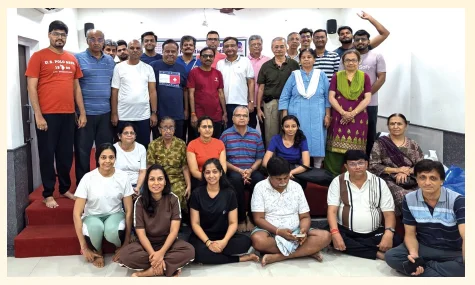
When people hear the word “fitness,” most think of visible muscles, faster sprints, or heavier lifts. However, true fitness is preparation for life itself. Strength isn’t just about the body. It also encompasses mindset, identity, discipline, and resilience. At Perseverance Strength and Conditioning (PSC), a performance-based coaching company with the ability to conduct programs across the US, fitness is redefined. PSC sees it as a means of developing life skills, self-awareness, and character. The company helps individuals, especially the youth, learn how to persevere through discomfort so they can thrive in every dimension of their lives.

PSC’s model is a response to a growing and concerning trend in public health, which has been building in schools, households, and communities across the country. The world is becoming more sedentary and overstimulated. Children and teens aren’t moving enough, and the consequences are unfolding in real time.

According to the US Physical Activity Guidelines for Americans, those ages six to 17 must get at least 60 minutes of physical activity per day. Yet most aren’t even close. Only 20% to 28% meet this requirement. What’s the outcome? “The problem isn’t just preventing obesity or managing weight,” says PSC founder Pablo Ambrosio. “The lack of movement can impact mental health, emotional regulation, academic performance, and long-term health outcomes.”

These gaps are compounded by another issue. The 2014 School Health Policies and Practices Study revealed that only around 3-4% of elementary, middle, and high schools require daily physical education. PSC aims to help address these problems.

The company’s mission revolves around the belief that physical fitness isn’t only about performance but also preparation. PSC recognises that schools are struggling to offer meaningful physical education while simultaneously watching athletic participation rise. Instead of asking schools to take on more, PSC embeds its coaches and curriculum directly into school communities.

It partners primarily with boarding schools and educational institutions, offering a full-time presence that blends physical training, mindset development, and sustainable nutrition education into the daily lives of students. By partnering directly with schools, PSC offers certified strength coaches who serve as on-campus guides, working with students, faculty, parents, and broader school communities.

These coaches become mentors, educators, and role models. They design programs tailored to each individual’s biomechanics through personalized movement assessments, and they use nutrition education to replace fad diets with practical, long-term approaches to health.

It’s worth noting that this model is financially sustainable. Schools can avoid the high cost and liability of hiring their own strength staff. At the same time, they can gain access to a turnkey performance solution grounded in research, character development, and real-world outcomes.

PSC further stands out for reframing fitness as a “low-stakes laboratory” for high-stakes life lessons. Students are taught to see failure not as a threat, but as a teacher. The company operates on a guiding mantra: “Win or learn.” Whether a missed rep, a bad day, or a tough conversation, PSC helps young people practice discomfort in a way that builds true resilience.

That ability to stay grounded in difficult moments is cultivated through PSC’s “Axiom Framework.” Stemming from the mathematical idea of an undeniable truth, this model guides students through a structured introspective process to develop their own “I am” statements. These are declarations of identity that reflect who they are and who they aspire to be. These axioms, such as “I am resilient” or “I am powerful,” become mental anchors during times of challenge. They’re tested in the gym and then carried into the classroom, into relationships, and into everyday life.

“Our goal isn’t to produce athletes who only work hard when coaches are watching,” says Ambrosio. “We want to support individuals who are intrinsically driven and self-aware. We want them anchored in a sense of identity that has been tested and proven through struggle.”

Amid a national crisis in youth health, Perseverance Strength and Conditioning is reimagining what strength education can be. It demonstrates that when
young people are equipped with the tools to handle physical, mental, and emotional challenges, they not only become better athletes. They’re growing into better individuals.

(Source: International Business Times – By Callum Turner – 16 July 2025)
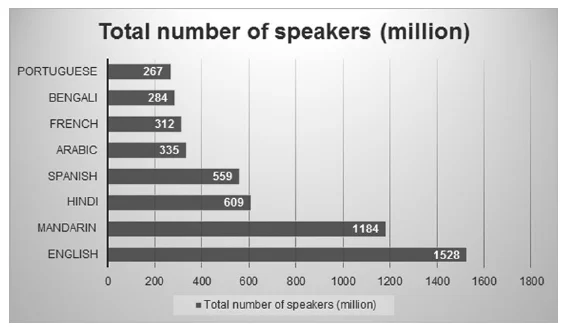
2. WORLD NEWS – CULTURE

#Sarajevo Street Art Marks Out Brighter Future

Bullet holes still pockmark many Sarajevo buildings; others threaten collapse under disrepair, but street artists in the Bosnian capital are using their work to reshape a city steeped in history.

A half-pipe of technicolour snakes its way through the verdant Mount Trebevic, once an Olympic bobsled route — now layered in ever-changing art.

“It’s a really good place for artists to come here to paint, because you can paint here freely,” Kerim Musanovic told AFP, spraycan in hand as he repaired his work on the former site of the 1984
Sarajevo Games.

Retouching his mural of a dragon, his painting’s gallery is this street art hotspot between the pines.

Like most of his work, he paints the fantastic, as far removed from the divisive political slogans that stain walls elsewhere in the Balkan nation.

“I want to be like a positive view. When you see my murals or my artworks, I don’t want people to think too much about it.

“It’s for everyone.”

During the Bosnian war, 1992-1995, Sarajevo endured the longest siege in modern conflict, as Bosnian Serb forces encircled and bombarded the city for 44 months.

Attacks on the city left over 11,500 people dead, injured 50,000 and forced tens of thousands to flee.

But in the wake of a difficult peace, that divided the country into two autonomous entities, Bosnia’s economy continues to struggle leaving the physical scars of war still evident around the city almost three decades on.

“After the war, segregation, politics, and nationalism were very strong, but graffiti and hip-hop broke down all those walls and built new bridges between generations,” local muralist Adnan Hamidovic, also known as rapper Frenkie, said.

Frenkie vividly remembers being caught by police early in his career, while tagging trains bound for Croatia in the northwest Bosnian town of Tuzla.

The 43-year-old said the situation was still tense then, with police suspecting he was doing “something political”.

For the young artist, only one thing mattered: “Making the city your own”.
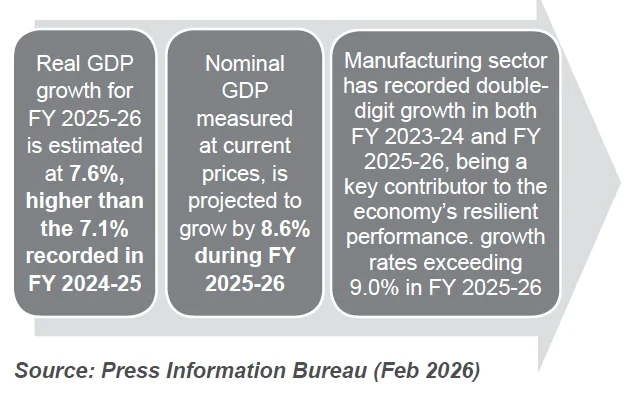
Graffiti was a part of Sarajevo life even during the war, from signs warning of sniper fire to a bulletproof barrier emblazoned with the words “Pink Floyd” — a nod to the band’s 1979 album The Wall.

Sarajevo Roses — fatal mortar impact craters filled with red resin — remain on pavements and roads around the city as a memorial to those killed in the strikes.

When he was young, Frenkie said the thrill of illegally painting gripped him, but it soon became “a form of therapy” combined with a desire to do something significant in a country still recovering from war.

“Sarajevo, after the war, you can imagine, it was a very, very dark place,” he said at Manifesto gallery where he exhibited earlier this year.

“Graffiti brought life into the city and also colour.”

Sarajevo’s annual Fasada festival, first launched in 2021, has helped promote the city’s muralists while also repairing buildings, according to artist and founder Benjamin Cengic.

“We look for overlooked neighbourhoods, rundown facades,” Cengic said.

His team fixes the buildings that will also act as the festival’s canvas, sometimes installing insulation and preserving badly damaged homes in the area.

The aim is to “really work on creating bonds between local people, between artists”.

(Source: International Business Times – By Anne Sophie LABADIE, Rusmir SMAJILHOZDIC – 28 July 2025)

3. WORLD NEWS

# With Poetry and Chants, Omanis Strive to Preserve Ancient Language

Against the backdrop of southern Oman’s lush mountains, men in traditional attire chant ancient poems in an ancient language, fighting to keep alive a spoken tradition used by just two percent of the population.

Sitting under a tent, poet Khalid Ahmed al-Kathiri recites the verses, while men clad in robes and headdresses echo back his words in the vast expanse.

“Jibbali poetry is a means for us to preserve the language and teach it to the new generation,” Kathiri, 41, told AFP.

The overwhelming majority of Omanis speak Arabic, but in the mountainous coastal region of Dhofar bordering Yemen, people speak Jibbali, also known as Shehri.

Researcher Ali Almashani described it as an “endangered language” spoken by no more than 120,000 people in a country of over five million.

While AFP was interviewing the poet, a heated debate broke out among the men over whether the language should be called Jibbali — meaning “of the mountains” — or Shehri, and whether it was an Arabic dialect.

Almashani said it was a fully-fledged language with its own syntax and grammar, historically used for composing poetry and proverbs and recounting legends.

The language predates Arabic, and has origins in Semitic south Arabian languages, he said.

He combined both names in his research to find a middle ground.

“It’s a very old language, deeply rooted in history,” Almashani said, adding that it was “protected by the isolation of Dhofar”.

“The mountains protected it from the west, the Empty Quarter from the north, and the Indian Ocean from the south. This isolation built an ancient barrier around it,” he said.

But remoteness is no guarantee for survival.

Other languages originating from Dhofar like Bathari are nearly extinct, “spoken only by three or four people,” he said.

Some fear Jibbali could meet the same fate.

Thirty-five-year-old Saeed Shamas, a social media advocate for Dhofari heritage, said it was vital for him to raise his children in a Jibbali-speaking environment to help keep the language alive.

Children in Dhofar grow up speaking the mother-tongue of their ancestors, singing along to folk songs and memorising ancient poems.

“If everyone around you speaks Jibbali, from your father, to your grandfather, and mother, then this is the dialect or language you will speak,” he said.

The ancient recited poetry and chants also preserve archaic vocabulary no longer in use, Shamas told AFP.

Arabic is taught at school and understood by most, but the majority of parents speak their native language with their children, he said.

After the poetry recital, a group of young children nearby told AFP they “prefer speaking Jibbali over Arabic”.

But for Almashani, the spectre of extinction still looms over a language that is not taught in school or properly documented yet.

There have been recent efforts towards studying Jibbali, with Oman’s Vision 2040 economic plan prioritising heritage preservation.

Almashani and a team of people looking to preserve their language are hoping for support from Dhofar University for their work on a dictionary with about 125,000 words translated into Arabic and English.

The project will also include a digital version with a pronunciation feature for unique sounds that can be difficult to convey in writing.

(Source: International Business Times – By Maha Loubaris – 10 August 2025)

Cobra Effect

‘Cobra Effect’ is an interesting observation in the field of advertising and marketing. It is based on the unpredictability of human mind or psychology. A particular thing is conceived or done with a particular good intention. However, its effect is exactly the opposite! That leads to amusing situations.

During Britishers’ time, once in Delhi, there was lot of nuisance and terror created by snakes that had grown in multiple numbers! On roads and everywhere, snakes were moving freely. Just as we have street dogs, rats, etc.

Britishers announced a reward for the person who would kill a snake and bring its body to the Government office. Initially, its good effect was felt. However, later, it was observed that the number of snakes was increasing!

On investigation, the ingenuity of fertile Indian brain came to the light! Few people started breeding snakes at their home! They used to kill them and claim reward.

This phenomenon came to be known as ‘Cobra Effect’. There are many such instances in the history of this ‘Cobra Effect’. It arises because the pious thinkers / planners often fail to anticipate the opposite consequences.

In 2008, Tatas introduced Nano car to make it affordable to a common (less resourceful man). Its intention was also to provide safety to the persons using two wheelers. Intentions were pious and laudable. However, the rich or elite thought that it was below their dignity and the less resourceful – common man – did not want to reveal his financial limitations!

A pharmaceutical company had brought a very effective medicine in the market on a particular disease. It was selling very well. However, Government made it compulsory also to declare the negative side effects, if any. This particular medicine had very mild, not so harmful side effects. However, unfortunately it had a very negative effect on the users and the sale dwindled significantly (Actually, that negative effect was observed in a very few people. Still, the consequence of this declaration was very negative!)

When Government, with reality laudable intentions, sometime waives the loans/liabilities of a particular class of people – often farmers. But the effect is the people who have honestly serviced or repaid the loan earlier, feel aggrieved and then they borrow with a clear intention not to repay at all!

Same thing happens in respect of Amnesty Scheme announced by the Government. The tax practitioners have experienced similar example in respect of acquisition or pre-emptive purchase of land. The relevant provisions were introduced in the Income Tax Act with view to curbing the on-money transactions in the transfers of immovable property.

However, it led to two disastrous consequences – one, the high level of corruption and two – many people transferred their barren and not so valuable land at an artificially inflated price to a known person. Then they used to have a setting with the concerned officers/valuers and ‘made them’ acquire the land. The funny part was that the Government was offering 15% premium on the declared price!

In psychology, the anticipation of such unintended consequences is called ‘Second Order Thinking’. The moral is that one should not only focus on the problem but also think all the pros and cons of the remedies!

Note

(This article is based on an article published in a Marathi daily).

ICAI and Its Members

I.  ICAI TAX AUDIT NOTIFICATION

ICAI Notification under Section 15(2)(fa) of the Chartered Accountants Act, 1949 – Tax Audit Limit Guidelines, 2025

Notification: F. No. 1-CA(7)/234/2025 dated 25.07.2025

Effective Date: 1st April, 2026

Key Provisions

  1. Title: Chartered Accountants (Limit on Number of Tax Audits) Guidelines, 2025.
  2. Applicability: Effective from 1st April 2026.
  3. Tax Audit Limit:
  • Individual Chartered Accountant / Proprietary firm: Maximum 60 tax audit assignments per financial year, whether corporate or non-corporate.
  • CA Firm: Maximum 60 tax audit assignments per partner per financial year.
  • Multiple Firm Membership: Where a partner is also a partner in any other CA firm(s), the aggregate ceiling of 60 audits applies across all firms.
  • Individual Capacity: Where a partner of a CA firm also accepts tax audits in his individual capacity, the aggregate ceiling of 60 audits applies across firm and individual capacity combined.
  • Branch/HO audits: Audit of head office and its branches to be counted as one assignment.
  • Revised audit reports: Not to be counted separately.
  • Assignments under Sections 44AE, 44ADA, and 44AD (clauses (c), (d), (e) of Sec 44AB): Not to be counted towards the limit.
  • Part-time partners: Not to be considered in calculating firm’s tax audit limit.

4. Record Maintenance: Every CA must maintain records of tax audit assignments accepted and signed in the prescribed format.

5. Supersession of Earlier Guidelines: These guidelines override earlier ones, including Chapter VI of Council General Guidelines, 2008, which remain valid only till 31st March, 2026

II. ICAI PUBLICATION

1. Guidance Note on Tax Audit under section 44AB of the Income-tax Act, 1961 (Revised 2025)

Considering the recent revisions to Form No. 3CD and the amendments introduced by the Finance (No. 2) Act, 2024 and the Finance Act, 2025 to the Income-tax Act, 1961,the Direct Tax Committee of the Institute of Chartered Accountants of India has released the Revised (2025) Edition of the Guidance Note on Tax Audit under Section 44AB of the Income-tax Act, 1961. This updated edition is released keeping pace with ongoing legislative developments, judicial interpretations, and evolving professional practices. It serves as a comprehensive, practical resource designed to support members in fulfilling their tax audit responsibilities with accuracy, diligence, and confidence

Link: https://resource.cdn.icai.org/87317dtc-aps1808gn-tax-audit2025.pdf

2. Checklist for Preparation of ITR Forms (ITR-1 & ITR-4)

In pursuit of objective of to strengthen the knowledge base of members and offer practical insights into the evolving tax landscape and to support our members in guiding taxpayers through their return filing obligations, the Direct Taxes Committee has introduced a Checklist for Preparation of Income-tax Returns – ITR 1 to ITR 4. This checklist will be released as a series, aimed at equipping members with practical tools and insights to ensure accurate and timely compliance.

Link: https://resource.cdn.icai.org/87550dtc-aps1990.pdf

3. Frequently Asked Questions (FAQs) on Management Representation Letter

The publication contains FAQs on management representation letter and responses to these FAQs. For the benefit of the members, the publication also contains four Appendices which include illustrative templates on Representation Letter, Format for Updating Management Representation Letter, Format for Additional Considerations, and SA 580 Compliance Checklist. “Appendix I: Illustrative Representation Letter” includes a comprehensive format of management representation letter. The publication will enable auditors to comply with requirements of SA 580, “Written Representations” and to obtain the necessary management representations effectively.

Link: https://resource.cdn.icai.org/87555aasb-aps2002-publication.pdf

4. Technical Guide on Accounting for Expenditure on Corporate Social Responsibility Activities (Revised July 2025 Edition)

The revised edition of the Technical Guide on Accounting for Expenditure on Corporate Social Responsibility Activities has been brought out in view of the evolving regulatory landscape and emerging practical considerations in CSR accounting. It aims to provide continued clarity, relevance, and guidance to professionals in navigating the accounting and reporting aspects of CSR with confidence and consistency.

Link: https://resource.cdn.icai.org/87104clcgc-aps1579.pdf

III. EXPERT ADVISORY COMMITTEE OPINION

Treatment and Presentation of Perpetual Loan under Ind AS framework

Facts of the Case

  • A Government of India (GoI) undertaking under the Ministry of Defence, fully owned by GoI, engaged in construction/repair of ships and submarines.
  • In FY 2010–11, GoI sanctioned a financial restructuring package of ₹ 824.90 crores.

– ₹ 452.68 crores as grant-in-aid for clearing liabilities.

– ₹ 372.22 crores (loan + interest + guarantee fee) converted into a perpetual loan with zero interest.

  •  Until FY 2023–24 (IGAAP), the Company classified the perpetual loan under Long-term Borrowings.
  •  From FY 2024–25, the Company adopted Ind AS and sought guidance on its classification.

Query

  • What is the treatment of perpetual loans under Ind AS?
  • Can the perpetual loan be classified as Equity under Ind AS? If yes, what are the recognition, classification, and presentation requirements?

Points Considered by the Committee

  • The perpetual loan has no repayment or interest obligation and thus does not meet the definition of “financial liability” under Ind AS 32.
  • It also does not involve settlement through equity instruments; hence it represents a residual interest in the entity’s net assets.
  • As per Ind AS 32 and the Guidance Note on Division II – Ind AS Schedule III, instruments evidencing residual interest should be classified as “Instruments entirely equity in nature.”
  • Presentation requirements under Ind AS 1:

» Shown separately in Balance Sheet under Equity (after Equity Share Capital, before Other Equity).

» Separate reconciliation required in the Statement of Changes in Equity.

EAC’s Opinion

  • The perpetual loan of ₹372.22 crores should be considered as having the nature of Equity and classified as “Instruments entirely equity in nature.”
  • The Company should comply with the disclosure and presentation requirements of Ind AS 1 and Schedule III Guidance Note.

ICAI Journal August 2025 Pages 130-136

Link: https://resource.cdn.icai.org/87366cajournal-aug2025-36.pdf


IV. ICAI DISCIPLINARY COMMITTEE ORDERS

1. Case: Serious Fraud Investigation Office, Ministry of Corporate Affairs, Govt. of India vs. CA SS – PR/G/139/2020-DD/133/2020/DC/1827/2023

Date of Order: 4.08.2025

Particulars Details
Complainant Serious Fraud Investigation Office (SFIO), MCA
Background SFIO investigation into M/s DSKDL revealed diversion of public deposits and bank borrowings via V S P Pvt. Ltd. and V P D PVT. Ltd. (V Group Co.) These entities were used as conduits to route > r 115 crore to Mrs. H under the guise of advances for material purchase.
Role of Statutory Auditor of the DSKDL & V
Respondent Group Co (FY 2011-12 to 2015-16).
Key Allegations – Collusion with DSKDL KMPs in siphoning funds.


– Failure to disclose related party transactions (AS 18).


– Reporting advances as genuine despite sham transactions.


– Gross negligence and lack of independent verification.

Findings – V Group Cos were mere shells; no staff, no business, only fund transfers.


– Respondent CA admitted before SFIO that no material was supplied and companies were conduits.


– Failure to disclose material facts and misstatements materially affected true & fair view.


–  Respondent acted “hand in glove” with management.

Charges Guilty of Professional Misconduct under:
Established – Part I of Second Schedule: Clauses (5), (6), (7), (8).

– Part IV of First Schedule: Clause (2).

Punishment Removal of name from ICAI Register of Members for 2 months. – Fine of ₹ 50,000 (payable within 60 days).

2. Case: Income Tax Department vs. CA. A.M. – PR/173/16-DD/250/16/DC/764/2018

Date of Order: 24.07.2025

Particulars Details
Complainant Income Tax Department
Background During search proceedings in the case of M/s. PACL Ltd., the Income Tax Department found that the Respondent had issued backdated audit reports and certificates to facilitate PACL’s false claims of compliance before SEBI.
Role of Issued statutory certificates under
Respondent Section 227 of the Companies Act, 1956 for PACL.
Key Allegations – Issuance of false and misleading audit certificates, despite lack of supporting.


– Helping PACL misrepresent its financial position to regulators.


– Gross negligence and lack of professional independence.

Findings – Certificates were knowingly issued without verifying underlying records.


– Respondent’s conduct amounted to collusion with PACL’s management.


– Serious breach of duty of independence and diligence.

Charges Guilty of Professional Misconduct under:
Established – Part I of Second Schedule: Clauses (5), (6), (7), (8).


– Part IV of First Schedule: Clause (2).

Punishment – Removal of name from ICAI Register of Members for 2 years.


– Fine of ₹50,000 payable within 60 days.


3. Case: Income Tax Department vs. CA. S.G. – PR/35/2015-DD/48/2015/DC/993/2019

Date of Order: 5.08.2025

Particulars Details
Complainant Income Tax Department
Background Search and seizure operations against B. R Group revealed that the Respondent, while acting as statutory auditor of group entities, failed to verify actual receipt of share application money and investments. Bogus share capital and premium entries were accepted without proper scrutiny.
Role of Respondent Issued clean audit reports for companies which had routed unaccounted money as share capital / share premium.
Key Allegations – Failure to independently verify share application money.


– Acceptance of management’s explanation without corroboration.


– Gross negligence in reporting true and fair view.

Findings – Auditor did not perform necessary audit checks on large share capital and premium amounts.


– Accepted sham transactions at face value.


– Serious dereliction of duty and lack of skepticism.

Charges Guilty of Professional Misconduct under:
Established – Part I of Second Schedule: Clauses (5), (6), (7), (8).


– Part IV of First Schedule: Clause (2).

Punishment Removal of name from ICAI Register of Members for 1 year.  Fine of r 50,000 payable within 60 days.

Statistically Speaking


Learning Events At BCAS

1. 77th Founding Day Conclave:

– Lecture Meeting by Shri Tuhin Kanta Pandey, Chairperson SEBI on “Corporate Governance, in letter and spirit – role and responsibilities of professionals” and

– Fireside chat with Shri Nithin Kamath, Founder & CEO at Zerodha on “Navigating Tomorrow: How CAs can lead Financial Innovation and Sustainability” held on 5th July, 2025 at Garware Club, Churchgate.

The 77th Founding Day of the Society was marked by a significant, one of its kind conclave, featuring a talk by, SEBI Chairperson – Shri Tuhin Kanta Pandey, and a Fireside chat with Shri Nithin Kamath.

Lecture Meeting

This session featured a lecture by Shri. Tuhin Kanta Pandey, Chairperson of SEBI, on the critical role of corporate governance and the responsibilities of professionals, particularly Chartered Accountants.

Key takeaways:

1. SEBI’s Mandate and CA’s Dual Role: SEBI has a dual responsibility of developing and regulating the securities market. Chartered Accountants also play a dual role, acting as both business enablers (CFOs, Consultants) and a “first line of defense” (Auditors, Independent Directors).

2. Uncompromising Ethics and Values: He stressed that ethics and a strong value system are of uncompromising importance for CAs’, regardless of their specific role. He reinforced Azim Premji’s saying: “for a professional, grey is black,” meaning that ambiguous situations should be treated with the same clarity as wrong actions to ensure strong corporate governance.

3. Corporate Governance as an Imperative: Corporate governance is not optional but an “imperative” that builds trust with stakeholders and ensures investor confidence, board independence, and effective oversight.

4. Chartered Accountants as Financial Custodians: Chartered Accountants are deemed “financial custodians of corporate India” and “stewards of trust”. Their role extends beyond financial reporting to ensuring accuracy, integrity, robust internal controls, transparency in related party transactions, and ethical conduct. They serve as a bridge between management, auditors, and regulators, upholding fairness and accountability. A crucial point he made is that CAs must ensure corporate governance is “not reduced to a checklist”.

5. Evolution of Governance Framework: India’s corporate governance framework has continuously evolved, with significant milestones including Clause 49 (2000), the Company’s Act 2013, and SEBI LODR Regulations 2015. SEBI adopts a hybrid approach, combining rule-based and principle-based elements, to encourage going beyond mere compliance and embracing the spirit of good governance.

6. Transparency and Information Symmetry: SEBI mandates a robust disclosure framework, including periodic financial and governance reports and event-based disclosures, to ensure timely and reliable information for all stakeholders and prevent information asymmetry.

7. Enforcement and Regulatory Reforms: SEBI undertakes stringent enforcement actions against misconduct, including debarring entities, imposing penalties, and directing the return of siphoned funds. Recent reforms include quantitative thresholds for materiality of events and mandating shareholder approval every five years for special rights or director continuation, aiming to enhance transparency and accountability.

8. Ease of Doing Business Initiatives: SEBI has introduced measures such as a single filing system, simplified RPT standards, flexibility in Business Responsibility and Sustainability Reporting (BRSR), extended disclosure windows for board meeting outcomes, and the option to not publish detailed financial results in newspapers. These measures aim to simplify compliance, enhance transparency, and encourage technology adoption, while also being mindful of the burden of excessive compliance.

9. Collaborative Ecosystem: The strength of capital markets lies in “partnership and shared purpose” among all participants. Teamwork, technology, transparency, professional ethics, trust, and a shared vision are key pillars for progress.

10. Investor Service and Digitisation: Indian capital markets are considered among the most advanced globally, with a significant increase in unique investors (from under 50 million in 2019 to 130 million, targeting 400 million). He praised tech startups like Zerodha for their role in reaching investors across the country.

11. Investor Protection Initiatives: SEBI is working on initiatives like “@VALID” (a UPI subsystem for authorised bank accounts) and a SEBI Check app to prevent fraud. They also plan massive campaigns on cyber fraud and responsible investing, and advocate for differentiated regulation based on investor risk appetite.

12. BRSR Reporting Assurance: He emphasised the need for trustworthy standards and credible third-party assessments as the reporting moves from self-certification.

13. Debt Capital Markets: While equity markets have developed significantly, he noted the substantial growth in the corporate bond market. He highlighted the unique EBP platform for electronic bidding in corporate bonds and initiatives to improve retail access through online bond platforms and brokers. Challenges remain in secondary market liquidity and investor understanding of bonds as “yield to maturity” products. Investor awareness initiatives, such as NISM webinars, are underway.

14. Final Message: Corporate governance should be implemented “not only in letter but also in spirit” to achieve its true objective and purpose.

Fireside Chat

The Fireside Chat featured Shri Nithin Kamath, Founder & CEO at Zerodha interviewed by CA Vaibhav Manek. The discussion focused on Zerodha’s journey, financial innovation, and investor trends, with insights into how Chartered Accountants (CAs) can lead in these areas.

Key takeaways from Shri Nithin Kamath:

1. Zerodha’s Inception and Growth: Nithin Kamath started trading in the late 1990s, experienced significant losses in 2001, worked in a call centre, and later became a sub-broker and Reliance Money franchisee before starting Zerodha in 2009. He highlighted that the genesis of Zerodha was transparency, which allowed customers to know all upfront charges, a previously unheard-of practice.

2. Unforeseen Scale and Organic Growth: Kamath never envisioned Zerodha reaching its current scale of 17 million customers, with his initial best-case scenario being 100,000 customers. He emphasised that Zerodha achieved this scale without spending on advertising, proving that building a good product with the customer at its centre naturally attracts users.

3. Emphasis on Market Cycles and Grounding: He attributes much of Zerodha’s success to being in the “right place, right time” during India’s growth period, highlighting the importance of the market cycle over just business skills for an entrepreneur. He also noted that wealth has not materially changed his lifestyle, helping him stay grounded.

4. Future Opportunities in Broking: Kamath believes it would be difficult to build another Zerodha today due to the unique timing of its growth (e.g., online onboarding coinciding with events like COVID-19). He sees the main opportunity in India as building an advisory-first broker, as many new investors lack guidance on what to do.

5. Transformational Shift in Investor Trends: He predicts that India, being a generation behind the US, will see investors mature over time. With the rise of AI tools like Chat GPT, he foresees a major transformational shift where brokers might become mere “pipes” to exchanges, and customers will build custom apps for trading.

6. Role of Chartered Accountants: Kamath greatly values the role of CAs, citing Zerodha’s CAs (Bharat and Om) as instrumental in building the business without “legacy debt” by ensuring transparency and ethical operations. He believes CAs can nudge business owners towards holistic decisions, especially regarding sustainability and ESG, beyond just “checkbox” compliance.

7. Investment Perspective: He sees accounting firms as “investable” due to their steady and sustainable revenue and high customer retention. When evaluating investment opportunities, he primarily looks for founders with core competency and experience in the industry, rather than just an idea. He also prioritises investing in contrarian market cycles like health and climate.

8. Leadership and Growth Philosophy: Kamath defines his leadership by prioritising the long-term over the short-term, such as analysing business numbers over a three-year moving average rather than quarterly. He believes this gives Zerodha an advantage over competitors forced to focus on short-term results.

9. Mistakes for Start-up Founders: He advises founders to avoid overselling to investors, as it creates false expectations for the team. He advocates for effective team building by treating employees as more than just “resources,” implementing policies like no work chats after 6 pm and encouraging hobby projects. He stresses that people motivated solely by money tend to leave for money. He also criticises the “excessive consumerism” of constant growth targets, suggesting that true happiness comes from chasing metrics beyond mere revenue.

BCAS Lecture Meetings are high-quality professional development sessions which are open-to-all to attend and participate. Missed the Lecture Meeting, but still interested in viewing the entire meeting video?

Visit the below link or scan the QR Code with your phone scanner app:

YouTube Link:

https://www.youtube.com/watch?v=AIK12-f19nw&t 

https://www.youtube.com/watch?v=ff5-CAnK4TM

2. One Day Seminar on “Ind AS 117 – Insurance Contracts – A Curtain Raiser” held on Friday, 4th July 2025 @IMC.

The landscape of insurance accounting is undergoing a paradigm shift in India with the introduction of Ind AS 117 – Insurance Contracts, aligning more closely with the international standard IFRS 17.

As India moves toward adopting this landmark standard, it is essential for all professionals in the insurance sector, auditors of insurance companies, actuaries and all those associated with the insurance industry, to gain a solid understanding of its principles, implementation issues, and practical implications.

In this direction (to act as curtain raiser), Accounting & Auditing Committee of BCAS organised one day seminar on the said topic in hybrid mode (physical as well as online) at Babubhai Chinai Hall, 2nd Floor, IMC Building, Churchgate, Mumbai.

This seminar was designed to introduce and equip professionals with a basic understanding of Ind AS 117 and help them navigate its complexities with confidence.

The Seminar was inaugurated with the opening remarks from the Vice-President of BCAS, CA Zubin Billimoria, followed by the Chairman of the Accounting and Auditing Committee –CA. Abhay Mehta, both of them underlining the importance of knowledge sharing and role of the BCAS in conducting such programs for the benefit of members and the profession at large.

The seminar commenced with an Inaugural Address by CA. M P Vijay Kumar setting the tone for the following sessions, narrating the journey and emphasizing the importance of readiness and adaptation to the new standard.

This was followed by an insightful session on “Introduction to Ind AS 117 and Transitional Issues“, which provided a foundational overview along with transition challenges, strategies and practical insights by CA Ashutosh Pednekar.

Thereafter, specialised sessions on the “Accounting Impact on Life Insurance Sector” and “General Insurance Sector” were taken by Mr. Dinesh Pant and CA Samir Shah, respectively, offering deep technical perspectives on how Ind AS 117 reshapes financial reporting in these domains.

The session on the “Impact of Ind AS 117 on Other Ind AS Standards”, by Mr. Jitendra Jain, highlighted convergence and divergence areas, especially with Ind AS 109 and Ind AS 115.

The Seminar concluded with a critical session by Mr. Rajesh Dalmia on the “Interplay of Actuarial Aspects vis-à-vis Ind AS 117“, focusing on the alignment between actuarial valuations and accounting treatment, bringing together finance and actuarial domains.

The seminar proved to be a highly informative platform for professionals navigating the implementation challenges of Ind AS 117.

The Seminar provided an excellent opportunity to gain valuable knowledge and practical insights on the topics covered. The Seminar attended by 45 participants (including 36 virtual participants) was well received, and the overall feedback from the participants was very encouraging.

3. Finance Corporate & Allied Law Study Circle – Overview of Due diligence with focus on Financial due diligence held on Monday, 23rd June 2025 @ Virtual

  • The session focused on the structure, scope, and strategic importance of due diligence in modern transactions, particularly financial due diligence (FDD). 55 participants attended the session.
  • CA Sahil Parikh outlined the phases of a typical DD assignment, from planning to reporting and finalisation.
    Key distinctions between audit and due diligence were discussed, with real-life case examples highlighting revenue overstatement, related party risks, and valuation adjustments.
  • The speaker shared insights from engagements involving private equity, IPOs, and distressed assets, demonstrating how DD findings impact deal structure and pricing.
  • Buyer vs Seller perspectives were explained, along with red flag negotiation strategies.
  • The session covered FDD checklists, normalisation of EBITDA, tax and legal DD overlaps, and the role of secretarial compliance.
  • Emerging trends such as AI-based review tools, digital data rooms were also touched upon.
  • The talk concluded with a strong emphasis on ethical rigour, independence, and value creation through diligent and balanced reporting.
  • The session was well received and drew appreciation for its practical orientation and structured delivery.

4. Redevelopment 360: From Concept to Completion held on Saturday, 21st June 2025 @ Hybrid

This event was organized by the Finance, Corporate, and Allied Laws Committee on Saturday, 21st June, 2025, at BCAS Hall. Initially planned as an in-person attendance event, the seminar was converted into a hybrid format in response to the overwhelming interest and demand, allowing participants to attend virtually as well.

The details of the Seminar are as follows:

Topic Session Summary Faculty
Keynote Address on The Rise and Need of Redevelopment

Shri Romell delivered an insightful keynote address, emphasizing the urgent necessity of redevelopment in a land-constrained city like Mumbai. He articulated the advantages of cluster redevelopment over other models and positioning redevelopment as both a civic necessity and a social responsibility. His address set a compelling tone for the sessions that followed.

Shri Domnic Romell

President, Maharashtra
Chamber of Housing Industry


 Session 1:

Understanding Redevelopment Process and Regulatory Framework


This session provided a comprehensive overview of the redevelopment landscape—covering various types of redevelopments, notable DCPR schemes, and their comparative analysis. Mr. Nayan Dedhia also touched on self-redevelopment initiatives.

 Mr. Nayan Dedhia

Director, Toughcons Nirman Pvt. Ltd


 Session 2: Role and Importance of PMC in Redevelopment

CA Aditya Bansal outlined the critical role of Project Management Consultants in ensuring smooth execution at every stage of a redevelopment project. He illustrated how PMC involvement mitigates risks and enhances project efficiency.

 CA Aditya Bansal,

Associate Director,
Knight Frank

 Session 3: The Redevelopment Checklist

Dr. Harshul Savla emphasized the importance of having a well-structured redevelopment checklist. He stated that the checklist should, inter alia, comprise the key points of a plot, the due diligence checklist, significant points of redevelopment, buffet of FSIs, importance of ‘Know your Developer’, and certain RERA compliances of a redevelopment project.

 Dr. Adv. Harshul Savla

Managing Partner, Suvidha Lifespaces


 Session 4: GST Implications in Redevelopment

CA Raj Khona dealt with GST implications with respect to developer-led redevelopment as well as self-redevelopment of societies. In case of developer-led redevelopment, GST on rehab flats, resale by landowners before OC, various payments to the society and its members, additional area purchased along with liability to pay GST were considered. He also dealt with the GST implications in respect of self-redevelopment funded by the members’ contribution. He presented the possible divergent views.

 CA Raj Khona

Founder, Aarkay Advisors


 Session 5: Income Tax and Stamp Duty Implications in Redevelopment

The fireside chat dealt with the income tax implications on various aspects of redevelopment of cooperative societies, including TDS on and from AY 2024-25, such as development rights, availing permanent alternative accommodation with or without additional area, garage, Jodi flats, temporary alternative accommodation compensation, hardship compensation, sinking fund, in in-kind benefits. Stamp duty implications and the potential role of seeking Advance Rulings were also discussed.

 CA Pradip Kapasi in fireside chat with CA Jhankhana Thakkar:
 Session 6: Legal Drafting in Redevelopment Projects

Adv. Sajit Suvarna and Adv. Mitali Naik dealt with drafting essentials in Development Agreement, Power of Attorney, Intimation of Disapproval. They emphasized careful and diligent drafting of critical clauses relating to granting of development rights, displacement allowance, security, building enough safeguards to have a balanced document.

 Adv. Sajit Suvarna

Senior Partner, DSK Legal

 Adv. Mitali Naik, Partner, DSK Legal


 Panel Discussion on Redevelopment Realities – Successes, Pitfalls & Lessons Learned

This engaging panel brought together perspectives from both society representatives and developers. Panelists shared success stories and critical lessons from their redevelopment journeys. They discussed key factors contributing to success, such as selection of developer, structuring the deal, challenges during execution phase, and surprise – pleasant or otherwise – experienced during the possession of the new residential premises. Each panelist shared their Success Mantras – The Do’s, Don’ts, and Ratnas.

 Panelists:

•
CA Ketan Mehta

(Society Office Bearer)


• Mr. Ayaz Kazi

(Society Office Bearer)


• CA Anish Shah

Director, Amal Group (Developer)

 Moderator:

CA Chetan Shah

Past President – BCAS

The Seminar was appreciated for its concept to completion. Each session offered in-depth insights, with experts sharing valuable experiences. The seminar concluded with participants gaining an overall (360º) understanding of Redevelopment of societies, especially in Mumbai. The Chairman of BCAS – FCAL committee suggested that Monograph/s may be published on the questions raised during the seminar. Out of the total 194 participants, 126 were BCAS members, and the remaining 68 were non-members. Further, 44 participants attended from 21 cities outside the Mumbai Metropolitan Region.

II. OTHER EVENTS AND NEWS

1. BCAS Office Bearers, Chairpersons, Co-Chairpersons & Convenors Meeting held on Saturday, 12th July 2025@ BCAS Hall.

A meeting of the Office Bearers, Chairpersons, Co-Chairpersons, and Convenors of the various BCAS Committees for the year 2025–26 was held on 12th July 2025 at the BCAS Hall.

President CA Zubin Billimoria welcomed all members and shared the vision for the year ahead, aligning the initiatives with the BCAS Five-Year Plan. He presented ten key strategic projects that the Office Bearers have outlined for the year.

Convenors of the respective committees also shared their proposed annual plans and activity schedules for 2025–26. The updated Standard Operating Procedures (SOPs) were discussed, emphasising the roles and responsibilities of Chairpersons and Convenors. Discussions also focused on best practices for event planning, communication, and outreach.

The BCAS Office Manager and Department Heads were introduced to the members, along with an overview of their functions. An open townhall session saw active participation and meaningful suggestions from members, which were duly noted for implementation.

2. Meeting of Newly Inducted Core Group Members (2023–24 to 2025–26) held on Saturday, 12th July 2025 @ BCAS Hall.

The second half of the day saw a dedicated session for newly inducted Core Group members during the last years from 2023–24 to 2025–26. The meeting provided an opportunity for the new members to introduce themselves and engage with the Office Bearers and fellow Core Group members.

President CA Zubin Billimoria elaborated on the key strategic initiatives under the BCAS Five-Year Plan and reiterated the importance of collaborative leadership. The structural framework of BCAS departments was presented, and the Heads of Departments were formally introduced.

The roles, expectations, and responsibilities of Core Group members were discussed in context of the updated SOPs. The interactive townhall that followed allowed members to offer suggestions and share insights, which were warmly received and noted for action by the leadership team.

3. BCAS Academy: A New Era of Digital Learning and Networking @ Mumbai.

Bombay Chartered Accountants’ Society proudly unveiled the BCAS Academy portal, at the 76th Annual General Meeting of the society held on 5th July 2025 at Garware Club House, Mumbai. The BCAS Academy is a robust digital learning and networking hub designed to empower members through knowledge, collaboration, and innovation.

Key Features:

i. Groups – Members can now connect through dedicated groups based on areas of interest or professional focus, enabling peer learning and closer networking within the community.

ii. Forums – The platform hosts interactive forums where users can post queries, share insights, and engage in meaningful discussions on emerging topics and technical issues.

iii. Self-paced e-Learning with BCAS Certificate – A growing library of structured online courses allows members to learn at their own pace and earn BCAS-certified credentials upon completion.

iv. Custom ChatGPT – An AI-powered assistant tailored for the CA profession provides instant guidance, answers, and learning support, enhancing the user’s experience and understanding.

v. BCAS Journal Flip Book Version – Members can now access the Bombay Chartered Accountants Journal in a convenient, interactive flip book format, enhancing readability and portability.

vi. Recorded Videos – Access to a rich repository of recordings from past webinars, lectures, and conferences ensures that knowledge is never missed and always within reach.

vii. Event Registration – The portal offers seamless registration for upcoming BCAS events, making it easier for members to stay updated and involved.

viii. Order Publication Online – Users can conveniently browse and order BCAS publications through the portal, with a streamlined interface for selection and checkout.

The BCAS Academy marks a significant leap forward in the Society’s digital journey, aligning with its mission to foster continuous learning and professional excellence among Chartered Accountants.

The BCAS Academy is now accessible to all members of the Bombay Chartered Accountants’ Society. Access the BCAS Academy: https://academy.bcasonline.org/

4. White Paper: Enhancing the Alternative Investment Fund (AIF) Ecosystem in India@ Mumbai

A White Paper prepared by Bombay Chartered Accountants’ Society (BCAS) jointly with National Institute of Securities Markets (NISM) on “Enhancing the Alternative Investment Fund (AIF) Ecosystem in India” was presented to Shri Tuhin Kanta Pandey, Chairperson, Securities & Exchange Board of India (SEBI) at the 77th Founding Day Conclave held on 5th July 2025 at Garware Club House, Mumbai.

Previously, on the sidelines of the Alternative Investment Fund (AIF) Conclave 2025, which was held on 17th and 18th January, 2025, at Hotel Ginger Mumbai Airport, a Closed-Door Roundtable Discussion was held on the Challenges and Gaps in the AIF Ecosystem.

The discussion was attended by Shri Rajesh Gujjar, Chief General Manager at SEBI, officials from BCAS and NISM, top leadership from 15 AIFs, and legal experts. The session was moderated by Adv. Siddharth Shah. The insights and suggestions provided by the panelists were documented in the form of a White Paper.

The white paper serves as a foundation for policy advocacy and industry transformation, capturing the key recommendations and insights from the discussion held during the roundtable discussion. The recommendations outlined in the paper serve as a strategic roadmap for improving governance, expanding investor access and streamlining compliance in the AIF sector.

The White Paper is now accessible to all BCAS members and is expected to serve as a valuable resource for professionals engaged in investment advisory, fund structuring, tax planning, and regulatory compliance.

Access the White Paper here:

https://bcasonline.org/wp-content/uploads/2025/07/White-Paper-on-Alternative-Investment-Fund.pdf

5. BCAS Foundation Receives Yoga Sangam Patra from the Ministry of Ayush

We are delighted to share that the BCAS Foundation has been awarded the prestigious Yoga Sangam Patra by the Ministry of Ayush, Government of India, in recognition of our active participation in celebrating International Yoga Day on 21.06.2025.

The Yoga Sangam event organized by BCAS Foundation was held at Prestige Hotel, Andheri, in alignment with the national celebrations led by the Hon’ble Prime Minister Shri Narendra Modi from Visakhapatnam. The event brought together members and well-wishers in a shared commitment to promote health, wellness, and inner harmony through the timeless practice of yoga.

We extend our heartfelt thanks to all the enthusiastic participants who contributed to making this initiative a meaningful and memorable one.

This recognition is a proud moment for the BCAS community and a reflection of our ongoing efforts to promote holistic well-being alongside professional excellence.

6. 15,000 & Growing!

The Bombay Chartered Accountants’ Society (BCAS) is proud to share a significant digital milestone — our LinkedIn community has crossed 15,000 followers!

We extend our heartfelt thanks to each member of our growing network for your support, engagement, and trust. Your continued participation strengthens our mission to share credible, relevant, and insightful knowledge with the professional community.

If you haven’t joined us yet, we invite you to become part of an active network of finance professionals, Chartered Accountants, and thought leaders who look to BCAS for:

  • Expert sessions and event updates
  • Thought leadership in taxation, audit, technology, and policy
  • Key regulatory insights and member-driven initiatives
  • Let’s continue to learn, lead, and grow — together.

Follow us on LinkedIn for more meaningful content and updates.

Link: https://www.linkedin.com/company/bombay-chartered-accountants-society/?viewAsMember=true

III. BCAS IN NEWS & MEDIA

BCAS was quoted in 48 news and media platforms during July 2025. This coverage reflects our thought leadership and commitment to the profession. For details

Link: https://bcasonline.org/bcas-in-news/

AI Won’t Replace You… But the CA Who Uses It Better Might

The future of finance is here — and those who adapt will lead.

In a thought-provoking episode of the popular podcast Paisa Vaisa, BCAS President Anand Bathiya joins host Anupam Gupta to discuss the transformative role of Artificial Intelligence (AI) in the finance and accounting profession.

From automation and analytics to ethics and upskilling, the discussion sheds light on how AI is reshaping the Chartered Accountant’s role — and why adopting these technologies is no longer optional.

Whether you’re a Chartered Accountant, a finance student, or simply curious about the intersection of money and machines, this episode offers timely insights on how to stay relevant, resilient, and future ready.

Watch the full episode here: https://www.youtube.com/watch?v=l6TbBDLbv1g

Regulatory Referencer

DIRECT TAX: SPOTLIGHT

1. Clarification regarding CBDT’s Circular No. 5/2025 dated 28.03.2025 for waiver on levy of interest under section 201(1A)(ii) / 206C(7) of the Income-tax Act, 1961 – Circular No. 8/2025 dated 1 July 2025

As prescribed in circular No. 5, the CCIT, DGIT or PrCCIT has power to reduce or waive interest charged under section 201(1A)(ii) / 206C(7) of the Act. The following clarifications are issued:

a) CCIT/ DGIT/ Pr.CCIT is empowered to pass order for waiver after the date of issue of Circular No. 5/2025 i.e. 28 March 2025

b) Applications for the waiver of interest can be entertained within one year from the end of the financial year for which the interest is charged.

c) Waiver applications can be entertained for interest under section 201(1A)(ii) / 206C(7) of the Act charged even before the issuance of the said Circular, subject to (b) above.

2. Cost Inflation Index for F.Y. 2025-26 is 376 – Notification No. 70/2025 dated 1 July 2025

FEMA

1. RBI allows advance remittance up to USD 50M for vessel imports without BG or unconditional, irrevocable SBLC

To enhance ease of doing business, it is decided to allow importers to make advance remittance up to USD 50 million. This is for imports of shipping vessel, without Bank guarantee, or an unconditional and irrevocable Letter of credit, subject to conditions in MD-Imports. However, this circular does not provide relaxations for obtaining approvals or permissions.
[A.P. (DIR Series 2025-26) Circular No. 7, dated 13th June 2025]

2. RBI eases export norms; exempts offshore vessels like tugs, dredgers from export declaration if re-imported into India

Regulation 4 of the Foreign Exchange Management (Export of Goods & Services) Regulations, 2015 is amended. Tugs or Tug boats, Dredgers and Vessels used for providing off-shore support services are now exempt from furnishing export declaration, subject to re-import.

[Notification No. FEMA 23(R)/(6)/2025-RB, dated 24th June 2025]

IFSCA

1. IFSCA expands permissible uses of FCA funds by resident individuals in IFSC

IFSCA has amended the existing directions concerning the operation of Foreign Currency Accounts (FCAs) held by Resident Indians (RIs) under LRS. As per the amendment, RIs must submit a declaration that the amount spent from FCA for availing financial services or financial products is for the purpose declared or is for a purpose permitted under LRS.

[Circular No. IFSCA-FMPP0BR/1/2021–Banking-Part(1)/3, dated 23rd June 2025]

2. IFSCA prescribes submission process for changes in operations, management, or registration of REs by Finance Cos

With a view to facilitating uniformity and ease of doing business for Regulated Entities (REs), the authority has issued a Guidance Note. It aims to streamline the process of change requests made by the REs. Various Divisions of IFSCA have been specified for different Change Requests. All the Finance Companies and Finance Units shall adhere to these Guidelines to ensure compliance.

[Circular No. IFSCA-FCR0FCR/5/2025-Banking/01, dated 1st July 2025]

Miscellanea

1. TECHNOLOGY

#US passes first major national crypto legislation

Lawmakers in the US have passed the country’s first major national cryptocurrency legislation. It is a major milestone for the once fringe industry, which has been lobbying Congress over regulation for years and poured millions into last year’s election, backing candidates that included Donald Trump.

The bill sets up a regulatory regime for so-called stable coins, a kind of cryptocurrency backed by assets seen as reliable, such as the dollar. Trump is expected to sign the legislation, after the House passed the bill, joining the Senate, which had approved the measure last month.

Known as the Genius Act, the bill is one of three pieces of cryptocurrency legislation advancing in Washington that is backed by Trump.

The president once derided crypto as a scam but his opinion shifted as he won backing from the sector and got involved in the industry as a businessman, with ties to firms such as World Liberty Financial.

Supporters of the legislation say it is aimed at providing clear rules for a growing industry, ensuring the US keeps pace with advances in payment systems. The crypto industry had been pushing for such measures in hopes it could spur more people to use digital currency and bring it more into the mainstream.

The provisions include requiring stable coins, an alternate cryptocurrency to the likes of Bitcoin, to be backed one-for-one with US dollars, or other low-risk assets. Stable coins are used by traders to move funds between different crypto tokens.

Critics argue the bill will introduce new risks into the financial system, by legitimising stable coins without erecting sufficient protections for consumers. For example, they said it would deepen tech firms’ participation in bank-like activities without subjecting them to similar oversight, and leave customers hanging in a convoluted bankruptcy process in the event that a stable coin firm should fail.

(Source: www.bbc.com dated 18 July 2025)

2 HEALTH

#Babies made using three people’s DNA are born free of hereditary disease

Eight babies have been born in the UK using genetic material from three people to prevent devastating and often fatal conditions, doctors say. The method, pioneered by UK scientists, combines the egg and sperm from a mum and dad with a second egg from a donor woman.

The technique has been legal for a decade but we now have the first proof it is leading to children born free of incurable mitochondrial disease. These conditions are normally passed from mother to child, starving the body of energy.

This can cause severe disability and some babies die within days of being born. Couples know they are at risk if previous children, family members or the mother has been affected.

Children born through the three-person technique inherit most of their DNA, their genetic blueprint, from their parents, but also get a tiny amount, about 0.1%, from the second woman. This is a change that is passed down the generations. None of the families who have been through the process are speaking publicly to protect their privacy, but have issued anonymous statements through the Newcastle Fertility Centre where the procedures took place.

After years of uncertainty this treatment gave us hope – and then it gave us our baby,” said the mother of a baby girl. “We look at them now, full of life and possibility, and we’re overwhelmed with gratitude.” The mother of a baby boy added: “Thanks to this incredible advancement and the support we received, our little family is complete.

“The emotional burden of mitochondrial disease has been lifted, and in its place is hope, joy, and deep gratitude.” Mitochondria are tiny structures inside nearly every one of our cells. They are the reason we breathe as they use oxygen to convert food into the form of energy our bodies use as fuel.

Defective mitochondria can leave the body with insufficient energy to keep the heart beating as well as causing brain damage, seizures, blindness, muscle weakness and organ failure. About one in 5,000 babies are born with mitochondrial disease. The team in Newcastle anticipate there is demand for 20 to 30 babies born through the three-person method each year.

(Source: www.bbc.com dated 17 July 2025)

3 ENVIRONMENT

Animals react to secret sounds from plants, say scientists

Animals react to sounds being made by plants, new research suggests, opening up the possibility that an invisible ecosystem might exist between them. In the first ever such evidence, a team at Tel Aviv University found that female moths avoided laying their eggs on tomato plants if they made noises they associated with distress, indicating that they may be unhealthy.

The team was the first to show two years ago that plants scream when they are distressed or unhealthy. wThe sounds are outside the range of human hearing, but can be perceived by many insects, bats and some mammals.

“This is the first demonstration ever of an animal responding to sounds produced by a plant,” said Prof Yossi Yovel of Tel Aviv University. “This is speculation at this stage, but it could be that all sorts of animals will make decisions based on the sounds they hear from plants, such as whether to pollinate or hide inside them or eat the plant.”

The researchers did a series of carefully controlled experiments to ensure that the moths were responding to the sound and not the appearance of the plants. They will now investigate the sounds different plants make and whether other species make decisions based on them.

“You can think that there could be many complicated interactions, and this is the first step,” says Prof Yovel. Another area of investigation is whether plants can pass information to each other through sound and act in response, such as conserving their water in drought conditions, according to Prof. Lilach Hadany, also of Tel Aviv University.

“If a plant is stressed the organism most concerned about it is other plants and they can respond in many ways.” The researchers stress that plants are not sentient. The sounds are produced through physical effects caused by a change in their local conditions. What today’s discovery shows is that these sounds can be useful to other animals, and possibly plants, able to perceive these sounds.
If that is the case, then plants and animals have coevolved the ability to produce and listen to the sounds for their mutual benefit, according to Prof. Hadany. This is a vast, unexplored field – an entire world waiting to be discovered.

(Source: www.bbc.com dated 15 July 2025)

FIFA Men’s World Cup 2026 set to become most polluting in tournament’s history.

Here’s how many tonnes of CO2 emissions it’ll cause

The 2026 FIFA Men’s World Cup is expected to be the most environmentally harmful in the tournament’s 95-year history, according to research from Scientists for Global Responsibility (SGR), Environmental Defence Fund and Cool Down — the Sport for Climate Action Network.

The study titled FIFA’s Climate Blind Spot: The Men’s World Cup in a Warming World assessed the greenhouse gas emissions linked to the 2026 event, including emissions from air travel for fans and teams, as well as other match-related emissions. It also evaluated the emissions caused by sponsorship agreements with high carbon footprints.

The FIFA World Cup 26 will be the 23rd edition of the tournament and will see 104 games, featuring 48 teams played across 16 host cities in three countries: Canada, Mexico and the United States.

Given the tournament’s expansion and the decision to host it across three countries, the tournament will generate over nine million tonnes of carbon dioxide equivalent (CO2e). This will make it the most polluting World Cup to date.

The study highlighted that the total emissions for 2026 is nearly twice the historical average for World Cup Finals tournaments from 2010 to 2022. This increase is largely due to a heavy dependence on air travel and a substantial rise in the number of matches.

FIFA has announced a major global sponsorship partnership with Aramco, the Saudi Arabian oil company. The research estimated that the FIFA-Aramco sponsorship agreement for the World Cup will result in an extra 30 million tonnes of CO2e emissions in 2026 solely due to sales associated with the company’s promotion.

(Source: www.downtoearth.org.in dated 17 July 2025)

Representations

BCAS has submitted its comments on ICAI’s Exposure Draft for regulating overseas networks. While supporting the intent, BCAS recommends simplifying the guidelines to avoid unintended impact on Indian CA firms and to encourage India-led global networks.

Readers can read the full representation by scanning the QR code or visit our website www.bcasonline.org

ICAI and Its Members

I OPINION

EAC Clarifies Accounting Treatment of Investment in Erstwhile Associate under Ind AS

The Expert Advisory Committee (EAC) of the Institute of Chartered Accountants of India (ICAI) has issued an opinion addressing the accounting treatment of an investment in an erstwhile associate company under the Ind AS framework, following a query from a listed company transitioning to Ind AS.

Background:

The company had held shares in an associate (X Ltd.) since the 1970s. Due to financial distress, X Ltd. was referred to BIFR in 1998-99, and the investing company provided for 100% of its investment. Upon Ind AS transition in FY 2016-17, the investment was carried at a notional value of ₹1, using this as deemed cost under Ind AS 101.

In FY 2021-22, following a rights issue in which the investor did not participate, its holding dropped to 19%, and X Ltd. ceased to be an associate. Subsequently, in FY 2023-24, with the financial turnaround of X Ltd., the company proposed revaluation of the investment to fair value (~₹40–50 crore) through Other Comprehensive Income (OCI).

Key Question:

Can the company now measure its investment in X Ltd. at fair value through OCI (FVOCI)?

EAC’s Opinion:

  •  As per Ind AS 109, an entity may opt to measure investments in equity instruments at FVOCI only at the time of initial recognition.
  •  Since the company did not make an irrevocable FVOCI election when the associate ceased to be an associate in FY 2021-22 (initial recognition under Ind AS 109), it cannot do so retrospectively now.
  • Hence, the investment must be measured at fair value through Profit or Loss (FVTPL) in the current period.

Conclusion:

The Company must account for the investment in X Ltd. at FVTPL, not FVOCI, as the FVOCI option was not exercised at the appropriate time of reclassification under Ind AS 109.

ICAI Journal July 2025 Pages 150-152

Link:https://resource.cdn.icai.org/86757cajournal-july2025-41.pdf

II FAQS ON GUIDANCE NOTE FOR FINANCIAL STATEMENTS OF NON-CORPORATE ENTITIES

ICAI Issues FAQs on Guidance Note for Financial Statements of Non-Corporate Entities – Applicable from April 1, 2024

The Institute of Chartered Accountants of India (ICAI) has released a comprehensive set of FAQs relating to its Guidance Note on Financial Statements of Non-Corporate Entities, jointly issued by the Accounting Standards Board (ASB) and Auditing and Assurance Standards Board (AASB). This Guidance Note standardises the presentation of financial statements of non-corporate entities, aiming to improve quality, comparability, and reliability. It comes into effect from accounting periods beginning on or after April 1, 2024.

Key Highlights:

  •  Scope of Applicability:

Applicable to all business/professional entities other than companies and LLPs, including:

♦ Proprietorships, HUFs, Partnership firms, AOPs, Societies, Trusts, Statutory bodies, and others engaged in business/profession.

  •  Exclusions:

Not applicable where:

♦ Specific formats are prescribed by law or regulators,
♦ Entities like NPOs, political parties, or educational institutions follow ICAI’s other specific guidance.

  •  Supersession of Technical Guide (2022):

The earlier Technical Guide on Financial Statements of Non-Corporate Entities (2022) stands superseded by this Guidance Note.

  •  Prescribed Formats:

The Guidance Note mandates formats for financial statements. Additional line items may be added, and items with nil balances for both current and previous years may be omitted.

  •  Comparative Figures:

Comparative financials for the immediately preceding year are required in the prescribed format (except for entities preparing financials for the first time).

  •  Auditor’s Responsibility:

Non-compliance with the Guidance Note must be evaluated by the auditor for possible reporting or modification of opinion, in line with SA requirements. Professional judgment and documentation are essential.

  •  Applicability to NPOs:

For Not-for-Profit Organisations, ICAI’s Technical Guide on Accounting for NPOs remains applicable.

Revised Classification & AS Applicability for Non-Company Entities (from April 1, 2024)

ICAI has also issued a revised classification framework for non-company entities regarding the applicability of Accounting Standards, effective April 1, 2024, replacing the 2020 scheme.

Classification:

  •  MSMEs (Micro, Small & Medium-sized Entities):

Based on turnover ≤ ₹250 crore, borrowings ≤ ₹50 crore, not listed, not banks/FIs, and not subsidiaries/holding of large entities.

  •  Large Entities:

Non-company entities not meeting MSME criteria.

Compliance Requirements:

  •  Large Entities: Full compliance with all Accounting Standards.
  •  MSMEs: Eligible for exemptions/relaxations in certain AS (e.g., AS 3, 17, 20, 24). Must disclose if exemptions are availed.

The revised scheme can also be accessed at the following link https://resource.cdn.icai.org/82761asb66837.pdf

III EXPERT PANEL

Expert Panel Support by AASB – Audit Season 2025

The Auditing and Assurance Standards Board (AASB) of the Institute of Chartered Accountants of India (ICAI) has reconstituted its Expert Panel to provide technical support to members during the upcoming Audit Season 2025, in continuation of the initiative undertaken over the past three years.

  •  Panel Availability: 11th July 2025 to 30th September 2025
  • Email for Queries: auditfaq@icai.in

Guidelines for Submission:

  •  Be brief yet provide complete facts.
  • Do not mention the name of any client or entity.
  • Do not send the same query multiple times.
  • Refrain from follow-up rejoinders.
  • Exercise professional judgment while relying on responses.

The panel operates on a best-effort basis. Responses are personal views of experts and not the official views of ICAI/AASB. These should not be used as evidence in any judicial/quasi-judicial proceedings. AASB reserves the right to not respond to certain queries without assigning any reason.

Members are encouraged to make use of this support initiative during the audit season.

IV DISCIPLINARY CASE SUMMARY – ICAI DISCIPLINARY COMMITTEE

  1.  Case No.: DC/1726/2023

Complainant: Deputy Registrar of Companies, Mumbai

Order Date: 11th February 2025

Outcome: Not Guilty of Professional and Other Misconduct

Background:

The complaint alleged that CA R, in his capacity as the statutory auditor and certifying professional, filed Form INC-22A (ACTIVE) for H Pvt. Ltd., showing a registered office address that, upon later inspection by the Registrar of Companies (RoC), was allegedly non-existent. The concern arose in the context of broader investigations into companies suspected of Chinese ownership using dummy directors, false documents, and allegedly involved in illegal activities such as money laundering and tax evasion.

Key Allegation:

  •  Certifying a false registered office address in Form INC-22A filed in April 2019, despite the premises not being maintained by the company at the time of inspection in December 2021.

Respondent’s Defence:

  •  The office address had been unchanged since incorporation in 2011.
  •  Photographs and documents used to certify Form INC-22A were obtained from the company.
  •  Physical verification by the RoC occurred 2.5 years after the form was certified.
  •  The registered office was leased from a Chartered Accountant known to the Respondent, and the premises were visited earlier.
  •  No rent was paid as the company had remained non-operational since inception.
  •  There was no legal requirement for a CA to personally verify premises before certifying Form INC-22A.
  •  The Respondent was not involved in the incorporation process or alleged illegal activities.

Committee’s Findings:

  •  The certification was done based on documents and photographs as allowed under MCA norms.
  •  Form INC-22A requirements were met, including attaching photographs and declaring satisfaction regarding the address.
  •  The physical inspection occurred long after the certification, and no causal link to the Respondent’s conduct was established.
  •  The Respondent was not named in any wrongdoing in the Registrar’s inquiry report.
  •  The Economic Offences Wing confirmed that the Respondent was not involved in the criminal investigation and removed his name from the lookout notice.

Conclusion:

After considering the Respondent’s submissions, the delay in inspection, and absence of contrary evidence, the Disciplinary Committee held CA R of:

  •  Other misconduct under Item (2), Part IV, First Schedule, and
  •  Professional misconduct under Item (7), Part I, Second Schedule of the Chartered Accountants Act, 1949.

The case has been closed as per Rule 19(2) of the Chartered Accountants (Procedure of Investigations of Professional and Other Misconduct and Conduct of Cases) Rules, 2007.

2.  Case No.: DC/191/2012

Complainant: Deputy Registrar of Companies, Mumbai

Order Date: 10th February 2025

Outcome: Not Guilty of Professional and Other Misconduct

Background:

The Reserve Bank of India alleged that CA B, as statutory auditor for six investment companies during FY 2007–08, failed to report that these companies were carrying on business as Non-Banking Financial Institutions (NBFIs) without obtaining the required Certificate of Registration (CoR) under Section 45-IA of the RBI Act, 1934. The companies involved included M/s E Pvt. Ltd., F Investments Pvt Ltd, H Investments Pvt Ltd, S Investments Pvt Ltd, S Holdings Pvt Ltd, and V Investments Pvt Ltd.

The complaint alleged non-compliance with the Non-Banking Financial Companies Auditor’s Report (RBI) Directions, 2008, particularly Paragraphs 2 and 5 which required exception reporting to both the Board of Directors and RBI.

Respondent’s Defence:

  •  The companies did not accept any public deposits and were engaged in investment activities, thus falling outside the CoR requirements under Section 45-IA.
  •  Since no deposit-taking activity occurred, there was no need to file any exception reports.
  •  The RBI did not initiate penal action against the companies or the auditor.
  •  Exception reports were subsequently submitted post-CBI probe to avoid adverse regulatory action, though no violations were ultimately found.

Committee’s Findings:

  •  No evidence was presented to prove that the companies engaged in activities requiring RBI registration.
  •  No regulatory penalties or proceedings were initiated by RBI against the companies.
  •  Financial records showed loans from directors and investments in shares, not public deposit mobilisation.
  •  The Respondent had exercised professional judgement and fulfilled his audit duties under the applicable provisions.

Conclusion:

The Disciplinary Committee held that CA B was Not Guilty of Professional Misconduct under Clause (7), Part I, Second Schedule of the Chartered Accountants Act, 1949, which pertains to lack of due diligence or gross negligence.

Accordingly, the case was closed under Rule 19(2) of the Chartered Accountants (Procedure of Investigations of Professional and Other Misconduct and Conduct of Cases) Rules, 2007.

3. Case No.: DC/1910/2024

Order Date: 8th February 2025

Outcome: Held Guilty of professional misconduct and monetary penalty of ₹25,000 levied

Background:

CA A served as the statutory auditor of a religious trust (Dawoodi Bohra Jamat, Dhrangadhra) for the financial years 2011–12 to 2016–17. The complaint alleged that the auditor failed to report a violation of Section 35 of the Gujarat Public Trust Act, 1950 concerning an investment of ₹23.23 lakh made by the trust into a private company, which was not in accordance with the statutory provisions for public trust funds.

Nature of Misconduct:

  •  Failure to report non-compliance with Section 35 in the audit report despite repeated disclosure of the same amount (₹23.23 lakh) as “Other Deposits” over six consecutive financial years.
  •  Lack of audit evidence: No supporting documentation for the deposit or asset purchase was obtained or verified.
  •  Over-reliance on management representation despite the materiality (70% of the balance sheet size) and lack of corroborating documentation.
  •  Failure to consider issuing a qualified or disclaimer opinion under SA 705, even when sufficient evidence was not available.

Committee’s Findings:

  •  The auditor pleaded guilty during the hearing on 16th December 2024.
  •  The funds were never applied for the intended asset purchase and were returned only in FY 2017–18.
  •  The Assistant Charity Commissioner also concluded that the trust violated Section 35.
  •  The Committee held that the Respondent failed to exercise due diligence and did not obtain sufficient appropriate audit evidence, violating:

•Item (7): Gross negligence in professional duties
•Item (8): Failure to obtain sufficient information to express a valid opinion

of Part I of the Second Schedule to the Chartered Accountants Act, 1949.

Outcome:

  • Held Guilty of professional misconduct.
  • A monetary penalty of ₹25,000 was imposed, payable within 60 days.

Height Of Gratitude !

Arjun: (Screaming)  Hey Bhagwan! Hey Shrikrishna! Hey saviour of the world! Save me! Save us all!

Shrikrishna: (Smiling)  Arey Arjun, what happened, you are so much in panic!

Arjun:  Lord, we are really in the peak of kaliyuga. It’s time for you to take your ‘Avtaar- (incarnation)

Shrikrishna:  Tell me, which demon has seized you?

Arjun: Height of Ungratefulness!!

Shrikrishna: Tell me everything.

Arjun; Listen. My friend is now 70; almost retiring from practice. He had a client for many years, almost of his age.

Shrikrishna: Ok

Arjun: They had a good tuning with each other. When the client needed some funds, my friend gave him a small loan. The client graciously offered to pay interest although my friend was not very keen on interest.

Shrikrishna: Good

Arjun: Unfortunately, the client’s position was worsening. He was not in a position to repay the loan. So, the interest kept on accruing and the figure became sizeable over more than 10 years!

Shrikrishna: But your friend kept quiet?

Arjun: No. Actually, from time to time he was asking for his money. But it did not happen.

Shrikrishna:Ok.

Arjun: A few years ago, the client’s son started looking into the business. He was of new generation, with lesser sentiments about relations! No maturity.

Shrikrishna: The senior client must have gradually retired, entrusting everything to the son. He had no say in the business. Correct?

Arjun: Absolutely. The son found this old CA a little inconvenient. So he wanted to get rid of him.

Shrikrishna: But your friend’s fees were paid?

Arjun: No ! Quite a large amount of fees got accumulated. Then the son changed auditor. However, our Institute’s rule says that previous auditor’s fees should be paid first.

Shrikrishna: Was it then paid?

Arjun: Not voluntarily; but only after quoting this rule! That was paid very reluctantly. Otherwise, the new auditor would have come in trouble!

Shrikrishna: Yes. I understand. What next?

Arjun : Now the real problem comes! The client’s son became vindictive. And our CAs -! The less said the better! They are very enthusiastic in instigating someone to file complaints against another CA. They guide that clients and provide them all technical points.

Shrikrishna: Perhaps, clients may not be even aware of those points. But some CAs educate them! Right?

Arjun: Yes. You know what the son has done? He filed a complaint of misconduct against my friend saying that by way of loan, the CA had financial interests in the entity that he was auditing!

Shrikrishna: So, he is taking advantage of his own wrong – of not repaying the loan In time.

Arjun: And over the years, the partners’ capital got eroded due to mis-management; and the loan amount with interest looked comparatively high!!

Shrikrishna: Strange!

Arjun: Unjust and unfair! On the one hand, you borrow from a professional, don’t repay him; and then file a complaint of ‘conflict of interest! No word to describe this ungratefulness.

Shrikrishna: But your friend needs to show the materiality or otherwise of the loan. amount.

Arjun : That he will, of course, do. The question is such types of complaints are also made. And that too, at the instance of our own CAs!

Shrikrishna: I agree Arjun. I now understand why many CAs are keen to surrender their Certificate of Practice!

Arjun: I am aware. Ultimately he will get justice from the Disciplinary Panel; but it takes at least 3 to 4 years for its decision. That itself is a punishment!

Shrikrishna: I agree. What cannot be cured has to be endured. I hope, they will bring further reforms in the procedure.

Arjun: True. You alone can make it happen. श्रीकृष्ण: शरणं मम !

OM SHANTI.

This dialogue is based on the incidents that happen unknowingly and people use them to harass the CAs. One should be cautious in having financial dealings with the clients.

76th Annual General Meeting and 77th Founding Day

The 76th Annual General Meeting of the BCAS was held on Saturday, 5th July, 2025 at Garware Club House, Wankhede Stadium, D-Rd, Churchgate, Mumbai –400020.

The President, Mr. Anand Bathiya took the chair and called the meeting to order. All the business as per the agenda contained in the notice was conducted, including the adoption of accounts and appointment of auditors.

Mr. Anand Bathiya, announced the results of the election of the President, the Vice-President, two Honorary Secretaries, the Treasurer and eight members of the Managing Committee for the year 2025–26.

The following members were elected unopposed for the year 2025–26:

Dr CA Mayur Nayak, Editor of the BCAJ, announced the ‘Jal Erach Dastur Awards’ for the Best Article and Best Feature appearing in the BCA Journal during the year 2024–25. The ‘Best Article Award’ was awarded to Adv. Pankaj R. Toprani, for his article ‘Chamber Research by the Judges Post Conclusion of Hearing –Whether Justified?. The ‘Best Feature Award’ went to CA Chandrashekhar Vaze for ‘Namaskaar, Ethics and You” & “Light Elements‘. The Editor then announced the ‘S V Ghatalia Foundation Award’ for the ‘Best Article on Audit’. The award went to CA Anand Paurana for the article ‘Audit Trail Compliance in Accounting Software’, and CA Kishor M. Parikh & Ms. Divya A. Khaire for the article ‘Climate Change & Its Impact on Financial Statement’.

Before the conclusion of the AGM, members, including Past Presidents of the BCAS, were invited to share their views about the Society.

The July 2025 Special Issue of the BCA Journal on `Artificial Intelligence Its Impact on CA Profession’ was released by the Shri Tuhin Kanta Pandey, Chairperson SEBI.

At the end of the formal AGM proceedings, the 77th Founding Day Lecture was delivered to a packed auditorium. Members and attendees benefitted from the astute deliberation on `Corporate Governance, in letter and spirit – role and responsibility of professionals’ by Shri Tuhin Kanta Pandey, Chairperson, SEBI and `Navigating Tomorrow: How CAs can lead Financial Innovation and Sustainability’, by Shri Nithin Kamath, Founder & CEO at Zerodha.

The meeting formally concluded with CA (Adv.) Kinjal Bhuta thanking the speakers for sharing their visionary thoughts on a relevant topic with the attendees.

[The video of the lecture can be accessed on the BCAS YouTube Channel, and a Report on the Founding Day lecture is provided in the ‘Society News’ section of this journal.]

OUTGOING PRESIDENT’S SPEECH


CA ANAND BATHIYA

Link: https://www.youtube.com/watch?v=qqffMirt-54

A very good evening once again. A year has just flown by.

Exactly a year ago, I stood before you and delivered my acceptance speech. And today, as I stand here again, it’s hard to believe how fast this year has gone by.

Before I say my thank yous, let me take a few moments to walk you through what we’ve done together this past year. Think of this as our Society’s report card — not mine alone, but a collective reflection of what we’ve achieved as a team.

Friends, As the outgoing President, I was amazed by how quickly the year has flown since delivering the acceptance speech on July 6, 2024. Before expressing gratitude, I felt strongly the importance of presenting our ‘report card’—a collective review of achievements—on behalf of the office bearers and managing committee.

Recalling the momentum carried forward from a remarkable 75th year, I shared how the 76th year offered an opportunity to think long-term rather than chase immediate results. On the very first day, a membership survey was distributed to over 10,500 members, receiving nearly 950 thoughtful responses. That survey became the guiding force, with comments discussed thoroughly across office-bearers, managing committee and journal committee meetings. Alongside this, we entered the second year of its five-year strategic plan, centering efforts around three shared themes: growth, embracing technology, and preserving core values and ethics—unifying members across ages, practice areas, and geographies.

From these pillars emerged a series of dynamic initiatives. With an intent to expand our Society’s reach, we partnered with a professional PR agency starting in November. Over six months, they achieved around 150 media placements—across print, digital, television and new-formats like podcasts—each chosen to reflect our ethos.

On social media, our Society transitioned from simply announcing events to actively engaging with its community. This resulted in crossing 70,000 followers, including 15,000 new subscribers over the year. Event registrations and participation improved significantly with many programs like the Residential Refresher Course, GST RRC, AIF, Redevelopment 360, CAMBA, CATHON, and even a film screening all closed registrations early amid overwhelming demand. One film event planned for 50 tickets received 250 registrations and required a cinema hall to accommodate attendees.

Growth was also geographic. The “Sherpa” initiative empowered volunteers across towns and cities, including hosting in-person events and townhalls at Hyderabad, Kolkata and Coimbatore, extending our Society’s footprint without building physical branches. Complementing this, our Society launched a digital flip-book journal via its new the BCAS Academy platform—service a wonderful new experience whilst eliminating courier wait times—and deployed a WhatsApp bot serving 2,300 subscribers with real-time event alerts and registration options.

On the professional development front, our Society’s YouTube channel now has 825 videos on YouTube, amassing over one million total views. Monetization began modestly but meaningfully, affirming the YouTube channel’s worth with a $21 cheque. Notably, three newly released videos entered YouTube’s all-time top 10 viewership list—a first in eight years.

Lecture meetings were a second area of impact. Twelve sessions were held, each drawing over 500 participants—an increase from the five-year average of 150—and collectively these lectures earned more than 30,000 YouTube views. Additional achievements included issuing 1,200 blockchain-verified certificates (shareable via LinkedIn), launching a monthly data-driven newsletter (‘Broadcast’) with tracking analytics, and debuting a podcast series.

In advocacy and networking, I spoke about the MOUs with IIM Mumbai for taxation research, NISM for capacity building, and Bombay Industries Association for industry engagement. The Society actively engaged with regulators—including SEBI, RBI, NFRA, CBDT, CBIC, and GST authorities—and presented its AIF white paper to SEBI leadership. Discussions with NITI Aayog have also commenced for joint tax policy research.

The Society’s youth and diversity ambitions took shape through ‘BCAS Nxt’, featuring student-led boot camps, mentoring and CAMBA events that drew record attendance. The newly established Shri P. N. Shah CA Students’ Endowment Fund offers financial support to CA students in need. Importantly, we surpassed 1,000 female CA members for the first time—affirming a strong commitment to ‘Nari Shakti’.

Under the CSR banner ‘Chartered’s for Change’, our Society supported MM High School near Umargaon by installing digital classrooms serving 2,300 students and planning a ₹2 crore playground upgradation. Early results are encouraging; six students from the school qualified for state-level competitions this year.

Membership trends also turned positive. Following drops of 818 members (2020–21), 352, and 24 in subsequent years, our Society’s membership rebounded with +400 members last year and +1,100 this year—reaching record-high numbers even after accounting for 450 non-renewals and deaths. This resurgence, I felt strongly, indicates both momentum and purpose driving the organization forward.

In closing, I express deep gratitude—to predecessors including Abhaybhai, Mihirbhai, and Chiragbhai—for laying the groundwork in website upgrades, hybrid events, ISO certifications, and the ReImagine initiatives. The managing committee, staff, families and professional colleagues were also honoured for their unwavering support.


INCOMING PRESIDENT’S SPEECH

CA ZUBIN F. BILLIMORIA

Link: https://www.youtube.com/watch?v=ZrtvFUD6huE

INTRODUCTION

A very good evening to one and all; to outgoing president Anand, to my office bearer colleagues on the dais, the past presidents, guests from our sister organization CTC and others. I welcome the newly elected president of CTC Mr. Jayant Gokhale and the vice president Ms. Neha. Less than 24 hours back, I was there at their centenary, which was celebrated yesterday. So once again, congratulations to you Jayant Bhai and Neha. I also extend a warm welcome to the guests, other members and friends.

I stand before you today with mixed feelings. Feelings of gratitude, feelings of introspection. And I would also say with a lot of support from destiny and providence. So before I go further, Anand has already covered quite a lot of the things in a fair bit of detail. So I will try not to repeat some of these things. Some repetitions may be inevitable because as he said, we are in the middle of the five-year plan through these six pillars which he displayed. So I will also cover some of that.

BCAS IN PERSPECTIVE

Before proceeding further, I would like to set in perspective, two important events which mirror the history of BCAS – firstly, its history mirrors the history of India, in the sense that it is only two years younger, having been established in 1949, as against our country obtaining independence in 1947, and the other even closer connection is with the parent body of our profession, the ICAI. We are only six days younger. So we are in effect carrying forward a legacy which basically drives our country, as also our profession. Our country as we all know now is what our Prime Minister says is in its “Amritkal”. It’s in its journey towards the century, which is also where the BCAS is moving slowly and steadily towards its hundredth year.

At this stage, I cannot forget one thing which I always refer to and quote in various places. The people of the older generation would remember the eminent jurist Mr. Nani Palkiwala. When I was a young boy in my ninth standard, tenth standard and the early years of college, the late 70s and the early 80s, I used to attend his budget speech. One thing which he used to say and which has stuck in my mind is India is a young democracy. Democracies and countries take time to mature. And he had said that India’s glorious period will come between its 75th and 100th year. So which is what is happening. These were prophecies by a great man. So the same also applies to us as Anand also said, the best is yet to come.

BCAS started in a very small way in what I refer to as the Wednesday Club. This is because a group of chartered accountants started meeting on Wednesdays. They used to have their meetings and slowly it grew and is now bigger than even a banyan tree. It has weathered a lot of storms. It has seen changing times but the main source of continuity is the past presidents. This is because we here have a unique tradition that once a president gives up his office, it is not that he hangs up his shoes as far as BCAS is concerned. He is still very much involved through the chairmanship of some committees and also actively guiding and mentoring the now relatively young profile of the organization. So that is the strength. So thank you once again to all the past presidents and they all deserve a looud, round of applause.

Now I would like to reflect the journey of BCAS and the position which we are currently in through the eyes of a well-known author Stephen Covey through his book, “The Seven Habits of Highly Effective People”. It is a book which has had immense impact on me and I always refer to that. While this book talks about the seven habits of highly effective people, this is equally applicable even to organizations like us. Now what are these seven habits of highly effective people? Let us also see where we as BCAS stand and where we can go going forward.

Be proactive: We all know we have to be proactive and which is obvious as far as our organization is concerned. We have to keep on evolving, taking care of the various stakeholders. And as Anand mentioned, the membership survey is one such thing. There are various other projects through which we will see how proactive we are. Some of them were also dealt with earlier by Anand.

Setting clear goals and objectives: We have our vision and mission which you would have read in the annual report. On an ongoing basis, there are various goals which are there. Anand also talked about some of the goals. Accordingly, the goals and objectives always need to be set. The various projects which I will be dealing with, most of them a continuation of the five-year plan. Some of them have certain new initiatives which I have in mind.

Prioritizing our goals: We should not pay attention to what I always call major attention to minor details. We should alwaysfocus and look at the bigger picture. And this basically keeps on changing based on the expectations of our stakeholders.

Always think win-win: We saw a lot of collaborations which we are entering into and we will continue to do so. We have to adopt new formats. During COVID we also adapted into the new environment seamlessly. The digitization, technology and the other initiatives which Anand talked about is all ultimately leading to a win-win situation.

Seek first to understand and then be understood: This is the heart of it. Seek first to understand means we have our committees. They have a pulse of what are the needs of the professionals, what are the needs of the various stakeholders. So we try and deliberate and discuss on those. And then be understood. The understanding is through the various programs which we curate in different formats, through the publications which we come out with and through the representations which we make to the various authorities. They are all in turn tuned with the needs, whether it is to NAFRA on the SA-600, the budget present representation which we make every year. These are all based on needs which we try to understand and then be understood by the people who matter.

Synergize:This comes through basically again innovation and adapting to newer formats.

Sharpen the Saw: And finally, the most important is what I call sharpen the saw. As we all know, Charles Darwin always says that the strongest are not the people who are the most intelligent but the ones who keep on constantly changing. We have to constantly sharpen the saw. It is only then that we can get better and better and move towards not only the hundredth year but way- way beyond.

Finally, I am confident that BCAS is well positioned to continue to function in an effective way keeping in mind all these habits.

MY JOURNEY AT BCAS

Now coming to my journey at BCAS. My journey at BCAS started sometime in the year 1999 when I was working with Deloitte and S.B. Billimoria at that time. When my partner Mr. Nalin Shah, who I am very happy to state that he is here today, asked me and a couple of other people who were promoted as senior managers along with me; one of my other colleagues Kalpesh Mehta is also here. He just asked us that you become a member of BCAS and there was a US gap RRC which was at the Taj Residency Nasik. So I attended that RRC. I think Himanshu Bhai Krishnadwala was there in that RRC. So that is how my journey in BCAS started. For several years thereafter, the firm used to pay the membership fees. For the next few years I didn’t really contribute anything substantial or anything specific. Only maybe sometime in 2010 Mr. Shah asked me to meet Sanjeev Pandit who was the editor of the journal at that time whether an article or series of articles on the auditing standards could be written. So I remember I went and met Sanjeev at his office at that time it was somewhere near Malakshmi. So that is the second connection which I had with BCAS through the journal. I did contribute occasionally some other articles. But my real active involvement came through when I quit Deloitte in 2015 which was also a surprise to many people. And that is when my real journey with the BCAS began.

First I was part of a team which had to compile a publication on NBFCs for which Mr. Nalin Shah recommended my name to Abhay who was the convenor of the Accounting and Auditing Committee at that time. Sir, I would like to thank you very much for all that you have done for me. You have truly been my guide and mentor over the years and I am what I am today professionally is all because of you. Thank you very much sir. After that it was a steady journey. I became part of the journal committee when Raman was there, accounting and auditing committee, the corporate laws committee and finally became part of the managing committee and then moved up. So that is how my journey is. It is I would say a very scattered journey. I must admit here that I have gone through the grind like some of my other office bearer colleagues have. But that grind I have gone through it maybe in Deloitte and in S.B. Billimoria and that experience I hope will stand me in good stead in my journey and role as a president.

MY TEAM

Now coming to my team. First of all, as Anand just said, it is a relatively young team which could have even been younger if I wouldn’t have been there. Because the average age of the office bearers this year is 44 years as against 43 years in the previous year. And that is because the new office bearer Mrinal is slightly older than the new office bearer who was inducted last year Kinjal Bhuta. So that has increased by one year. But at the same time Kinjal being here is a very important step towards BCS being more diverse. And I will talk about that a little later.

The average age of the managing committee members, remains at a fairly youthful 42 years. A total of 28 new core group members have been added this year. As you know core group are people who are members of committees. During the year we have inducted two new co-opted members into the managing committee – Amit Purohit and Gaurav Save.

Another thing which I would like to mention specifically is we earlier had 10 committees which included the Internal Audit Committee. Now because of various reasons that committee has been subsumed into the Accounting and Auditing Committee under the chairmanship of Mr. Abhay Mehta and with him there is a new co-chairperson Samit Saraf who will be taking care of the internal audit part in the Committee. At this stage I would like to acknowledge and thank the role played by Mr. Uday Sathaye and Mr. Rajesh Muni who has been the chairmen of the internal audit committee along with Ms. Nandita Parikh who was the co-chairperson. Another thing which I would also like to mention is that Samit is the second non-past president who has been appointed as the co-chairman of a technical committee. This tradition started last year when Rutvik Sanghvi became the co-chairman of the international taxation committee. So this is also again one instance of a change moving with the times. Maybe 4 years back if that topic would have been raised it would have probably not been favourably looked upon. But now this is a reality and maybe tomorrow we don’t know. A day may not be far off, even if the chairmanship of some of the committees could go on to a person other than a past president. So this is all again in the spirit of things that we are constantly evolving. I am not putting words in anybody’s mouth nor am I saying that these things must happen! But anything could be possible. So all in all I have a mixed team. Young and vibrant with some degree of experience and of course all of you are always there to support me with your guidance. Because the way I look at my role as a leader is that I am primarily a facilitator. Because a leader can only be as good as his team. The other thing which I profess to practice as a leader and as the president is to be a good listener. Finally, the third quality which I wish to profess as a leader is the concept of servant leadership which I came across in a book by CA Pawan Agarwal – a life member who is present today and he is also the First Vice District Governor of Lions Club International. As the name suggests, this is a concept which occasionally may require you to roll up your sleeves and get into the grind. But office bearers please don’t take it for granted nor the managing committee members and others don’t expect me to do it every time! Because most of the time I will get the work done from all of you; only sometimes when there is a crisis situation I will probably happy to roll up my sleeves without any ego. So this in short will be my leadership style.

KEY PROJECTS

The next coming to the five year plan which was displayed earlier along with the following key projects, many of which have already been touched upon by Anand so I won’t go into detail. I will focus on just the main areas within each of these:

  •  Logistical and Administrative Excellence:

An area which I particularly want to lay more emphasis on is logistical and administrative experience. As Anand mentioned we are now an ISO compliant organization, which is something which was not forced upon us. It is something which we voluntarily took up three years back and it has now stabilized. Lot of SOPs have been formulated. So this helps in basically making the organization process agnostic rather than person agnostic. The endeavor would be to regularly review all the SOPs to safeguard our ISO accreditation. That is an ongoing process and now as Anand said we have a new Office Manager Mr. Sachin Kulkarni also since the last one year. He has been supporting us on that. A lot of employee and HR initiatives also have been started and will be continuing like raining of the staff. The streamlining of the functioning of the various committees will also be happening like regular meetings, regular reporting and so on.

  •  Operation Bharat (Part of the “REACH” Pillar)

Here, the focus would be on member engagements across India i.e. Bharat.

Some of the initiatives in this regard which we are evaluating are:

• Widen and formalize the Sherpa outreach.

• Focussed and formalized calendar for townhall meetings with emphasis on regular engagement, orientation and inductions.

• Have focused physical / hybrid meetings both short and long duration through Sherpas with appropriate level of support from HQ striking a balance between technical / knowledge dissemination and networking. Focus to get non members in and around the respective locations.

• Increased physical presence in various forms, through chapters / other appropriate forms of physical presence, local collaborations, selling of publications, specific and focused physical events etc.

  •  Membership Hooks (Part of the “REACH” and “YUVA SHAKTI” Pillars)

Some of the initiatives in this regard which we are evaluating are:

• Each committee to have atleast one members only event which will act as a natural catalyst towards enhancing our membership.

• The benefits of corporate membership to be extended to LLPs.

• Launching a separate class of e journal members as part of the BCAS Academy platform.

• Focussed efforts towards students study circle meetings by individual committees.

• To convert participants under the mentor – mentee programme and CA felicitation programs as members through a focused outreach and follow up.

• Possible collaborations with coaching classes for attracting students to become future members.

  •  Operation Nari Shakti (MOUNT VENUS 2.5K) (Part of the “REACH” Pillar

To me personally this is the most important initiative on which I intend to lay the maximum focus during my tenure. Our women membership has only recently crossed 1000. As of 30th June, we had 1019 members. Whilst it is improving, it is still way below being less than 10%. We need to move with the times to embrace greater diversity and inclusivity. My goal is to increase it to at least 2500 members, if not next year, at least in two years. Ideally, I would like it to happen in the next year, but at least I am giving still one more year to make it 2500!

Some of the initiatives in this regard which we are evaluating are:

• Separate sub-committee / sub group to be constituted under the SMPR Ccommittee

• Focus on targeting more women members through social media groups and channels

• Programmes- technical and motivational targeted at women members / participants.

• Career counselling programmes post motherhood including flexi work / WFH options and placement assistance.

  •  Technology and Digital Initiatives (Part of “PROFESSIONAL DEVELOPMENT”, “NETWORKING” AND “CHARTEREDS’ FOR CHANGE” Pillars)

This is by far the most sweeping and widespread project since it touches the maximum number of pillars. Any organization without technology and digitalization will be like a fish without water.

Some of the initiatives in this regard which we are evaluating are:

• Setting up in house audio visual and recording capabilities (BCAS Studio)

• Have regular pipeline of podcasts (“are you aware series ) by each of the Committtees

• Digitalising member communication to a greater level as part of BCAS BroadCast

• Building AI and other technological capabilities across various domain areas through joint programmes between the Technology Initiatives Committee and the respective technical committees (audit, tax, corporate laws etc.)

• Specific initiatives on technological learning targeted at senior citizens and small and marginalised practioners, both in industry and practice.

  •  BCS Academy (Part of “PROFESSIONAL DEVELOPMENT” Pillar)

This is a path breaking initiative about which much has been said earlier. It will serve as a self based learning infrastructure which we will be launching later today.
Some of the initiatives in this regard which we are evaluating are:

• Increasing the repository of digital assets.

• Launching / offering specifically curated and professionally relevant differentiated programs / certification course by each committee, both recurring and one time / specific with the ultimate aim of issuing digital badge and certifications for sharing by participants on their public social profiles and hence serves as a win-win, both for the society and the participant.

• My vision is that these BCAS certifications in the medium to long term should be able to enable participants to enhance their professional standing by being recognised by various stakeholders and be sought after badges/ certifications

• Reviving E clinics /expert chats (e.g. tax gurukul, Accounting and Auditing Clinics etc.) on a virtual basis.

  •  Research and Industry Collaborations (Part of “PROFESSIONAL DEVELOPMENT”, “ADVOCACY” AND “NETWORKING” Pillars)

Some of the initiatives in this regard which we are evaluating are:

• To explore more opportunities for collaboration with professional, trade and industry associations and academic bodies, both in India and abroad (each committee should explore more such opportunities in addition to the existing ones).

• Think tank and research initiatives – both individually and in collaboration with appropriate bodies on contemporary topics and policy level initiatives where some work has already started.

• Engagement with Regulatory and Government bodies on the above matters where considerable progress has happened and we should be able to shortly announce certain things in respect thereon.

• Timely advocacy / representations on contemporary policy and regulatory matters.

  •  Public Relations and Marketing (Part of “NETWORKING” PILLAR)

The idea behind this initiative is to seek professional help to leverage on our reach and achievements.

Some of the initiatives in this regard which we are evaluating are:

• Greater engagement with the Social Media agency already appointed by us for focussed and timely social media presence / engagement on events, advocacy and technical initiatives

• Seeking regular engagement with the media / press on areas of contemporary relevance through a media management agency.

  •  Leveraging the Library (Part of “PROFESSIONAL DEVELOPMENT” Pillar)

Whilst we have been having a library I feel over the years it has been neglected which is partly due to increased reliance on e books. However, I feel there is scope to leverage its presence and revive it once again for people who still prefer the traditional reading.

Some of the initiatives in this regard which we are evaluating are:

• Detailed and updated catalogue is ready

• Lending books for reading to members subject to certain conditions

• Subscribing to various relevant and contemporary publications

• Reviving the reading habit by organizing “Reading Clubs” on a periodic basis.

  •  Professional Social Responsibility (Part of “CHARTEREDS’ FOR CHANGE” Pillar)

This hinges on the premise that we are not always focussing on learning but are looking a holistic social development not only for our members but for other professionals and society in general.

Some of the initiatives in this regard which we are evaluating are:

• Deeper collaboration and engagement with BCAS Foundation- arranging a fund raising drive, clear policy on the level of corpus etc..

• Organising picnics, sporting events, family day etc. to enforce a work life balance and quality engagement.

• Conceptualising programmes and events resulting in social impact, financial literacy workshops for students, senior citizens, and marginalized sections and other similar initiatives with the aim of bringing about sustainable smiles.


CONCLUSION AND ACKNOWLEDGEMENTS

To conclude, I would like to acknowledge the presence of my family members:

My wife Farzana, my daughter Farah and my father-in-law, Mr. Minoo Bilimoria, who incidentally is also a life member of the BCAS. He is 93 years old, still going strong, touchwood! I thank them for their support and encouragement in my journey so far. I also take this opportunity to remember my late parents, who would have been very happy to see me here today and I seek their blessings!

Would also like to acknowledge my other guests from all the organizations where I am a trustee or a director and some of my personal friends as well as ex colleagues from Deloitte.

So thank you all for being here.

So with this, I accept the position of the President of the Bombay Chartered Accountants’ Society with all humility and bow before all of you with respect. Thank you very much!